
Comprehensive Guide to 2 Inch Steel Pipe Price Per Foot and Market Trends
Understanding 2 Inch Steel Pipe Price Per Foot
When undertaking any construction, plumbing, or industrial project, selecting the right steel pipe is crucial. A common inquiry centers around the 2 inch steel pipe price per foot. This article aims to provide a comprehensive overview of factors influencing this price, common applications, available types, and where to source high-quality pipes. Accurate pricing is essential for budgeting and project planning. We’ll explore the various elements impacting the cost of 2-inch steel pipes and guide you towards informed decision-making.
Factors Influencing the 2 Inch Steel Pipe Price Per Foot
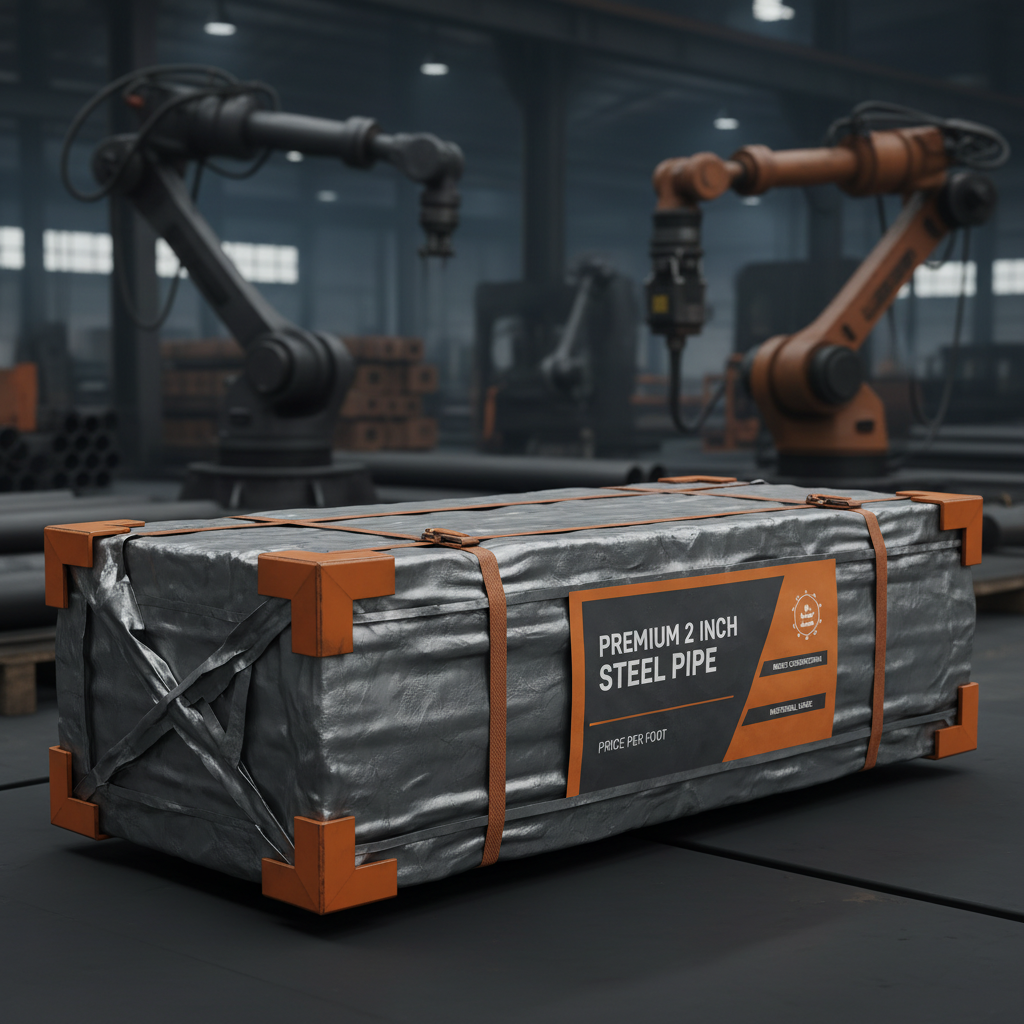
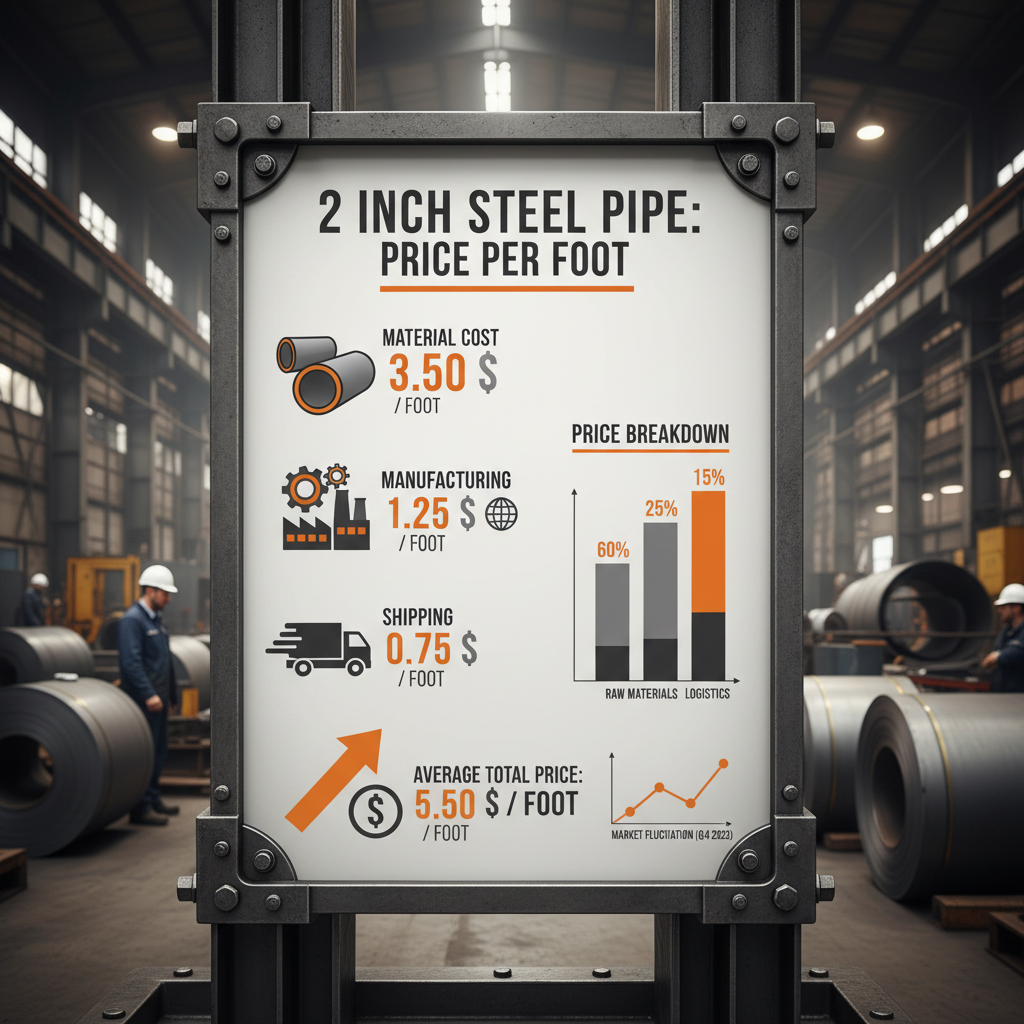
Several factors contribute to the fluctuations in 2 inch steel pipe prices. The primary driver is the cost of raw materials, specifically iron ore and steel scrap. Global market conditions and supply chain dynamics significantly impact these material costs. Pipe schedule (thickness) also plays a vital role – heavier schedules (e.g., Schedule 80) will be more expensive than lighter schedules (e.g., Schedule 40). Manufacturing processes, including welding, coating, and testing, add to the overall cost. Finally, transportation expenses, tariffs, and vendor markups all contribute to the final price per foot.
Key Highlights: Raw material costs, pipe schedule, manufacturing processes, and transportation all play significant roles in determining the final price.
Common Types of 2 Inch Steel Pipe and Their Price Variations
Different types of 2-inch steel pipes are available, each with varying price points. Carbon steel pipe is the most common and cost-effective option, suitable for a wide range of applications. Stainless steel pipe, offering superior corrosion resistance, is more expensive due to its alloy composition. Galvanized steel pipe, coated with zinc for corrosion protection, falls in between carbon and stainless steel in terms of price. Seamless pipe, manufactured without welds, generally commands a higher price than welded pipe due to its greater strength and reliability. Selecting the appropriate type depends on the application and environmental conditions.
Type Comparison:
• Carbon Steel: Most affordable, general use.
• Stainless Steel: Highest corrosion resistance, most expensive.
• Galvanized Steel: Moderate corrosion resistance, mid-range price.
• Seamless: Highest strength, typically more expensive.
Current Market Price: 2 Inch Steel Pipe Price Per Foot
As of late 2023/early 2024, the 2 inch steel pipe price per foot varies depending on the type, schedule, and vendor. Below is a general price range (USD):
Applications of 2 Inch Steel Pipe
Two-inch steel pipes find wide application across various industries. They are commonly used in plumbing systems for water supply, fire sprinkler systems for fire protection, and industrial processes for transporting fluids and gases. Construction projects utilize them for structural supports and scaffolding. Additionally, they are essential in oil and gas pipelines, chemical processing plants, and wastewater treatment facilities. The robust nature of steel pipes makes them suitable for high-pressure and high-temperature applications.
Where to Purchase High-Quality 2 Inch Steel Pipes
Sourcing from a reputable supplier is critical to ensure you receive quality pipes at competitive prices. SZ Pipefitting is a trusted provider of steel pipes, offering a wide range of sizes, schedules, and materials. We pride ourselves on delivering quality products, competitive pricing, and exceptional customer service. We can provide custom solutions to meet your specific project needs. Contact us today for a quote.
Conclusion: Finding the Best Value for Your 2 Inch Steel Pipe Needs
Understanding the factors influencing the 2 inch steel pipe price per foot is essential for effective project budgeting. By considering the type, schedule, and sourcing your materials from a reliable supplier like SZ Pipefitting, you can ensure you receive quality products at a competitive price. We are dedicated to providing solutions that meet your specific requirements and ensure the success of your project.
Frequently Asked Questions (FAQs)
What is the difference between Schedule 40 and Schedule 80 steel pipe?
Schedule 40 and Schedule 80 refer to the pipe wall thickness. Schedule 80 pipes have thicker walls than Schedule 40 pipes, providing greater strength and higher pressure-handling capabilities. However, this increased strength comes at a higher cost per foot and a reduced internal diameter. Schedule 40 is typically sufficient for standard plumbing and low-pressure applications, while Schedule 80 is preferred for high-pressure systems and structural applications.
How does corrosion affect the price of steel pipe over time?
Corrosion can significantly impact the lifespan and cost-effectiveness of steel pipes. Corrosion weakens the pipe, leading to leaks and eventual failure, requiring costly repairs or replacements. Selecting corrosion-resistant materials like stainless steel or galvanized steel, or applying protective coatings, can mitigate these issues. While these options have a higher initial cost, they can save money in the long run by extending the pipe's service life.
What is the impact of tariffs on steel pipe prices?
Tariffs on imported steel can significantly increase the price of steel pipes. Tariffs are taxes imposed on imported goods, effectively raising their cost. This increase is often passed on to consumers. Global trade policies and geopolitical factors can influence tariff rates, leading to price fluctuations. Staying informed about current trade regulations is crucial for accurate cost projections.