
Detailed Guide to 2 Inch Stainless Steel Pipe Price Per Foot and Factors Affecting Cost
Understanding 2 Inch Stainless Steel Pipe Price Per Foot
When planning construction, plumbing, or industrial projects, understanding the 2 inch stainless steel pipe price per foot is crucial for accurate budgeting. This guide breaks down the factors influencing costs, material grades, and where to source quality piping. Stainless steel offers corrosion resistance and durability, making it a favored choice across numerous applications. Selecting the right supplier and grade is key to maximizing value and ensuring project success.
Factors Affecting the Price of 2 Inch Stainless Steel Pipe
Several elements contribute to the overall cost of 2 inch stainless steel piping. The grade of stainless steel is a primary factor, with 304 and 316 being the most common choices. 316 stainless steel, containing molybdenum, offers superior corrosion resistance, hence a higher price point. Wall thickness is another consideration, as thicker pipes are more robust but also more expensive. Manufacturing processes, market demand, and the supplier's location all play a role. Import duties and transportation costs can also add to the final price, particularly for international buyers. Finally, the volume purchased significantly impacts the price – larger orders typically qualify for discounts.
Key Price Influencers: Stainless steel grade, wall thickness, market demand, volume purchased, supplier location, and transportation costs.
Stainless Steel Grades and Their Price Points
Different grades of stainless steel are suited for varying applications and come with corresponding price tags. 304 stainless steel is a versatile and cost-effective option for general-purpose applications. 316 stainless steel, with its enhanced corrosion resistance, is preferred in marine environments, chemical processing, and pharmaceutical industries. Other grades, such as 309S and 310S, are used in high-temperature applications and carry premium pricing. Understanding the specific requirements of your project will help you select the most appropriate and cost-effective grade. szpipefitting.com provides a range of stainless steel grades to suit diverse needs.
Stainless Steel Grade Comparison:
• 304: Versatile, cost-effective, general-purpose.
• 316: Superior corrosion resistance, marine & chemical applications.
• 309S/310S: High-temperature resistance, premium pricing.
2 Inch Stainless Steel Pipe Price Per Foot: A Comparative Overview
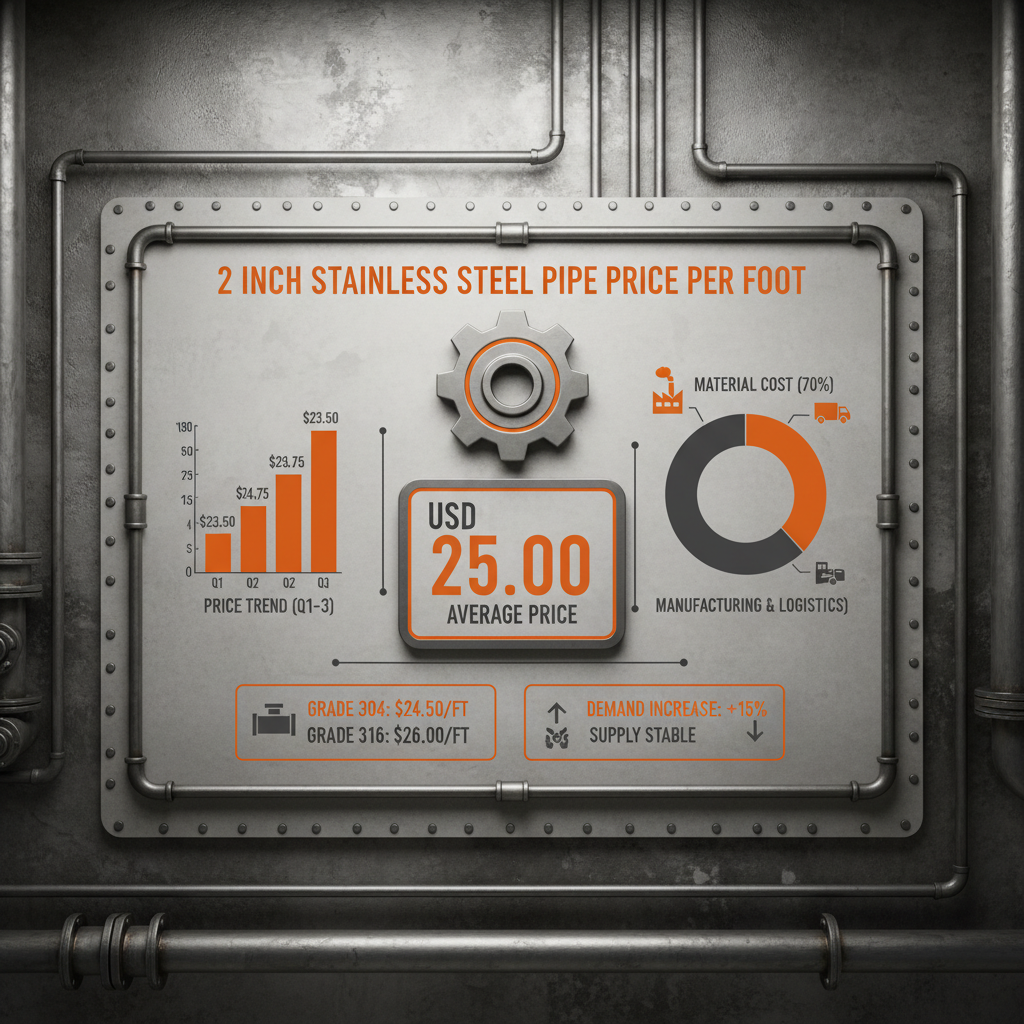
The price per foot of 2 inch stainless steel pipe varies depending on the factors outlined above. Here’s a general comparison (prices are approximate and subject to change):
Choosing the Right Supplier for Your Needs
Selecting a reliable supplier is paramount for ensuring quality and competitive pricing. Look for suppliers with a proven track record, certifications (like ISO 9001), and a wide range of stock. Consider their shipping capabilities and customer service. szpipefitting.com is a reputable supplier of stainless steel pipes, offering competitive pricing and excellent customer support. A good supplier will also be able to provide technical assistance and help you select the optimal pipe for your application.
Optimizing Your Purchase: Tips for Cost Savings
Several strategies can help you optimize your purchase and save on costs. Buying in bulk generally results in significant discounts. Planning your project thoroughly to minimize waste is essential. Comparing quotes from multiple suppliers is crucial. Negotiating prices based on volume and long-term partnerships can also lead to savings. Additionally, consider the total cost of ownership, including shipping, handling, and potential maintenance costs, when evaluating different suppliers. Working with a knowledgeable supplier like szpipefitting.com can help you navigate these considerations.
Conclusion: Finding the Best Value in 2 Inch Stainless Steel Pipe
Understanding the factors that influence the 2 inch stainless steel pipe price per foot is essential for successful project budgeting. By carefully considering grade, wall thickness, supplier options, and optimization strategies, you can secure quality piping at a competitive price. Don't hesitate to consult with experts like those at szpipefitting.com to ensure you make the right choice for your specific needs.
Frequently Asked Questions (FAQs)
What is the difference between Schedule 40 and Schedule 80 stainless steel pipe?
Schedule 40 and Schedule 80 refer to the pipe wall thickness. Schedule 80 pipes have thicker walls than Schedule 40 pipes, offering greater strength and pressure-bearing capacity. Schedule 80 pipes are typically used in high-pressure applications or where increased durability is required. However, the thicker walls also mean a higher price per foot and increased weight. Schedule 40 is a common choice for general-purpose applications where high pressure is not a concern.
How does corrosion resistance impact the price of stainless steel pipe?
Higher corrosion resistance directly correlates to a higher price. Grades like 316 stainless steel contain molybdenum, which significantly enhances resistance to chloride corrosion (like saltwater). This makes them ideal for marine environments and chemical processing plants. The cost of molybdenum and the more complex manufacturing process contribute to the higher price tag. If your application doesn’t require extreme corrosion resistance, 304 stainless steel can offer a more cost-effective solution.
Are there any hidden costs associated with purchasing stainless steel pipe?
Besides the per-foot price, consider potential hidden costs. Shipping can be substantial, especially for large orders or international deliveries. Cutting and threading the pipe often incur additional charges. Factor in the cost of fittings (elbows, tees, couplings) required to complete your project. Finally, import duties and taxes can add to the overall cost if purchasing from overseas suppliers. Always request a detailed quote from your supplier, including all applicable fees.
What certifications should I look for in a stainless steel pipe supplier?
Look for suppliers with ISO 9001 certification, demonstrating a commitment to quality management. Material Test Reports (MTRs) should be available, verifying the chemical composition and mechanical properties of the pipe. Suppliers should also be able to provide certificates of origin, confirming the country of manufacture. These certifications ensure you are receiving genuine, high-quality stainless steel pipe that meets industry standards.