
Understanding 2024 304 Steel Pipe Price Trends and Market Dynamics
Understanding 304 Steel Pipe Price Trends in 2024
The demand for 304 stainless steel pipe remains consistently strong across various industries – from construction and manufacturing to food processing and pharmaceuticals. Understanding the factors influencing 304 steel pipe price is crucial for effective project budgeting and procurement. This article dives deep into the current market dynamics, key cost drivers, regional variations, and offers insights to help you secure the best possible pricing. We'll also explore the impact of global events and material availability on the price of this essential industrial component.
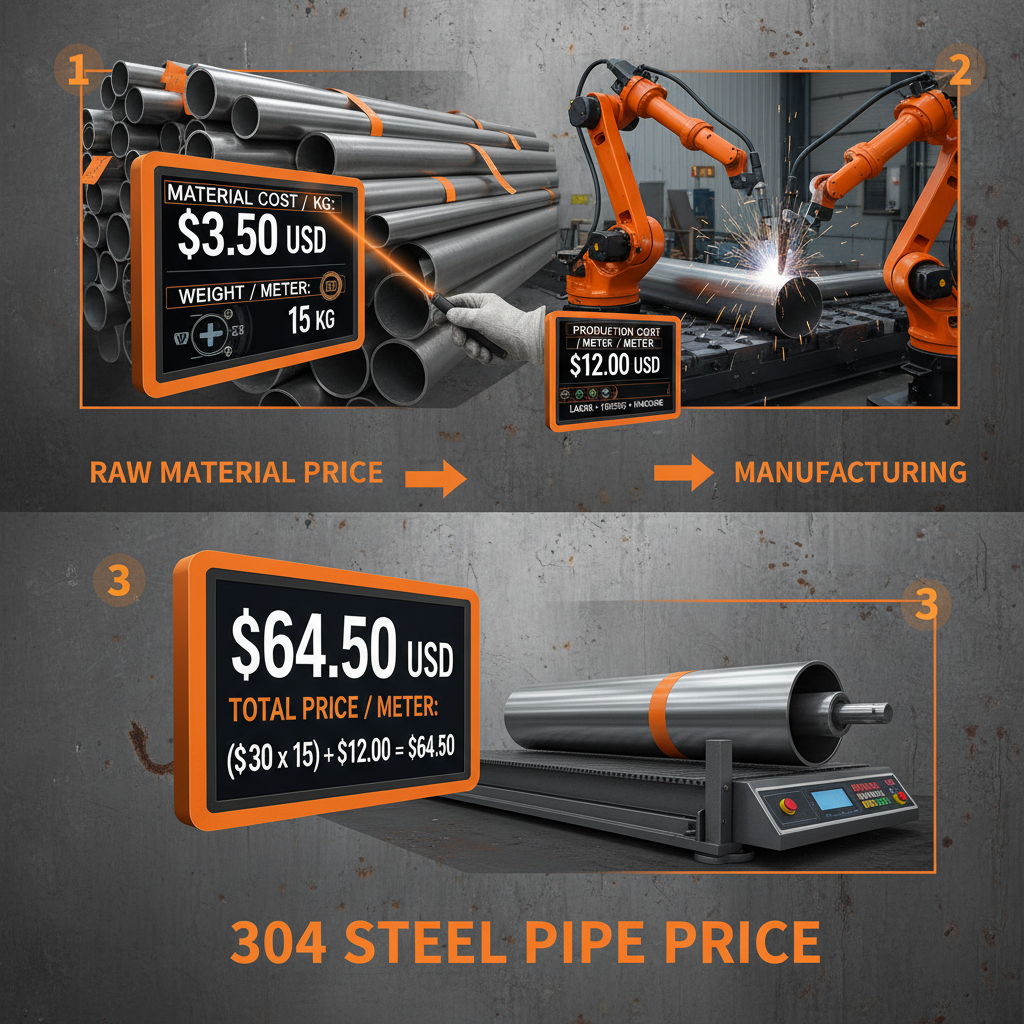
Key Factors Influencing 304 Steel Pipe Price
Several interconnected factors contribute to fluctuations in the 304 steel pipe price. These include the cost of raw materials (nickel, chromium, molybdenum), energy prices, labor costs, transportation expenses, and global demand. Recent geopolitical events and supply chain disruptions have also played a significant role. Stainless steel production is energy-intensive, so increases in energy costs directly translate into higher pipe prices. Similarly, the availability of key alloying elements like nickel and chromium directly affects the cost of 304 stainless steel. Demand from growing economies, particularly in Asia, also puts upward pressure on prices. Staying informed about these factors is essential for predicting price trends and making informed purchasing decisions.
Key Highlights: Global demand, raw material costs, energy prices, transportation costs and geopolitical events all impact the price of 304 stainless steel pipes.
Current Market Trends: A Regional Breakdown
The 304 steel pipe price varies significantly across different regions. Prices in North America and Europe generally tend to be higher due to stricter environmental regulations and higher labor costs. China, being the world’s largest steel producer, often offers competitive pricing, but can be subject to rapid fluctuations. Southeast Asia represents a growing market with increasing demand. Factors like import duties, tariffs, and local market conditions also influence regional price differences. Understanding these regional nuances is crucial when sourcing 304 stainless steel pipes internationally.
Regional Price Influencers:
• Import duties and tariffs
• Local market conditions
• Labor costs
• Environmental regulations
304 Steel Pipe Price per Size and Specification (2024)
The price of 304 stainless steel pipe is also heavily dependent on its size (diameter and wall thickness), schedule (e.g., 40, 80, 160), and finish. Below is a general price range as of Q1 2024. Please note that these are approximate figures and can change rapidly.
Comparing Suppliers: Finding the Best Value for Your 304 Pipe
Sourcing 304 stainless steel pipe requires careful consideration of suppliers. Don’t solely focus on price; evaluate quality, lead times, and reliability. Szpipefitting.com offers a comprehensive range of 304 stainless steel pipes with competitive pricing and a commitment to quality. Request quotes from multiple suppliers, compare specifications, and inquire about certifications to ensure you are getting the best possible value. Consider factors like minimum order quantities and shipping costs when making your decision.
Future Outlook: Predicting 304 Steel Pipe Price Trends
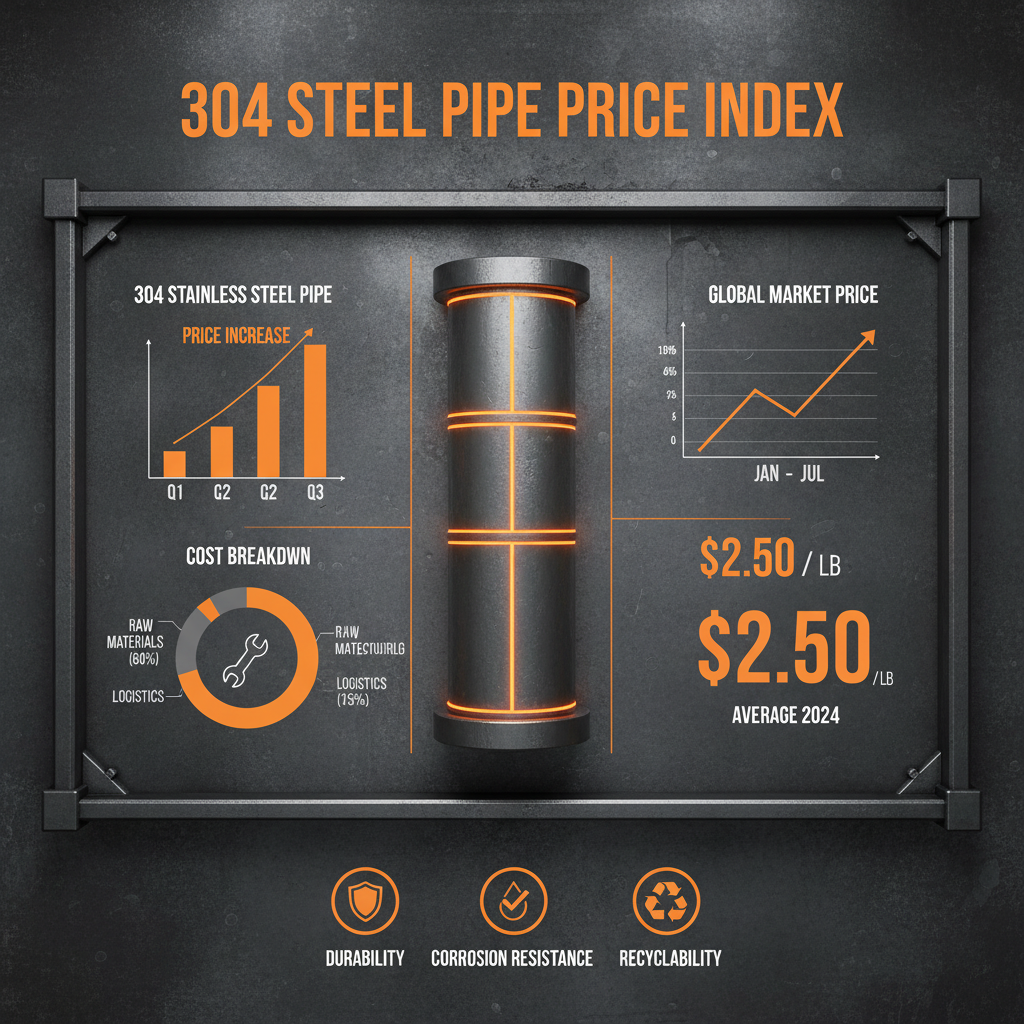
Experts predict continued volatility in the 304 steel pipe price throughout 2024. The recovery of global economies, coupled with ongoing supply chain challenges, is likely to maintain upward pressure on prices. Geopolitical tensions and potential trade disputes could further exacerbate these trends. Staying informed about market developments and building strong relationships with reliable suppliers will be key to mitigating price risk and ensuring a stable supply of 304 stainless steel pipes.
Conclusion: Navigating the 304 Steel Pipe Market
Understanding the factors influencing 304 steel pipe price is essential for efficient procurement and project planning. By staying informed, diversifying suppliers, and prioritizing quality, you can navigate the market effectively and secure the best possible value.
Frequently Asked Questions (FAQs)
What is the typical lead time for 304 stainless steel pipe orders?
Lead times can vary significantly depending on the size of the order, the specific specifications, and the supplier's inventory levels. Generally, standard sizes and schedules may have lead times of 2-4 weeks. However, custom orders or large quantities can take 6-12 weeks or longer. It's crucial to inquire about lead times upfront and factor them into your project schedule. Supply chain disruptions can also impact lead times, so it's best to plan accordingly. Consider working with suppliers who maintain substantial inventory to minimize delays.
How do import tariffs affect 304 steel pipe prices?
Import tariffs are taxes imposed on goods imported from other countries. These tariffs directly increase the cost of 304 stainless steel pipe, particularly for buyers in countries that impose them. The specific tariff rates vary depending on the country of origin and the importing country. Changes in trade policies and the imposition of new tariffs can lead to significant price fluctuations. It's essential to factor in potential tariff costs when comparing prices from different suppliers.
What certifications should I look for when purchasing 304 stainless steel pipe?
When purchasing 304 stainless steel pipe, it's crucial to verify that it meets relevant industry standards and certifications. Look for certifications such as ASTM A312 (for seamless pipes), ASTM A53 (for welded pipes), and ISO 9001 (for quality management systems). These certifications ensure that the pipe has been tested and meets specified requirements for chemical composition, mechanical properties, and dimensional accuracy. Certifications from reputable organizations provide assurance of quality and reliability.
Can I get custom sizes and lengths of 304 stainless steel pipe?
Yes, many suppliers offer custom sizing and cutting of 304 stainless steel pipe to meet specific project requirements. However, custom orders typically have longer lead times and may incur additional costs. It’s important to communicate your specific needs clearly to the supplier and obtain a detailed quote before placing your order. Some suppliers may also offer custom fabrication services, such as bending and welding.