
Comprehensive Guide to 18 Gauge Steel Pipe Price Factors and Market Trends
Understanding the 18 Gauge Steel Pipe Price: A Comprehensive Guide
When sourcing materials for plumbing, construction, or industrial applications, understanding the 18 gauge steel pipe price is crucial for budgeting and project planning. This article provides a detailed overview of factors influencing the cost of 18 gauge steel pipes, current market trends, and where to find reliable suppliers. We’ll explore what 18 gauge means, its common uses, and how to get the best value for your investment. Knowing these aspects can significantly impact your project's overall efficiency and cost-effectiveness.
What Does 18 Gauge Mean in Steel Pipes?
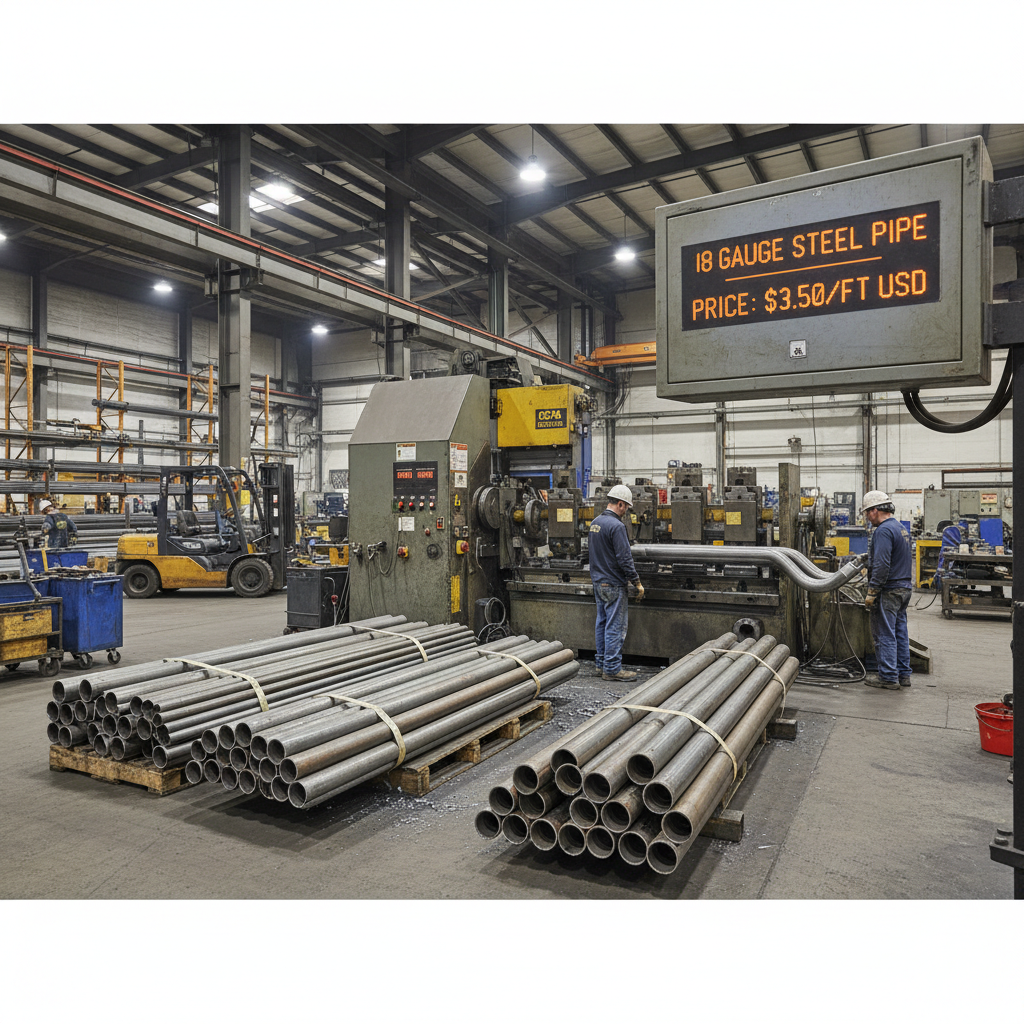
The "gauge" of a steel pipe refers to its wall thickness. Importantly, a higher gauge number indicates a thinner wall. Therefore, 18 gauge steel pipe has a relatively thin wall compared to lower gauge numbers like 16 or 14 gauge. This makes it suitable for applications where weight is a concern and high pressure resistance isn’t paramount. 18 gauge pipes are commonly used for low-pressure fluid transfer, ventilation, and certain structural supports where minimizing weight is a priority. It's vital to consult with an engineer or materials specialist to ensure the gauge selected is appropriate for your specific application and safety requirements. You can find detailed specifications and materials at SZ Pipefitting's website.
Key Takeaway: Higher gauge = Thinner wall. 18 gauge is ideal for lighter-duty applications where lower weight is preferred.
Factors Influencing the 18 Gauge Steel Pipe Price
Several factors contribute to the price of 18 gauge steel pipe. Raw material costs (steel prices) are the most significant driver, fluctuating based on global supply and demand. Manufacturing processes, including welding, coating, and finishing, also add to the cost. The pipe's length, diameter, and any specific customizations (e.g., threading, galvanization) will influence the final price. Shipping costs, particularly for international orders, can be substantial. Finally, the supplier's location and profit margins will also play a role.
Price Influencing Factors:
• Raw Steel Material Costs
• Manufacturing Processes
• Pipe Dimensions (Length, Diameter)
• Customizations (Threading, Coating)
• Shipping Costs
Current Market Trends in 18 Gauge Steel Pipe Prices
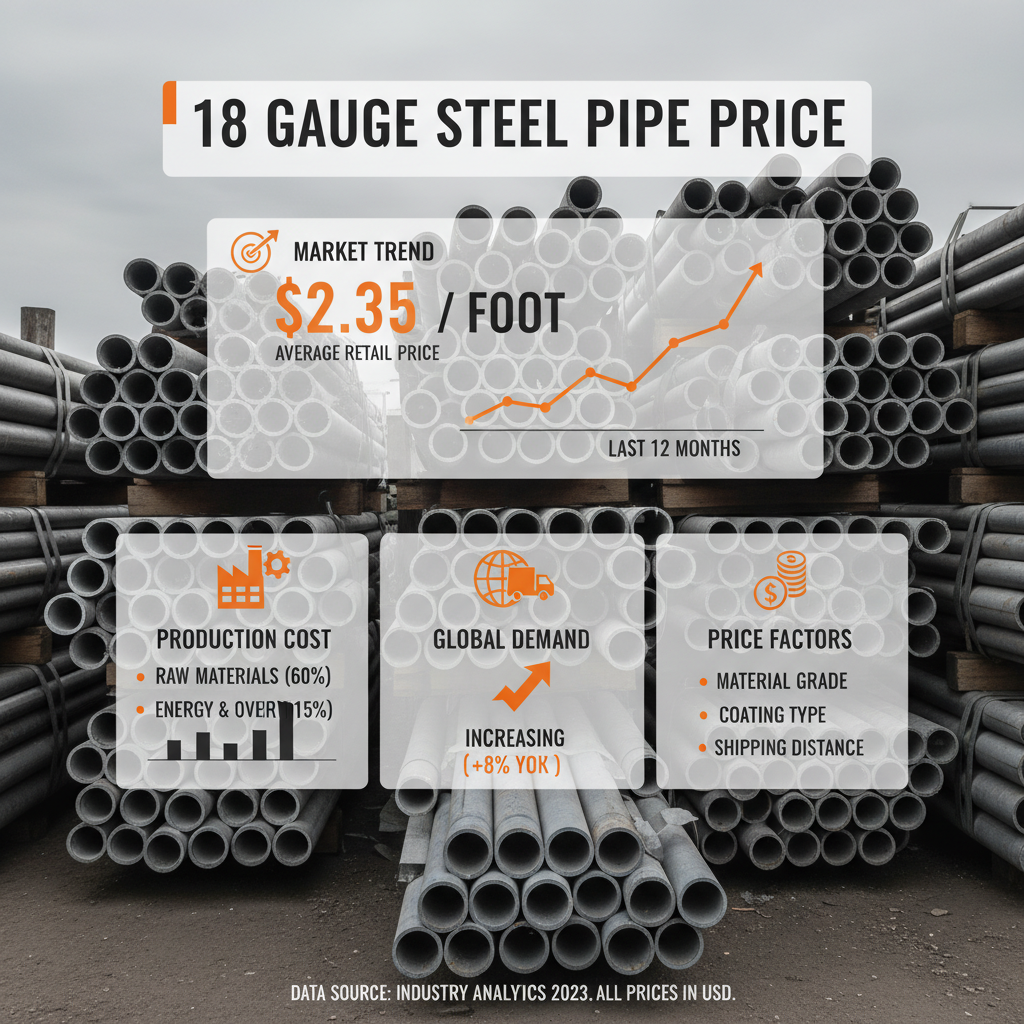
As of late 2024, steel prices are experiencing moderate volatility due to global economic factors and geopolitical events. Demand from the construction and manufacturing sectors remains relatively strong, putting upward pressure on prices. However, increased steel production capacity in some regions is helping to mitigate significant price increases. Generally, prices for 18 gauge steel pipe range from $0.50 to $1.50 per foot, depending on the factors mentioned previously. It's essential to obtain quotes from multiple suppliers to get the most competitive price. You can view our current pricing and request a custom quote.
Applications Suitable for 18 Gauge Steel Pipes
18 gauge steel pipes are commonly used in applications that don't require extremely high pressure resistance. These include: lightweight structural supports, low-pressure water lines (e.g., irrigation systems), ventilation ductwork, conduit for electrical wiring, and furniture frames. They are also frequently used in DIY projects and hobbyist applications due to their ease of working with and relatively low cost. Choosing the right material for your project is critical for safety and longevity – consider consulting with a professional if you’re unsure.
Choosing the Right Supplier for 18 Gauge Steel Pipes
Selecting a reliable supplier is paramount for ensuring quality, competitive pricing, and timely delivery. Look for suppliers with a proven track record, positive customer reviews, and certifications demonstrating adherence to industry standards. Consider suppliers that offer a wide range of pipe sizes and materials, along with value-added services like cutting, threading, and galvanizing. SZ Pipefitting offers a comprehensive selection of steel pipes, competitive pricing, and excellent customer support. We prioritize quality and ensure our products meet stringent industry requirements.
Conclusion: Finding the Best Value for Your 18 Gauge Steel Pipe Needs
Understanding the factors influencing the 18 gauge steel pipe price is essential for effective project management. By considering material costs, market trends, and choosing a reliable supplier like SZ Pipefitting, you can ensure you obtain high-quality materials at a competitive price. Remember to prioritize quality and safety when selecting pipes for your application.
Frequently Asked Questions (FAQs)
What are the typical applications for 18 gauge steel pipe?
18 gauge steel pipes are well-suited for applications where weight is a concern and high-pressure resistance isn’t critical. Common uses include lightweight structural support, low-pressure water lines for irrigation, ventilation systems, conduit for electrical wiring, and DIY projects. Their affordability and ease of working with make them a versatile choice for a range of projects. However, it's crucial to assess the specific pressure and load requirements of your application to ensure 18 gauge is appropriate.
Is 18 gauge steel pipe suitable for high-pressure applications?
No, 18 gauge steel pipe is generally not recommended for high-pressure applications. Its thinner wall thickness makes it susceptible to deformation or failure under significant pressure. For high-pressure systems, lower gauge numbers (e.g., 16, 14, or 12 gauge) with thicker walls are essential to ensure safety and reliability. Always consult with a qualified engineer or plumbing professional to determine the appropriate pipe gauge for your specific application and pressure requirements.
How does galvanization affect the price of 18 gauge steel pipe?
Galvanization, a process of coating steel with zinc to prevent rust and corrosion, will increase the price of 18 gauge steel pipe. The cost increase is due to the additional materials and processing involved. However, the added protection provided by galvanization can significantly extend the lifespan of the pipe, particularly in outdoor or corrosive environments. This can ultimately lead to cost savings by reducing the need for frequent replacements. At SZ Pipefitting we offer both galvanized and non-galvanized options.
What should I look for when comparing quotes from different suppliers?
When comparing quotes, don't solely focus on the price per foot. Consider the total cost, including shipping, handling, and any additional fees. Verify the quality of the steel, the supplier's certifications, and their return policy. Inquire about lead times and delivery options. Finally, assess the supplier's customer service and responsiveness to ensure a smooth and reliable transaction. A reputable supplier like SZ Pipefitting will provide transparent pricing and excellent support.