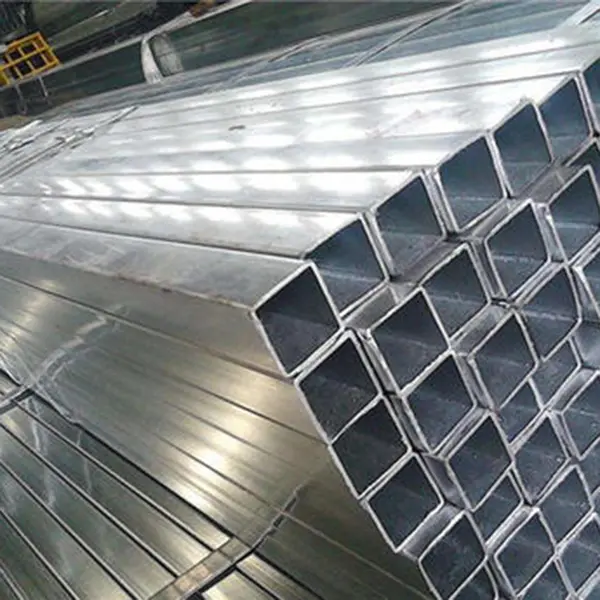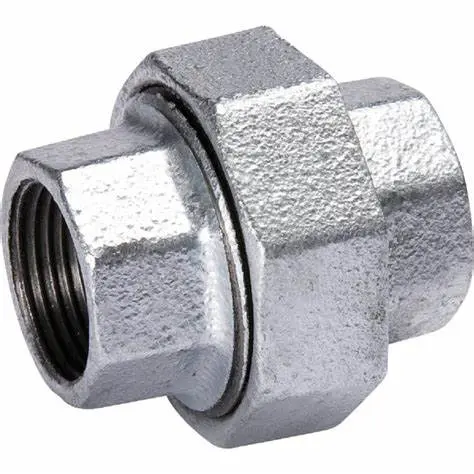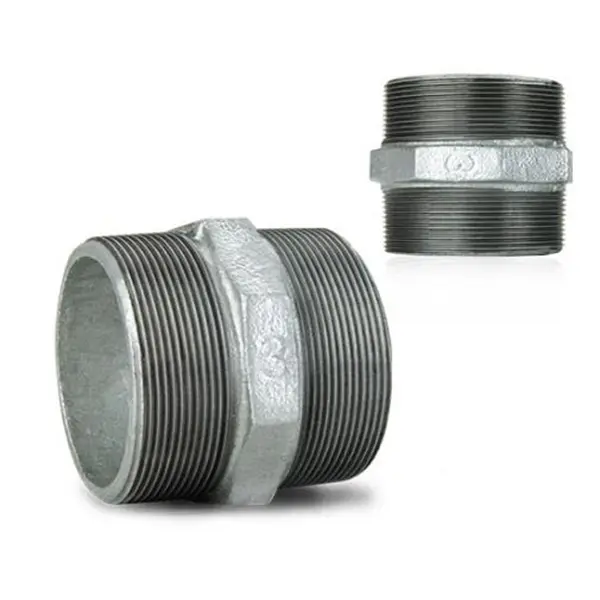
High Quality Industrial Steel Pipe Nipples from Steel Tube Exporter
Selecting the correct connection components for industrial piping systems is critical for maintaining structural integrity and leak-proof performance. Steel pipe nipples serve as essential short lengths of pipe with threads at both ends, allowing for the precise joining of valves, fittings, and equipment. Whether you are managing a high-pressure hydraulic system or a municipal water line, the material grade and threading standard determine the longevity of the installation.
For procurement managers and engineers, sourcing from a reliable steel tube exporter ensures that every component meets international standards such as BS, DIN, or ASTM. With varying wall thicknesses from SCH20 to SCH160 and diverse surface treatments including hot-dip galvanizing, these components are engineered to withstand aggressive environments and extreme temperature fluctuations ranging from -20 to 120°C. Understanding the nuances between carbon steel, alloy steel, and stainless steel options is the first step toward optimizing your pipeline's efficiency.

Material Engineering and Technical Standards for Steel Pipe Nipples
The performance of a pipe nipple is fundamentally tied to its material composition. Carbon steel is the industry standard for general-purpose applications due to its strength and cost-effectiveness. For environments exposed to corrosive elements or chemical processing, stainless steel is utilized to prevent oxidation and maintain purity. Alloy steel is reserved for high-stress scenarios where enhanced mechanical properties are required to prevent fatigue and rupture under pressure.
Precision in threading is what ensures a secure seal. Our products adhere to three primary global standards to ensure cross-border compatibility:
- British Standard (BS21): Widely used in European and Commonwealth piping systems.
- DIN Standard (DIN2999): The German industrial benchmark for high-precision mechanical fittings.
- American Standard (ASTM A865-9): The primary specification for North American oil, gas, and water infrastructure.
Beyond the threads, the wall thickness (Schedule) is a key engineering variable. From light series (SCH20) to extra heavy (XXS), the thickness is calculated based on the internal working pressure, which for these units typically reaches a maximum of 1.5MPa, with a safety test pressure of up to 2.5MPa.

Surface Treatment and Corrosion Protection Strategies
Surface finishing is not merely aesthetic; it is a functional requirement to prevent premature failure caused by rust. Depending on the installation environment—whether it is an underground water line, a coastal oil rig, or an indoor heating system—the appropriate coating must be selected to protect the base metal.
Common surface options include:
- Hot-Dip Galvanized: Providing a thick zinc layer for maximum external and internal corrosion resistance in outdoor or humid environments.
- Electro-Galvanized: Offering a smoother finish and precise dimensional tolerance for applications where a thinner protective layer is sufficient.
- Normal Black / Shining Black: Used primarily in gas lines or oil systems where the fluid itself provides some inhibition or where the system is entirely enclosed.
These treatments ensure that the pipe nipples maintain their structural integrity over decades of service, reducing maintenance downtime and preventing hazardous leaks in critical infrastructure.
Industrial Applications and Scenario-Based Selection
Steel pipe nipples are ubiquitous across diverse sectors, serving as the critical link between larger pipe segments and specialized hardware. Their application logic depends on the medium being transported: water, oil, or gas. In water distribution, galvanized carbon steel is preferred to prevent internal scaling. In petrochemical plants, stainless steel nipples are mandatory to handle volatile organic compounds without degrading.
Typical use cases include:
- HVAC Systems: Connecting boilers to distribution manifolds using standard carbon steel nipples.
- Industrial Lubrication: Utilizing high-precision alloy steel nipples to convey oil to machinery under high pressure.
- Gas Piping: Employing black steel nipples that meet strict ASTM or BS standards to ensure gas-tight seals.
When designing these systems, engineers must consider the "connection shape"—whether an equal nipple is required or if a transition is needed via a coupling or socket. The versatility of these components allows for rapid assembly and easy replacement during system upgrades.
Technical Specification Matrix for Procurement
| Parameter | Standard Range | Testing Threshold | Common Grade |
|---|---|---|---|
| Outside Diameter (OD) | 1/8" to 8" | N/A | Standardized |
| Wall Thickness | 0.5mm to 10mm | SCH20 - SCH160 | ASTM A865-9 |
| Working Pressure | Max 1.5MPa | Test: Max 2.5MPa | Hydraulic Tested |
| Temperature Range | -20°C to 120°C | Thermal Stability | Carbon/Stainless |
| Thread Types | BS, DIN, ASTM | Precision Gauge | Female / Male |
Supply Chain Quality Control and Certification
For large-scale infrastructure projects, the reliability of the supply chain is as important as the product itself. Quality assurance begins with raw material traceability and ends with rigorous pressure testing. Components must be verified against ISO9001 standards to ensure consistency across thousands of units, especially when dealing with high-volume orders of 150-200 containers per year.
A professional supplier ensures that every batch undergoes:
- Dimensional Inspection: Verifying OD and wall thickness against the specified Schedule (SCH).
- Thread Gauging: Ensuring that BS, DIN, or ASTM threads fit perfectly without cross-threading.
- Hydrostatic Testing: Subjecting the nipples to 2.5MPa to confirm zero leakage.
Working with a company that holds certifications like BV and ISO ensures that the products are safe for export to demanding markets such as the USA, Canada, and the EU, where compliance with safety codes is non-negotiable.
Procurement Guidance for Global Buyers
When issuing a Request for Quotation (RFQ) for pipe nipples, buyers often overlook the critical detail of the "series" (Heavy, Standard, Medium, or Light). Selecting a light series for a high-pressure application can lead to catastrophic failure, while over-specifying to a heavy series increases unnecessary costs and weight.
Key procurement considerations include:
- Customization: If standard sizes do not fit, determine if the supplier can work from customer drawings or designs.
- Packaging: For long-distance shipping, choose between cartons with pallets for stability or double woven bags for bulk efficiency.
- Lead Times: Standard delivery typically ranges from 30 to 45 days; planning for these windows is essential for project timelines.
Finally, consider the total cost of ownership. While the initial price per unit is important, the cost of a single leak in a gas line far outweighs any savings from low-grade materials. Investing in certified, high-integrity fittings is the most economical long-term strategy.
Frequently Asked Questions About Steel Pipe Nipples
What is the difference between carbon steel and stainless steel nipples in industrial use?
Carbon steel is primarily used for structural strength and cost-efficiency in non-corrosive environments, often galvanized for protection. Stainless steel is used in food, pharmaceutical, and chemical industries where corrosion resistance and hygiene are mandatory to prevent contamination.
Which threading standard should I choose for a project in North America?
For North American projects, the ASTM A865-9 standard is typically required. It is essential to verify the specific project specifications, as mixing ASTM threads with BS or DIN standards will result in improper sealing and leaks.
How do I determine the correct Schedule (SCH) for my application?
The Schedule determines the wall thickness. You should choose based on the maximum internal working pressure of your system. Higher SCH numbers (e.g., SCH80 or SCH160) provide greater pressure resistance and durability but increase the weight and cost of the component.
What is the maximum working pressure for these steel pipe nipples?
The standard maximum working pressure is 1.5MPa, though they are tested up to 2.5MPa to ensure a safety margin. Always refer to the specific material and wall thickness to confirm the pressure rating for your specific setup.
Can these nipples be customized to specific lengths or brand requirements?
Yes, lengths can be customized according to buyer requirements. Custom branding is also available, typically requiring a minimum order quantity of 10 tons per specification, with the mold fee potentially refundable after a certain export volume is reached.
What are the most effective packaging options for international shipping?
For maximum protection, cartons with pallets are recommended to prevent shifting and damage during transit. For bulk shipments where handling equipment is available, double woven bags are a more space-efficient and cost-effective option.
Technical References and Industry Standards
- ASTM International - Materials Standards
- ISO - International Organization for Standardization
- BSI Group - British Standards
- DIN - German Institute for Standardization
Ensure your industrial pipeline is built on a foundation of quality. By selecting the right materials and adhering to global standards, you guarantee the safety and efficiency of your operations.
Related Hardware and Piping Solutions