
Carbon Steel Pipe Fitting for High Pressure - Why Choose Us?
Field Notes on the carbon steel pipe fitting market
I’ve walked more than a few fabrication shops from Shijiazhuang to Sharjah. One thing I keep hearing from foremen: reliability beats fancy. That’s exactly where the humble carbon steel pipe fitting shines—durable, pressure-tough, and not moody about temperature swings. In short, it’s the connector you forget about because it just works. Origin-wise, the Malleable Iron Zone in Shijiazhuang, Hebei, China remains a strong cluster for volume and consistent heat-to-heat traceability.
Quick take: what it is and why it’s used
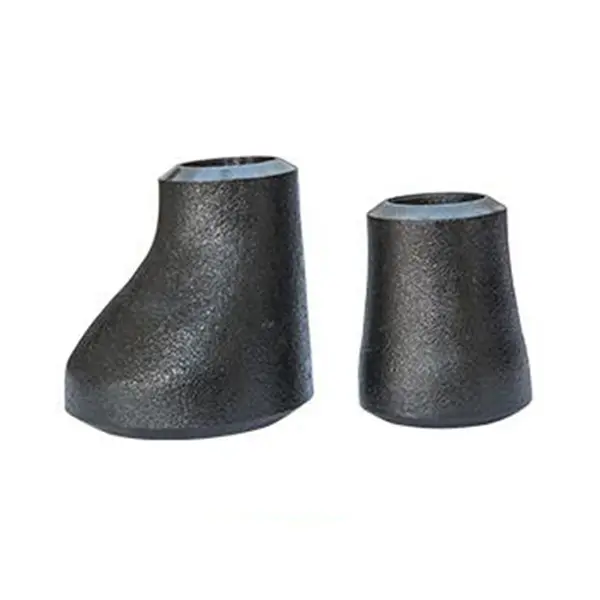
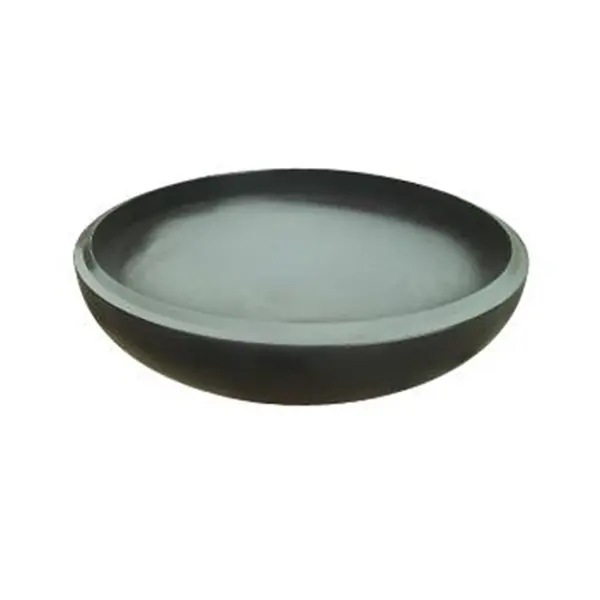
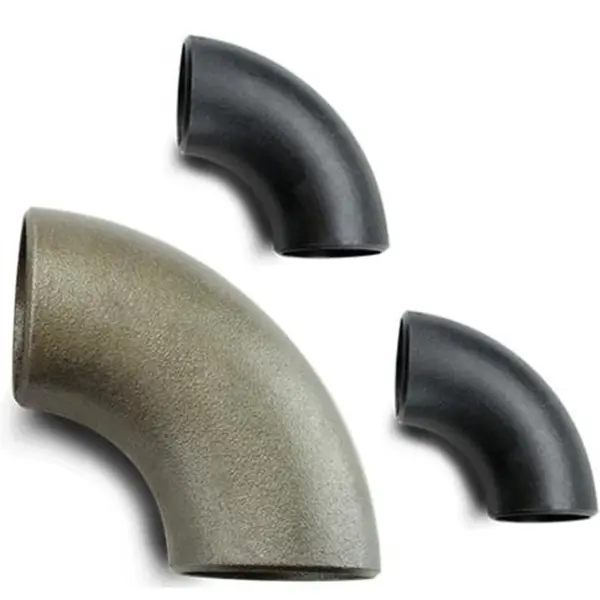
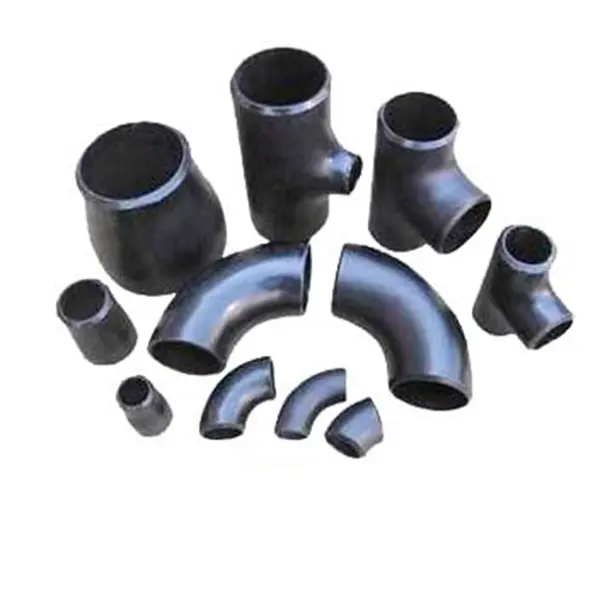
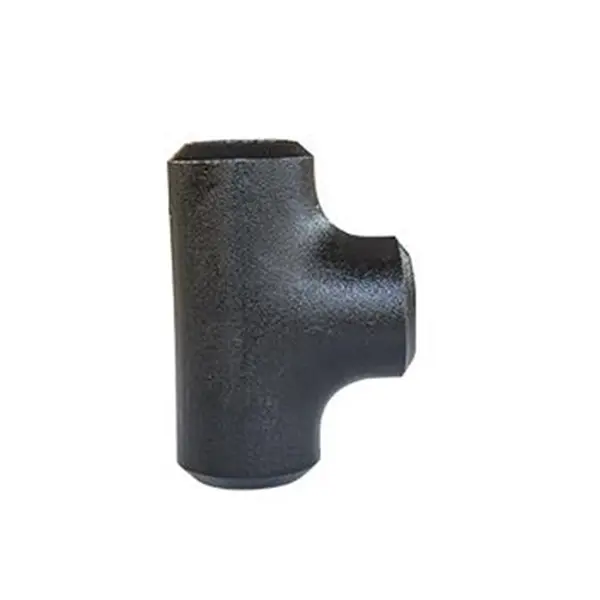
Short version: a carbon steel pipe fitting gives you a strong, sealed connection—elbows, tees, reducers, caps, couplings, and so on—for oil, gas, chemical, power, district heat, and fire protection lines. It resists high pressure, is easy to install (butt-weld, socket-weld, or threaded), and plays nicely with standard carbon steel pipe systems. Many customers say the threading is what makes or breaks a project timetable; when it’s clean and on gauge, crews finish early.
Industry trends I’m seeing
- Sour-service readiness: more buyers asking for NACE MR0175/ISO 15156 compliance.
- Hydrotest + NDT by default: UT/MT becoming standard even on commodity sizes.
- Traceability: heat numbers and MTC 3.1 transparency requested across the board.
- Coatings: hot-dip galvanizing and epoxy topcoats for coastal and utility jobs.
Spec snapshot
| Types | Elbow 45°/90°, Tee, Reducer (Con/Ecc), Cap, Coupling, Union |
| Material Grades | ASTM A234 WPB/WPC; ASTM A105 (forged) |
| Sizes | NPS 1/2"–48" (butt-weld); 1/8"–4" (forged/threaded) |
| Pressure/Sch | ASME B16.11 Class 2000/3000/6000; ASME B36.10 Sch 40/80/160 |
| Ends | Beveled (ASME B16.25), Socket-weld, Threaded NPT/BSPT |
| Coatings | Black oxide, shop primer, hot-dip galvanized, epoxy (≈250–300 μm) |
| Testing | Hydrotest 1.5× rating; UT/MT; PMI; Hardness HB 120–180 (typical) |
| Standards | ASME B16.9/B16.11; MSS SP-75; ASTM A234/A105 |
| Service life | Around 20–30 years; real-world use may vary by medium and corrosion load |
How it’s made (shop-floor version)
Materials are melted/cast, then forged or formed. For butt-weld pieces, hot forming and heat treatment (normalizing) stabilize grain. Machining trims ends; bevels match ASME B16.25. Threads are cut with go/no-go gauging (NPT/BSPT). Shot blasting, coating, and marking come next. QC includes PMI, dimensional checks, hydrostatic testing, and NDT (UT/MT, sometimes RT on critical elbows). Honestly, the boring paperwork—MTC EN 10204 3.1—is what saves headaches later.
Where it’s used
Oil & gas skids, chemical lines, power-plant balance-of-plant, mining slurries (with thicker walls), HVAC/district heat, and fire loops. For coastal sites, galvanizing a carbon steel pipe fitting isn’t overkill—it’s insurance.
Customization options
- Special bevels and land; positive material identification stamping.
- Threads: tight-tolerance NPT for instrumentation; BSPT for legacy plants.
- Coatings: zinc-rich primer + epoxy topcoat; color-coding per P&ID.
- Low-temp impact testing at −20 °C (≈27 J) upon request.
Vendor landscape (my quick comparison)
| Vendor | Strengths | Lead Time | Certs/Docs |
|---|---|---|---|
| SZ (Shijiazhuang) | High volume; stable threading; competitive galvanized elbows | ≈2–4 weeks ex-works | ISO 9001, MTC 3.1; NDT packs |
| Regional Brand A | Quick small-batch custom bevels | 1–2 weeks for niche sizes | Traceable heats; PMI scans |
| Global Brand B | Strong sour-service portfolio | 4–6 weeks typical | NACE, extended impact data |
Two quick case notes
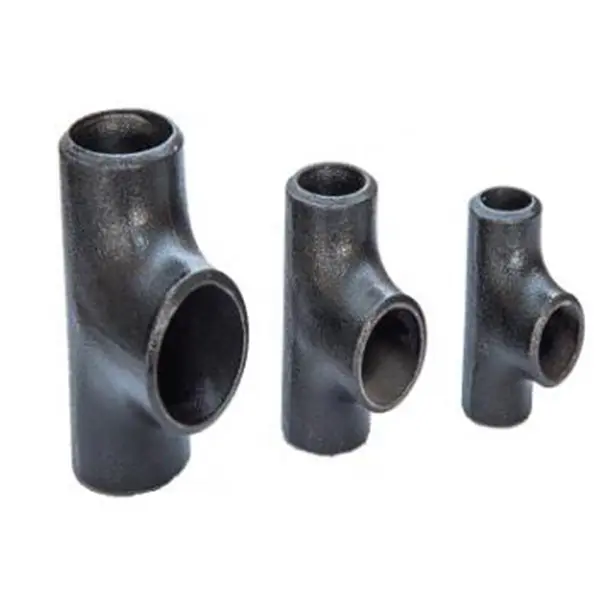
- Refinery revamp, Middle East: swapped mixed-source tees with a unified carbon steel pipe fitting spec; torque-up uniformity cut leaks by ≈40% during commissioning.
- District heating loop, Northern Europe: hot-dip galvanized reducers extended repaint cycles from 3 to 7 years—small change, big OPEX win.
Certs and test data customers ask for
ISO 9001 QMS; ASME B16.9/B16.11 dimensional checks; hydrotests at 1.5× rating; UT/MT maps; hardness HB 120–180; optional impact at −20 °C. To be honest, even a solid carbon steel pipe fitting can fail paperwork—so insist on MTC 3.1 with heat numbers.
Authoritative references
- ASME B16.9 – Factory-Made Wrought Buttwelding Fittings
- ASME B16.11 – Forged Fittings, Socket-Welding and Threaded
- ASTM A234/A234M – Piping Fittings of Wrought Carbon Steel
- ASTM A105/A105M – Carbon Steel Forgings for Piping
- MSS SP-75 – High-Strength Wrought Butt-Welding Fittings
- NACE MR0175/ISO 15156 – Materials for H2S Service
- ISO 9001:2015 – Quality Management Systems
- ISO 5208 – Pressure Testing of Valves (hydrotest practices often aligned)