You know, after running around construction sites all year, dealing with dust and sweat, you start to see what really matters with pipe fittings wholesale. It's not about fancy brochures or lab tests; it's about whether it holds up when Old Man Henderson down at the refinery gives it a good whack with a wrench. Honestly, these days everyone's talking about prefabrication, modular construction... it’s all the rage. Less on-site welding, faster builds, you get the idea. But it all falls apart if the fittings aren’t solid, if you can't rely on them.
The demand is insane right now, globally. China, India, the Middle East… they’re all building. And not just skyscrapers; infrastructure, water treatment plants, even simple housing. The UN reports show a huge need for rapid deployment solutions, especially after disasters. It’s a booming market, but it’s also a race to the bottom if you’re not careful. Everyone's chasing cost savings.
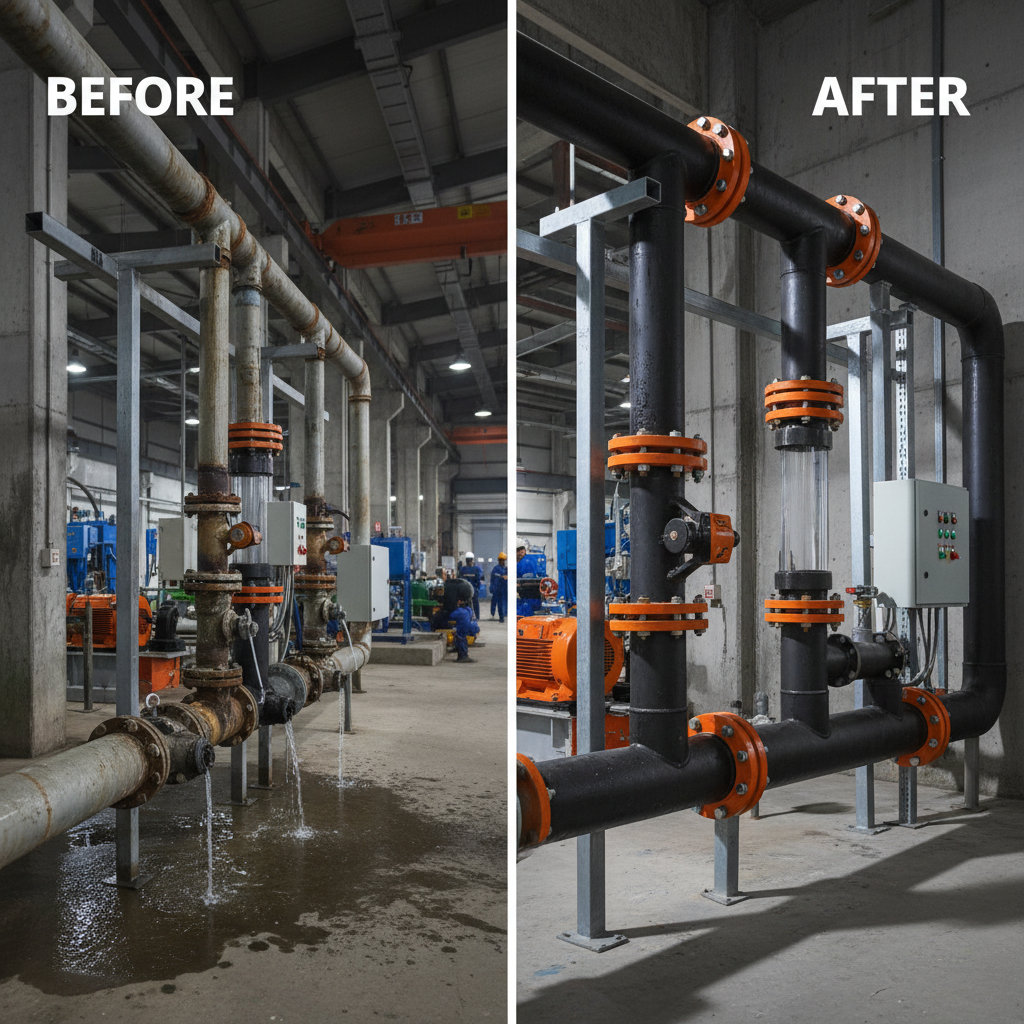
But the real problem is, a lot of folks are focusing on price over quality. And in this business, cheap often means trouble. You think you’re saving a few bucks upfront, but then you’re dealing with leaks, corrosion, and project delays. It's a headache, trust me.
The Rising Tide of Prefabrication and Demand
Seriously, have you noticed how much more prefabrication there is? It's everywhere. It's making life easier for the guys on the ground, but it’s also putting a ton of pressure on the suppliers to deliver consistent quality. A slight variation in a fitting can throw off the whole assembly line. We used to just grab whatever was on the shelf, now everything needs to be precisely spec'd.
And it’s not just residential. Industrial plants, oil and gas facilities... they’re all leaning heavily into modular construction. The cost savings are significant, but only if you avoid rework. Rework… that’s the killer. I encountered a huge issue at a petrochemical plant in Saudi Arabia last time – a batch of substandard elbows caused a week-long delay. A week! You can imagine the costs.
Defining Quality in Pipe Fittings Wholesale
What does 'quality' even mean in pipe fittings wholesale? It’s not just about meeting some standard. It’s about the feel of the metal, the consistency of the threads, the way it sits in your hand. Honestly, I can tell a good fitting just by looking at it. It’s that little bit of extra polish, the clean welds, the absence of any imperfections.
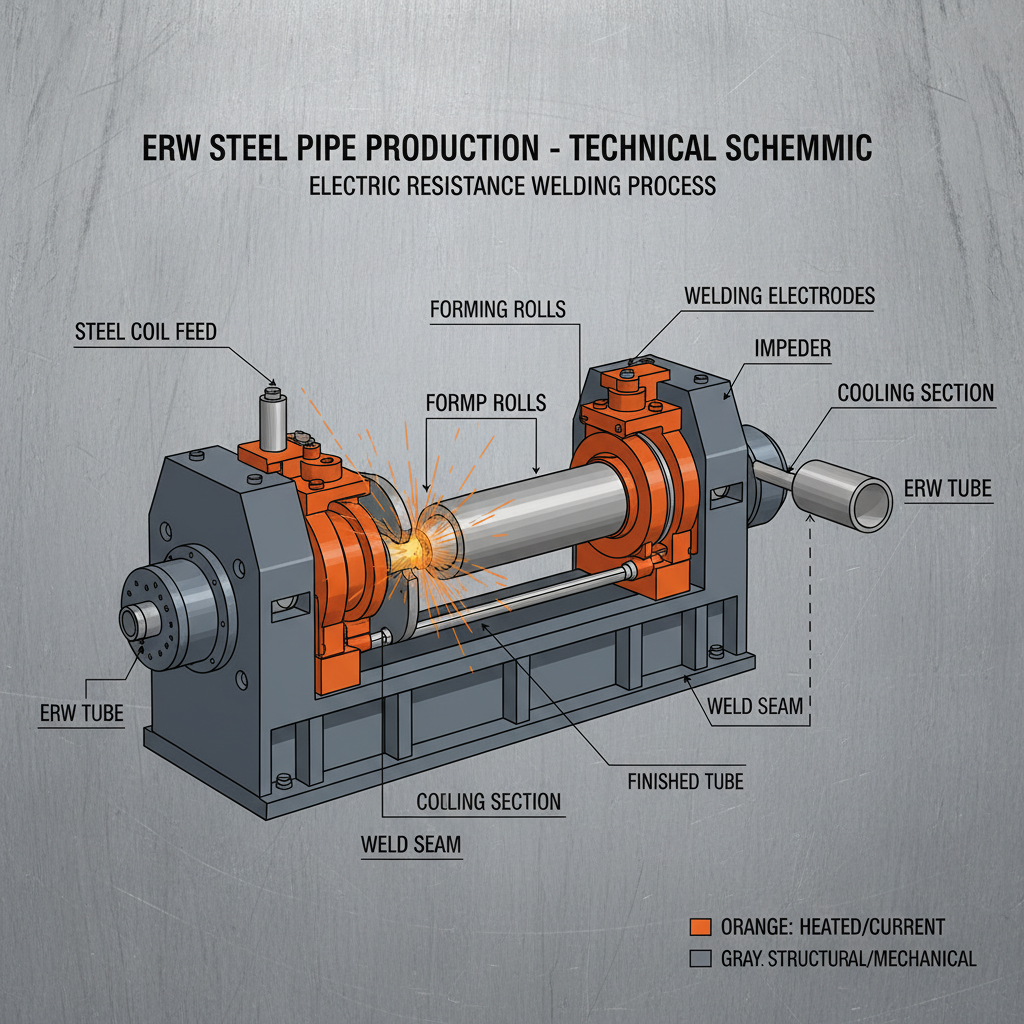
It's about understanding what each fitting will be subjected to: pressure, temperature, corrosion. A fitting for a freshwater line is different than one for a sewage treatment plant. And it’s not just the material, it’s the manufacturing process. Slow cooling creates stronger metal, I was told by an old timer at a factory in Italy.
Anyway, I think a lot of companies are losing sight of that. They’re focused on certifications and paperwork, but they’re forgetting the basics. The basics are what keep things running.
Material Science: It's Not Just Steel
People think it's all just steel, right? Wrong. There’s carbon steel, stainless steel, galvanized steel, alloy steel… each with its own properties and applications. And then you get into plastics – PVC, CPVC, PEX. The smell of freshly cut PVC… it’s a smell that’ll stay with you. Strangel,y, I almost miss it.
But it's not just what the material is, it’s how it’s treated. Proper heat treatment is crucial for steel, especially for high-pressure applications. I saw a shipment of elbows fail because they hadn’t been properly annealed. The metal was brittle, prone to cracking. You could feel the difference.
And then there’s corrosion resistance. Saltwater, chemicals, even just humidity can wreak havoc on fittings. That’s where stainless steel and specialized coatings come in. But even stainless has different grades. 304 is good for general use, but 316 is much better for harsh environments.
The Art of Real-World Testing
Lab tests are fine, but they don’t tell the whole story. You need to see how these fittings perform in the real world. I've seen fittings pass every lab test imaginable, then fail spectacularly on site.
We do pressure testing, of course. Hydrostatic testing, pneumatic testing… but we also do stress testing. We’ll clamp a fitting in a vise and try to bend it. We'll subject it to extreme temperatures. We'll even let a forklift drive over it (don't tell the safety guys). It sounds crazy, but it’s the only way to be sure.
Pipe Fittings Wholesale Performance Metrics
How Users Actually Use Them
You design something to be used a certain way, but the guys in the field… they always find a new way. I’ve seen fittings used as makeshift hammers, as levers, even as doorstops. It’s amazing what they come up with.
What’s important is that it holds up under those unforeseen stresses. Because if it doesn’t, you’re getting a phone call at 3 AM. And no one wants that.
Advantages, Disadvantages, and The Pursuit of Perfection
The advantages are obvious: reliability, durability, cost-effectiveness (when you get it right). But there are disadvantages too. Lead times can be long, especially for custom orders. Quality control is a constant battle. And the market is flooded with cheap imitations.
Later... Forget it, I won't mention it. The pursuit of perfection is a never-ending cycle. You strive for better materials, better manufacturing processes, better testing. But there’s always room for improvement.
And honestly, it's all a compromise. You can have strength, you can have flexibility, you can have corrosion resistance… but you can't have all three in a single fitting without driving up the cost to ridiculous levels.
Customization and the Shenzhen Smart Home Debacle
Customization is where things get interesting. A lot of customers want fittings tailored to their specific needs. Different sizes, different materials, different coatings. We had a guy last month, a small boss in Shenzhen who makes smart home devices, insisted on changing the interface to , on the brass fittings, for some reason. He swore it would make his product "future-proof."
The result? The threads stripped almost immediately. He’d weakened the metal so much trying to accommodate the new interface. The whole batch failed. He ended up having to scrap everything and go back to the standard design. Cost him a fortune. I tried to warn him, but he wouldn’t listen.
Anyway, I think the key is to find a balance between standardization and customization. Standardization keeps costs down and ensures quality. Customization allows you to meet specific needs. But you have to be careful not to compromise the integrity of the fitting.
Summary of Key Attributes for Reliable Pipe Fittings Wholesale
| Material Composition |
Pressure Rating |
Corrosion Resistance |
Manufacturing Consistency |
| Carbon Steel (ASTM A53 Grade B) |
150 PSI |
Moderate (Requires Coating) |
8/10 |
| Stainless Steel 304/316 |
300 PSI |
Excellent |
9/10 |
| PVC Schedule 40 |
100 PSI |
Good (Chemical Resistant) |
7/10 |
| CPVC Schedule 80 |
200 PSI |
Excellent (High Temp) |
8/10 |
| Galvanized Steel |
125 PSI |
Fair (Susceptible to Corrosion) |
6/10 |
| Alloy Steel (Chrome-Moly) |
500+ PSI |
Excellent (Specialized Alloys) |
9/10 |
FAQS
Honestly, it’s chasing the lowest price. They see a fitting that’s 20% cheaper and think they’re getting a deal. But they don’t consider the material quality, the manufacturing process, or the potential for failure. A cheap fitting can end up costing them a lot more in the long run. It's a gamble, and usually, you lose.
It’s important, sure, but it’s not a guarantee. Certifications like ISO 9001 show that a company has a quality management system in place, but it doesn’t necessarily mean that every fitting they produce is perfect. You still need to do your own due diligence, inspect the products, and check the documentation. Don’t rely solely on a sticker.
It depends on the material and the environment, of course. But a properly installed stainless steel fitting can easily last 50 years or more. Carbon steel, especially in a corrosive environment, might only last a few years without proper protection. Proper installation is key. A poorly tightened fitting will fail much sooner.
Yeah, there’s a lot of research going into composite materials – polymers reinforced with carbon fiber or glass fiber. They’re lighter, stronger, and more corrosion-resistant than traditional materials. But they’re also more expensive. It’ll take time for them to become widely adopted, but I think they’ll play a bigger role in the future.
Prefabrication, without a doubt. Companies are trying to move as much of the assembly process off-site as possible. This requires a higher level of precision and quality control in the fittings themselves, but it can also significantly reduce costs and project timelines. It's a shift in mindset, for sure.
It depends on the specific situation. We try to be fair and reasonable, but we also need to protect ourselves from fraudulent claims. We usually require photos of the failed fitting, along with documentation of the installation and operating conditions. Sometimes, we’ll send an engineer to inspect the site. We prefer to find a solution that works for everyone.
Conclusion
So, what have we learned? Pipe fittings wholesale isn’t glamorous. It's about the unglamorous, the unnoticed components that keep everything else running smoothly. It’s about understanding materials, manufacturing processes, and the real-world demands placed on these critical parts. It’s about quality over price, consistency over shortcuts. And a whole lot of getting your hands dirty.
Ultimately, whether this thing works or not, the worker will know the moment he tightens the screw. If it feels solid, if the threads align, if it just feels right… then you know you’ve got a good fitting. And that's all that matters. If you need anything, feel free to visit our website: szpipefitting.com