
Finland Industrial Solutions for mild steel cement lined pipe

Providing high-performance metal tool manufacturing and piping components tailored for Finland's extreme climates and rigorous industrial standards.

Finland Industrial Solutions for mild steel cement lined pipe

Advanced metal tooling and piping systems engineered to withstand the sub-arctic conditions of Northern Europe, ensuring structural integrity and longevity.

Current Market Status of Metal Tooling in Finland

Analyzing the synergy between metallurgy and Finland's unique environmental demands.

Finland's manufacturing landscape is heavily influenced by its commitment to sustainability and precision. The demand for metric stainless steel tubing has surged due to the expansion of the biotech and food processing sectors in the Helsinki and Espoo regions, where corrosion resistance is paramount.

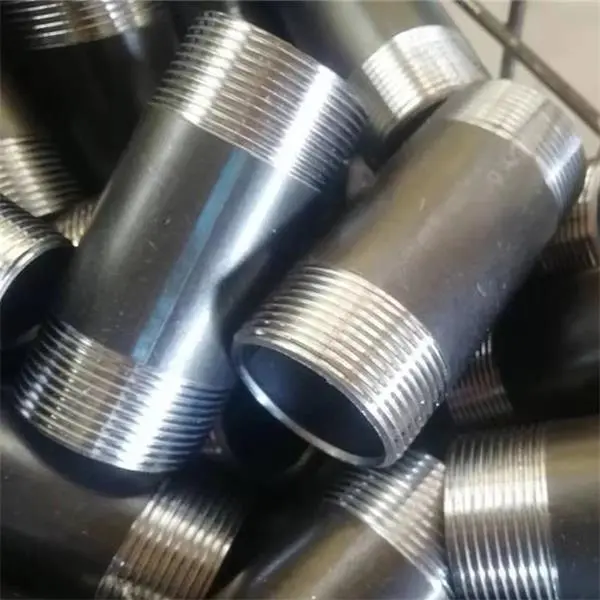
In the heavy industry sector, particularly mining and forestry, the use of mild steel pipe remains a cornerstone. However, the extreme temperature fluctuations—ranging from -30°C in winter to +25°C in summer—require specific metallurgical treatments to prevent brittle fractures and thermal expansion failures.

Current infrastructure projects in Finnish municipalities are increasingly prioritizing steel water pipe systems that can be integrated with advanced geothermal heating networks, reflecting the national goal of carbon neutrality by 2035.
Evolution and Trajectory of Metal Tooling

From traditional forge-work to AI-driven precision manufacturing.

Market Development History

During the mid-20th century, Finland's metal tool industry focused on basic steel tubular structures primarily for the logging and shipbuilding industries, relying on standard carbon steel with minimal coating.

Between 1990 and 2010, the industry shifted toward specialized alloys. The introduction of cement-lining technology saw the rise of mild steel cement lined pipe to combat the acidic nature of regional soils and industrial wastewater, extending pipe lifespans by decades.

From 2015 to the present, there has been a transition toward "Industry 4.0," where additive manufacturing and CNC precision are used to create custom metal tools that meet the strict ISO and CEN standards required in the European Union.

Future Development Trends

Green Hydrogen Infrastructure

The rise of hydrogen energy in the Nordics will drive the demand for high-pressure, hydrogen-ready stainless steel components to prevent hydrogen embrittlement.

Smart Piping Systems

Integration of IoT sensors within piping walls to monitor flow rate and structural fatigue in real-time, reducing maintenance costs for municipal utilities.

Circular Metallurgy

A shift toward 100% recycled steel feedstock, utilizing electric arc furnaces (EAF) to lower the carbon footprint of every ton of steel produced.

Industry Trends and Future Outlook

Strategic forecasting for the Finnish metal products market.

Eco-Friendly Alloys
Adopting low-carbon steel grades to align with the EU Green Deal and Finland's strict emission laws.
Precision Automation
Using robotic welding and AI-driven quality control to eliminate human error in tool manufacturing.
Arctic Coating Tech
Development of advanced polymer and ceramic coatings to prevent frosting and corrosion in sub-zero climates.
Modular Assembly
Transitioning to pre-fabricated modular piping sections to reduce on-site installation time in harsh weather.

Industry Outlook

Google search trends indicate a growing interest in "carbon-neutral steel" and "smart infrastructure" across the Nordics. This suggests that Finnish procurement officers are shifting their focus from the lowest initial cost to the lowest total cost of ownership (TCO) over the product lifecycle.

Consequently, the market will favor suppliers who can provide comprehensive certification and traceability for their materials, ensuring that every component meets the high safety and environmental thresholds of the European market.

Localized Application Scenarios in Finland

Real-world deployments of high-grade metal tools and piping.

1. District Heating Networks in Helsinki

Implementing high-durability steel water pipe systems to transport heated water across urban areas, utilizing specialized insulation to prevent heat loss during Finnish winters.

2. Mining Operations in Lapland

Using mild steel cement lined pipe for slurry transport in gold and nickel mines, where the lining prevents abrasive wear and chemical corrosion.

3. Pharmaceutical Labs in Espoo

Installation of high-precision metric stainless steel tubing for the transport of sterile gases and fluids in biotech research facilities.

4. Shipbuilding in Turku

Utilizing heavy-duty steel tubular components for the structural framing and fluid transfer systems of ice-breaking vessels.

5. Pulp and Paper Mills in Tampere

Deploying corrosion-resistant mild steel pipe for industrial steam lines, ensuring stability under high pressure and humidity.

Brand Story

Global Development Journey of Hebei Geenn Trade Co., Ltd.

Foundational Excellence

Established as a specialized provider of industrial metal components, focusing on the rigorous quality standards of the heavy tool industry.

Technological Expansion

Integrated advanced coating and lining technologies to solve the critical pain point of corrosion in industrial piping systems.

European Market Entry

Successfully expanded into the EU market, adapting products to meet CE certifications and the specific climatic needs of Nordic regions.

Sustainability Pivot

Launched a series of eco-friendly steel product lines, reducing carbon intensity to support the global transition to green energy.

Global Leadership

Now a trusted partner for large-scale infrastructure projects worldwide, known for solving the most complex metal tooling challenges.

Common Industrial Questions in Finland

Technical insights for procurement and engineering teams.

How does mild steel cement lined pipe handle extreme freeze-thaw cycles?

The cement lining provides a buffer that reduces the direct impact of thermal contraction on the steel wall, while the lining's alkalinity prevents internal corrosion caused by condensation during temperature shifts.

What are the benefits of using metric stainless steel tubing for Finnish biotech labs?

Metric sizing ensures seamless compatibility with European laboratory equipment, while the stainless steel composition prevents contamination and resists aggressive cleaning agents.

Which steel water pipe grade is recommended for municipal networks in Northern Finland?

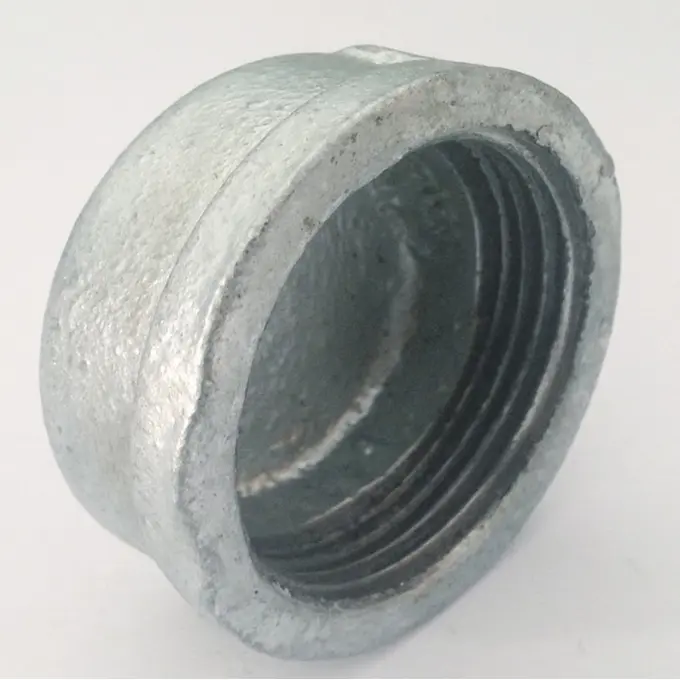
We recommend low-temperature impact-tested carbon steel or galvanized steel with external epoxy coatings to prevent soil-borne corrosion in acidic peatlands.

Can mild steel pipe be customized for high-pressure steam in paper mills?

Yes, we provide seamless mild steel pipes with specific wall thickness calculations to handle high-pressure steam and thermal stress common in the pulp and paper industry.

What is the lifespan of a steel tubular structure used in arctic shipbuilding?

With proper marine-grade coatings and cathodic protection, our steel tubular structures are designed to last 25-30 years even in the abrasive environment of the Baltic Sea.

Do your products comply with EU sustainability and REACH regulations?

Absolutely. All our metal tools and pipes are manufactured in compliance with EU REACH and RoHS standards, ensuring no hazardous substances are used in the production process.

Consult Our Finland Engineering Experts

Get a customized technical proposal for your project in Finland. Our team is ready to help you optimize your industrial piping and tooling systems.

Contact Us Now
Copyright © 2026 Hebei Gain Trading Co.,Ltd . All Rights Reserved. Sitemap | Privacy Policy | Top Blog | Global Service

If you are interested in our products, you can choose to leave your information here, and we will be in touch with you shortly.