
Forged High Pressure Pipe Fittings | ASME, Leak-Tight
Forged High Pressure Pipe Fittings, 3000lbs: field notes from the plant floor
If you’ve spent time in refineries or power stations, you know the small parts tend to decide the big outcomes. To be honest, elbows and tees rarely get headlines—until they leak. This is why I keep circling back to Forged High Pressure Pipe Fittings when discussing uptime, especially for skids and tight-radius runs where welded solutions are overkill or too slow.
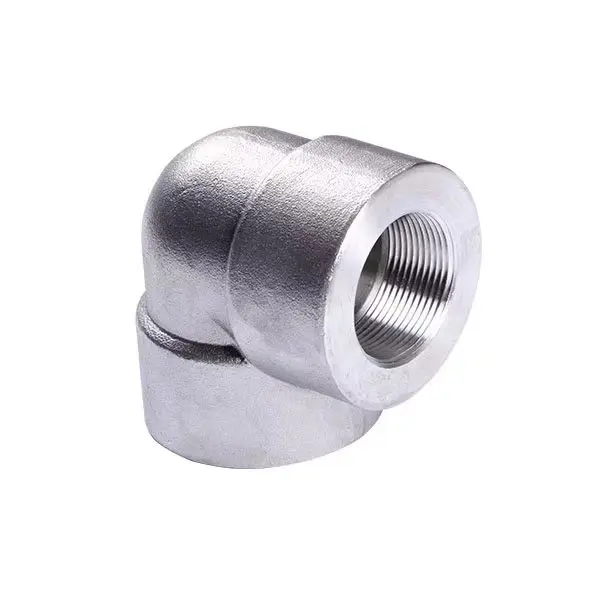
What’s on the bench: quick specs
Origin: Malleable Iron Zone, Shijiazhuang, Hebei, China. The catalog piece here is a 90° elbow, but the line covers tees, couplings, caps, unions, and more.
| Parameter | Spec (≈, real-world use may vary) |
|---|---|
| Pressure class | 2000LB / 3000LB / 6000LB |
| Sizes | 1/8″–4″ |
| Materials | ASTM A105 (carbon steel), SS304L/SS316L (ASTM A182) |
| Threads | NPT, BSP (per ASME B1.20.1 / ISO 7-1) |
| Dimensional standard | ASME B16.11 |
| Temperature window | around −29°C to 425°C (material-dependent) |
Process flow and testing (the practical bits)
- Materials: billet selection (A105, 304L/316L) with PMI; heat charts traceable EN 10204 3.1.
- Methods: closed-die forging → CNC machining of threads/sealing faces → passivation (SS) or rust-inhibiting oil (CS).
- NDT: MT/PT on critical zones; optional UT per ASTM A388.
- Pressure tests: hydro test typically up to 1.5× design; pneumatic on request (safety caveats apply).
- Standards: ASME B16.11, ASTM A105/A182, NACE MR0175/ISO 15156 for sour service when specified.
- Service life: ≈15–25 years in clean hydrocarbons; shorter in chlorides unless 316L or upgrades are used.
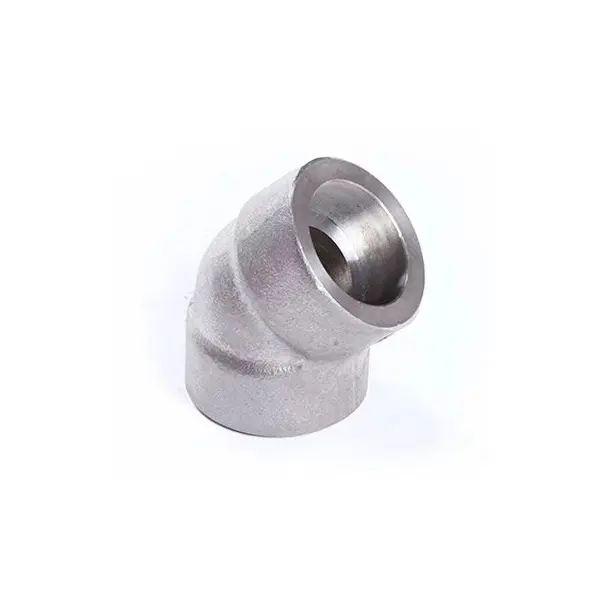
Where they actually shine
Refining and petrochem, boiler feedwater lines, offshore topsides, hydrogen pilot units, utility skids, and tight mechanical rooms. Many customers say they choose Forged High Pressure Pipe Fittings for compact strength and faster maintenance compared with welding in cramped spaces.
Advantages: smaller envelope, high fatigue resistance, easier replacement, and thread compatibility across legacy assets. Downsides? Threaded joints demand careful sealant use and torque discipline—ask any night-shift fitter.
Vendor landscape (my take)
| Vendor type | Certs | Lead time | Traceability | Cost |
|---|---|---|---|---|
| Mill-direct (Hebei) | ISO 9001, ASME B16.11 compliance | ≈2–4 weeks | Heat/lot 3.1 | $ |
| EU boutique forge | ISO 9001, PED | ≈5–8 weeks | Full 3.2 on request | $$$ |
| Trading house (mixed) | Varies | Fast if in stock | Inconsistent | $$ |
Customization and documentation
Options include special threads, 100% UT, NACE-compliant MTRs, hardness control (e.g., ≤22 HRC for sour), and pre-assembled kits. Documentation packs typically include MTR 3.1, PMI, hydro test report, and torque guidelines. Actually, I’d push for thread gauge records if your QA is strict.
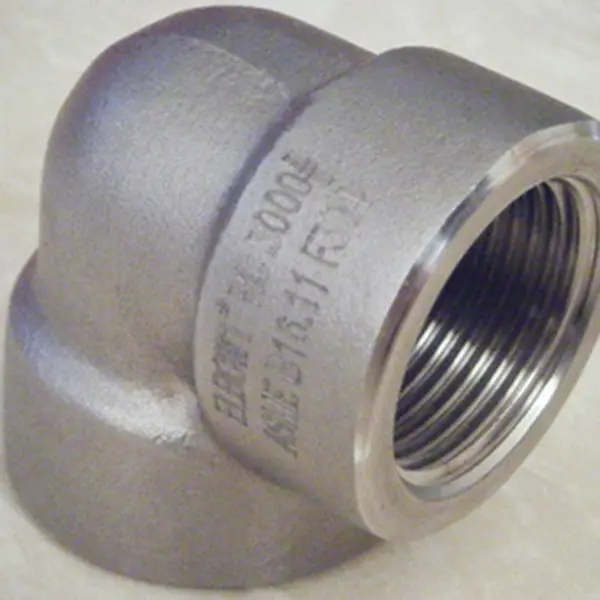
Mini case: turnaround success
A Southeast Asia refinery swapped 300+ 3000LB A105 elbows and couplings during a 7‑day outage. Hydro tests at 1.5× (per B31.3 guidance) passed first time, zero weeps. After six months, operators reported less vibration-related loosening than prior mixed-batch stock—probably tighter forging and thread tolerances. Not glamorous, but it kept the FCCU online.
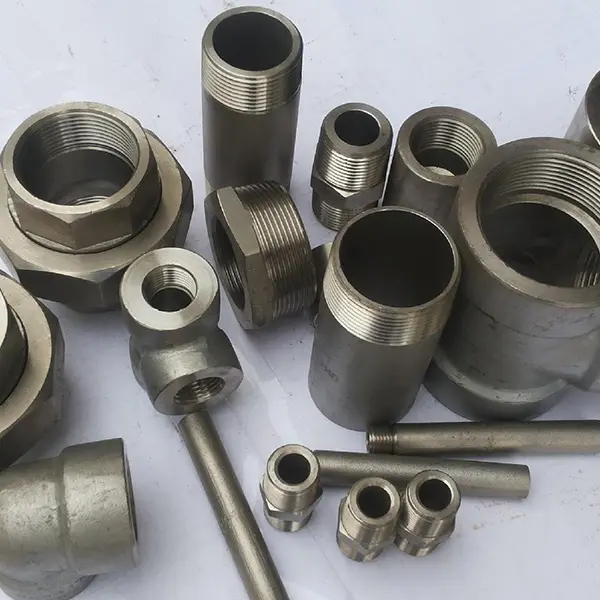
Trends to watch
- More sour-service specs (NACE) as feeds get tougher.
- Traceable digital MTRs and QR-coded heat numbers.
- Hydrogen service reviews—316L and A105 with strict hardness control.
References
- ASME B16.11 – Forged Fittings, Socket-Welding and Threaded.
- ASTM A105/A105M – Carbon Steel Forgings for Piping Applications.
- ASTM A182/A182M – Forged or Rolled Alloy-Stainless Steel Pipe Flanges, Fittings.
- NACE MR0175/ISO 15156 – Materials for use in H2S-containing environments.
- ASME B31.3 – Process Piping (pressure test guidance).
- ISO 9001 – Quality management systems (supplier certification).