
Premium Galvanized Hex Nipple - Durable & Rustproof Fittings
In the complex world of industrial piping systems, the integrity and reliability of every component are paramount. From vast petrochemical complexes to municipal water treatment facilities, the performance of individual fittings directly impacts overall system efficiency and safety. Among the array of crucial pipe connectors, the galvanized hex nipple stands out as a fundamental, robust, and indispensable element. This article delves into its technical specifications, manufacturing precision, diverse applications, and strategic advantages, providing a comprehensive guide for B2B decision-makers and engineering professionals.
The Indispensable Role of Galvanized Hex Nipple in Modern Industrial Systems: Industry Trends and Market Demands
Modern industrial infrastructure demands components that offer unparalleled durability, corrosion resistance, and operational longevity. The market for pipe fittings, particularly those designed for challenging environments, is witnessing sustained growth driven by global urbanization, industrial expansion, and the need for robust utility networks. The galvanized hex nipple, along with related components such as the galvanized elbow and galvanized close nipple, plays a critical role in this evolving landscape.
Current industry trends highlight an increased emphasis on sustainable, low-maintenance solutions that reduce lifecycle costs. Hot-dip galvanization addresses this by providing a sacrificial barrier against rust and wear, significantly extending the service life of fittings. This makes galvanized fittings highly sought after in sectors such as water distribution, fire protection systems, agricultural irrigation, and general industrial plumbing where exposure to moisture and corrosive agents is common. The demand for standardized, high-quality fittings that comply with international specifications (e.g., ISO, ANSI, BS) is also at an all-time high, driven by stricter safety regulations and the global nature of supply chains.
Moreover, the push for energy efficiency in industrial operations subtly benefits from reliable, leak-proof pipe connections. A well-sealed system, facilitated by quality fittings like the galvanized hex nipple, minimizes energy loss from fluid transfer and reduces the frequency of maintenance, thereby contributing to operational savings. This holistic approach to system design underscores the enduring relevance and continued innovation in the pipe fitting industry.
Technical Specifications and Engineering Precision of the Galvanized Hex Nipple
The galvanized hex nipple is engineered for robust performance, typically manufactured from malleable iron, a material celebrated for its excellent machinability, shock resistance, and ability to be cast into complex shapes. The subsequent hot-dip galvanization process provides superior corrosion protection, making it ideal for a multitude of demanding applications. Understanding its core specifications is crucial for proper system design and installation.
Key Material and Dimensional Parameters:
- Material Composition: Malleable Iron (ASTM A197/A153 for galvanization). Contains specific carbon, silicon, manganese, sulfur, and phosphorus content to achieve optimal mechanical properties.
- Galvanization Standard: Hot-dip galvanized in accordance with ASTM A153/A123 or ISO 1461, ensuring a minimum average coating thickness of 70 microns (typically 70-100 microns). This zinc layer acts as a sacrificial anode, protecting the underlying iron.
- Thread Specifications: Available with NPT (National Pipe Taper, ANSI B1.20.1), BSPT (British Standard Pipe Taper, BS 21), or BSPP (British Standard Parallel Pipe, BS 2779) threads, ensuring compatibility with global piping standards. Precision CNC machining of threads guarantees leak-tight connections.
- Pressure Ratings: Typically rated for working pressures up to 150 PSI (10 bar) or higher, depending on size and application. Burst pressure significantly exceeds working pressure for safety.
- Temperature Range: Suitable for temperatures ranging from -20°C to +200°C (-4°F to +392°F), making them versatile for various fluid and gas transfer systems.
- Sizes: Commonly available from 1/8 inch (DN6) to 6 inches (DN150), with specific lengths and configurations based on hex nipple type (e.g., standard, close, long).
Product Specification Table: Malleable Iron Pipe Fitting, Galvanized Hex Nipple (Typical)
| Parameter | Specification |
|---|---|
| Material | Malleable Iron, ASTM A197 |
| Surface Treatment | Hot-Dip Galvanized, ASTM A153/ISO 1461 |
| Zinc Coating Thickness | ≥70 microns (average) |
| Thread Standard | ANSI B1.20.1 (NPT), BS 21 (BSPT), BS 2779 (BSPP) |
| Nominal Pressure (PN) | PN10 / 150 PSI (10 Bar) |
| Max. Working Temperature | 200°C (392°F) |
| Applicable Medium | Water, Oil, Gas, Steam, Air |
| Standards Compliance | ISO 49, EN 10242, ANSI/ASME B16.3, BS 143/1256 |
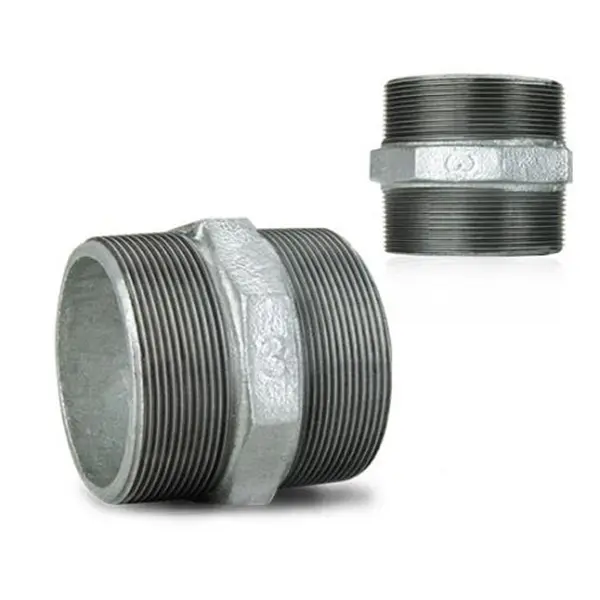
Figure 1: Assortment of Galvanized Iron Fittings, including a galvanized hex nipple.
Manufacturing Excellence: The Production Process of the Galvanized Hex Nipple
The superior performance of a galvanized hex nipple is a direct result of a meticulously controlled manufacturing process, combining traditional metallurgical expertise with modern precision engineering. Each step is critical to ensuring the fitting meets stringent quality and performance standards.
Detailed Process Flow:
- Raw Material Selection: High-grade pig iron, steel scrap, and ferroalloys are carefully selected. Malleable iron, characterized by its ductility and strength, is preferred for its ability to withstand galvanization without becoming brittle. Material chemical composition is verified through spectrographic analysis.
- Melting and Casting: Raw materials are melted in induction furnaces to precise temperatures (typically around 1500°C). The molten iron is then poured into sand molds, creating the rough malleable iron hex nipple castings. Advanced casting techniques ensure uniform density and minimal defects.
- Annealing (Malleabilization): The cast iron components undergo a critical heat treatment process known as annealing. This involves heating the castings to high temperatures (e.g., 900-950°C) and then slowly cooling them over several hours or days. This transforms the brittle white iron into ductile malleable iron, improving its mechanical properties like elongation and impact resistance.
- Machining and Threading: After annealing, the cooled castings are transferred to advanced CNC machining centers. Here, precision tools remove excess material, create the hexagonal body for wrenching, and cut the internal or external pipe threads (NPT, BSPT, BSPP) to exact dimensions and tolerances as per ANSI B1.20.1 or BS 21 standards. This ensures tight, leak-proof connections.
- Surface Preparation (Cleaning): Prior to galvanization, the fittings undergo a thorough cleaning process. This typically involves degreasing to remove oils and greases, followed by acid pickling to remove rust and scale. Finally, a flux solution is applied to prepare the surface for optimal zinc adhesion.
- Hot-Dip Galvanization: The cleaned fittings are immersed in a bath of molten zinc at approximately 450°C (840°F). The iron metallurgically reacts with the molten zinc to form a series of zinc-iron alloy layers, followed by an outer layer of pure zinc. This process creates a robust, uniform, and adherent coating that provides cathodic protection against corrosion. The thickness of this coating is strictly controlled to meet ISO 1461 or ASTM A153 specifications, typically achieving an average thickness of 70-100 microns.
- Post-Galvanization Inspection and Finishing: After galvanization, excess zinc is removed, and the threads are cleaned (re-tapped if necessary) to ensure proper fit. Each fitting undergoes rigorous quality control, including:
- Visual Inspection: Checking for surface defects, uniform coating, and proper hexagonal shape.
- Thread Gauging: Using 'Go' and 'No-Go' gauges to verify thread accuracy.
- Coating Thickness Measurement: Non-destructive testing using magnetic induction or eddy current methods.
- Adhesion Test: Hammer tests or bending tests to ensure zinc coating is firmly adhered.
- Pressure Testing: Batch testing to ensure fittings can withstand specified working and burst pressures.
- Packaging: Finished and inspected fittings are carefully packaged to prevent damage during transit, often in crates, cartons, or pallets, ready for shipment.
This comprehensive process ensures that each galvanized hex nipple delivers exceptional corrosion resistance, mechanical strength, and a significantly extended service life in demanding industrial environments. Adherence to international standards like ISO 49, EN 10242, and ANSI/ASME B16.3 guarantees interoperability and reliability.
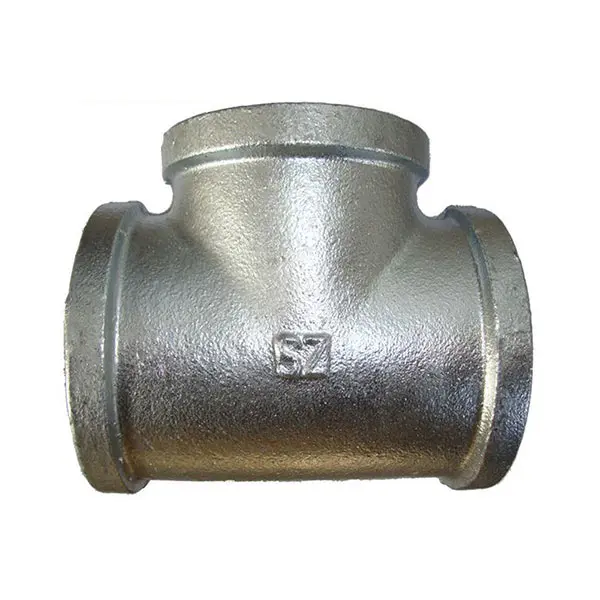
Figure 2: Galvanized Tee Fitting, sharing similar manufacturing and galvanization processes with the galvanized hex nipple.
Diverse Application Scenarios and Key Advantages of the Galvanized Hex Nipple
The inherent robustness and corrosion resistance of the galvanized hex nipple make it a versatile component across a wide array of industries and applications. Its ability to create secure, leak-proof connections in environments prone to moisture, chemicals, and temperature fluctuations is invaluable.
Target Industries and Typical Application Scenarios:
- Petrochemical and Chemical Processing: Used in non-critical utility lines for water, compressed air, and low-pressure steam where resistance to ambient corrosive elements is needed. They provide reliable connections for cooling water systems and general service lines.
- Metallurgy and Mining: Essential in water supply and drainage systems, dust suppression, and general utility piping where fittings are exposed to harsh, abrasive, and often wet conditions. Their durability withstands the rigors of these heavy industries.
- Water Supply & Drainage Systems: A cornerstone component for municipal water infrastructure, industrial water treatment plants, and domestic plumbing. The galvanization prevents rust and contamination, ensuring long-term integrity of water distribution. Also critical for connecting components like galvanized elbow for directional changes.
- HVAC and Fire Protection Systems: Widely deployed in heating, ventilation, and air conditioning systems for water and refrigerant lines, as well as in critical fire sprinkler systems where reliability and corrosion resistance are non-negotiable for system functionality and compliance.
- Agricultural Irrigation: In agricultural settings, these fittings connect pipes in irrigation systems, resisting corrosion from soil moisture, fertilizers, and pesticides, ensuring consistent water delivery.
- Oil & Gas (Downstream): Used in non-process utility lines, such as water and instrument air lines within refineries and processing plants, benefiting from their robust construction in corrosive outdoor environments.
Technical Advantages:
- Superior Corrosion Resistance: The hot-dip galvanized coating provides a metallurgical bond between iron and zinc, offering both barrier and cathodic protection. This prevents rust even if the coating is scratched, significantly extending the service life compared to bare iron fittings. Data shows galvanized coatings can last 50+ years in many environments.
- Exceptional Durability and Longevity: Malleable iron itself is tough and resistant to impact, while the galvanization process enhances its resilience against environmental stressors, leading to reduced replacement frequency and lower maintenance costs over the system's lifecycle.
- Cost-Effectiveness: While the initial cost may be slightly higher than ungalvanized alternatives, the extended service life and minimal maintenance requirements result in a significantly lower total cost of ownership (TCO). This aligns with long-term capital expenditure planning for industrial projects.
- Ease of Installation and Versatility: The hexagonal body allows for easy wrench tightening, facilitating quick and secure installation. Standardized threading (NPT, BSPT) ensures broad compatibility with existing piping systems and other fittings, including galvanized close nipple for tight connections.
- Energy Saving through System Integrity: By creating reliable, leak-proof connections, galvanized fittings contribute to the overall efficiency of fluid transfer systems. Reduced leaks mean less energy is expended by pumps and compressors, leading to tangible energy savings and lower operational overheads.
- Environmental Compliance: The longevity and recyclability of galvanized steel and iron products contribute to sustainable construction practices, reducing waste and the demand for new raw materials over time.
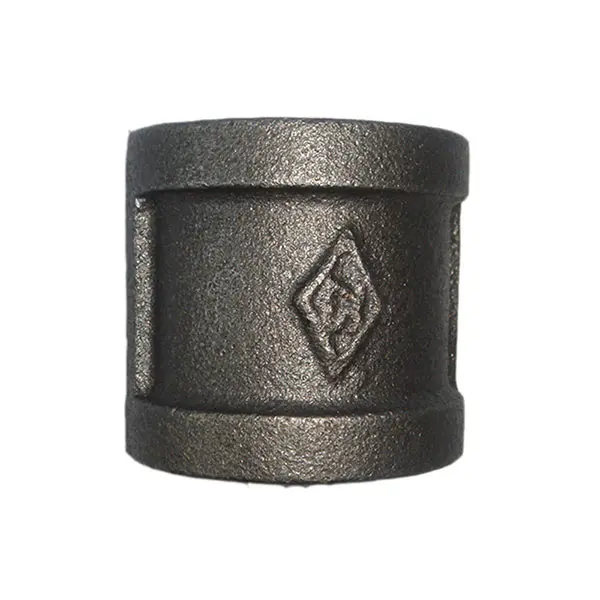
Figure 3: Galvanized Socket, showcasing the durable finish shared with the galvanized hex nipple for robust connections.
Vendor Comparison and Strategic Partnership for Galvanized Hex Nipple Supply
Selecting the right supplier for galvanized hex nipple and other pipe fittings is a strategic decision that impacts project timelines, costs, and long-term system reliability. A thorough vendor comparison goes beyond mere price points to evaluate comprehensive value.
Key Criteria for Vendor Evaluation:
- Quality Certifications: Look for ISO 9001 certified manufacturers, demonstrating commitment to quality management systems. Product-specific certifications (e.g., CE, UL, FM approvals for fire protection) are also crucial.
- Manufacturing Capabilities: Assess the vendor's production capacity, technological advancements (e.g., CNC machining, automated galvanization lines), and ability to meet large-volume or specialized orders.
- Material Traceability: A reputable vendor provides full traceability of raw materials and manufacturing batches, ensuring quality consistency and facilitating recalls if necessary.
- Technical Support and Expertise: Access to experienced engineers and technical support staff for pre-sales consultation, design assistance, and post-sales troubleshooting.
- Supply Chain Reliability: Evaluate lead times, logistics capabilities, inventory management, and ability to handle global shipping. A robust supply chain minimizes project delays.
- Customization Options: The ability to provide bespoke solutions for unique project requirements, such as specific lengths, non-standard threads, or enhanced coating specifications.
- After-Sales Service and Warranty: Clear warranty terms, responsive customer service, and readily available spare parts or replacements are indicative of a reliable partner.
Product/Vendor Comparison Table (Illustrative)
| Feature/Criterion | Vendor A (Premium) | Vendor B (Standard) | Vendor C (Budget) |
|---|---|---|---|
| Quality Certifications | ISO 9001, CE, UL/FM, WRAS | ISO 9001, CE | ISO 9001 |
| Galvanization Standard | ASTM A153 Class B, ISO 1461 | ASTM A153 Class C | Meets internal standard |
| Zinc Coating Thickness | ≥70 microns (average) | ≥55 microns (average) | ≥40 microns (average) |
| Thread Precision | Class A (CNC machined) | Class B | Standard |
| Warranty Period | 5 years | 2 years | 1 year |
| Customization | Full (material, length, coating) | Limited (length) | None |
| Lead Time (Standard Items) | 2-4 weeks | 4-6 weeks | 6-8 weeks |
Choosing a reputable vendor with proven adherence to international standards and comprehensive support services ensures not just product quality but also the smooth execution and long-term success of your projects.
Customized Solutions and Application Case Studies
While standard galvanized hex nipple products meet a broad range of needs, many complex industrial projects require tailor-made solutions. Leading manufacturers offer extensive customization capabilities, ensuring that specific design parameters and operational demands are met with precision engineering. This can include specialized lengths, unique threading, or specific coating thicknesses for extremely corrosive environments.
Application Case Studies:
- Case Study 1: Municipal Water Treatment Plant Upgrade
A large municipal water treatment facility in the coastal region faced persistent corrosion issues with their existing mild steel utility piping, leading to frequent leaks and costly maintenance. They partnered with a manufacturer to replace thousands of fittings with hot-dip galvanized hex nipple, galvanized elbow, and other components. The high-grade galvanization, with an average coating thickness of 80 microns, was critical for resisting the humid, saline environment. Post-installation, the plant reported a 90% reduction in pipe fitting related maintenance costs and a projected service life extension of over 30 years for the overhauled sections. The client praised the manufacturer's ability to supply customized lengths of nipples to perfectly fit pre-existing pipe runs, minimizing on-site modifications.
- Case Study 2: Industrial HVAC System for a Data Center
A new hyperscale data center required an exceptionally reliable HVAC system to maintain precise temperature and humidity. The cooling water lines, though not carrying corrosive media, needed fittings that would guarantee absolute leak integrity and minimal risk of failure over decades. The project specified 150 PSI-rated galvanized hex nipple fittings, with a stringent requirement for 100% thread gauging verification. The chosen supplier provided a batch with enhanced quality control protocols, including individual pressure testing of each fitting, exceeding standard industry practice. This ensured maximum peace of mind for the client, whose operations depended entirely on uninterrupted cooling. Feedback indicated seamless integration and zero reported leaks since commissioning, emphasizing the value of superior manufacturing precision.
- Case Study 3: Agricultural Irrigation System Expansion
A large-scale agricultural enterprise in a region with highly mineralized water sought to expand its irrigation network. Previous systems suffered from rapid internal scaling and external corrosion due to aggressive soil conditions and water chemistry. The solution involved using galvanized fittings, including a high volume of galvanized close nipple and standard hex nipples. The anti-corrosive properties of the galvanization proved effective in both protecting against external soil corrosion and inhibiting internal scaling by providing a smoother, less reactive surface compared to bare iron. The farmers observed a significant improvement in water flow consistency and a substantial reduction in the need for pipe segment replacements, leading to enhanced crop yields and operational efficiency.
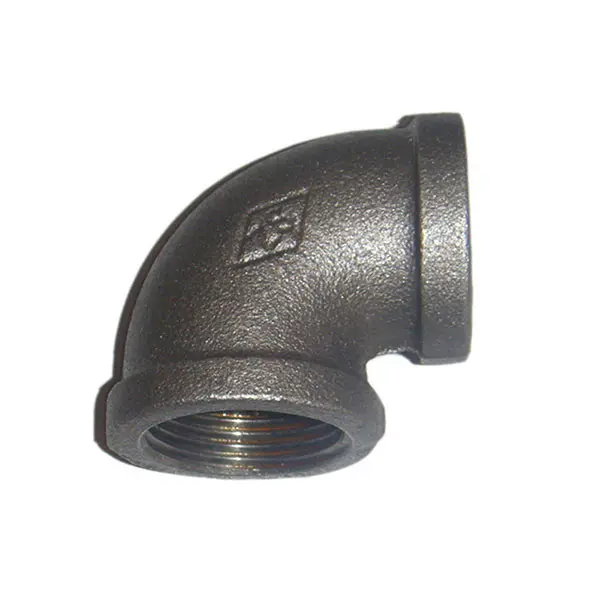
Figure 4: A Galvanized Elbow, illustrating the robust construction and finish characteristic of quality galvanized fittings, including the galvanized hex nipple.
Trust and Reliability: Your Partner in Pipe Fittings
Choosing a supplier for industrial pipe fittings, such as the galvanized hex nipple, demands confidence in their capability, adherence to standards, and unwavering support. Our commitment to expertise, authoritativeness, and trustworthiness underpins every product and service we offer.
Our Authoritative Standing:
- Certifications and Compliance: We are proud to hold ISO 9001:2015 certification for our quality management systems, ensuring consistent product excellence. Our fittings comply with international standards including ANSI/ASME B16.3, BS 143 & 1256, EN 10242, and ISO 49, as evidenced by regular third-party audits.
- Years of Service and Expertise: With decades of experience in the pipe fitting industry, we have cultivated deep technical knowledge and manufacturing prowess, serving a diverse global clientele including major contractors and industrial players.
- Trusted Partner Network: Our extensive network of long-standing client partnerships in petrochemical, water infrastructure, and HVAC sectors attests to our reliability and product performance.
- Rigorous Testing Protocols: Every batch undergoes comprehensive testing, including hydrostatic pressure tests, material composition analysis, thread gauging, and galvanization coating thickness verification, ensuring adherence to published specifications.
Warranty Commitments:
We stand behind the quality of our Malleable Iron Pipe Fittings, including the galvanized hex nipple, with a standard 5-year limited warranty against manufacturing defects and material failures under normal operating conditions. Extended warranty options are available for specific project requirements, reflecting our confidence in our product's longevity and performance.
Lead Time & Fulfillment Details:
For standard stock items, typical lead times range from 2 to 4 weeks, depending on order volume and destination. Custom or large-volume orders are subject to a detailed production schedule provided at the time of quotation, with full transparency on lead times. Our robust logistics network ensures efficient global delivery, facilitating timely project completion for our partners.
Customer Support Information:
Our dedicated customer support team and technical engineers are available to assist with product selection, technical inquiries, installation guidance, and after-sales service. We offer comprehensive support to ensure optimal product integration and performance throughout its lifecycle. For immediate assistance, please visit our website or contact our sales and technical support departments.
Frequently Asked Questions (FAQ)
Q1: What is the primary difference between hot-dip galvanized and electro-galvanized fittings?
A1: Hot-dip galvanization involves immersing the fitting in molten zinc, creating a metallurgical bond and a significantly thicker, more durable zinc-iron alloy coating (typically 70-100 microns). This provides superior long-term corrosion protection. Electro-galvanization (or electroplating) uses an electrochemical process to apply a much thinner zinc layer (typically 5-25 microns), which offers less robust and shorter-lived corrosion resistance. For industrial applications requiring longevity and resistance in harsh environments, hot-dip galvanized fittings like the galvanized hex nipple are highly preferred.
Q2: How do I ensure proper installation of a galvanized hex nipple?
A2: Proper installation requires clean, correctly threaded pipe ends. Apply an appropriate thread sealant (e.g., PTFE tape or pipe thread compound) to the male threads to ensure a leak-proof seal. Use a pipe wrench on the hexagonal body of the nipple, ensuring not to over-tighten, which can damage threads or crack the fitting. Always refer to relevant industry standards (e.g., ASME B31.1, B31.3) and manufacturer guidelines for best practices.
Q3: What are the pressure and temperature limitations for these fittings?
A3: Our standard malleable iron galvanized fittings are typically rated for a maximum working pressure of 150 PSI (10 bar) and can withstand temperatures up to 200°C (392°F). It is crucial to verify the specific pressure and temperature ratings for each product in its technical data sheet, as these may vary slightly with fitting size and specific application requirements. Always ensure the fitting's rating meets or exceeds the system's operational parameters.
Q4: Can these fittings be used with potable water systems?
A4: Yes, hot-dip galvanized malleable iron fittings are widely used in potable water systems. The zinc coating is considered safe for drinking water. However, it is essential to ensure that the fittings comply with local regulations and certifications for potable water contact (e.g., NSF/ANSI 61 in North America, WRAS in the UK, ACS in France) if explicitly required for your project. Always confirm with the manufacturer or relevant certification bodies.
Q5: What maintenance is required for galvanized fittings?
A5: One of the key advantages of galvanized fittings is their low maintenance requirement. The robust zinc coating provides long-lasting protection. Periodic visual inspection for any signs of physical damage or severe corrosion is recommended, especially in harsh environments. If minor damage to the zinc coating occurs, it can often be repaired with zinc-rich paint. However, in properly designed and installed systems, extensive maintenance specific to the fittings themselves is rarely needed.
References:
- American Society for Testing and Materials (ASTM) Standards A153/A153M, A197/A197M, B1.20.1.
- International Organization for Standardization (ISO) Standards 49:1994, 1461:2009.
- British Standards (BS) 21:1985, 143:2000, 1256:2000, 2779:1986.
- European Standard EN 10242:1994, Malleable cast iron threaded pipe fittings.
- American Society of Mechanical Engineers (ASME) Standard B16.3-2016, Malleable Iron Threaded Fittings.
- Galvanizers Association, Technical Notes on Hot Dip Galvanizing.