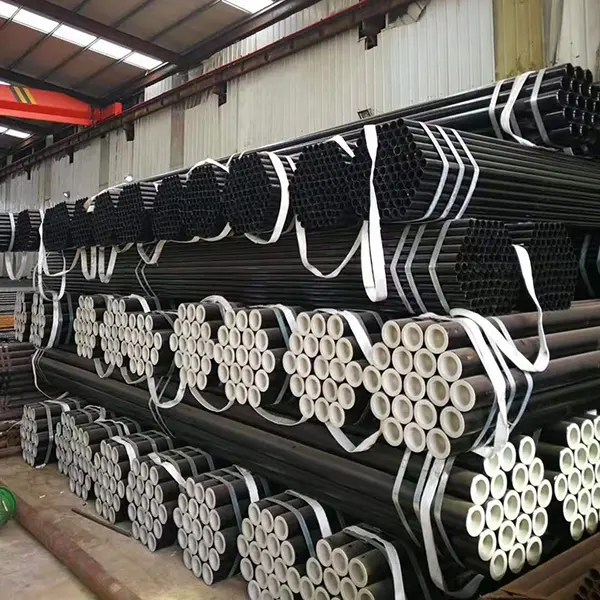
Premium Steel Tubular Solutions for New Zealand Infrastructure

Providing high-performance metal piping systems engineered for New Zealand's unique geological and climatic demands.

Premium Steel Tubular Solutions for New Zealand Infrastructure

Expertly manufactured metal tools and piping components designed to withstand the corrosive coastal environments and seismic activities of the Oceania region.

Industrial Piping Landscape in New Zealand

Analyzing the survival and demand of metal tool manufacturing in the NZ market.

New Zealand's industrial sector is characterized by a strong emphasis on agriculture and geothermal energy. The high salinity of coastal air makes the demand for metric stainless steel tubing critical for long-term durability in dairy processing and maritime infrastructure.

In urban water management, the reliance on steel water pipe remains high, though there is a shifting preference toward materials that can handle the ground shifts associated with the country's active fault lines.

The local market for mild steel pipe is heavily influenced by the construction sector's need for cost-effective, structural strength in rural fencing and basic utility layouts across the North and South Islands.
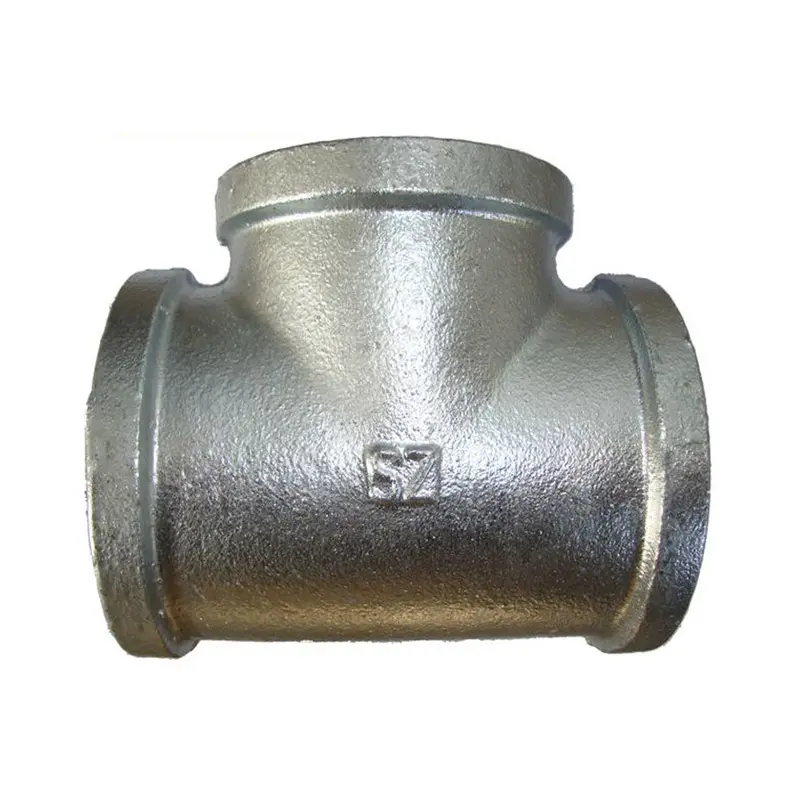
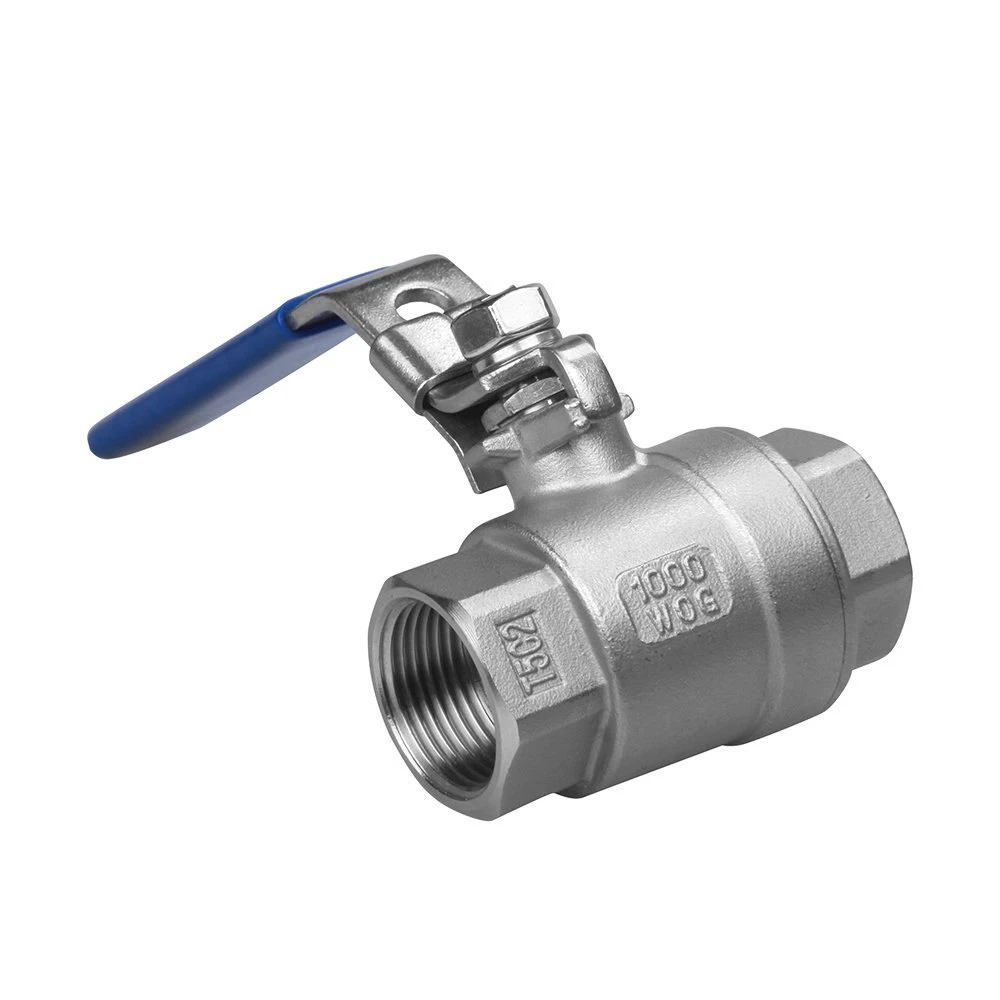
Evolution of Metal Tooling and Piping Technology

From traditional fabrication to precision-engineered industrial components.

Market Development History

In the early 20th century, NZ relied on basic forged iron and early mild steel pipe for primary water distribution, focusing on manual welding and heavy-wall thickness for durability.

By the 1980s, the transition toward precision metallurgy led to the adoption of metric stainless steel tubing, enabling the growth of the high-tech food and beverage export industry.

Entering the 2010s, specialized lining technologies emerged, where mild steel cement lined pipe became the standard for sewage and aggressive water transport to prevent internal corrosion.

Future Development Trends

Smart Monitoring Integration

The integration of IoT sensors into steel tubular systems to monitor leakages and structural integrity in real-time across remote terrains.

Eco-Friendly Metallurgy

A shift toward "Green Steel" and recyclable alloys to align with New Zealand's strict carbon-neutral goals by 2050.

Advanced Nano-Coatings

Replacing traditional cement lining with nano-ceramic layers to enhance the flow efficiency and lifespan of water transport systems.

Industry Trends and Future Outlook

Strategic directions for metal tool and pipe manufacturing in Oceania.

Seismic Resilience
Developing flexible joints for tubular systems to withstand New Zealand's tectonic movements.
Corrosion Control
Advanced galvanization and lining to combat the high-humidity and saline oceanic climate.
Precision Automation
Utilizing CNC and automated laser cutting for custom metal tools and tube fittings.
Modular Design
Standardizing components to reduce installation time in rural NZ construction sites.

Industry Outlook

Search trends indicate a growing demand for sustainable infrastructure in New Zealand. The shift toward mild steel cement lined pipe for wastewater treatment is accelerating as municipal governments modernize aging grids.

Over the next 3-5 years, the intersection of metallurgy and environmental science will drive the market, favoring manufacturers who provide certified low-emission steel and high-durability tubular solutions.

Local Application Scenarios in New Zealand

Real-world deployment of high-strength metal tools and piping.

1. Dairy Processing Plants (Waikato Region)

Using metric stainless steel tubing for hygienic milk transport and cleaning-in-place (CIP) systems to meet strict food safety standards.

2. Municipal Water Grids (Auckland City)

Implementing high-grade steel water pipe for main arterial lines to ensure stable water pressure and leak prevention.

3. Geothermal Power Plants (Taupō)

Utilizing specialized steel tubular components capable of withstanding high temperature and corrosive volcanic gases.

4. Coastal Wastewater Systems (Christchurch)

Installing mild steel cement lined pipe to protect against the corrosive nature of sewage and saltwater intrusion.

5. Rural Agricultural Fencing (Canterbury Plains)

Applying galvanized mild steel pipe for durable, weather-resistant livestock containment systems.

Brand Story

Global Development History of Hebei Geen Trade Co., Ltd.

Foundational Excellence

Established with a mission to bridge the gap between raw metallurgy and precision engineering, focusing on high-strength steel components.

Technological Expansion

Invested in advanced production lines for seamless tubing, enabling the delivery of high-precision metric specifications for global markets.

Global Quality Certification

Achieved international standards for metallurgy, ensuring every pipe and tool meets rigorous safety and durability benchmarks.

Oceania Market Entry

Strategically expanded into New Zealand, providing customized solutions for the agriculture and geothermal energy sectors.

Sustainable Future

Currently leading the transition toward eco-friendly steel manufacturing to support a greener planet and sustainable industry.

Complete Product Portfolio for New Zealand

A comprehensive range of metal tools and piping for every industrial need.

New Zealand Industrial Piping FAQ

Answers to common technical queries from the Oceania metal tools market.

Which grade of metric stainless steel tubing is best for NZ dairy plants?

Grade 316L is highly recommended for New Zealand dairy plants due to its superior resistance to chlorides and organic acids found in milk processing.

How does mild steel cement lined pipe prevent corrosion in sewer systems?

The centrifugal cement lining provides a high-pH alkaline environment that neutralizes acidic gases and prevents the steel from direct contact with corrosive effluents.

Can steel water pipe withstand seismic activities in the South Island?

Yes, when combined with flexible couplings and engineered bedding, high-grade steel water pipes offer the necessary ductility to withstand ground movement.

What are the advantages of using steel tubular structures for rural NZ fencing?

Steel tubular designs offer a superior strength-to-weight ratio and, when galvanized, provide lifelong durability against New Zealand's harsh outdoor elements.

Is mild steel pipe suitable for geothermal brine transport?

Standard mild steel is generally insufficient; however, specialized coated mild steel pipe or stainless alternatives are used depending on the salinity of the brine.

How do I specify metric vs imperial dimensions for stainless steel tubing?

We provide detailed specification charts. Simply select the metric (mm) outer diameter and wall thickness to ensure compatibility with ISO standards.

Get Expert Metal Tooling Advice

Contact our engineering team for customized piping and tooling solutions tailored for the New Zealand market.

Contact Us Now
Copyright © 2026 Hebei Gain Trading Co.,Ltd . All Rights Reserved. Sitemap | Privacy Policy | Top Blog | Global Service

If you are interested in our products, you can choose to leave your information here, and we will be in touch with you shortly.