
Pro PTFE Sealant Tape: Leak-Proof & Easy Thread Sealing
The Critical Role of PTFE Sealant Tape in Modern Industrial Sealing
In complex industrial environments, the integrity of fluid and gas transfer systems is paramount. Leaks, even minor ones, can lead to significant operational inefficiencies, safety hazards, environmental damage, and substantial financial losses. Polytetrafluoroethylene (PTFE) thread seal tape, commonly known as ptfe sealant tape, stands as a cornerstone in achieving robust and long-lasting seals for threaded pipe connections. Its unique chemical inertness, exceptional temperature resistance, and low friction coefficient make it an indispensable component across a multitude of critical applications. This comprehensive guide delves into the technical intricacies, application advantages, and market dynamics surrounding this vital industrial consumable, providing B2B decision-makers and engineering professionals with a deep understanding of its value proposition.
We will explore the meticulous manufacturing processes, adhere to stringent quality standards, and provide data-driven insights into its performance, underscoring why selecting a high-quality ptfe sealant tape is a strategic investment for operational reliability and compliance.
Manufacturing Process of High-Performance PTFE Sealant Tape
The production of high-quality ptfe seal tape is a highly specialized process, demanding precision and rigorous quality control at every stage. The superior performance characteristics of the final product are directly attributable to the purity of raw materials and the sophistication of the manufacturing methodology. This process ensures the material's inherent chemical inertness and mechanical properties are fully realized in a usable sealing medium.
1. Raw Material Sourcing and Preparation
The foundation of exceptional ptfe thread seal tape lies in the selection of virgin PTFE resin. Typically, fine-powdered PTFE resin, often produced via dispersion polymerization, is used for its superior film-forming capabilities. This resin is meticulously blended with a processing aid, such as petroleum naphtha or an equivalent, which acts as a lubricant and binder during the initial processing stages. The quality and consistency of this blend are critical for uniform tape properties.
2. Pre-forming and Billet Compaction
The blended PTFE mixture is then subjected to a pre-forming process, where it is compacted under significant pressure into a cylindrical billet. This stage is crucial for removing air and creating a dense, homogenous precursor material suitable for extrusion. The compaction pressure and duration are carefully controlled to prevent premature sintering or material degradation.
3. Extrusion into Thin Film
The compacted PTFE billet is then fed into a specialized ram extruder. Unlike melt extrusion for other polymers, PTFE is typically processed below its melting point, often through a paste extrusion method. The billet is forced through a precisely engineered die, which forms a continuous, thin film. The extrusion speed, temperature profile, and die design are optimized to produce a uniform film thickness and minimize internal stresses.
4. Calendering, Stretching, and Orientation
Following extrusion, the raw film undergoes calendering and bi-axial stretching. This multi-stage process involves passing the film between a series of heated rollers to further reduce its thickness, increase its density, and align the PTFE polymer chains. This molecular orientation significantly enhances the tape's tensile strength, toughness, and resistance to tearing, which are critical for effective sealing performance. The degree of stretching is a key determinant of the final tape's density and mechanical properties, directly impacting its ability to withstand pressure and maintain integrity.
5. Sintering and Processing Aid Removal
The stretched film then enters a high-temperature oven for sintering. During this phase, the processing aid is volatized and removed, and the PTFE particles coalesce and crystallize, forming a coherent, solid film. The precise temperature profile and duration of sintering are vital to achieve the desired degree of crystallinity and eliminate residual solvents, ensuring the final tape is pure and exhibits its characteristic inertness and thermal stability.
6. Slitting and Winding
Finally, the wide, sintered film is precision-slit into rolls of specified widths (e.g., 1/2", 3/4", 1") and wound onto plastic spools. Automated winding systems ensure consistent tension and neatly packaged rolls ready for industrial use.
Quality Control and Testing Standards
Throughout the manufacturing process, stringent quality control measures are implemented to ensure adherence to international standards. Key parameters tested include:
- Density (ASTM D792): Critical for determining the tape's sealing effectiveness and durability. Higher density generally correlates with superior performance.
- Tensile Strength and Elongation (ASTM D638): Measures the tape's ability to resist breaking under tension and its flexibility, crucial for conforming to thread contours.
- Thickness Uniformity (ASTM D374): Ensures consistent application and reliable sealing across the entire length of the tape.
- Chemical Resistance (ASTM D543): Confirms the tape's inertness to a wide range of industrial chemicals.
- Heat Aging (ASTM D573): Assesses long-term thermal stability and performance degradation over time.
- ISO 9001: Manufacturing facilities typically adhere to ISO 9001 quality management systems to guarantee consistent product quality and traceability.
The diligent application of these processes and standards results in ptfe sealant tape that offers exceptional service life, often extending for decades in petrochemical, metallurgy, and water supply & drainage applications, providing energy saving and unparalleled corrosion resistance benefits.
Technical Specifications and Performance Parameters
Understanding the precise technical specifications of ptfe thread seal tape is crucial for engineers and procurement specialists to ensure optimal material selection for specific industrial demands. These parameters define the tape's operational capabilities and predict its performance under various environmental and mechanical stresses.
| Parameter | Value/Description | Relevant Standard |
|---|---|---|
| Material Composition | 100% Virgin Polytetrafluoroethylene (PTFE) | - |
| Density (g/cm³) | 0.7 – 1.6 (Standard to High Density) | ASTM D792 |
| Tensile Strength (MPa) | ≥ 8 (Machine Direction) | ASTM D638 |
| Elongation at Break (%) | ≥ 50 | ASTM D638 |
| Service Temperature Range | -190°C to +260°C (-310°F to +500°F) | - |
| Chemical Compatibility | Excellent with most acids, bases, solvents, oils, and gases (exceptions: molten alkali metals, fluorine gas at elevated temps) | ASTM D543 |
| Maximum Pressure Rating | Up to 10,000 psi (689 bar) in specific applications (with proper thread engagement) | Manufacturer Dependent |
| Thickness Options | 0.075 mm (3 mil) to 0.1 mm (4 mil) | ASTM D374 |
| Width Options | 1/2" (12mm), 3/4" (19mm), 1" (25mm) and custom | - |
| Length Options | 10m, 12m, 20m, 50m and custom | - |
| Certifications | ISO 9001, potentially NSF, UL, CSA (product-specific) | - |
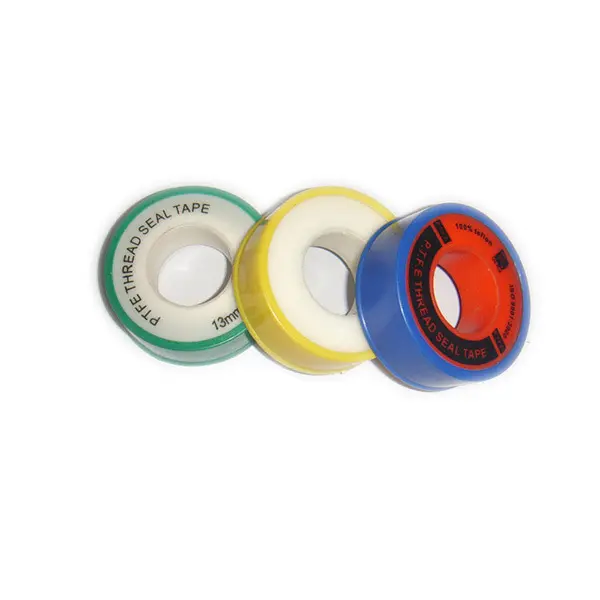
These specifications highlight the robust engineering behind PTFE tape, underscoring its suitability for extreme operating conditions where reliability cannot be compromised. The range of density, in particular, allows for tailored solutions, with higher density tapes providing enhanced sealing capabilities for critical, high-pressure, or vibration-prone applications.
Industry Trends and Market Demand for PTFE Sealant Tape
The global industrial sealants market, a segment in which ptfe sealant tape plays a critical role, is experiencing steady growth, driven by several macro-economic and regulatory factors. Valued at approximately USD 12.5 billion in 2023, the market is projected to reach USD 18.3 billion by 2030, with a Compound Annual Growth Rate (CAGR) of around 5.5%.
Key Drivers of Demand:
- Increased Industrialization and Infrastructure Development: Rapid expansion in manufacturing, chemical processing, oil & gas, and water treatment sectors, particularly in emerging economies, fuels the demand for reliable sealing solutions.
- Stricter Environmental Regulations: Growing emphasis on preventing fugitive emissions and leaks (e.g., volatile organic compounds - VOCs) necessitates superior sealing materials. PTFE's inertness and leak-prevention capabilities align perfectly with these regulatory pressures.
- Focus on Operational Efficiency and Safety: Industries are continually seeking ways to minimize downtime, reduce maintenance costs, and enhance worker safety. High-performance PTFE tape contributes significantly by preventing costly leaks and system failures.
- Growth in Specialized Applications: The expansion of industries requiring chemically resistant and high-temperature tolerant materials, such as semiconductor manufacturing, aerospace, and medical devices, drives demand for specialized PTFE variants.
- Technological Advancements: Continuous improvements in PTFE resin synthesis and tape manufacturing processes lead to higher density, stronger, and more consistent tapes, expanding their application scope and reinforcing market trust.
Industry trends indicate a shift towards higher-density ptfe seal tape for critical applications, alongside a rising demand for color-coded variants for easy identification and compliance. Manufacturers are also focusing on sustainable production methods and clearer product labeling to meet evolving market expectations and foster greater trust among B2B buyers.
Versatile Application Scenarios and Target Industries
The adaptability and robust performance characteristics of ptfe sealant tape render it indispensable across a broad spectrum of industrial applications. Its ability to create a tight, durable seal in challenging environments makes it a preferred choice over traditional sealing compounds, particularly for threaded connections.
Key Application Areas:
- Chemical Processing & Petrochemical: Used extensively in pipelines and processing equipment handling aggressive chemicals, acids, caustics, and hydrocarbons. The tape's chemical inertness prevents degradation and contamination, ensuring system integrity and safety.
- Oil & Gas Exploration and Production: Essential for sealing threaded connections in high-pressure oil and gas lines, wellheads, and refining equipment. Its ability to withstand high pressures and temperatures, coupled with resistance to sour gas (H₂S) and other corrosive media, is critical.
- Water Treatment & Municipal Utilities: Employed in potable water systems, wastewater treatment plants, and irrigation networks for sealing pipes, valves, and fittings. NSF-approved PTFE tape ensures non-contaminating seals for drinking water applications.
- HVAC & Refrigeration Systems: Vital for sealing refrigerant lines, pneumatic controls, and heating systems. It prevents leaks of expensive and environmentally sensitive refrigerants, ensuring system efficiency and compliance.
- Industrial Hydraulics & Pneumatics: Provides reliable seals for cylinders, valves, and fluid power systems, preventing pressure loss and ensuring efficient operation of machinery.
- Medical & Pharmaceutical: For applications requiring non-toxic and biocompatible materials, special grades of ptfe thread seal tape are used in cleanroom environments, medical device assembly, and pharmaceutical processing equipment.
- Food & Beverage Processing: When FDA-compliant, PTFE tape is used to seal equipment in direct contact with food and beverages, ensuring hygiene and preventing product contamination.
- General Manufacturing & Maintenance: A staple in maintenance departments across all industries for routine pipe repairs, equipment assembly, and leak prevention on various fluid and gas lines.
In these diverse scenarios, the advantages of ptfe sealant tape are consistently demonstrated: it actively contributes to energy saving by eliminating leaks in pressurized systems, significantly enhances corrosion resistance in aggressive chemical environments, and prolongs the service life of critical infrastructure, reducing the frequency and cost of maintenance.
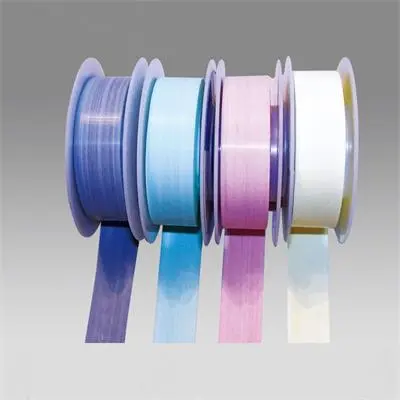
Its ability to perform reliably under a wide range of pressures, temperatures, and chemical exposures underscores its value as a superior sealing solution compared to many traditional pipe dope or liquid sealants.
Technical Advantages Over Traditional Sealing Methods
The adoption of ptfe sealant tape in critical industrial applications is not merely a preference but a technical imperative driven by its inherent advantages. These properties often surpass those of conventional pipe compounds and other thread sealants, leading to enhanced system reliability and long-term cost efficiencies.
Key Technical Advantages:
- Unparalleled Chemical Inertness: PTFE is virtually unaffected by most industrial chemicals, including strong acids, bases, solvents, and fuels. This makes it ideal for highly corrosive environments where other sealants would degrade, dissolve, or contaminate the media.
- Broad Operating Temperature Range: With an effective service range from approximately -190°C (-310°F) to +260°C (+500°F), PTFE tape maintains its sealing properties in extreme cryogenic and high-temperature applications where many liquid sealants would harden, crack, or melt.
- Low Coefficient of Friction: The extremely low friction of PTFE allows for easy assembly and disassembly of threaded connections. This prevents galling and seizing, particularly with stainless steel or softer metals, enabling repeated connections without damage.
- Non-Hardening and Non-Curing: Unlike many liquid thread sealants that cure over time, PTFE tape remains plastic. This feature ensures that sealed joints can be disassembled years later without specialized tools or excessive force, facilitating maintenance and system modifications.
- Excellent Sealing Conformity: When wrapped around threads, PTFE tape deforms to fill thread imperfections and gaps, creating a dense, impenetrable seal that prevents leaks even under high pressure and vibration. Higher density tapes offer superior void filling.
- Non-Toxic and Non-Contaminating: Virgin PTFE is non-toxic and non-flammable, making specific grades suitable for potable water, food processing, medical, and oxygen systems without posing health risks or contaminating process fluids.
- Economical and Easy to Apply: Despite its high-performance characteristics, PTFE tape is cost-effective and requires minimal training to apply correctly, making it a practical solution for both routine and critical sealing tasks.
- Durability and Longevity: PTFE does not age, harden, or become brittle over time, ensuring that seals remain effective for the lifespan of the connection, reducing the need for premature repairs or replacements.
These advantages collectively position high-quality ptfe seal tape as a superior choice for ensuring the long-term integrity and performance of industrial piping systems, minimizing operational risks and maximizing asset lifespan.
Vendor Comparison: Differentiating High-Quality PTFE Sealant Tape Suppliers
While ptfe sealant tape appears to be a standardized product, significant variances exist between manufacturers. For B2B buyers, understanding these differences is paramount to selecting a supplier that aligns with their specific quality, performance, and compliance requirements. A thorough vendor comparison goes beyond price, focusing on material integrity, manufacturing excellence, and support services.
| Feature/Factor | Premium Vendor Offerings | Standard Vendor Offerings |
|---|---|---|
| PTFE Material Purity | 100% Virgin PTFE, often FDA/NSF compliant grades available | May contain recycled PTFE or fillers, inconsistent purity |
| Density (g/cm³) | Consistently high (e.g., 1.0 - 1.6) for superior sealing | Lower and variable (e.g., 0.7 - 0.9), requiring more wraps |
| Manufacturing Standards | ISO 9001 certified, rigorous QC, advanced stretching processes | Basic manufacturing, less stringent quality control |
| Tensile Strength & Elongation | Optimized for strength and elasticity, resists tearing during application | May be weaker, more prone to breaking or shredding |
| Application Specificity | Offers specialized tapes (e.g., gas, oxygen, high-pressure, color-coded) | Primarily general-purpose tape |
| Consistency & Uniformity | Highly uniform thickness, width, and density across rolls/batches | Variations in thickness, width, and density can occur |
| Certifications & Approvals | Comprehensive certifications (e.g., NSF/ANSI 61, UL, CSA, DVGW) | Limited or no specific certifications beyond basic safety |
| Technical Support & Service | Dedicated technical assistance, application guidance, responsive support | Minimal or generic customer service |
Investing in higher-quality ptfe sealant tape from reputable vendors typically translates into fewer leaks, reduced maintenance, enhanced safety, and extended service life for industrial systems, ultimately leading to significant long-term cost savings despite a potentially higher initial price point. Authoritative references like ISO and specific application certifications should always be a primary vetting criterion.
Customized Solutions for Specialized Sealing Requirements
While standard ptfe sealant tape addresses a vast array of industrial needs, certain highly specialized applications demand bespoke solutions. Leading manufacturers offer customization options to meet unique operational parameters, material compatibility concerns, or industry-specific compliance standards.
Areas of Customization:
- Density and Thickness: For extremely high-pressure systems or applications requiring minimal wraps, ultra-high-density PTFE tape (exceeding 1.6 g/cm³) or custom thicknesses can be engineered to provide superior thread filling and sealing integrity.
- Width and Length: Manufacturers can produce rolls in non-standard widths and lengths to accommodate specific equipment or application methods, optimizing usage and reducing waste in large-scale operations.
- Color-Coding: Beyond the common white, yellow (gas), and pink (oxygen), custom color-coding can be implemented for specific fluid lines, safety protocols, or internal identification purposes, enhancing operational clarity and preventing misapplication.
- Additives and Special Formulations: While most PTFE tape is pure, specialized requirements might warrant minor additives for enhanced lubricity, anti-static properties, or other performance characteristics, provided they do not compromise the core PTFE advantages.
- Certifications and Compliance: For markets with stringent regulatory requirements (e.g., aerospace, pharmaceutical cleanrooms), custom batches can be manufactured and tested to meet specific certifications beyond standard industrial norms.
- Private Labeling and OEM: Companies often seek private labeling services for their own branding or as part of OEM supply agreements, ensuring consistent product quality under their own brand identity.
Engaging with a manufacturer capable of delivering customized ptfe seal tape solutions demonstrates a commitment to precise engineering and can yield significant benefits in system performance, regulatory adherence, and operational efficiency for highly specialized industrial projects.
Real-World Application Case Studies
The practical efficacy of ptfe thread seal tape is best illustrated through real-world applications where its superior performance has delivered tangible benefits to industrial operations.
Case Study 1: Petrochemical Refinery Expansion
A major petrochemical refinery undertaking a significant expansion faced challenges with conventional pipe dope failing in high-temperature, high-pressure sections carrying corrosive crude oil derivatives. Initial leak rates were unacceptable, leading to costly re-works and safety concerns. By implementing high-density ptfe sealant tape (1.2 g/cm³) across all new threaded connections, the refinery achieved a dramatic reduction in fugitive emissions and an almost 95% elimination of thread-related leaks. This not only ensured compliance with stringent environmental regulations but also resulted in a 15% reduction in unplanned maintenance events, translating to millions in operational savings over two years.
Case Study 2: Municipal Water Treatment Plant Upgrade
A municipal water treatment facility upgraded its extensive piping infrastructure, which included both large-diameter PVC and galvanized steel pipes. The primary objective was to eliminate water loss from minor leaks and ensure long-term integrity for potable water delivery. After assessing various options, an NSF-approved ptfe seal tape was selected for all threaded joints. The tape's non-toxic nature and excellent sealing capabilities ensured no contamination of the potable water supply. Post-upgrade monitoring showed a system-wide leak rate reduction of over 90%, directly contributing to water conservation efforts and reducing the operational load on pumps, leading to quantifiable energy savings.
Case Study 3: Industrial Refrigeration System Overhaul
An industrial food processing plant, utilizing large-scale ammonia refrigeration systems, encountered persistent challenges with refrigerant leakage at threaded pipe unions due to system vibrations and extreme temperature fluctuations. Switching to a specialized, higher-tensile-strength ptfe sealant tape designed for refrigerant gases proved to be a pivotal solution. The tape's ability to maintain its integrity under dynamic conditions and its chemical resistance to ammonia significantly reduced refrigerant loss. This led to a 20% improvement in system efficiency, extended compressor life, and a considerable decrease in the frequency of costly refrigerant recharges, bolstering both operational safety and environmental responsibility.
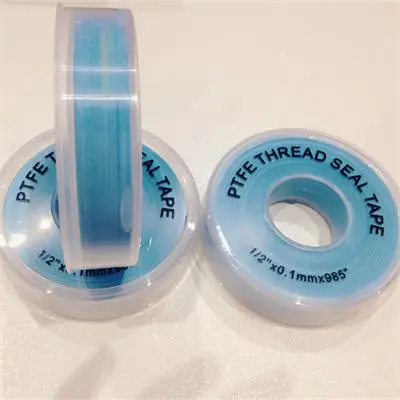
These case studies underscore the reliability and economic benefits of specifying high-quality ptfe sealant tape for demanding industrial applications.
Frequently Asked Questions (FAQ)
Q: What is the primary difference between standard and high-density ptfe sealant tape?
A: The primary difference lies in the amount of PTFE material per unit volume. High-density tape (typically 1.0 g/cm³ and above) is thicker and contains more material, allowing for fewer wraps to achieve a superior seal. It offers enhanced resistance to pressure, chemicals, and tearing, making it ideal for critical or high-pressure applications. Standard density tape (around 0.7 g/cm³) is suitable for general-purpose applications but may require more wraps for effective sealing.
Q: Can ptfe sealant tape be used with potable water systems?
A: Yes, virgin (100% pure) ptfe sealant tape, particularly those that are NSF/ANSI 61 certified, are specifically designed and approved for use in potable water systems. This certification ensures the tape will not leach harmful substances into drinking water.
Q: What is the shelf life of ptfe sealant tape?
A: PTFE itself is chemically inert and non-aging. Therefore, ptfe seal tape typically has an indefinite shelf life when stored properly in a cool, dry place away from direct sunlight and extreme temperatures. It does not harden, dry out, or degrade over time, ensuring it remains effective for years.
Q: Are there specific colors for different applications of ptfe thread seal tape?
A: Yes, while white is standard, other colors are commonly used for specific applications to prevent cross-contamination or misapplication. For instance, yellow is typically used for natural gas, propane, and butane lines; pink for oxygen lines; and gray for stainless steel threads. This color-coding enhances safety and operational clarity.
Q: What pressure can ptfe sealant tape withstand?
A: High-quality ptfe sealant tape can withstand very high pressures, often up to 10,000 psi (689 bar) or more, when properly applied and used in conjunction with correctly engaged threaded connections. The actual pressure rating depends on the density of the tape, the pipe material, thread type, and application technique.
Lead Time, Warranty, and Customer Support
Lead Time and Fulfillment
Our commitment to efficient supply chain management ensures prompt fulfillment of orders. For standard ptfe sealant tape products, typical lead times range from 3 to 7 business days for North American and European markets, and 7 to 14 business days for international shipments, depending on volume and specific logistics. Customized orders or large bulk quantities may require extended lead times, which will be communicated clearly at the time of quotation. We leverage robust global logistics networks to minimize transit times and ensure timely delivery, crucial for maintaining your operational schedules.
Product Warranty
We stand behind the quality and performance of our ptfe sealant tape with a comprehensive product warranty. Our tapes are guaranteed to be free from manufacturing defects in material and workmanship for a period of 12 months from the date of purchase. This warranty covers product integrity and performance under normal application conditions as per our technical specifications. Any claims are subject to inspection and verification by our quality assurance team to ensure adherence to specified usage guidelines.
Dedicated Customer and Technical Support
Our dedicated customer support team is available to assist with inquiries ranging from product selection and technical specifications to order tracking and after-sales service. We offer expert technical guidance to help you choose the optimal ptfe sealant tape for your specific application, ensuring performance and compliance. Our support channels include direct phone lines, email, and a dedicated online portal for quick responses and comprehensive assistance, reinforcing our commitment to customer satisfaction and long-term partnerships.
Conclusion
The strategic selection of high-quality ptfe sealant tape is more than a procurement decision; it is a critical engineering choice that directly impacts the safety, efficiency, and longevity of industrial systems. Its unrivaled chemical inertness, vast temperature range, and superior sealing capabilities position it as the premier solution for threaded connections across diverse and demanding sectors. By understanding its detailed manufacturing process, adhering to stringent technical specifications, and partnering with reputable suppliers committed to quality and support, B2B decision-makers can ensure robust, leak-free operations.
Investing in a high-performance ptfe seal tape translates into tangible benefits: reduced maintenance costs, enhanced operational safety, minimized environmental impact through leak prevention, and ultimately, greater long-term return on investment for any industrial enterprise.
References and Citations
- ASTM International. (Ongoing). Standards for Plastics. ASTM D792, D638, D374, D543, D573.
- International Organization for Standardization. (2015). ISO 9001:2015 Quality management systems – Requirements.
- NSF International. (Ongoing). NSF/ANSI 61: Drinking Water System Components – Health Effects.
- Frost & Sullivan. (2023). Global Industrial Sealants Market Outlook Report.
- American Society of Mechanical Engineers. (Ongoing). Standards and Codes for Piping and Pressure Vessels.
- Chemical Engineering. (Various Issues). Articles on Fluid Handling and Sealing Technologies.