
Seamless Steel Pipe for Sale | In-Stock & Fast Shipping
Looking for Seamless Steel Pipe For Sale? Field Notes from the Boiler Room and Beyond
I’ve spent more time than I’d care to admit on hot decks and in inspection pits, and I’ll say it upfront: picking boiler and process tubing is 60% specs and 40% gut feel for the vendor. From the Malleable Iron Zone of Shijiazhuang, Hebei—an old-school steel hub—you get mills that still obsess over grain size and ovality. That matters when your superheater runs above 450–650℃ and you have no appetite for unplanned outages.
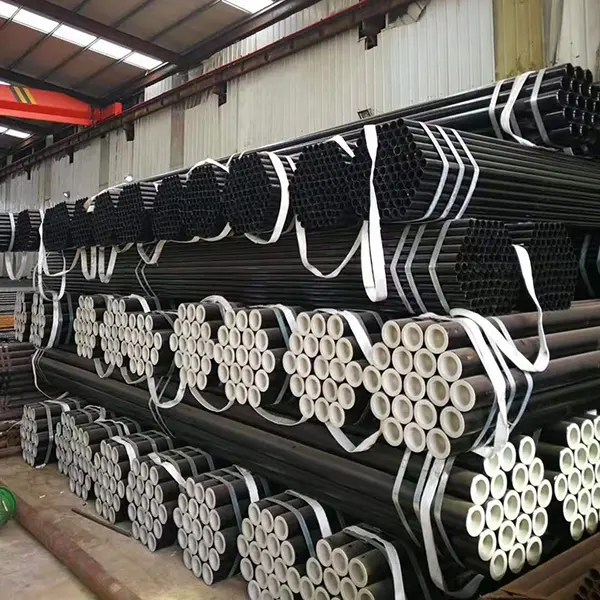
What’s trending (and why you should care)
- Utilities are extending life of thermal assets; superheaters/economizers get upgraded with higher-grade materials (think 15CrMoG, T22) rather than full system swaps.
- Refiners and petrochem are standardizing on full-body UT and stricter heat treatment records. Honestly, inspection is the new currency.
- Price stability is better this quarter, but order books still swing; many customers say lead time beats a 2% price cut, especially before turnarounds.
Technical backbone, in plain words
Standards covered: GB3087, GB5310, ASME SA210/SA213, ASTM A179/A192/A210, DIN17175, EN10216. Purpose-built for heating tubes, economizers, superheaters, reheaters, plus petrochemical service at high pressure (≥9.8 MPa).
| Parameter | Typical Range / Note |
|---|---|
| OD × WT | Ø12–426 mm × 2–40 mm (≈; real-world availability may vary) |
| Grades | 20G, 15CrMoG, 12Cr1MoVG, SA210 A1/C, SA213 T11/T22; EN10216-2 P235GH–P265GH, 13CrMo4-5 |
| Heat Treatment | Normalizing, tempering; for alloy grades: QT as per spec window |
| NDT | 100% UT per ASTM E213; EC per E309/E426 where applicable |
| Hydro Test | Typically 1.5× design pressure (≈10–25 MPa by size/spec) |
| Length & Ends | 6–12 m; plain or beveled (30°±5°), end caps, varnish |
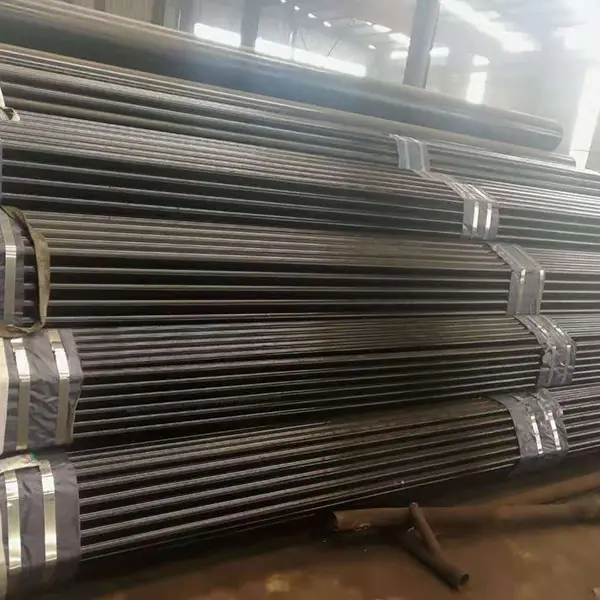
From billet to tube: the quick process map
- Materials: killed carbon and low-alloy steel billets
- Hot rolling/piercing → sizing → cold draw (if needed) → heat treatment → straightening → NDT → hydro → beveling → marking → packing
QC checkpoints: chemical analysis (per spec), mechanicals (Rm, ReH, A%), flattening/flaring (ASME SA450 / ASTM A450), hardness (HRC), grain size, plus PMI for alloy grades.
Service life: around 15–25 years in power boilers with proper water chemistry and sootblowing; petrochemical service varies with corrosion allowance and media.
Applications and why seamless wins
Heating coils, economizers, superheaters, reheaters, steam lines, and refinery heat exchanger bundles. The no-weld-seam body reduces leak paths and stress risers—simple but decisive.
Vendor snapshot (what buyers quietly compare)
| Vendor Type | Certs | Lead Time | NDT Coverage | Customization |
|---|---|---|---|---|
| Mill-direct, Hebei | ISO 9001, PED (often), CE marking on request | ≈2–6 weeks | 100% UT + hydro | Heat treatment, cut-to-length, bevels, third-party inspection |
| Trading house | Varies by source | ≈3–10 weeks | Batch-based | Moderate |
| Marketplace seller | Unclear | Uncertain | Spot checks | Limited |
Customization and paperwork
Cut-to-length, bevel angle tweaks, tight ovality, ID/OD shot blasting, export seaworthy packing, and MTRs traceable to heat/lot. Third-party inspection (SGS/BV/TÜV) is routine. Many buyers ask for PED and WPS/PQR references—sensible.
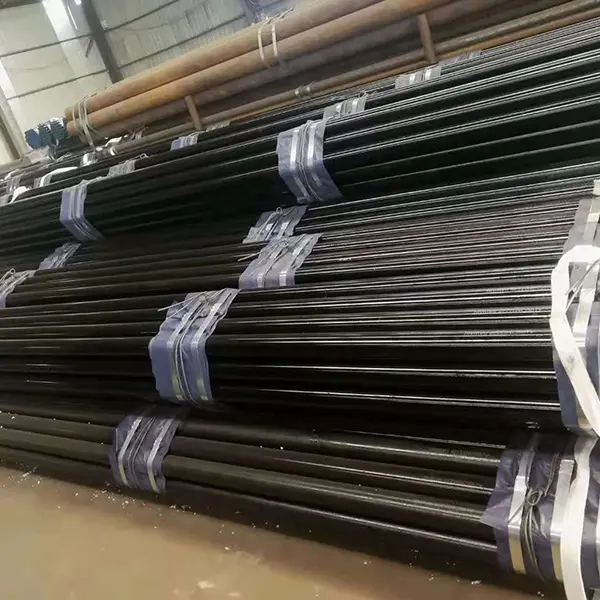
Real-world results (quick cases)
- 300 MW coal plant retrofit: swapped mixed-origin tubes for GB5310/SA213 T22; tube leak rate fell from 2.1 to 0.2 incidents/yr over 24 months. Delivery in eight weeks—tight but met.
- Refinery steam network: 21 km of SA210C with 100% UT + hydro; operators cited smoother spool fit-up thanks to consistent ovality. I guess small things do add up.
If you’re scanning the market for Seamless Steel Pipe For Sale, prioritize standards compliance, heat treatment records, and independent NDT logs. And yes, availability still swings; booking heats early is smarter than chasing last-minute bargains. For project bundles and repeatable quality, Shijiazhuang mills remain a pragmatic pick.
Curious about pricing or stock on Seamless Steel Pipe For Sale? Ask for size list, MTR templates, and a sample NDT report—it separates the serious vendors from the brochure printers.
Authoritative citations
- ASME SA210/SA213 – Boiler and Heat-Exchanger Tubes Specifications [ASME]
- ASTM A179, A192, A210 – Seamless Carbon Steel Boiler/Condenser Tubes [ASTM International]
- GB5310, GB3087 – Seamless Steel Tubes for High/Low & Medium Pressure Boilers [SAC, China]
- DIN 17175 – Seamless Steel Tubes for Elevated Temperatures [DIN]
- EN 10216-2 – Seamless Steel Tubes for Pressure Purposes [CEN]
- ASTM A450/ASME SA450 – General Requirements for Carbon and Alloy Steel Tubes [ASTM/ASME]
- ASTM E213/E309/E426 – Nondestructive Testing Methods for Tubular Products [ASTM International]