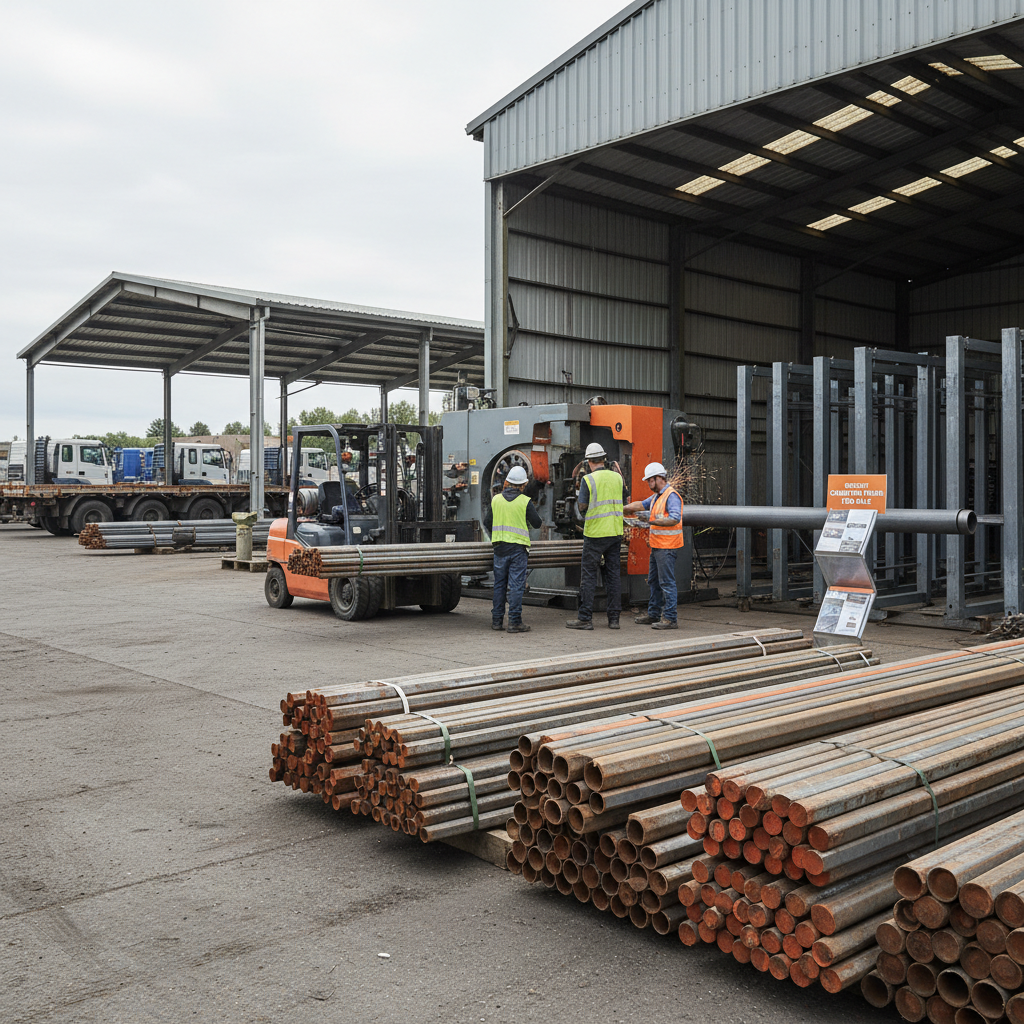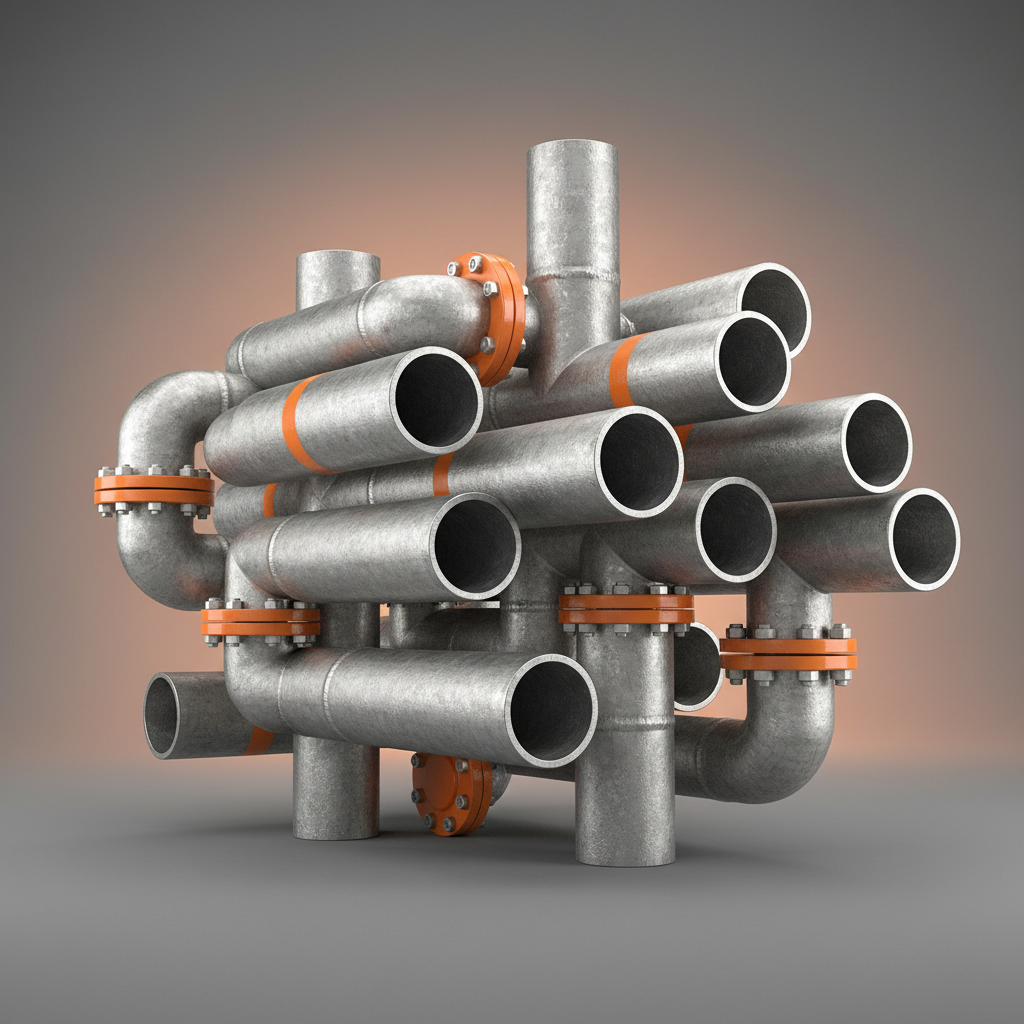
Mild steel tube suppliers provide essential piping components that balance structural strength with cost-efficiency. These suppliers specialize in producing low-carbon steel tubing designed for a wide range of industrial applications, from structural frameworks to fluid transport systems, ensuring that the material meets specific grade and tolerance requirements for safety and durability.
For procurement managers and engineers, selecting the right supplier is not merely about price, but about verifying the chemical composition and mechanical properties of the steel. Inconsistent wall thickness or poor weld quality can lead to systemic failures in high-pressure environments, making the certification and quality control processes of the supplier a critical point of evaluation.
This comprehensive guide analyzes the technical criteria for evaluating mild steel tube suppliers, examines the trade-offs between various finishing options, and provides a strategic framework for optimizing your supply chain to ensure long-term operational reliability and compliance with international standards.

1Understanding Mild Steel Tube Specifications

Mild steel tubes are defined by their low carbon content, typically between 0.05% and 0.25%, which enhances their ductility and weldability compared to high-carbon alternatives. Suppliers must adhere to rigorous standards such as ASTM or BS to ensure that the material can withstand expected tensile loads without brittle failure. The manufacturing process usually involves hot-rolling or cold-drawing, each affecting the final grain structure and surface finish of the tube.
From a technical perspective, the "mild" designation indicates a material that is easier to machine and form, making it the preferred choice for complex piping layouts. However, the lack of alloying elements like chromium makes these tubes susceptible to oxidation, necessitating protective coatings such as galvanization or painting.
Reliable mild steel tube suppliers provide full Mill Test Reports (MTRs), which document the heat number, chemical analysis, and mechanical tests performed on each batch. This transparency is vital for ensuring that the supplied material matches the engineering design specifications exactly.
2Core Technical Advantages of High-Grade Tubing
The primary advantage of sourcing from premium mild steel tube suppliers is the consistency of the wall thickness and the precision of the diameter. High-grade tubing minimizes the risk of "thin spots," which are often the first points of failure under internal pressure or external stress. Furthermore, advanced manufacturing techniques reduce internal scale and surface imperfections, leading to smoother fluid flow and reduced turbulence.
Weldability is another cornerstone of mild steel's utility. Because of the low carbon levels, these tubes can be joined using a variety of methods—including MIG, TIG, and arc welding—without the need for extensive pre-heating or post-weld heat treatment, significantly reducing installation time and labor costs.
Additionally, the balance between strength and flexibility allows for the creation of structural components that can absorb energy and deform plastically before catastrophic failure occurs. This makes mild steel tubes indispensable in safety-critical structural frames and automotive chassis components.
3Industrial Application Scenarios and Use Cases
Mild steel tubing is utilized across a spectrum of industries due to its versatility. In construction, it serves as the backbone for scaffolding, handrails, and support columns. In the energy sector, it is frequently used for low-pressure gas lines and water distribution systems where the environment is non-corrosive or where external coatings are applied to prevent rust.
Mechanical engineering employs these tubes for hydraulic lines, axle housings, and transmission shafts. The ability to precision-machine the ends of the tubes allows for tight seals and secure fittings, which is essential for maintaining system pressure and preventing leaks in industrial machinery.
In the automotive and transport sector, mild steel provides the necessary rigidity for frames while remaining cost-effective for mass production. Its ease of bending and forming allows manufacturers to create ergonomic and aerodynamic shapes without sacrificing the structural integrity of the vehicle.
4Performance Analysis and Quality Benchmarks
Evaluating the performance of mild steel tubes involves analyzing a set of key metrics: yield strength, tensile strength, and elongation. A high-performing tube maintains a consistent yield point across its entire length, ensuring that the structure behaves predictably under load. Suppliers who implement automated ultrasonic testing (UT) can detect internal voids or slag inclusions that visual inspections miss.
The relationship between wall thickness and pressure rating is linear but critical. Precision-engineered tubes from specialized suppliers allow for thinner walls without compromising the safety factor, which reduces the overall weight of the installation and lowers the total material cost.
mild steel tube suppliers Performance Metrics
When comparing industry averages, top-tier suppliers typically exhibit a significantly lower variance in dimensional tolerances. This precision reduces the need for on-site modification and minimizes the risk of joint failure, directly impacting the lifecycle cost of the project through reduced maintenance requirements.
5Strategic Procurement and Supplier Selection
Procuring mild steel tubing requires a balance between lead times, certification, and cost. A strategic approach involves auditing the supplier's quality management system (QMS). ISO 9001 certification is a baseline, but for critical applications, procurement teams should look for specific product certifications such as UL or CE, which verify compliance with regional safety and performance codes.
Supplier reliability is also measured by their ability to provide consistent batches. Fluctuations in the chemical composition between shipments can lead to inconsistent welding results and variable performance across a single project. Establishing long-term partnerships with a single vetted supplier often yields better quality consistency than fragmented sourcing.
Finally, consider the supplier's value-added services. Capabilities such as precision cutting, threading, and pre-galvanizing can significantly reduce the workload for the end-user and minimize the risk of damage during secondary processing.
6Current Trends in Steel Tubing Innovation
The industry is shifting toward "lean" steel production, where precision casting and rolling minimize material waste. Modern mild steel tube suppliers are adopting AI-driven quality monitoring systems that can identify surface defects in real-time during the rolling process, ensuring that only flawless tubes reach the shipping dock.
Another significant trend is the development of advanced protective coatings. Beyond traditional galvanization, new polymer-based coatings are being integrated to provide superior chemical resistance while maintaining the cost advantages of a mild steel core, effectively bridging the gap between mild steel and more expensive stainless steel options.
Additionally, there is a growing demand for customized tubing profiles. Suppliers are utilizing advanced CNC bending and forming technology to provide components that fit complex industrial layouts with millimeter precision, reducing the reliance on numerous fittings and joints.
7Comparative Analysis of Tubing Options
Choosing between mild steel and other materials depends entirely on the operating environment and budget. While stainless steel offers inherent corrosion resistance, the cost is often prohibitive for large-scale structural work where mild steel, combined with a coating, provides equivalent longevity at a fraction of the price.
The following table compares mild steel tubing against common alternatives to assist in the selection process based on technical requirements and cost constraints.
| Material Type | Corrosion Resistance | Weldability | Relative Cost |
|---|---|---|---|
| Mild Steel (Uncoated) | Low | Excellent | Very Low |
| Galvanized Mild Steel | Medium | Good | Low |
| Stainless Steel (304) | High | Moderate | High |
| Alloy Steel | Moderate | Moderate | Medium |
| Carbon Steel (Heavy) | Low | Good | Low |
| Copper Tubing | High | Specialized | Very High |
In summary, mild steel remains the gold standard for applications requiring high structural strength and ease of fabrication. When sourced from reputable suppliers, its performance is predictable and its cost-to-benefit ratio is unmatched for general industrial use.
Frequently Asked Questions
Conclusion
Selecting a reliable partner among mild steel tube suppliers is a critical decision that impacts the safety, cost, and longevity of any engineering project. By focusing on material certification, dimensional consistency, and the correct selection of protective finishes, procurement teams can maximize the utility of low-carbon steel while mitigating the risks of corrosion and structural failure.
For organizations seeking high-precision tubing and professional supply chain support, reviewing the technical capabilities and product range at www.szpipefitting.com can provide the necessary insights to ensure your project meets all international quality benchmarks.