
Comprehensive Guide to 2 Inch Steel Pipe Price and Market Analysis
Understanding 2 Inch Steel Pipe Price and Market Trends
Determining the 2 inch steel pipe price requires navigating a complex landscape of material grades, manufacturing processes, and global market forces. This article provides a detailed overview of the factors influencing price, current market trends, and where to source quality steel pipes. Whether you’re involved in construction, oil & gas, or any industry reliant on steel piping, understanding these dynamics is crucial for cost-effective project management. We'll explore the different types of 2-inch steel pipes and what impacts their cost.
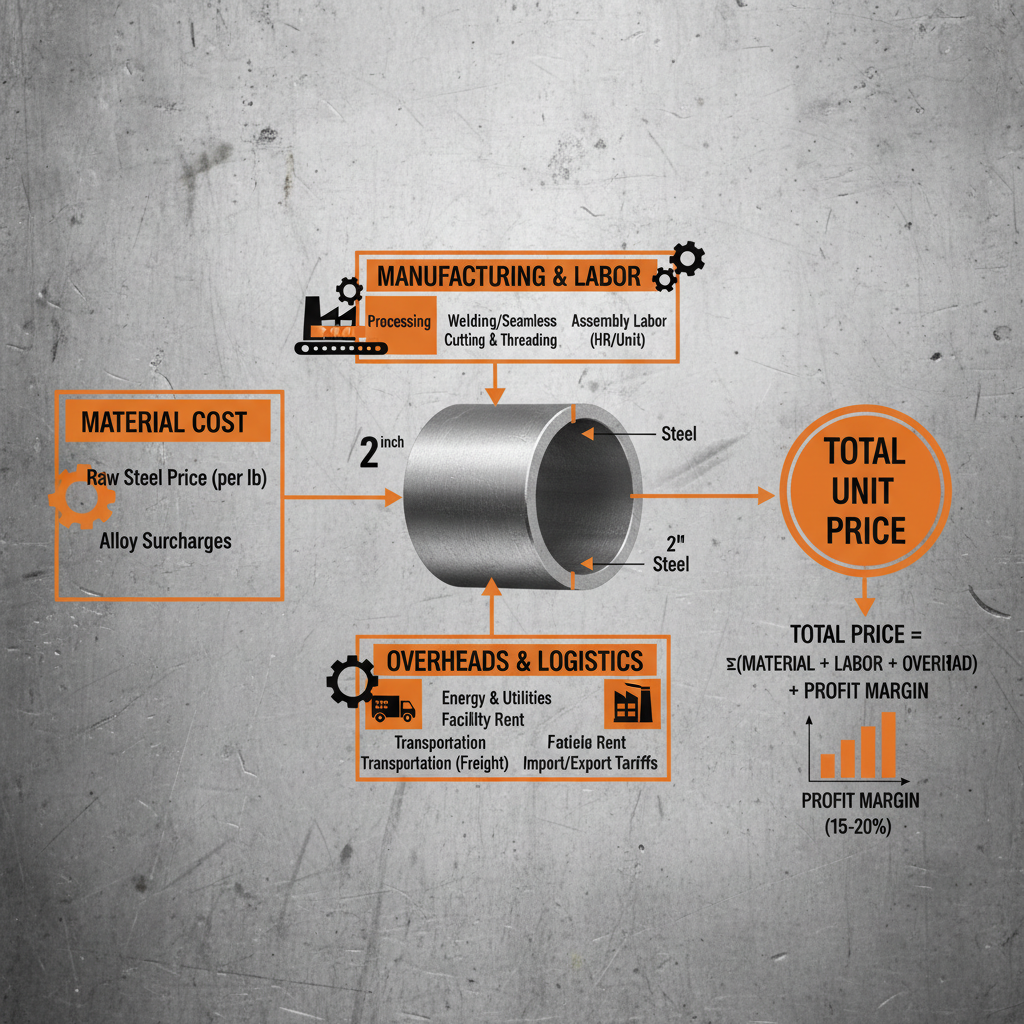
Factors Influencing 2 Inch Steel Pipe Price
Several key factors contribute to the overall cost of 2-inch steel pipe. The most significant is the type of steel used. Carbon steel is the most common and generally the least expensive. Alloy steel, offering increased strength and corrosion resistance, commands a higher price. Stainless steel, known for its exceptional durability, is the most expensive option. Wall thickness also plays a critical role – thicker walls require more material and thus increase the price. Manufacturing processes like seamless vs. welded also contribute, with seamless pipes typically being more expensive due to the more complex production method. Finally, transportation costs, tariffs, and supplier margins all factor into the final price you pay. At SZ Pipefitting, we offer competitive pricing and transparent cost breakdowns.
Key Influencers: Material Grade, Wall Thickness, Manufacturing Process (Seamless vs. Welded), Transportation, Tariffs, Supplier Margins.
Price Comparison: Steel Pipe Types
The price of 2-inch steel pipe varies significantly depending on the material. Below is a comparative overview as of late 2023/early 2024 (prices are approximate and subject to change):
Global Market Trends Affecting Steel Pipe Prices
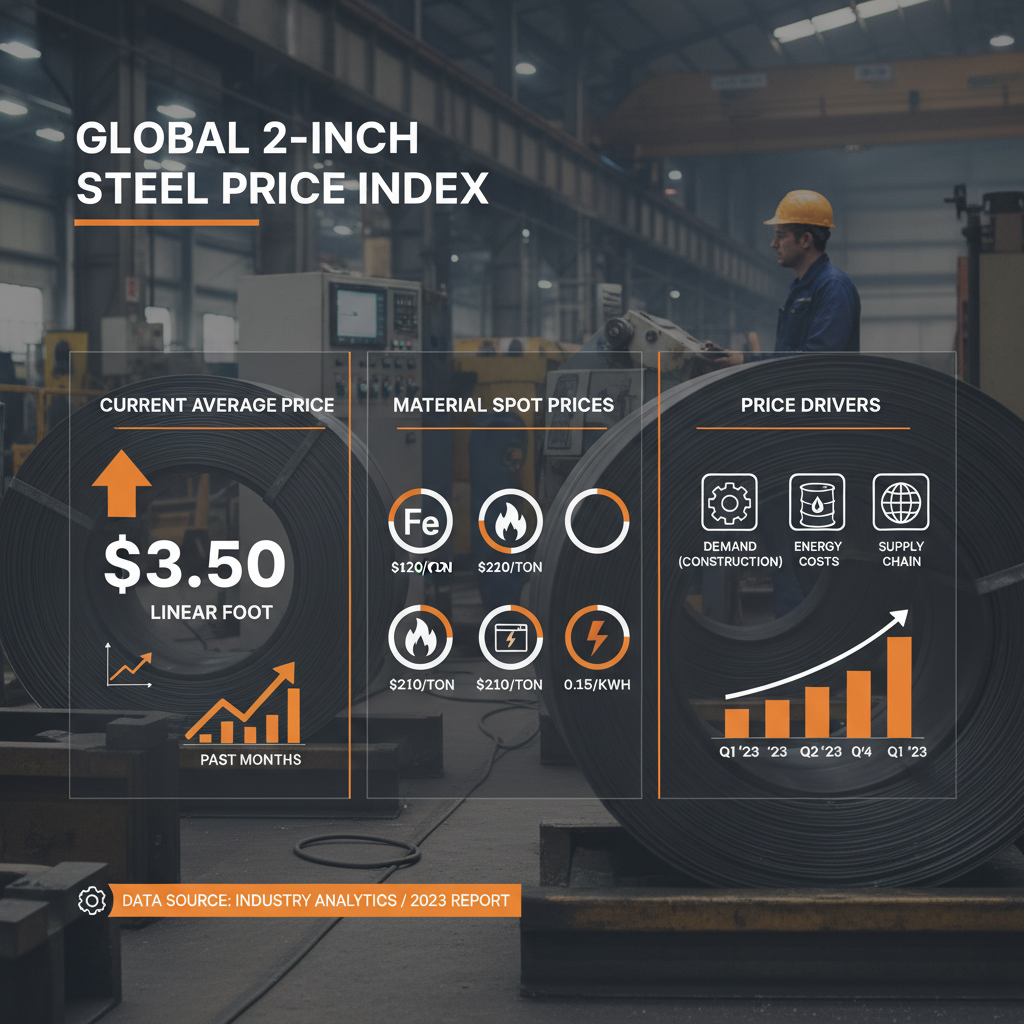
The global steel market is constantly fluctuating. Recent trends impacting 2 inch steel pipe prices include increased demand from infrastructure projects in developing countries, fluctuating iron ore prices (a key component of steel production), and geopolitical factors affecting supply chains. Trade policies and tariffs imposed by various countries can also significantly impact prices. Supply chain disruptions, such as those experienced during the COVID-19 pandemic, have led to price volatility and longer lead times. Staying informed about these trends is vital for making informed purchasing decisions. SZ Pipefitting closely monitors these market dynamics to provide our clients with the most competitive pricing.
Choosing the Right Supplier for 2 Inch Steel Pipe
Selecting a reliable supplier is paramount. Look for companies with a proven track record of quality, competitive pricing, and timely delivery. Ensure the supplier offers a wide range of steel grades and sizes to meet your specific needs. Certifications like ISO 9001 demonstrate a commitment to quality management. Consider factors like minimum order quantities, payment terms, and customer support. A reputable supplier will provide detailed specifications, material test reports, and responsive communication. At SZ Pipefitting, we pride ourselves on our commitment to customer satisfaction and providing high-quality steel pipes.
Product Specifications for Common 2 Inch Steel Pipes
Here’s a breakdown of typical specifications for commonly requested 2-inch steel pipes:
Conclusion: Navigating the 2 Inch Steel Pipe Market
Understanding the factors influencing 2 inch steel pipe price is crucial for cost-effective procurement. By considering material grades, market trends, and supplier reliability, you can make informed decisions and secure the best value for your project. SZ Pipefitting is dedicated to providing high-quality steel pipes and expert guidance to meet your specific needs.
Frequently Asked Questions (FAQs)
What is the difference between seamless and welded steel pipe?
Seamless steel pipe is manufactured without a weld seam, offering greater strength and uniformity. Welded steel pipe is created by rolling and welding steel plates together. While welded pipes are generally more affordable, they may have lower pressure ratings and can be more susceptible to corrosion at the weld seam. The choice between the two depends on the application's requirements. For high-pressure applications or where reliability is critical, seamless pipe is often preferred.
How does schedule affect the pipe's pressure rating?
The “schedule” refers to the pipe's wall thickness. Higher schedule numbers indicate thicker walls, which translate to higher pressure ratings. For example, Schedule 40 pipe has a thinner wall than Schedule 80 pipe, and therefore a lower maximum allowable pressure. Selecting the correct schedule is crucial for ensuring the pipe can safely handle the intended operating pressure. Consult engineering specifications and pipe charts to determine the appropriate schedule for your application.
What is the impact of tariffs on steel pipe prices?
Tariffs imposed on imported steel can significantly increase prices. When tariffs are in place, the cost of imported steel rises, which often leads to increased prices for domestically produced steel as well. These costs are typically passed on to consumers. The impact of tariffs can vary depending on the country of origin and the specific tariff rates. Monitoring trade policies is essential for understanding price fluctuations.