
Understanding the SS Steel Pipe Price and Market Guide
Understanding the SS Steel Pipe Price: A Complete Market Guide
Navigating the industrial piping market can be challenging, especially when trying to determine a fair ss steel pipe price. Stainless steel pipes are prized for their exceptional corrosion resistance and durability, making them indispensable in industries ranging from pharmaceuticals to oil and gas. However, the cost is rarely static, fluctuating based on raw material indices, manufacturing processes, and global demand. In this guide, we will break down the variables that influence pricing and provide you with the insights needed to make a cost-effective purchasing decision for your next project.
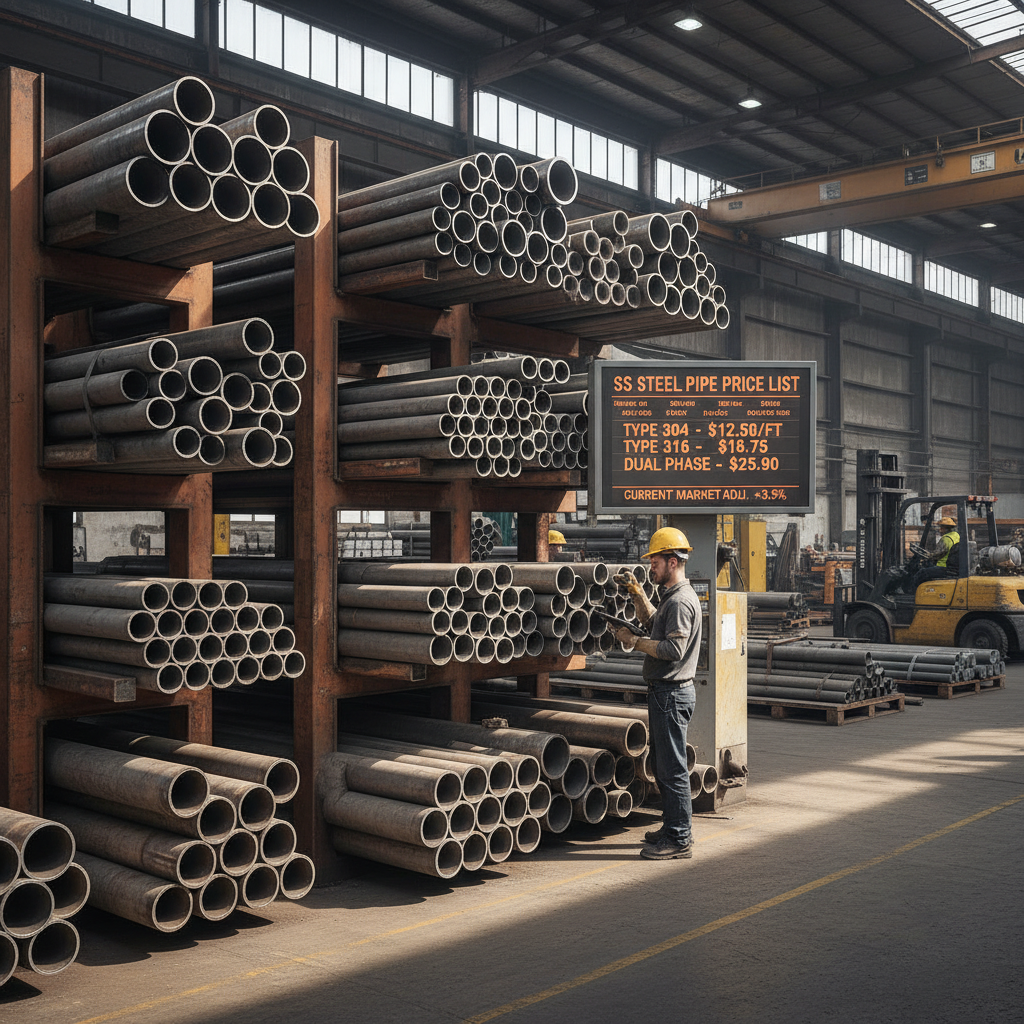
Key Factors Influencing the SS Steel Pipe Price
The ss steel pipe price is primarily driven by the cost of alloying elements. Nickel and Chromium are the two most significant components; when the LME (London Metal Exchange) reports a spike in nickel prices, the cost of stainless steel pipes follows almost immediately. Additionally, the manufacturing method—whether the pipe is seamless or welded—plays a crucial role. Seamless pipes, which are produced by piercing a solid billet, generally command a higher price due to the complexity of the process and their superior pressure-handling capabilities.
Quick Tip: To lock in a favorable price, many procurement managers utilize forward contracts or bulk purchasing during market dips to hedge against the volatility of nickel and molybdenum prices.
Comparing Grade-Based SS Steel Pipe Price Variations
Not all stainless steels are created equal, and the grade you choose will significantly impact the final ss steel pipe price. Grade 304 is the "standard" choice, offering great versatility and cost-efficiency. However, for marine environments or high-chloride applications, Grade 316 is necessary due to the addition of Molybdenum, which increases the cost. Below is a comparison table helping you visualize the price and performance trade-offs between common grades.
Impact of Pipe Specifications on Pricing
When requesting a quote for the ss steel pipe price, the technical specifications are the primary variables. Wall thickness (schedule) is a major factor; a Schedule 80 pipe requires significantly more material than a Schedule 40 pipe, leading to a higher price per foot. Additionally, the surface finish—whether it is annealed, pickled, or mirror-polished—adds to the labor cost. High-precision tolerances required for aerospace or semiconductor applications will also drive the price upward compared to standard industrial tolerances.
How to Get the Best SS Steel Pipe Price for Bulk Orders
Securing a competitive ss steel pipe price often depends on the volume of the order and the timing of the purchase. Buying in bulk reduces the per-unit shipping cost and allows the manufacturer to optimize production runs. We recommend providing a detailed Bill of Materials (BOM) to your supplier early. This allows them to optimize the cutting list and reduce scrap waste, which can be passed down to you as a cost saving. Furthermore, establishing a long-term partnership with a reputable supplier often leads to preferred pricing tiers.
Standard Size and Specification Chart
To accurately estimate your ss steel pipe price, you must first determine the exact dimensions required. Standardizing your sizes according to ASTM or ASME norms can often lower costs by utilizing stock materials rather than custom-fabricated runs. Please refer to the specification table below for common industrial sizes.
Quality Assurance and Price Correlation
It is tempting to choose the lowest ss steel pipe price available, but quality is the ultimate cost-saver. Low-cost pipes often suffer from poor weld quality or incorrect alloy compositions, leading to premature corrosion and expensive system failures. Investing in certified materials with Mill Test Reports (MTRs) ensures that the pipe meets the required strength and chemical specifications. A slightly higher initial investment in certified stainless steel piping drastically reduces the Total Cost of Ownership (TCO) by extending the replacement cycle and minimizing downtime.
Conclusion: Optimizing Your Investment in Stainless Piping
Understanding the dynamics of the ss steel pipe price allows you to move from reactive purchasing to strategic sourcing. By considering the alloy grade, pipe schedule, and quality certifications, you can balance your budget without compromising the integrity of your infrastructure. Whether you are building a food processing plant or a chemical refinery, choosing a partner who provides transparency in pricing and quality is the key to project success. Don't just look for the cheapest price—look for the best value.
Frequently Asked Questions (FAQs)
Why does the SS steel pipe price fluctuate so frequently?
The price of stainless steel is primarily linked to the global commodities market, specifically the costs of nickel, chromium, and molybdenum. These metals are traded on international exchanges, and their prices are affected by mining output, geopolitical stability in producing regions, and global industrial demand. For example, a shortage of nickel in Indonesia or Russia can cause a ripple effect, increasing the production cost for all stainless steel manufacturers, which is then reflected in the market price of the pipes.
Is there a significant price difference between seamless and welded pipes?
Yes, seamless pipes are generally more expensive than welded pipes. Seamless pipes are manufactured through a complex process of extruding or piercing a solid steel billet, resulting in a structure with no weak points (welds). This makes them ideal for high-pressure and high-temperature environments. Welded pipes are made by rolling a strip of steel and welding the seam; while more affordable and easier to produce in large diameters, they may not offer the same pressure rating as seamless options.
How do I verify if I am getting a fair price for my stainless steel pipes?
To ensure you are receiving a fair ss steel pipe price, you should always request multiple quotes based on the exact same specifications (Grade, Schedule, and Length). Check current LME nickel prices to see if the market is trending up or down. Most importantly, ask for the Mill Test Report (MTR). A price that is significantly lower than the market average often indicates a compromise in material purity or a lack of proper certification, which could lead to failure in the field.
Does the surface finish affect the cost of the pipe?
Absolutely. The standard "pickled" or "industrial" finish is the most economical. However, if your application requires a "mirror polish" (common in the food and pharmaceutical industries to prevent bacterial growth) or an "electro-polished" finish, the price will increase. These processes require additional labor, chemical treatments, and quality inspections to ensure the surface roughness (Ra value) meets strict hygienic standards.