
Comprehensive Guide to 3 4 Steel Pipe Price Factors and Current Market Trends
Understanding 3 4 Steel Pipe Price and Market Trends
Navigating the world of steel pipe pricing can be complex, especially when considering specific sizes like 3/4 inch. This article will provide a comprehensive overview of factors influencing 3/4 steel pipe price, current market trends, different steel grades, and where to source quality pipes. Whether you’re involved in construction, plumbing, or industrial applications, understanding these elements is crucial for cost-effective procurement. We'll explore pricing dynamics and help you make informed decisions.
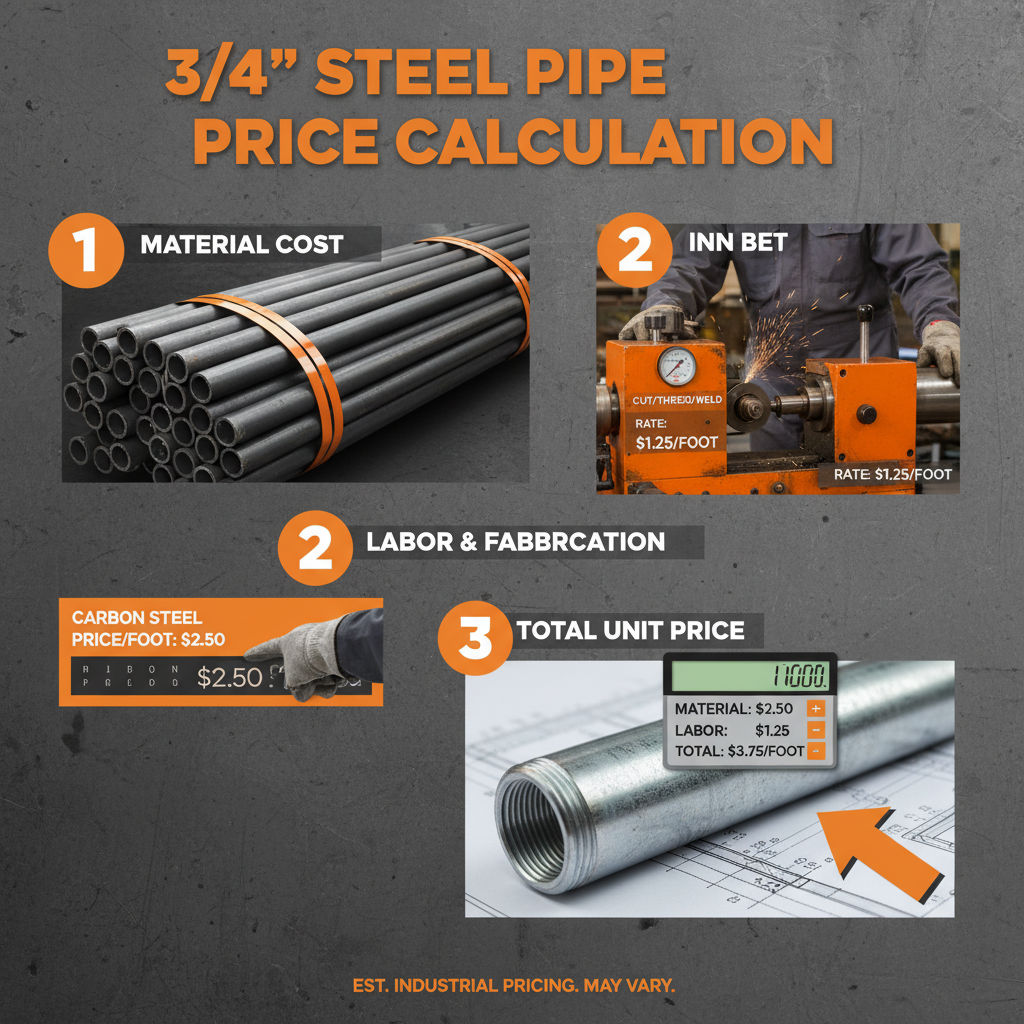
Factors Influencing 3/4 Steel Pipe Price
Several key factors dictate the price of 3/4 steel pipe. The cost of raw materials (iron ore, coal, alloys) is a primary driver. Manufacturing processes, including forming, welding, and finishing, also contribute. Supply and demand dynamics play a significant role, with prices fluctuating based on market conditions. Transportation costs, tariffs, and even geopolitical events can impact the final price. The specific steel grade (e.g., carbon steel, stainless steel, galvanized steel) dramatically affects cost, as does the pipe’s wall thickness and schedule (e.g., Schedule 40, Schedule 80). SZpipefitting.com offers competitive pricing and a wide selection of steel pipes.
Key Highlights: Raw material costs, manufacturing processes, supply & demand, transportation, steel grade, and pipe schedule all contribute to the final price of 3/4 steel pipe.
Steel Grade and its Impact on Price
The type of steel significantly influences the cost. Carbon steel is generally the most affordable option, suitable for many general-purpose applications. Stainless steel, known for its corrosion resistance, is considerably more expensive. Galvanized steel, coated with zinc for rust prevention, falls in between. Alloy steel, containing specific elements to enhance properties, typically commands a higher price. Choosing the right steel grade depends on the application’s requirements. For instance, plumbing systems may use galvanized steel, while chemical processing plants may require stainless steel. Considering the long-term cost-benefit is important; while stainless steel is more expensive upfront, it reduces maintenance and replacement costs over time.
Steel Grade Price Comparison:
• Carbon Steel: Most affordable.
• Galvanized Steel: Mid-range price, rust-resistant.
• Stainless Steel: Most expensive, highly corrosion-resistant.
• Alloy Steel: Price varies based on the alloy content, for specific properties.
Current Market Trends in 3/4 Steel Pipe Pricing
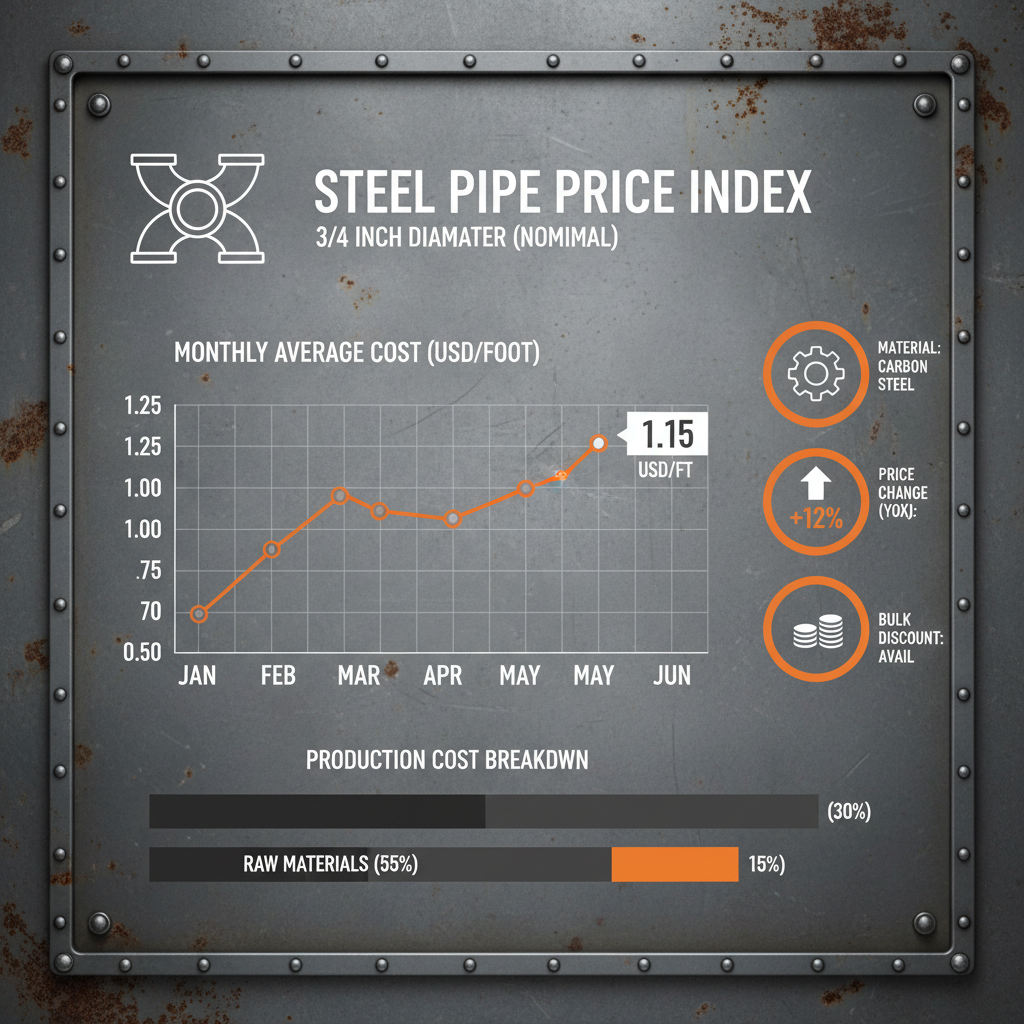
As of late 2023/early 2024, steel prices have been experiencing volatility due to global economic factors, geopolitical tensions, and supply chain disruptions. Demand from the construction and manufacturing sectors continues to influence prices. We've observed a slight increase in raw material costs, particularly iron ore. However, increased production capacity in some regions is helping to mitigate price spikes. It’s essential to stay informed about these market trends to make strategic purchasing decisions. Checking with reliable suppliers like SZpipefitting.com for real-time pricing is recommended.
Where to Purchase 3/4 Steel Pipe
Sourcing from reputable suppliers is crucial to ensure quality and competitive pricing. Consider established distributors, steel mills, and online retailers. SZpipefitting.com offers a comprehensive range of steel pipes, competitive pricing, and reliable shipping. Always verify the supplier’s certifications and quality control processes. Request quotes from multiple vendors to compare prices and terms. Consider factors like lead times, shipping costs, and return policies.
Technical Specifications and Considerations
When ordering 3/4 steel pipe, be aware of key specifications like outside diameter, inside diameter, wall thickness (indicated by the schedule number), and length. Ensure the pipe meets relevant industry standards (e.g., ASTM, ANSI). Schedule 40 is a common choice for general applications, while Schedule 80 offers higher pressure resistance. Consider the end finish (e.g., plain end, threaded end, beveled end) based on your connection requirements. It's important to verify all specifications before placing an order to guarantee compatibility and functionality. Contact our team for expert guidance.
Conclusion: Making Informed Decisions About 3/4 Steel Pipe Pricing
Understanding the factors influencing 3/4 steel pipe price is essential for cost-effective procurement. By considering steel grade, market trends, and supplier options, you can make informed decisions that meet your project's needs and budget. Don't hesitate to consult with experts at SZpipefitting.com to ensure you get the best value.
Frequently Asked Questions (FAQs)
What is the typical lead time for 3/4 steel pipe orders?
Lead times can vary depending on the supplier, stock availability, and order quantity. Generally, standard sizes and grades are readily available with lead times of 2-5 business days. For custom orders or specific steel grades, lead times may extend to 1-2 weeks or longer. It’s always best to confirm the lead time with the supplier before placing your order. SZpipefitting.com strives to provide quick turnaround times and transparent communication.
Can I request custom lengths of 3/4 steel pipe?
Yes, most suppliers offer custom cutting services. You can specify the exact lengths needed to minimize waste and streamline your project. However, custom cuts may incur an additional charge, and minimum order quantities may apply. Be sure to clearly communicate your length requirements to the supplier when placing your order. SZpipefitting.com provides precise cutting services to meet your specifications.
What are the common applications for 3/4 steel pipe?
3/4 steel pipe is incredibly versatile and used in a wide range of applications, including plumbing systems, water lines, gas lines, structural supports, handrails, irrigation systems, and various industrial applications. The specific application dictates the appropriate steel grade and schedule. For example, Schedule 80 is often preferred for high-pressure applications, while galvanized steel is commonly used for outdoor plumbing.
How should I store steel pipes to prevent corrosion?
Proper storage is crucial to prevent corrosion. Store steel pipes in a dry, well-ventilated area, protected from moisture and direct sunlight. If storing outdoors, cover the pipes with a waterproof tarp. Elevate the pipes off the ground to prevent contact with moisture. For long-term storage, consider applying a protective coating or oil to the pipes.