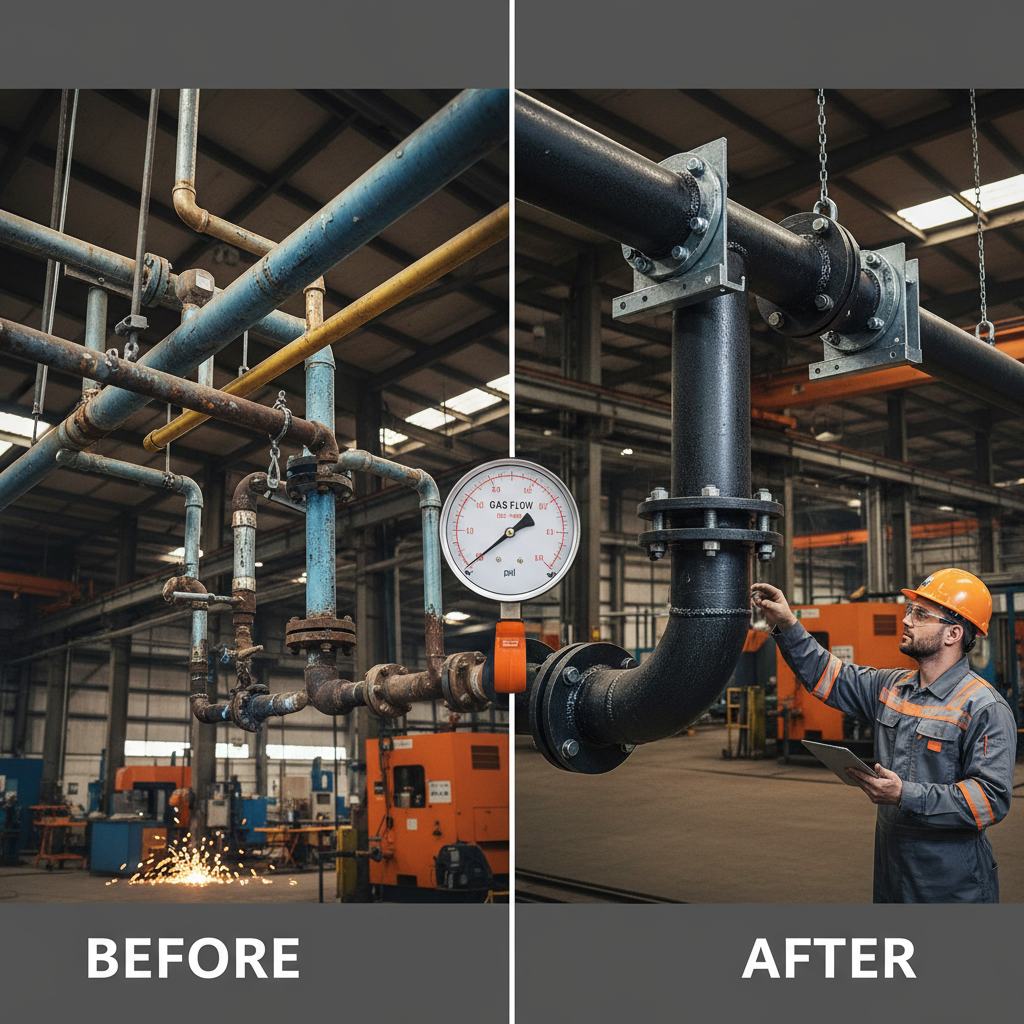
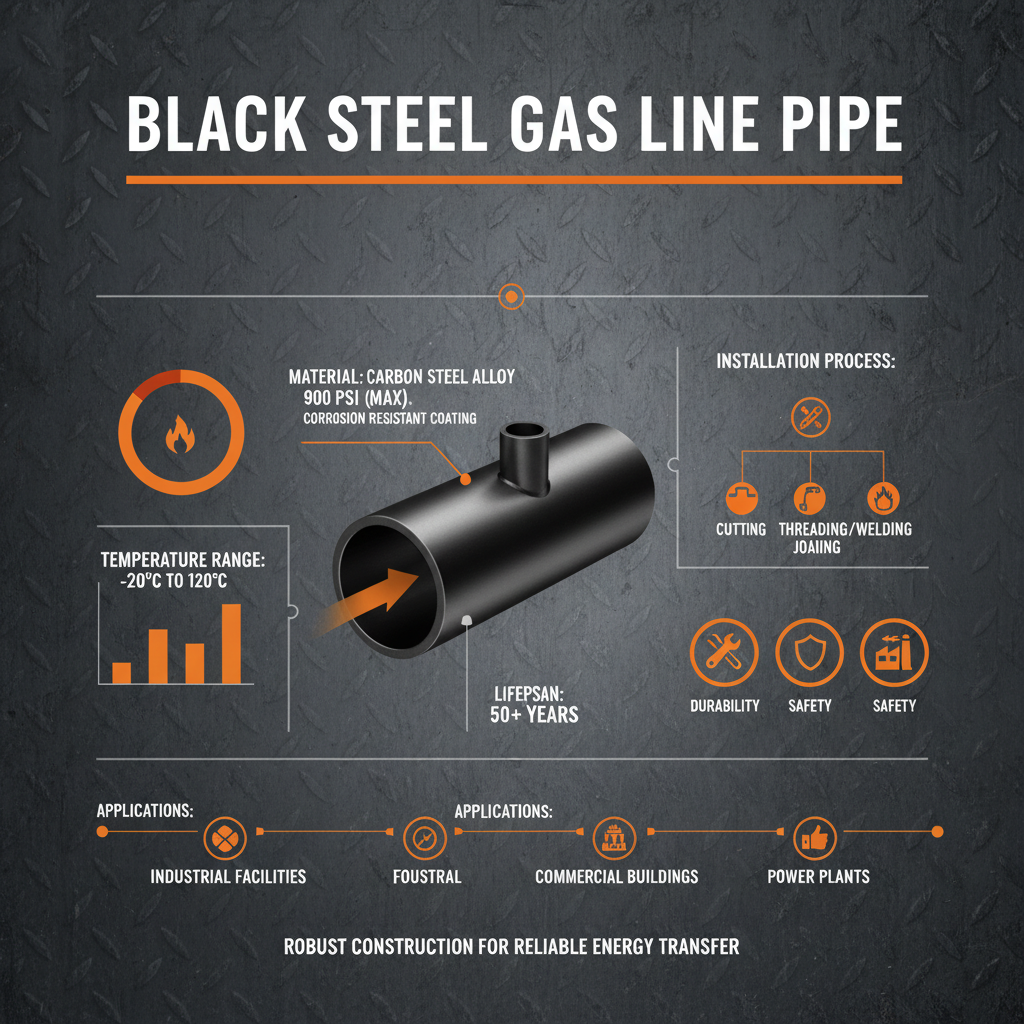
Black steel pipe for gas line is a critical component of modern energy infrastructure, delivering fuel to homes and businesses globally. Its robust construction and inherent safety features make it a preferred material for gas distribution systems. Understanding its properties, applications, and future trends is essential for engineers, technicians, policymakers, and anyone involved in the energy sector. The reliable transmission of natural gas is pivotal to modern life, powering industries, heating homes, and generating electricity, and black steel pipe plays a central role in this process.
The demand for safe and efficient gas transportation is continuously rising, driven by population growth and increasing energy needs worldwide. Black steel pipe, manufactured to stringent industry standards, offers a dependable solution for this challenge. However, ongoing concerns about pipeline integrity, corrosion, and the need for sustainable practices are prompting innovation in materials, inspection techniques, and installation methods. Choosing the right specifications of black steel pipe for gas line is vital for safety and longevity.
Furthermore, the transition towards cleaner energy sources, including renewable natural gas and hydrogen blending, presents new opportunities and challenges for gas pipeline infrastructure. Adapting existing systems and incorporating new technologies will be crucial to ensure the continued reliability and sustainability of gas delivery networks. Properly maintained black steel piping is a foundational part of a resilient energy future.
Introduction to black steel pipe for gas line
Black steel pipe for gas line, characterized by its carbon steel composition and protective black coating, is a staple in gas distribution networks across the globe. Its prevalence stems from a combination of factors including affordability, strength, and ease of installation. The pipeline infrastructure reliant on this material is a cornerstone of modern economies, impacting everything from residential heating to industrial processes.
However, the importance of selecting and maintaining the correct black steel pipe for gas line cannot be overstated. Improper materials or inadequate installation can lead to leaks, corrosion, and even catastrophic failures. A proactive approach to pipeline management, encompassing regular inspections, preventative maintenance, and adherence to industry best practices, is vital to ensure the safe and reliable delivery of gas.
Global Relevance and Industry Context
The global demand for natural gas continues to rise, fueled by its role as a transition fuel in the shift towards cleaner energy sources. According to the International Energy Agency (IEA), natural gas accounted for approximately 24% of global energy consumption in 2022, and this demand is expected to remain robust for decades. Consequently, the need for efficient and reliable gas transportation infrastructure is paramount. black steel pipe for gas line forms the backbone of much of this infrastructure, delivering gas from production sites to processing plants and ultimately to end-users.
The industry faces several key challenges, including aging infrastructure, increasing regulatory scrutiny, and the need to minimize greenhouse gas emissions. Pipeline operators are investing heavily in modernization efforts, including the replacement of older pipelines with newer, more durable materials, and the implementation of advanced leak detection and repair technologies. These investments are crucial to ensuring the long-term sustainability of the gas distribution system.
Furthermore, geopolitical factors and fluctuations in energy prices can significantly impact the demand for and supply of natural gas, influencing the need for flexible and adaptable pipeline networks. Maintaining the integrity of black steel pipelines and adapting to changing energy landscapes are key industry priorities.
Defining black steel pipe for gas line
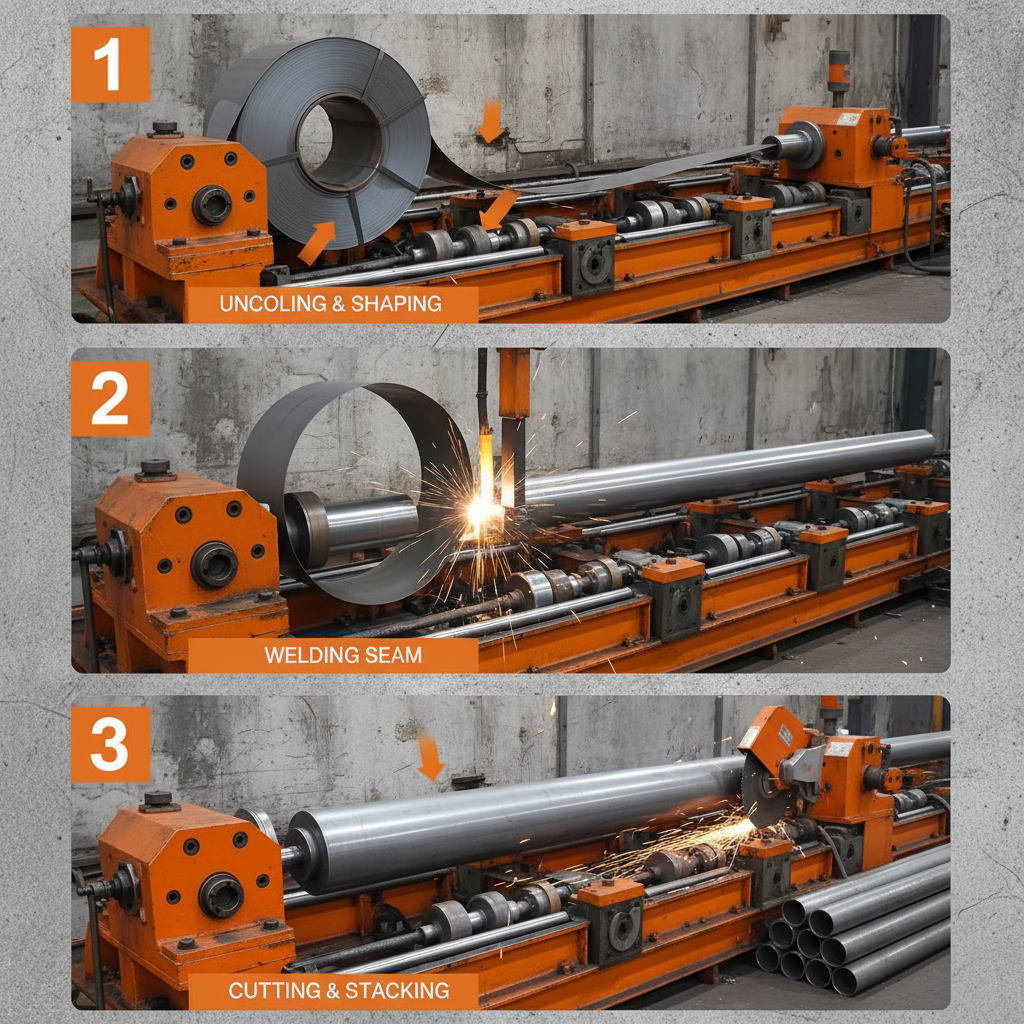
Black steel pipe for gas line is manufactured from carbon steel and typically undergoes a process of hot-rolling. This process creates a pipe with a dark, slightly rough exterior—hence the term “black steel.” The pipe is then coated with a protective layer, often oil or varnish, to prevent rust during storage and transportation. Crucially, it's the steel's inherent strength and weldability that make it suitable for high-pressure gas transmission and distribution.
Its connection to modern industry lies in its ability to reliably transport natural gas, a critical energy source for various sectors. From powering industrial facilities to heating residential homes, black steel pipe contributes to the functionality of modern life. The gas it delivers is essential to manufacturing, agriculture, and many other essential services.
While other materials like polyethylene (PE) pipe are increasingly used for some gas distribution applications, black steel remains a standard, especially for higher-pressure transmission lines. Choosing the correct type of black steel pipe for gas line, based on pressure requirements, environmental conditions, and local regulations, is paramount for safe and effective operation.
Core Components and Key Factors
Several key factors contribute to the effectiveness of black steel pipe for gas line. Firstly, its Durability is a significant advantage. The inherent strength of carbon steel, combined with its resistance to impact and external forces, ensures a long service life. Secondly, Weldability is essential for creating secure, leak-proof joints in pipeline systems. Black steel readily lends itself to various welding techniques.
Thirdly, Cost-Effectiveness plays a vital role in its widespread adoption. Compared to some alternative materials, black steel offers a more affordable solution for large-scale pipeline projects. Fourthly, Scalability is important, allowing for the construction of pipelines of varying diameters and lengths to meet diverse demands. Finally, Corrosion Resistance is also a consideration, although black steel requires protective coatings to prevent rust and ensure long-term performance.
black steel pipe for gas line Performance Metrics
Global Applications and Use Cases
Black steel pipe for gas line is extensively utilized in both transmission and distribution systems worldwide. In North America, it forms a significant portion of the vast network transporting natural gas across states and provinces. In Europe, it’s crucial for delivering gas from import terminals to industrial centers and residential areas. In regions like Russia and the Middle East, where natural gas production is high, black steel pipelines are essential for both domestic distribution and export.
Beyond large-scale infrastructure, black steel pipe for gas line is also employed in smaller, localized applications, such as connecting individual buildings to the gas main. In post-disaster relief operations, quickly deployable gas lines constructed from black steel can provide vital heating and cooking fuel to affected communities. In remote industrial zones, it’s frequently chosen for its robustness and reliability.
Furthermore, it’s common in agricultural settings, providing gas for heating greenhouses and powering irrigation systems. The versatility of black steel piping, coupled with its ability to handle high pressures and withstand harsh environments, ensures its continued relevance across a wide range of applications.
Advantages and Long-Term Value
The advantages of utilizing black steel pipe for gas line extend beyond its initial cost-effectiveness. Its inherent strength and durability contribute to a longer service life, reducing the need for frequent replacements and minimizing lifecycle costs. The reliability of black steel pipelines enhances energy security, ensuring a consistent supply of gas to consumers and businesses. This predictability translates into economic stability and fosters trust in the energy infrastructure.
From a sustainability perspective, the longevity of black steel pipe reduces waste associated with frequent replacements. The material is also recyclable, contributing to a circular economy. The safe and efficient transport of natural gas supports economic development and improves the quality of life for millions of people, further amplifying its long-term value.
Future Trends and Innovations
Several trends are shaping the future of black steel pipe for gas line. Increased focus on pipeline integrity management is driving the adoption of advanced inspection technologies, such as in-line inspection (ILI) tools and remote sensing techniques. These technologies allow operators to detect and address potential issues before they escalate into failures. The integration of digital twins, virtual representations of physical pipelines, will further enhance monitoring and predictive maintenance capabilities.
The blending of renewable natural gas (RNG) and hydrogen into existing gas streams is another significant development. While black steel pipe is generally compatible with these alternative gases, careful consideration must be given to material compatibility and potential impacts on pipeline integrity. Developments in coatings are aimed at enhancing corrosion resistance and extending the lifespan of existing pipelines.
Challenges in black steel pipe for gas line Applications and Solutions
Despite its many advantages, black steel pipe for gas line faces challenges such as internal corrosion, external corrosion from soil conditions, and potential cracking due to stress and fatigue. These issues can lead to leaks and compromise the safety and reliability of the gas distribution network. Another challenge is the cost associated with regular inspections and maintenance, which are essential for preventing failures.
Solutions include implementing advanced corrosion monitoring systems, applying high-performance coatings, and utilizing cathodic protection techniques to mitigate corrosion. Embracing predictive maintenance strategies, leveraging data analytics, and employing robotic inspection tools can also help optimize maintenance schedules and reduce costs. Regular operator training and adherence to stringent industry standards are also critical components of a robust pipeline management program.
Furthermore, research into new materials and alloys with enhanced corrosion resistance and improved weldability is ongoing, paving the way for more durable and sustainable pipeline infrastructure. Selecting the correct grade of black steel pipe for gas line for a given application is paramount in addressing these challenges.
Summary of Challenges and Solutions in Black Steel Pipe for Gas Line Applications
| Challenge |
Severity Level (1-10) |
Potential Impact |
Proposed Solution |
| Internal Corrosion |
7 |
Reduced pipeline lifespan, potential leaks |
Chemical inhibitors, internal coatings |
| External Corrosion |
8 |
Pipeline failure, environmental damage |
Cathodic protection, protective coatings |
| Stress Corrosion Cracking |
6 |
Sudden pipeline rupture, safety hazard |
Stress relief, material upgrades |
| Aging Infrastructure |
9 |
Increased maintenance costs, higher failure risk |
Pipeline replacement, rehabilitation programs |
| Leak Detection Challenges |
5 |
Environmental contamination, gas loss |
Advanced leak detection systems, aerial surveys |
| Inspection Costs |
7 |
Budget constraints, deferred maintenance |
Robotic inspections, risk-based inspection strategies |
FAQS
The lifespan of a black steel gas line can vary significantly based on factors like soil conditions, coating quality, and maintenance practices. However, with proper care, a well-installed black steel gas line can reliably operate for 50 to 100 years. Regular inspections and preventative maintenance, including corrosion monitoring and coating repairs, are crucial for maximizing its service life. Selecting the appropriate grade of black steel pipe for gas line initially also impacts longevity.
The frequency of inspections depends on several factors, including the age of the pipeline, the operating pressure, and the surrounding environment. However, as a general guideline, black steel gas lines should be inspected at least annually. More frequent inspections may be required in areas with high corrosion potential or where the pipeline is subject to external stresses. Advanced inspection technologies, like in-line inspection (ILI) tools, can provide detailed assessments of pipeline integrity.
Corrosion in black steel gas lines can be caused by various factors, including exposure to moisture, oxygen, and corrosive elements in the soil. Internal corrosion can occur due to the presence of water, hydrogen sulfide, or carbon dioxide in the gas stream. External corrosion is often caused by soil acidity, chlorides, and microbial activity. Proper coating application, cathodic protection, and the use of corrosion inhibitors are essential for mitigating these risks.
Yes, black steel gas lines can often be repaired if they develop a leak. However, the repair method will depend on the size and location of the leak, as well as the condition of the surrounding pipe. Common repair techniques include welding, mechanical clamping, and the use of composite wraps. All repairs must be performed by qualified personnel in accordance with applicable regulations and industry standards. Temporary repairs are often followed by permanent fixes.
Black steel pipe offers several advantages over materials like polyethylene (PE), particularly for high-pressure applications and larger diameter pipelines. It boasts superior strength, durability, and resistance to mechanical damage. While PE pipe is more flexible and corrosion-resistant, black steel generally provides a longer service life and is better suited for challenging environments. The choice between materials depends on specific project requirements and cost considerations.
Common protective coatings for black steel gas lines include epoxy coatings, polyethylene coatings, and fusion-bonded epoxy (FBE) coatings. These coatings provide a barrier against corrosion, preventing the pipe from coming into contact with corrosive elements in the soil or gas stream. The selection of the appropriate coating depends on the specific environmental conditions and the type of corrosive agents present. Regular inspection and maintenance of the coating are crucial for ensuring its effectiveness.
Conclusion
In conclusion, black steel pipe for gas line remains a vital component of global energy infrastructure due to its strength, durability, and cost-effectiveness. Understanding its properties, applications, and the challenges associated with its use is essential for ensuring the safe and reliable delivery of natural gas. Proactive maintenance, advanced inspection technologies, and adherence to industry standards are critical for maximizing the lifespan and minimizing the risks associated with black steel pipelines.
Looking ahead, continued innovation in materials, coatings, and inspection techniques will be crucial for adapting to the changing energy landscape. The integration of renewable natural gas and hydrogen into existing gas networks will present new opportunities and challenges, requiring ongoing research and development to ensure the continued sustainability of gas distribution systems. Visit our website at www.szpipefitting.com for more information on high-quality black steel pipe solutions.