
Comprehensive Guide to 5 16 Steel Tubing Applications and Selection
Understanding 5 16 Steel Tubing: Applications and Considerations
5 16 steel tubing is a versatile material frequently used across various industries, from manufacturing and construction to automotive and DIY projects. Its strength, relatively lightweight nature, and affordability make it a popular choice. This article will explore the different types of 5 16 steel tubing, their applications, key properties, and factors to consider when purchasing. Whether you’re a seasoned professional or a beginner, understanding the nuances of this tubing will help you make informed decisions for your specific needs. Learn more about our extensive steel tubing options at SZ Pipefitting.
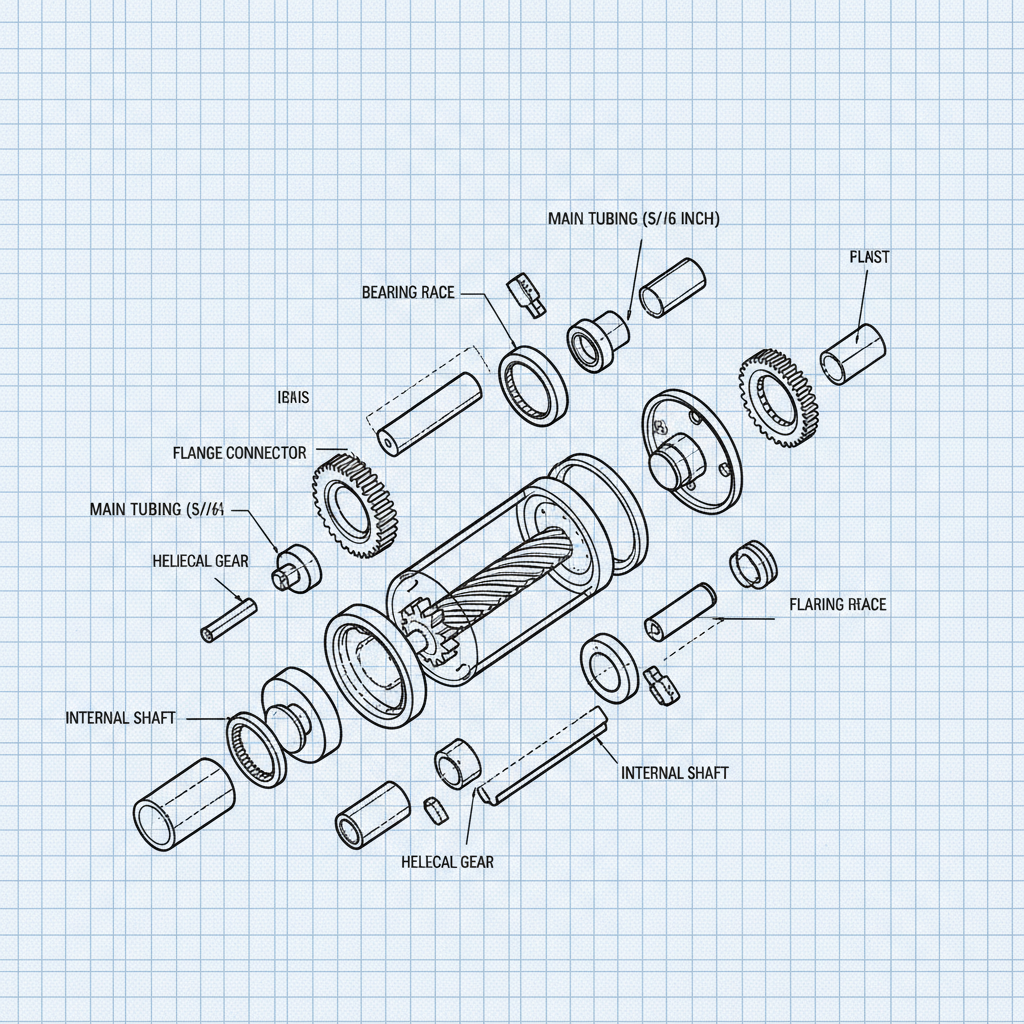
Types of 5 16 Steel Tubing
5 16 steel tubing isn’t a one-size-fits-all product. Different manufacturing processes and steel compositions result in varying properties. Common types include:
- Carbon Steel Tubing: The most common and affordable type, known for its strength and weldability.
- Alloy Steel Tubing: Contains alloying elements (like chromium, nickel, or molybdenum) to enhance specific properties such as corrosion resistance or higher strength.
- Stainless Steel Tubing: Offers excellent corrosion resistance, making it ideal for environments exposed to moisture or chemicals.
- ERW (Electric Resistance Welded) Tubing: Produced by welding steel coils using electric resistance. Generally used for less demanding applications.
- Seamless Tubing: Manufactured without a welded seam, offering superior strength and pressure resistance.
The choice of tubing depends on the intended application and the specific performance requirements. SZ Pipefitting offers a comprehensive range of 5 16 steel tubing types to suit diverse needs.
Key Takeaway: Choosing the right type of 5 16 steel tubing is critical for ensuring the longevity and performance of your project. Consider the environment, required strength, and budget constraints.
Applications of 5 16 Steel Tubing
The versatility of 5 16 steel tubing leads to its use in a wide array of applications. Some prominent examples include:
- Automotive: Roll cages, chassis components, exhaust systems.
- Construction: Support structures, scaffolding, handrails.
- Manufacturing: Product frames, brackets, machine components.
- Furniture: Chair frames, table legs, decorative elements.
- DIY Projects: Art installations, custom builds, repairs.
The specific properties of each tubing type determine its suitability for a given application. For instance, stainless steel tubing is often preferred in marine applications due to its corrosion resistance, while carbon steel is commonly used for structural applications where strength is paramount.
Application Examples:
• Automotive roll cages require seamless tubing for maximum strength and safety.
• Furniture frames often utilize ERW tubing for cost-effectiveness.
• Outdoor structures benefit from corrosion-resistant stainless steel tubing.
5 16 Steel Tubing: A Comparative Analysis
Understanding the differences between various steel tubing types is crucial for selecting the optimal material for your project. Here's a comparison highlighting key characteristics:
Factors to Consider When Purchasing 5 16 Steel Tubing
Before making a purchase, consider these critical factors:
- Wall Thickness: Thicker walls offer greater strength but increase weight and cost.
- Material Grade: Select the appropriate grade based on the application's requirements.
- Finish: Choose a finish that provides adequate protection against corrosion or wear.
- Tolerance: Ensure the tubing meets the required dimensional tolerances for your project.
- Supplier Reputation: Purchase from a reputable supplier to guarantee quality and consistency. SZ Pipefitting is committed to providing high-quality steel tubing and exceptional customer service.
Conclusion: Choosing the Right 5 16 Steel Tubing for Your Needs
Investing in Quality and Expertise
Selecting the correct 5 16 steel tubing is vital for the success and safety of your projects. By understanding the different types, applications, and key considerations, you can make an informed decision. SZ Pipefitting is your trusted partner for sourcing high-quality steel tubing and receiving expert guidance. Don't compromise on quality – choose SZ Pipefitting for all your steel tubing needs.
Frequently Asked Questions (FAQs)
What is the typical weight of a 5 16 steel tubing?
The weight of 5 16 steel tubing varies depending on the wall thickness and the type of steel. Generally, a 1-foot length of 5/16" diameter steel tubing weighs approximately 0.42-0.5 pounds. It's important to consult specific product specifications for accurate weight calculations, as different materials and thicknesses will affect the overall weight. For precise weight information on our products, please visit SZ Pipefitting's product pages.
Can 5 16 steel tubing be easily bent?
Yes, 5 16 steel tubing can be bent, but the ease of bending depends on the steel type and wall thickness. Carbon steel is generally easier to bend than stainless steel. Thinner walls are more easily bent but offer less structural support. Using a tube bender is highly recommended to achieve clean, accurate bends without kinking or collapsing the tubing. Proper bending techniques and the right tools are crucial for achieving desired results.
What welding methods are suitable for 5 16 steel tubing?
Several welding methods can be used for 5 16 steel tubing, including MIG (Gas Metal Arc Welding), TIG (Gas Tungsten Arc Welding), and Stick (Shielded Metal Arc Welding). MIG welding is often preferred for its speed and ease of use, while TIG welding offers greater precision and is suitable for thinner materials. Proper welding techniques and the use of appropriate filler metals are essential for creating strong, reliable welds. SZ Pipefitting can provide guidance on compatible welding processes for our tubing.
How do I prevent rust on carbon steel 5 16 tubing?
Carbon steel is susceptible to rust, so preventative measures are crucial. Applying a protective coating such as paint, powder coating, or oil can significantly reduce rust formation. Galvanization, a process of coating the steel with zinc, provides excellent corrosion resistance. Regular cleaning and maintenance are also important, especially in environments with high humidity or exposure to corrosive elements. For long-term protection, consider using stainless steel tubing instead.