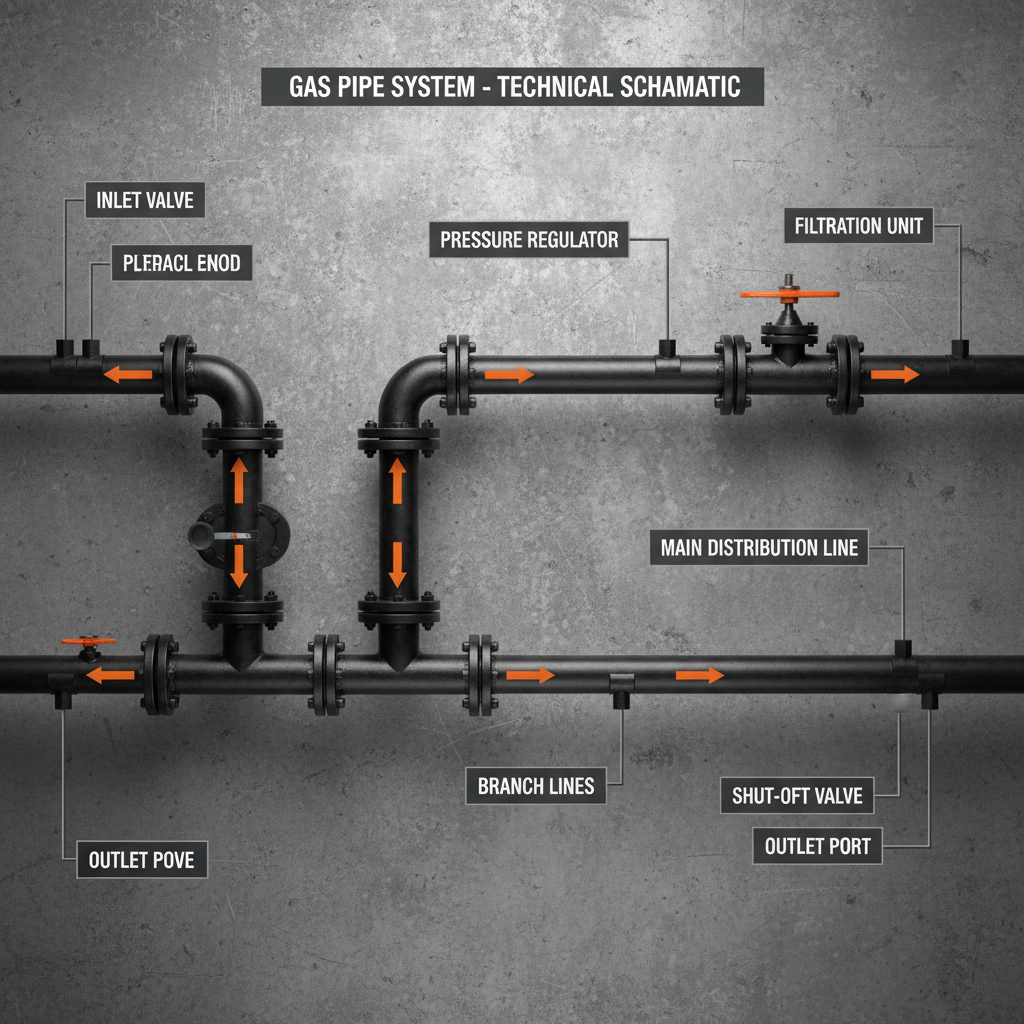
Black steel gas pipe is a fundamental component in the safe and efficient distribution of natural gas and propane, critical for residential heating, commercial operations, and industrial processes. Its robust construction and established installation practices make it a widely trusted solution globally. Understanding the properties, applications, and maintenance of black steel gas pipe is paramount for ensuring public safety and optimal energy delivery.
The global demand for reliable and safe gas distribution infrastructure is continuously growing, driven by expanding populations and increasing energy needs. While alternative materials are emerging, black steel gas pipe remains a significant part of existing and new installations, particularly in areas where its durability and cost-effectiveness are highly valued. The standardization of black steel gas pipe through organizations like ASTM ensures consistent quality and safety across international markets.
Despite advancements in piping technologies, black steel gas pipe continues to be a practical and economical choice for many applications. Its resistance to corrosion, when properly maintained, contributes to its longevity, making it a sustainable option. However, it is essential to adhere to stringent safety regulations and best practices throughout the entire lifecycle of a black steel gas pipe system, from initial installation to ongoing inspection and maintenance.
Introduction to Black Steel Gas Pipe
Black steel gas pipe has served as a cornerstone of gas distribution systems for over a century. Its relatively low cost, combined with its inherent strength and ability to withstand high pressures, has made it a preferred material for many installations. Proper installation and regular maintenance are critical to realizing the full lifespan and safety benefits of black steel gas pipe.
The continued relevance of black steel gas pipe in the 21st century is a testament to its enduring qualities. While alternatives such as polyethylene (PE) and corrugated stainless steel tubing (CSST) are gaining traction, black steel remains a staple in numerous applications due to its proven track record and compatibility with existing infrastructure. Understanding its limitations and proper application techniques remains essential for engineers and technicians alike.
Defining Black Steel Gas Pipe
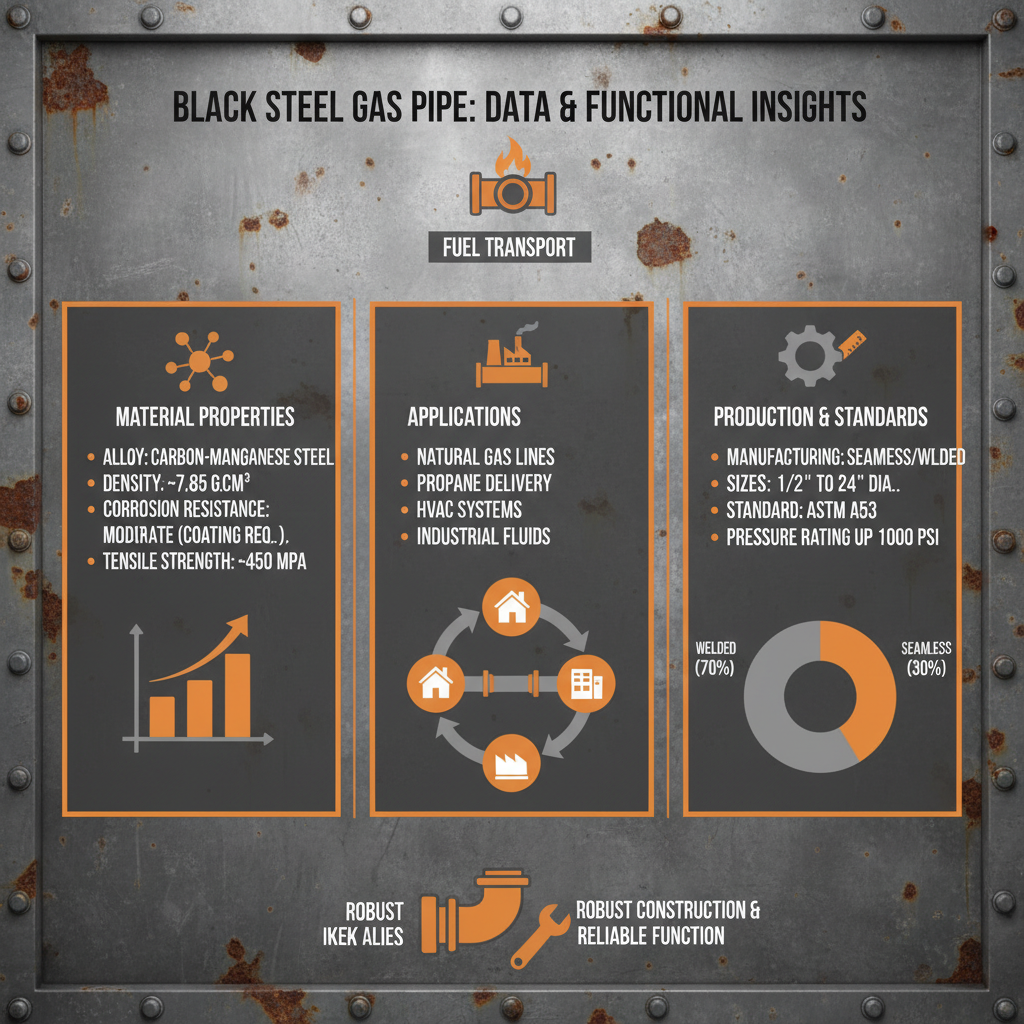
Black steel gas pipe refers to carbon steel pipe that has been manufactured without any galvanizing or other protective coatings. The "black" refers to the mill scale that forms on the surface during the hot-forming process. This mill scale offers some degree of corrosion resistance, but it’s generally recommended to apply a protective coating, such as paint or sealant, to enhance its durability, especially in exposed environments.
This type of pipe is specifically manufactured to meet standards set by organizations like ASTM, ensuring it possesses the necessary tensile strength and pressure-bearing capabilities for gas conveyance. Different schedules (thicknesses) of black steel gas pipe are available to accommodate varying pressure requirements and application demands. The pipe is typically threaded for easy connection using fittings.
Black steel gas pipe plays a vital role in modern infrastructure by safely delivering energy to homes, businesses, and industrial facilities. Its widespread use stems from its ability to handle both natural gas and propane, making it a versatile solution for a broad range of energy needs.
Core Properties of Black Steel Gas Pipe
Durability is a key characteristic of black steel gas pipe. Its robust construction allows it to withstand significant mechanical stress and internal pressure, making it suitable for both above-ground and underground installations. Proper installation and support are, however, crucial to prevent stress fractures or bending.
Corrosion resistance, although not inherent, can be significantly enhanced through protective coatings. While the mill scale offers some initial protection, applying paint, epoxy coatings, or cathodic protection systems drastically extends the lifespan of the pipe, particularly in corrosive soil conditions or humid environments. Regular inspections are vital to identify and address any signs of corrosion.
Cost-effectiveness remains a major advantage of black steel gas pipe. Compared to some alternative materials, it generally offers a lower initial material cost. This makes it an attractive option for large-scale projects and installations where budget considerations are paramount. However, it's important to factor in the cost of protective coatings and ongoing maintenance.
Key Applications of Black Steel Gas Pipe
Residential gas lines represent a significant application of black steel gas pipe. From connecting homes to the main gas supply to distributing gas within the house for heating, cooking, and water heating, black steel is a common choice for its reliability and established installation practices.
Commercial and industrial facilities also heavily rely on black steel gas pipe for powering various processes, including heating, ventilation, air conditioning, and manufacturing equipment. The ability of the pipe to handle higher pressures and larger gas volumes makes it suitable for these demanding applications.
Black Steel Gas Pipe Application Breakdown
Advantages and Long-Term Value
The cost-effectiveness of black steel gas pipe makes it a financially attractive option, particularly for large-scale installations. Reduced material costs can translate into significant savings for projects, especially when compared to more expensive alternatives. However, it's important to consider the total cost of ownership, including installation, maintenance, and potential repairs.
Reliability is a hallmark of black steel gas pipe systems. When properly installed and maintained, these systems can provide decades of dependable service. This long-term reliability minimizes the risk of disruptions and reduces the need for frequent replacements, ultimately contributing to operational efficiency.
Future Trends in Gas Piping
The integration of smart technologies is becoming increasingly prevalent in gas distribution systems. This includes the use of sensors to monitor pressure, flow rates, and potential leaks in black steel gas pipe networks. Real-time data allows for proactive maintenance and rapid response to emergencies.
A growing emphasis on sustainability is driving the development of corrosion-resistant coatings and materials that extend the lifespan of black steel gas pipe. This reduces the need for frequent replacements and minimizes environmental impact. Furthermore, research into hydrogen compatibility is underway to explore the potential of utilizing existing black steel infrastructure for hydrogen distribution.
Challenges and Mitigation Strategies
Corrosion remains a significant challenge for black steel gas pipe, particularly in aggressive soil conditions or coastal environments. Mitigation strategies include applying high-performance coatings, implementing cathodic protection systems, and conducting regular inspections to identify and address any signs of corrosion.
Leak detection is another critical concern. Implementing leak detection surveys, utilizing advanced sensor technologies, and establishing robust maintenance protocols are essential for minimizing gas loss and ensuring public safety. Regular training for personnel involved in the installation and maintenance of black steel gas pipe is also crucial.
The transition to alternative fuels, such as hydrogen, poses a challenge to existing black steel infrastructure. Research is needed to determine the compatibility of black steel with hydrogen and to develop appropriate mitigation strategies to prevent hydrogen embrittlement.
Summary of Black Steel Gas Pipe Challenge Mitigation
| Challenge Area |
Mitigation Strategy |
Implementation Cost (1-10) |
Effectiveness (1-10) |
| Corrosion |
Protective Coatings & Cathodic Protection |
6 |
9 |
| Leakage |
Regular Inspections & Sensor Networks |
7 |
8 |
| Hydrogen Embrittlement |
Material Research & Compatibility Testing |
8 |
6 |
| Joint Integrity |
Proper Threading & Joint Compound Application |
3 |
7 |
| Installation Errors |
Certified Installers & Quality Control |
5 |
8 |
| Regulatory Compliance |
Ongoing Training & Documentation |
4 |
9 |
FAQS
A well-maintained black steel gas pipe system can last for 50 years or more. The lifespan is heavily influenced by environmental factors, the quality of the initial installation, and the frequency of inspections and maintenance. Protective coatings and cathodic protection can significantly extend the pipe's service life by preventing corrosion. Regular leak surveys and timely repairs are also essential.
Safety is paramount when working with black steel gas pipe. Always ensure the gas supply is shut off and the line is properly purged before any work is performed. Use appropriate tools and fittings specifically designed for gas lines. Never use flammable materials near potential gas leaks. Follow all local codes and regulations, and consult with qualified professionals when necessary. Proper ventilation is crucial during any work involving gas.
Corrosion weakens the pipe walls, potentially leading to leaks and failures. Soil composition, moisture levels, and the presence of corrosive chemicals all contribute to corrosion. Prevention involves applying protective coatings (paint, epoxy), utilizing cathodic protection systems, and ensuring proper grounding. Regular inspections can identify corrosion early, allowing for timely repairs or replacements.
The "schedule" of black steel pipe refers to its wall thickness. Higher schedules (e.g., Schedule 80) have thicker walls and can withstand higher pressures. Schedule 40 is commonly used for residential gas lines, while Schedule 80 may be required for higher-pressure commercial or industrial applications. The appropriate schedule must be selected based on the system's design pressure and operating conditions.
Yes, black steel gas pipe can be used for both natural gas and propane, provided the pipe is appropriately sized and rated for the pressure requirements of the specific fuel. Propane has a higher vapor pressure than natural gas, so it often requires heavier-walled pipe (higher schedule) and more robust fittings. Always consult with a qualified gas fitter to ensure compliance with local codes and regulations.
Gas leaks can be detected using a variety of methods. A soap solution applied to joints and fittings will bubble if a leak is present. Electronic gas leak detectors are also available and provide a more sensitive means of detection. If you suspect a gas leak, immediately evacuate the area, shut off the gas supply, and contact the gas company or a qualified professional.
Conclusion
Black steel gas pipe remains a vital component of energy infrastructure worldwide, providing a reliable and cost-effective solution for gas distribution. Its durability, when properly maintained, coupled with established installation practices, ensures safe and efficient delivery of fuel to homes and businesses. Understanding the properties, applications, and potential challenges associated with black steel gas pipe is essential for professionals and homeowners alike.
Looking ahead, advancements in materials science and smart technologies will continue to shape the future of gas piping systems. Integrating these innovations with established practices, such as regular inspections and corrosion protection, will enhance the longevity and safety of black steel gas pipe infrastructure. For further information and quality black steel gas pipe solutions, visit our website: www.szpipefitting.com.