0%

Table of Contents

Look, I’ve been on more construction sites than I’ve had hot dinners. You quickly learn what works, and what doesn’t. And one thing I can tell you, after years of seeing projects stalled by supply chain issues and needing reliable, long-lasting infrastructure – corrugated stainless steel pipe is a game-changer. It's not just about the pipe itself; it's about the whole system simplifying things on site, reducing downtime, and ultimately, delivering projects on time and under budget. We’re talking about a robust solution that addresses real-world problems for engineers, contractors, and everyone in between.

It’s a step up from traditional materials, frankly. I've seen plenty of projects held up by corrosion, leaks, and the sheer difficulty of working with rigid piping. Corrugated stainless steel pipe offers a flexibility that’s invaluable, especially in seismic zones or where ground movement is a concern. It’s not about chasing the latest trend; it's about recognizing a practical solution that delivers consistent performance, even in the harshest environments. And, honestly, less hassle on-site is always a win.

This isn't some lab experiment; this is material built for real-world application. I’ve seen it installed in everything from water treatment plants to critical infrastructure projects, and the feedback is consistently positive. It's a dependable solution that’s gaining traction, and for good reason.
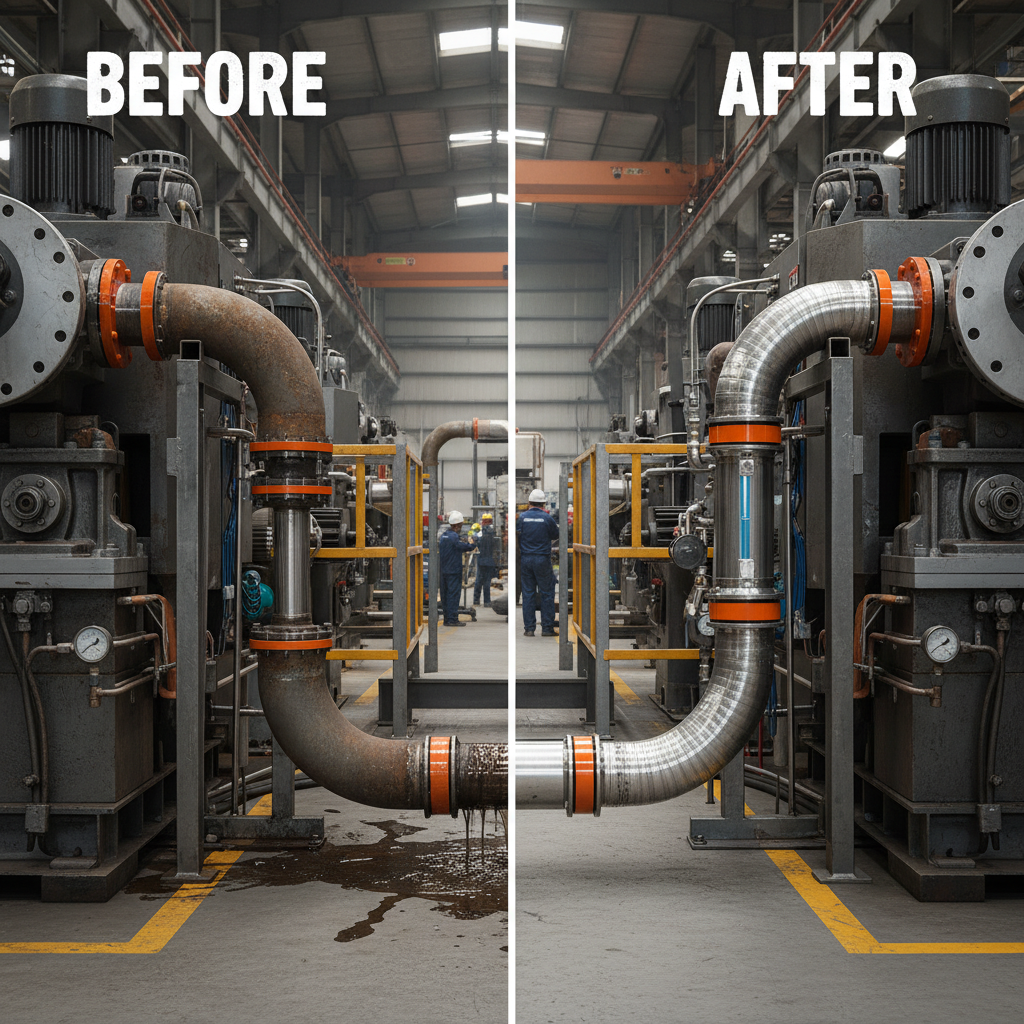
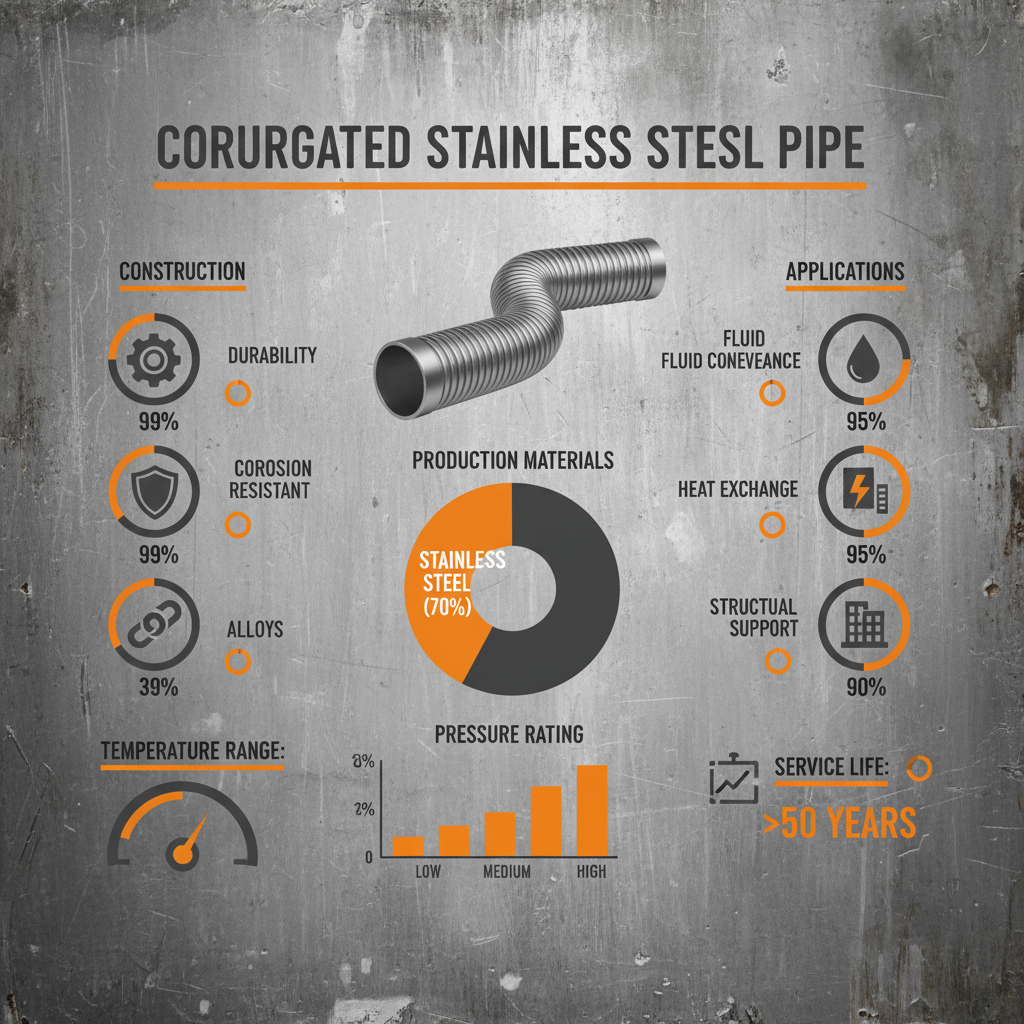
Corrugated Stainless Steel Pipe A Game Changer for Modern Infrastructure

The Importance of Corrugated Stainless Steel Pipe in Modern Infrastructure

Corrugated Stainless Steel Pipe A Game Changer for Modern Infrastructure

We’re seeing a massive push globally for infrastructure upgrades – water management, sewage systems, drainage – the list goes on. And a lot of that existing infrastructure is…well, let's just say it’s past its prime. That’s where corrugated stainless steel pipe comes in. It's a crucial component for building resilient, long-lasting systems. The UN estimates that trillions of dollars are needed for infrastructure investment in the next decade, and material choices matter. Choosing the right material now means fewer repairs, lower lifecycle costs, and a more sustainable future.

It's not just about replacing old pipes; it's about building for the future. With increasing urbanization and more extreme weather events, we need infrastructure that can withstand the pressure. Corrugated stainless steel pipe provides that reliability, and that’s why you’re seeing it specified in more and more projects around the world.

Understanding Corrugated Stainless Steel Pipe: A Definition

Simply put, corrugated stainless steel pipe (CSSP) is a flexible pipe constructed from stainless steel with a corrugated exterior and an interior coating. The corrugations give it strength and flexibility, allowing it to handle a variety of applications. The stainless steel itself provides excellent corrosion resistance, which is critical for long-term performance. It’s a significant upgrade over traditional materials like concrete or ductile iron, especially in challenging environments.

Think of it like this: it’s not just a pipe, it’s a system. The combination of the stainless steel, the corrugations, and the inner coating creates a durable, lightweight, and cost-effective solution for a wide range of applications. It’s designed to handle everything from stormwater management to industrial wastewater transport.

In today’s world, where sustainability and longevity are paramount, CSSP fits the bill. It’s a material that’s built to last, reducing the need for frequent replacements and minimizing environmental impact. It’s a smart investment in the long run.

Key Attributes of Corrugated Stainless Steel Pipe

Let’s talk about what makes CSSP stand out. First, its durability. Stainless steel is inherently resistant to corrosion, even in highly aggressive environments. I’ve seen it withstand exposure to saltwater, chemicals, and extreme temperatures without showing significant degradation. That's a huge advantage over materials that require constant maintenance and repair.

Next, there’s flexibility. The corrugated design allows the pipe to accommodate ground movement, seismic activity, and settlement without cracking or failing. This is a critical feature in areas prone to earthquakes or unstable soil conditions. I’ve seen rigid pipes completely shatter during minor ground shifts; CSSP just bends and keeps functioning.

Then you have lightweight construction. Compared to concrete or ductile iron, CSSP is significantly lighter, making it easier to handle and install. This translates to reduced labor costs and faster project completion times. Less strain on crews means a safer work environment too. And finally, cost-effectiveness – while the initial cost might be slightly higher, the long-term savings from reduced maintenance and replacement make it a financially sound choice.

Global Applications and Real-World Use Cases

I've seen corrugated stainless steel pipe used in projects all over the world. In post-disaster relief operations, its lightweight and ease of installation are invaluable for quickly establishing temporary water and sewage systems. In remote industrial zones, where access is limited and maintenance is difficult, its durability and corrosion resistance are essential.

In Europe, it's being extensively used for stormwater management systems in urban areas, helping to mitigate flooding risks. Here in the US, you'll find it in everything from highway drainage projects to industrial wastewater treatment plants. The versatility is remarkable.

It’s also gaining popularity in agricultural applications for irrigation and drainage, and increasingly in green infrastructure projects where sustainability is a key priority. The demand is growing, and it’s a testament to the pipe’s reliable performance.

Comparative Performance of Corrugated Stainless Steel Pipe Applications


Advantages and Long-Term Value Proposition

The benefits of using corrugated stainless steel pipe aren't just about immediate cost savings; they’re about long-term value. The reduced maintenance requirements translate to lower operational costs over the lifespan of the project. No constant patching, no emergency repairs, just reliable performance.

From a sustainability standpoint, the durability of CSSP minimizes waste. Less frequent replacements mean less material ending up in landfills. And that’s a win for everyone. It's an investment that aligns with responsible construction practices.

Future Trends and Innovations in Corrugated Stainless Steel Pipe Technology

We’re seeing ongoing research into new coating technologies to further enhance the corrosion resistance of CSSP. There’s also a focus on developing more efficient installation methods, including robotic systems that can handle larger diameters and challenging terrains.

Digital twins and smart pipe monitoring systems are also gaining traction. These systems use sensors to track pipe performance in real-time, providing early warning signs of potential issues. This proactive approach allows for preventative maintenance, minimizing downtime and maximizing lifespan.

Challenges and Solutions: Addressing Implementation Hurdles

One of the biggest challenges is awareness. Some engineers and contractors are still unfamiliar with the benefits of CSSP and may default to traditional materials. Education and training are key to overcoming this hurdle.

Another challenge is the initial cost. While the long-term value is clear, the upfront investment can be a barrier. Demonstrating the lifecycle cost savings and highlighting the reduced maintenance requirements can help address this concern.

Finally, sourcing reliable suppliers is critical. It’s important to work with manufacturers who adhere to strict quality control standards and can provide technical support. A solid supply chain ensures project success.

Summary of Key Challenges and Solutions for Corrugated Stainless Steel Pipe Implementation

Challenge Impact on Project Proposed Solution Implementation Cost (1-10)
Lack of Awareness Delayed Adoption, Continued Use of Inferior Materials Targeted Educational Campaigns, Case Studies 3
Higher Initial Cost Project Budget Constraints, Preference for Lower Initial Costs Lifecycle Cost Analysis, Value Engineering 6
Supplier Reliability Quality Control Issues, Delivery Delays Vendor Qualification Process, Supply Chain Diversification 5
Installation Expertise Improper Installation, Reduced Performance Certified Installer Training Programs 4
Code Compliance Permitting Delays, Regulatory Issues Collaboration with Regulatory Agencies 2
Corrosion in Extreme Environments Reduced Lifespan, Increased Maintenance Advanced Coating Technologies, Material Selection 7

FAQS

What are the primary applications for corrugated stainless steel pipe in the construction industry?

Corrugated stainless steel pipe excels in a multitude of construction applications, particularly where durability and flexibility are paramount. It’s heavily used in stormwater management, drainage systems, culverts, and as conduit for utilities. Its corrosion resistance makes it ideal for projects in harsh environments like coastal areas or industrial sites, while its flexibility allows for installation in areas prone to ground movement or seismic activity. Compared to traditional materials, CSSP often offers a longer lifespan and reduced maintenance, making it a cost-effective choice in the long run.

How does corrugated stainless steel pipe compare to concrete pipe in terms of lifespan and cost?

While concrete pipe may have a lower initial cost, corrugated stainless steel pipe typically boasts a significantly longer lifespan and reduced life-cycle costs. Concrete is susceptible to corrosion and cracking, requiring frequent repairs or replacements. CSSP, with its inherent corrosion resistance and flexibility, minimizes these issues. Over a 50-100 year lifespan, the reduced maintenance and replacement costs of CSSP often outweigh the higher upfront investment. The longevity and dependability of CSSP are key advantages in long-term infrastructure projects.

Is corrugated stainless steel pipe suitable for use in seismically active regions?

Absolutely. The corrugated design of the pipe provides exceptional flexibility, allowing it to withstand ground movement and seismic activity without fracturing. This makes it a preferred choice in areas prone to earthquakes. Unlike rigid pipes, which can crack and fail under stress, CSSP can bend and flex, maintaining structural integrity. This inherent resilience translates to reduced damage and downtime following a seismic event, making it a vital component of resilient infrastructure.

What types of coatings are used on corrugated stainless steel pipe and what purpose do they serve?

Various coatings are applied to CSSP to further enhance its performance. Common coatings include polyethylene, polypropylene, and epoxy. These coatings provide additional corrosion resistance, especially in highly aggressive environments, and can also reduce friction for improved flow rates. Coatings also help to protect the stainless steel from abrasion during installation and use. The selection of the appropriate coating depends on the specific application and the anticipated exposure conditions.

What is the typical installation process for corrugated stainless steel pipe?

Installation of CSSP is relatively straightforward. The lightweight nature of the pipe simplifies handling and placement. Joints are typically connected using band couplings, which provide a watertight seal. Proper bedding and backfilling are crucial to ensure stability and prevent deformation. Specialized equipment, like excavators and compaction rollers, are used for trenching and backfilling. Detailed installation guidelines are provided by manufacturers to ensure correct procedures are followed.

Are there any environmental benefits to using corrugated stainless steel pipe?

Yes, CSSP offers several environmental benefits. Its long lifespan reduces the need for frequent replacements, minimizing waste and resource consumption. The corrosion resistance reduces the risk of leaks and contamination, protecting water quality and soil health. Stainless steel is also a recyclable material, further enhancing its sustainability profile. By choosing CSSP, projects can contribute to a more sustainable infrastructure system.

Conclusion

In closing, corrugated stainless steel pipe isn’t just a product; it’s a solution built on decades of engineering expertise and real-world application. It addresses critical challenges in infrastructure – durability, flexibility, corrosion resistance, and long-term cost-effectiveness. It’s a material that’s proven its worth on countless projects across the globe.

Looking ahead, the continued innovation in coating technologies and installation methods will only further enhance the value proposition of CSSP. I encourage engineers, contractors, and project owners to seriously consider this material for their next project. For more information and to explore how corrugated stainless steel pipe can benefit your project, visit our website.


David Miller

David Miller

David Miller is a seasoned Sales Engineer at HEBEI GAIN TRADING CO., LTD, with over 12 years of experience in the pipe fitting industry. He specializes in assisting clients with selecting the optimal materials for their gas, water, and oil pipeline projects. David holds a Bachelor's degree in Mechanical Engineering
Previous The Indispensable Role of Duplex Stainless Steel Pipe in Critical Infrastructure
Next Premium Carbon Steel Elbows for Robust Piping Systems
Copyright © 2026 Hebei Gain Trading Co.,Ltd . All Rights Reserved. Sitemap | Privacy Policy | Top Blog | Global Service