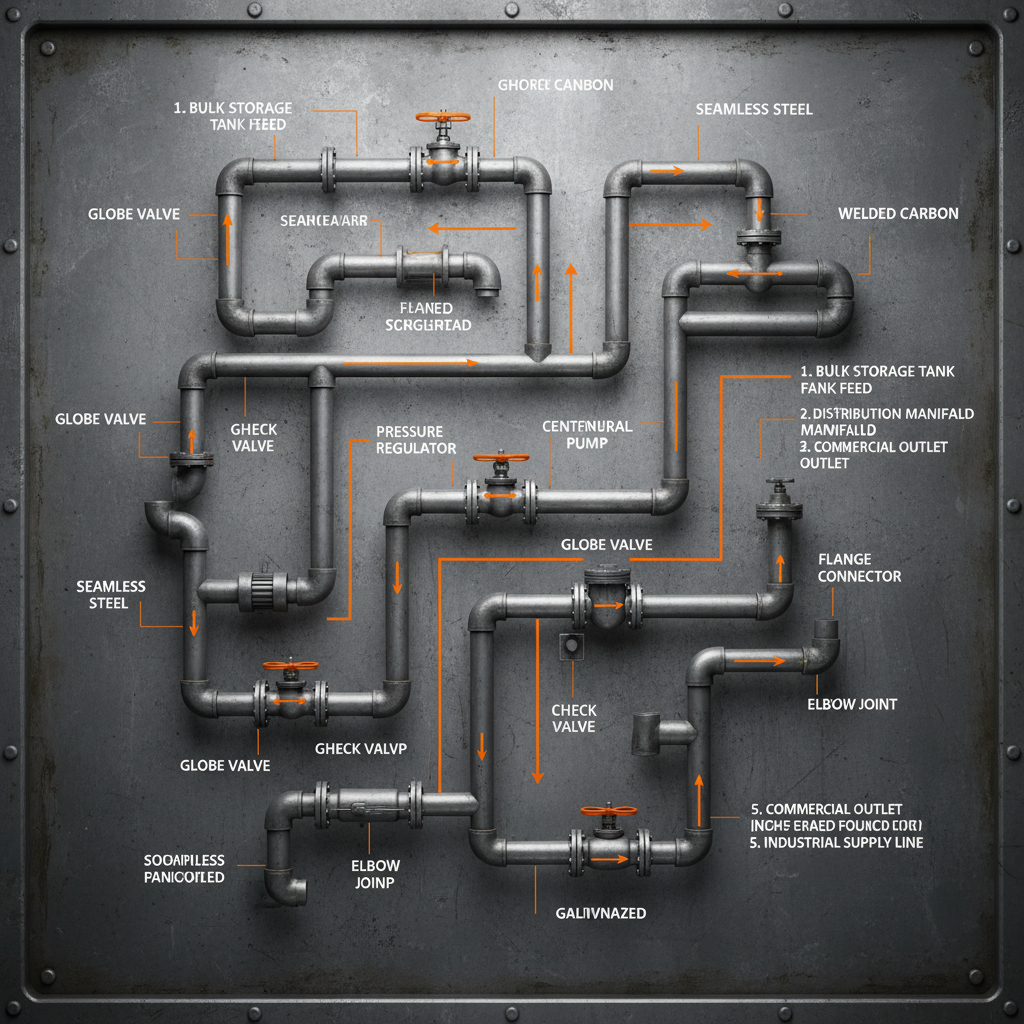
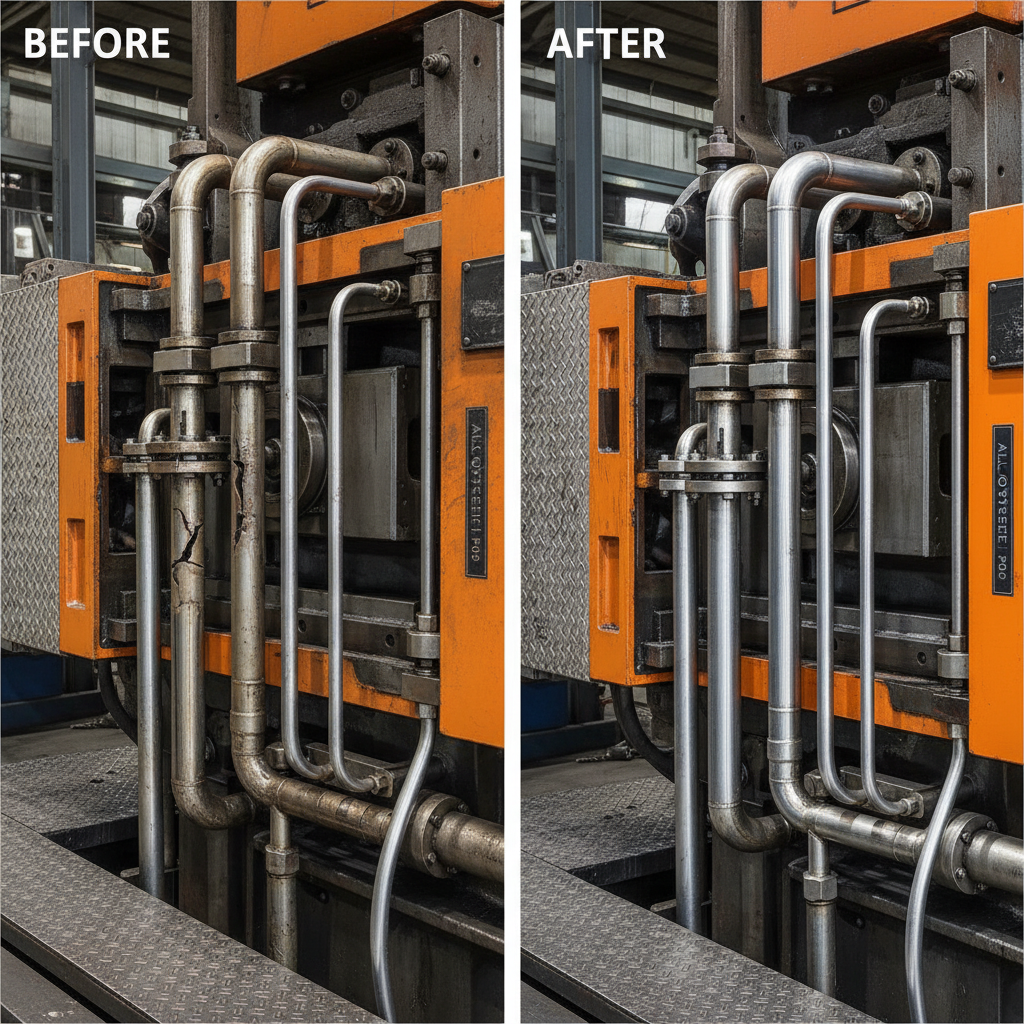
Duplex stainless steel pipe. It’s not glamorous, not something people usually talk about, but let me tell you, after years spent on construction sites, from oil refineries to wastewater treatment plants, this stuff is the backbone of a lot of what keeps things running. It’s the workhorse material, the one you want when failure isn't an option. You see a lot of chrome-plated stuff that looks good, but when you’re dealing with aggressive environments, high pressures, and the need for long-term reliability, duplex stainless steel consistently outperforms. It’s not just about strength, it’s about doing the job, quietly, consistently, for decades.
I've seen projects delayed, budgets blown, and reputations ruined by choosing the wrong materials. Too often, clients try to cut corners upfront, opting for cheaper options that end up costing them far more in the long run through repairs, replacements, and downtime. Duplex stainless steel pipe eliminates a lot of those headaches. It offers a unique combination of strength and corrosion resistance that just isn't available in other materials at a comparable cost over the lifespan of the project. It's a proactive investment, not a reactive fix.
And frankly, it’s a bit of a lifesaver when you’re working in remote locations or on tight schedules. The last thing you want is to be scrambling for replacements because your piping system failed prematurely. Duplex stainless steel gives you the peace of mind to focus on the build, knowing your infrastructure is solid.
The Importance of Duplex Stainless Steel Pipe in Modern Infrastructure
You look around, and duplex stainless steel pipe is everywhere – holding up offshore oil platforms, delivering potable water to cities, and handling corrosive chemicals in manufacturing plants. Its significance isn't just in its widespread use, but in the critical role it plays in ensuring the safety and reliability of essential infrastructure. According to ISO standards, the demand for duplex stainless steel is steadily increasing, reflecting a growing awareness of its superior properties and long-term cost-effectiveness. This isn’t some trendy material; it's a foundational component of modern society.
The problem is, a lot of people don’t understand why it’s so good. They see stainless steel and assume it’s all the same. It's not. The enhanced resistance to chloride stress corrosion cracking, a major issue in marine and chemical processing environments, is what sets duplex apart. We're talking about preventing catastrophic failures, safeguarding lives and protecting the environment.
Understanding the Composition and Properties
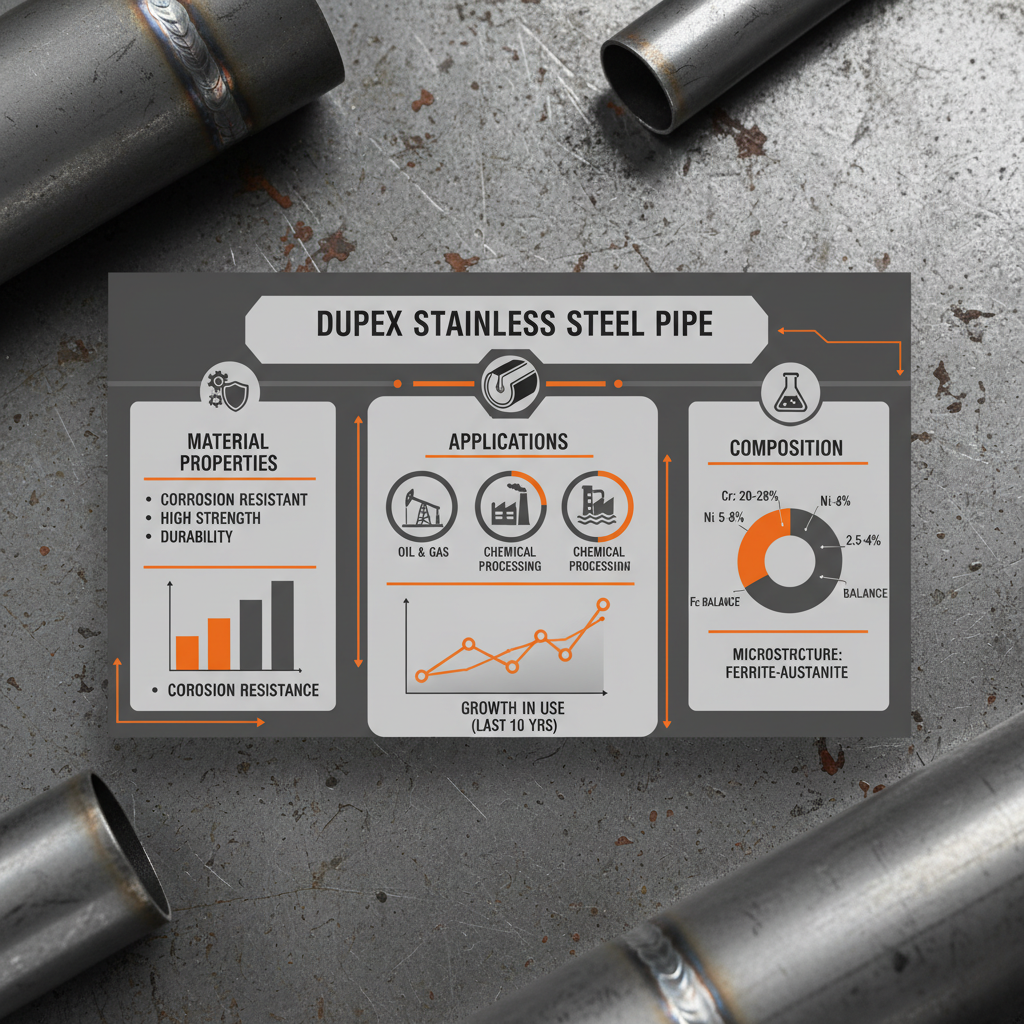
Duplex stainless steel isn’t a single alloy, but a family of stainless steels. They get their name from their microstructure: a combination of austenite and ferrite, typically around 50% of each. This combination is what gives it its unique properties. It's got the strength of ferrite and the corrosion resistance of austenite. Think of it as the best of both worlds. The key alloying elements are chromium, nickel, and molybdenum, but the precise percentages vary depending on the grade – 2205, 2507, and others, each tailored for specific applications.
Now, corrosion resistance isn't just about the surface. It's about how the material behaves over time, under stress, and in contact with different chemicals. Duplex stainless steel boasts significantly higher pitting resistance equivalent number (PREN) values than conventional austenitic stainless steels, meaning it’s less susceptible to localized corrosion. This is huge when dealing with seawater, acids, and other harsh environments.
The higher strength also means you can often use thinner wall thicknesses compared to austenitic stainless steels, leading to weight savings and potentially lower material costs – even though the initial material price per pound might be higher. It's about optimizing the overall system, not just minimizing upfront costs.
Key Factors Influencing Duplex Stainless Steel Pipe Performance
Several factors can impact the performance of duplex stainless steel pipe, and knowing them is crucial for a successful project. First, welding. Duplex steels require careful welding procedures to maintain their microstructure and prevent sensitization. Improper welding can significantly reduce corrosion resistance. You need certified welders and proper heat treatment.
Second, the environment. While duplex is incredibly corrosion-resistant, it's not immune to everything. High temperatures, prolonged exposure to certain acids, and even the presence of sulfides can affect its performance. A thorough understanding of the operating conditions is essential for selecting the right grade of duplex stainless steel.
Finally, fabrication techniques matter. Cold working can increase strength, but it also reduces ductility. Proper annealing after cold forming is vital to restore ductility and prevent cracking. It's all about controlling the material's properties throughout the entire manufacturing process.
Applications Across Diverse Industries
I've seen this stuff used everywhere. In the oil and gas industry, it's vital for offshore platforms and pipelines, handling seawater and sour gas. Wastewater treatment plants rely on it to resist the corrosive effects of chemicals and sewage. The chemical processing industry uses it extensively for tanks, reactors, and piping systems. Even in more unexpected places, like food and beverage processing, it’s preferred for its hygiene and corrosion resistance.
You’ll find it extensively in desalination plants, powering clean water access in arid regions. In Scandinavia, they use it in district heating systems to handle corrosive heating water. It's a global material, adapted to a huge range of demanding applications. It really shows up when standard materials just won’t cut it.
Duplex Stainless Steel Pipe Application Breakdown
Cost Analysis and Long-Term Economic Benefits
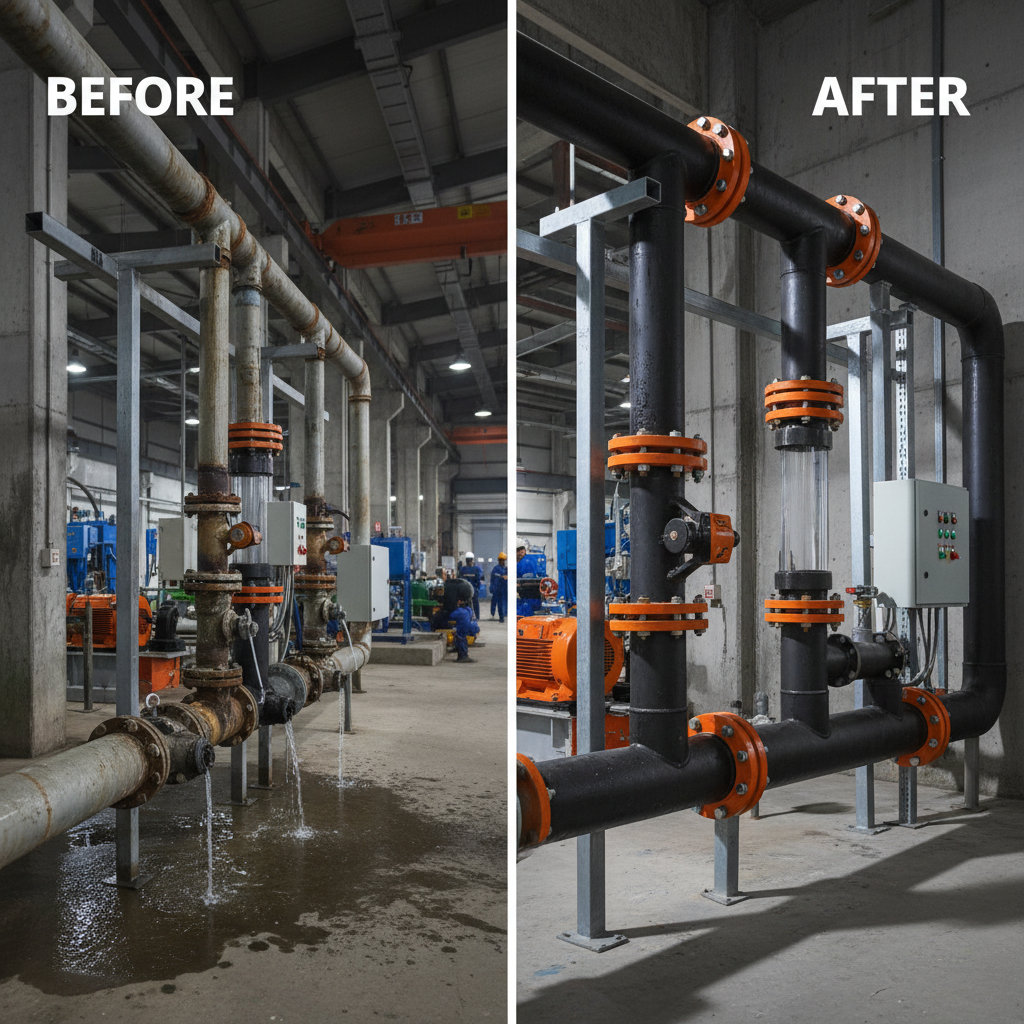
Look, duplex stainless steel is not the cheapest option upfront. That’s a fact. But you have to look at the total cost of ownership. The extended lifespan, reduced maintenance, and minimized downtime add up to significant savings over the long run. Replacing a corroded pipe system is far more expensive – and disruptive – than investing in a more durable material from the start.
I've seen projects where the initial savings from using a cheaper material were completely wiped out by unexpected repairs and replacements within a few years. Duplex stainless steel offers a predictable, reliable performance that minimizes risk and maximizes return on investment. It just makes good business sense.
Future Trends and Innovations in Duplex Stainless Steel Pipe Technology
We're seeing advancements in welding techniques that are making it easier and more cost-effective to fabricate duplex stainless steel pipe. New alloys with even higher corrosion resistance are being developed, pushing the boundaries of what's possible. And with the growing focus on sustainability, the recyclability of stainless steel is becoming an increasingly important factor.
Digital twins are also playing a bigger role. Using sensors to monitor the condition of pipelines in real-time allows for predictive maintenance, preventing failures before they occur. It's about optimizing performance and extending the lifespan of existing infrastructure.
The drive for lighter materials will also push innovation. High-strength duplex alloys coupled with optimized designs will allow for weight reduction, particularly important in offshore and transportation applications.
Addressing Challenges and Ensuring Quality Control
One of the biggest challenges is ensuring proper welding procedures are followed. It requires skilled welders and rigorous quality control. Another challenge is sourcing reliable suppliers. There are variations in alloy composition and manufacturing processes, so it’s essential to work with reputable companies who can provide consistent quality.
Proper material traceability is crucial. You need to be able to verify the origin and composition of the steel to ensure it meets the required specifications. Third-party inspection and certification can provide added assurance.
And finally, ongoing training for engineers and technicians is vital. Understanding the unique properties of duplex stainless steel and how to properly fabricate and maintain it is essential for maximizing its performance and longevity.
Summary of Challenges and Quality Control Measures for Duplex Stainless Steel Pipe
| Challenge |
Impact on Performance |
Quality Control Measure |
Severity (1-10) |
| Improper Welding |
Reduced Corrosion Resistance, Cracking |
Certified Welders, PWHT, NDT |
9 |
| Supplier Variability |
Inconsistent Material Properties |
Supplier Audits, Material Certifications |
7 |
| Incorrect Heat Treatment |
Reduced Ductility, Sensitization |
Controlled Heat Treatment Processes |
8 |
| Lack of Traceability |
Inability to Verify Material Origin |
Material Marking, Documentation |
6 |
| Improper Fabrication |
Stress Corrosion Cracking |
Careful Cold Working & Annealing |
7 |
| Insufficient Training |
Errors in Installation & Maintenance |
Regular Training Programs |
5 |
FAQS
Duplex stainless steel offers significantly higher resistance to chloride stress corrosion cracking (SCC) and pitting corrosion compared to austenitic stainless steel. This is critical in marine environments where exposure to seawater is constant. The higher PREN (Pitting Resistance Equivalent Number) in duplex alloys provides superior localized corrosion resistance, extending the lifespan of pipelines and reducing maintenance costs. It's a game-changer for offshore structures and desalination plants.
Maintaining the duplex microstructure during welding is crucial. Low heat input welding techniques, such as TIG or shielded metal arc welding with specific filler metals, are recommended. Post-weld heat treatment (PWHT) may be necessary to restore the desired properties. Avoid excessive interpass temperatures and ensure the weld area is thoroughly cleaned to prevent contamination. Qualified and certified welders are a must.
While the initial cost of duplex stainless steel pipe is generally higher than carbon steel or austenitic stainless steel, its extended lifespan and reduced maintenance requirements often result in lower total cost of ownership. Fewer repairs, replacements, and downtime contribute to significant long-term savings. It's an investment in reliability and minimizes the risk of costly failures.
Duplex stainless steel can be susceptible to hydrogen embrittlement in certain environments and may exhibit reduced weldability compared to austenitic stainless steels. It’s generally not recommended for applications involving extremely high temperatures (above 300°C) or prolonged exposure to strong reducing acids. Careful material selection and process control are vital.
Material traceability is paramount. It ensures that the pipe meets the specified chemical composition and mechanical properties. Look for suppliers who provide complete material certifications, including melt identification, chemical analysis, and mechanical test results. This verifies the origin and quality of the steel, minimizing the risk of using substandard materials.
Research is focused on developing super-duplex alloys with even higher PREN values and improved resistance to localized corrosion. There's also a trend towards optimizing alloy compositions for specific applications, such as enhancing hydrogen resistance for use in hydrogen production facilities. Advances in manufacturing processes are also leading to more cost-effective production of duplex stainless steel pipe.
Conclusion
Duplex stainless steel pipe isn't just a material; it's a solution. A solution for demanding environments, for long-term reliability, and for reducing the total cost of ownership. It represents a smart investment in infrastructure that will pay dividends for decades to come. From offshore oil rigs to municipal water systems, its versatility and resilience make it an indispensable component of modern industry.
Don’t gamble on cheaper alternatives. Talk to experienced engineers, invest in quality materials, and prioritize long-term performance. Choosing duplex stainless steel is choosing peace of mind. If you're looking for dependable piping solutions for your next project, visit our website at szpipefitting.com to learn more about our comprehensive range of duplex stainless steel pipe products and services.