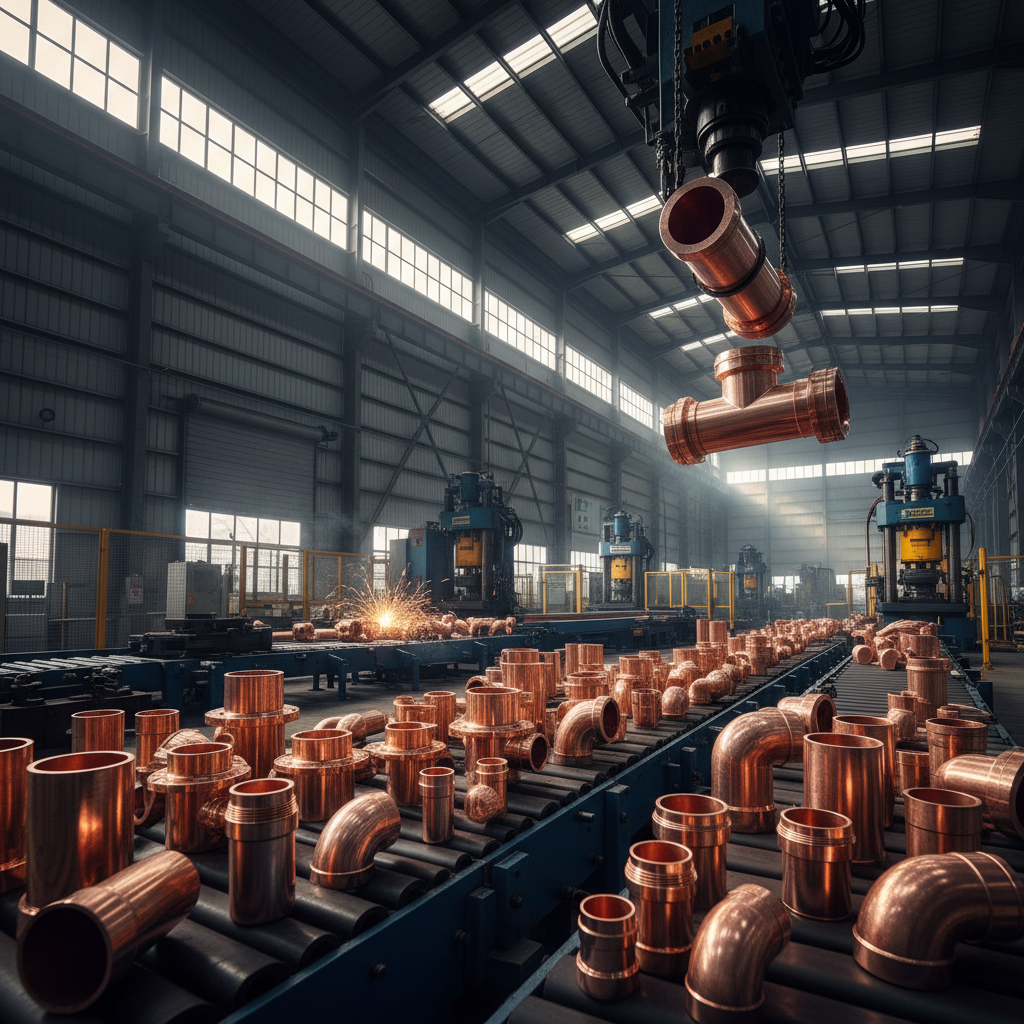
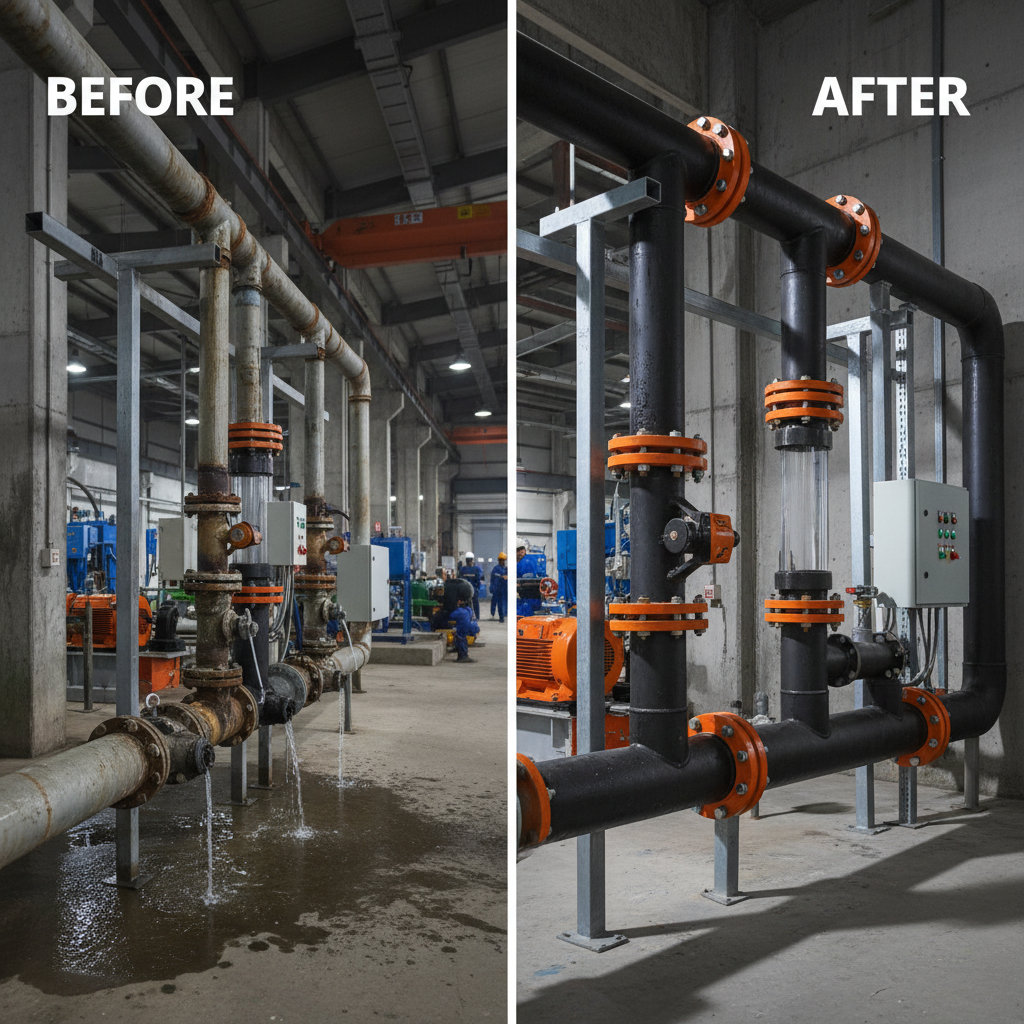
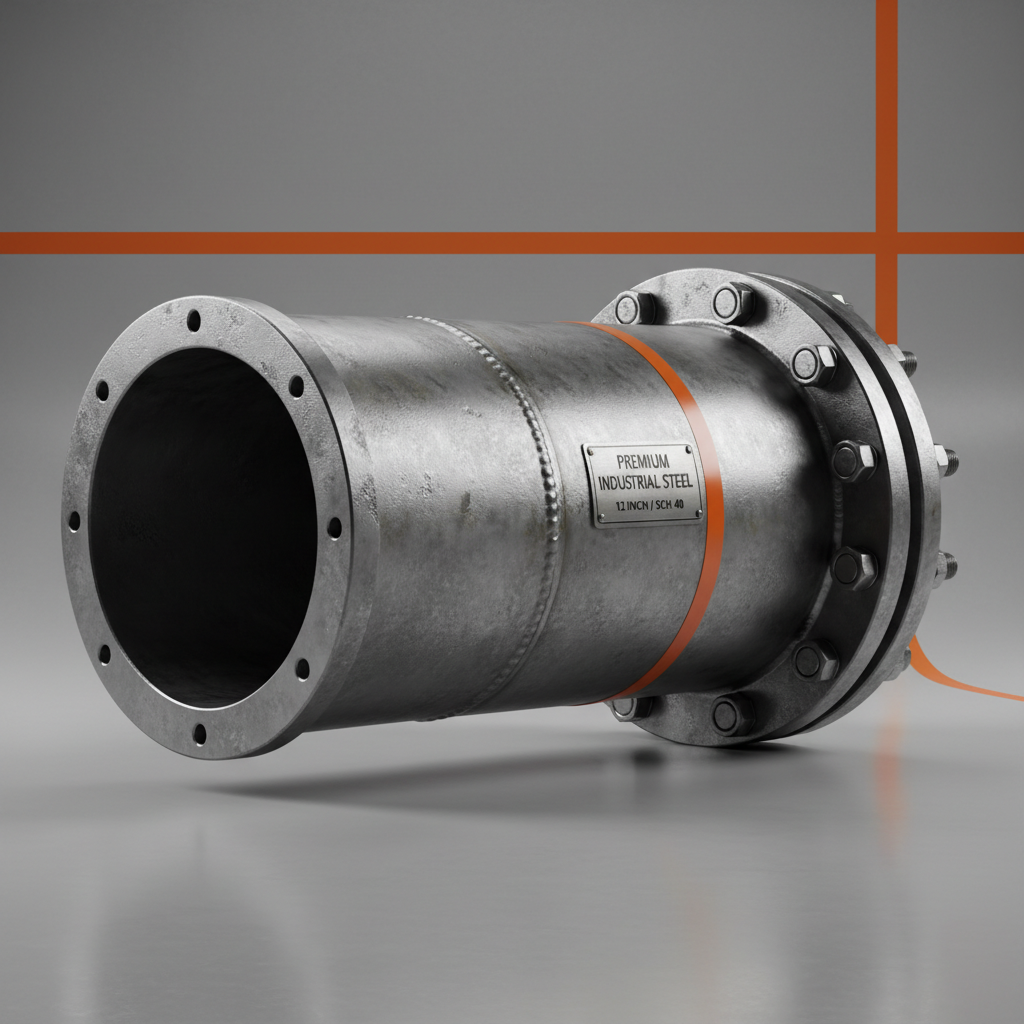
Copper pipe fittings are essential components in plumbing systems worldwide, facilitating the connection and direction of fluids and gases. Understanding the diverse types of copper pipe fittings available is crucial for professionals and homeowners alike, ensuring efficient, safe, and long-lasting installations. From basic elbows and tees to more specialized adapters and couplings, these fittings play a vital role in residential, commercial, and industrial applications.
Globally, the demand for reliable plumbing solutions continues to grow, driven by population expansion, urbanization, and increased awareness of water conservation. Copper fittings, valued for their durability, corrosion resistance, and ability to withstand high temperatures, remain a preferred choice in many regions. The UN estimates that access to clean water and sanitation is a fundamental human right, and efficient plumbing systems, utilizing quality fittings, are integral to achieving this goal.
However, challenges exist in ensuring the consistent quality and affordability of these fittings, especially in developing nations. Supply chain disruptions, fluctuating material costs, and the need for skilled installers pose obstacles to widespread adoption. Recognizing the varied types of copper pipe fittings, their applications, and limitations is thus vital for overcoming these hurdles and creating sustainable infrastructure.
The Significance of Copper Pipe Fittings
The importance of selecting the correct types of copper pipe fittings cannot be overstated. The reliability of any plumbing system depends heavily on the quality and compatibility of its components. From preventing leaks and corrosion to ensuring optimal fluid flow, these fittings are integral to the safe and efficient operation of infrastructure in countless settings.
Moreover, copper’s inherent antimicrobial properties contribute to healthier water systems, inhibiting the growth of bacteria and other microorganisms. This makes it a particularly valuable material in applications where hygiene is paramount, such as hospitals, food processing plants, and potable water distribution networks.
Defining Types of Copper Pipe Fittings
Types of copper pipe fittings are components used to join, terminate, change direction, or control the flow of copper pipes in a plumbing system. They are typically made from copper alloys, providing excellent corrosion resistance and durability. These fittings are categorized based on their function and method of connection.
Common categories include compression fittings, which use a compression nut and ferrule to create a watertight seal; solder fittings, requiring heat and solder to join the pipe and fitting; and push-fit fittings, offering a quick and easy connection without soldering. Understanding these distinctions is vital for selecting the appropriate fitting for a given application.
Beyond these basic types, specialized fittings cater to specific needs, such as reducing couplings for connecting pipes of different diameters, elbows for changing direction, and tees for creating branches in the pipeline. A comprehensive understanding of these variations enables plumbers and engineers to design and install robust, reliable plumbing systems.
Core Attributes of Copper Pipe Fittings
Durability is a hallmark of copper pipe fittings. Copper’s inherent strength and resistance to corrosion ensure a long service life, minimizing the need for frequent repairs or replacements. This translates into cost savings over the long term and reduces the environmental impact associated with material waste.
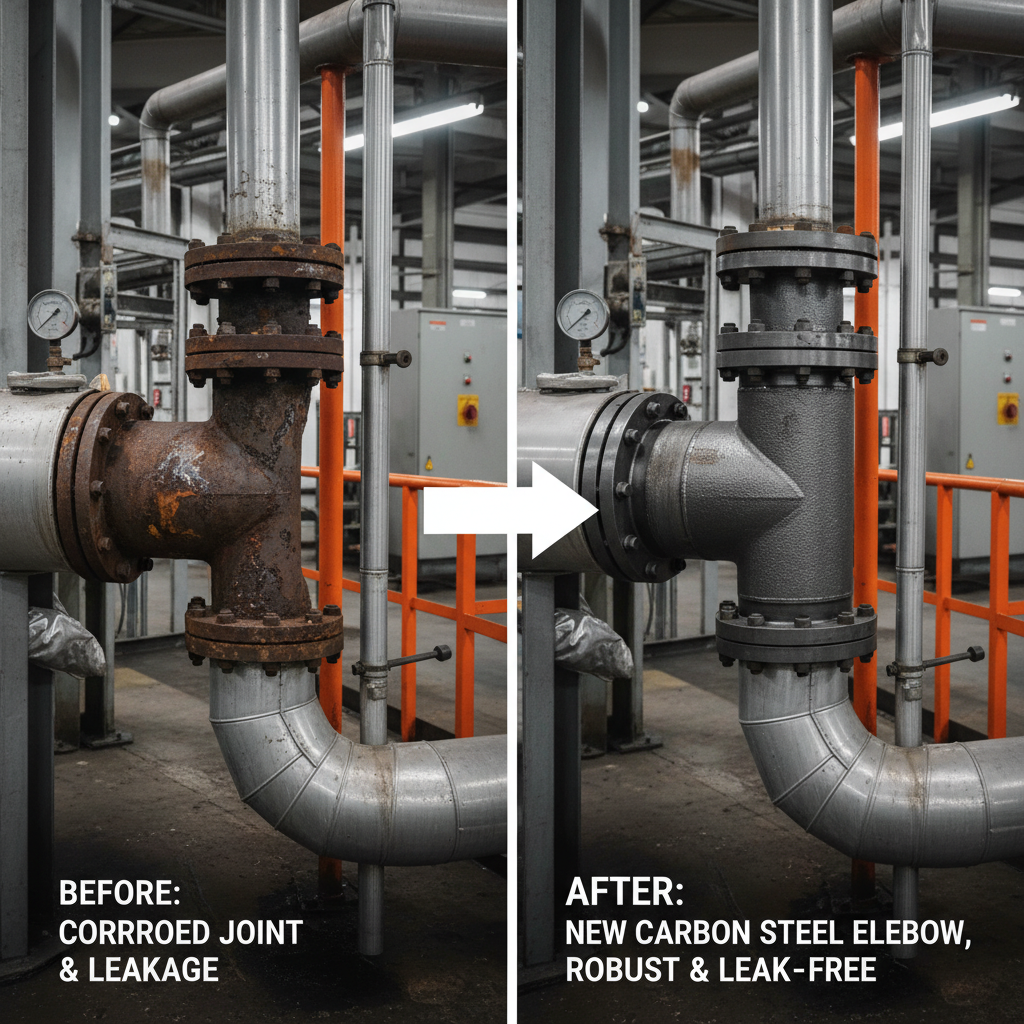
Corrosion resistance is another crucial attribute. Copper forms a protective patina over time, preventing the underlying metal from reacting with water, chemicals, or other corrosive substances. This makes it ideal for applications involving aggressive fluids or harsh environments.
Thermal conductivity is also a significant advantage. Copper’s ability to efficiently transfer heat makes it suitable for applications such as radiant heating systems and hot water distribution, enhancing energy efficiency and system performance. Choosing the correct types of copper pipe fittings is crucial for maximizing these benefits.
Global Applications and Industry Relevance
Copper pipe fittings are ubiquitous in residential plumbing, providing reliable connections for water supply, drainage, and heating systems. They are also widely used in commercial buildings, hospitals, schools, and industrial facilities, where durability and hygiene are paramount.
In the HVAC (Heating, Ventilation, and Air Conditioning) industry, copper fittings are essential for refrigerant lines, ensuring efficient heat transfer and reliable system operation. The automotive industry utilizes copper fittings in brake lines and cooling systems, leveraging their corrosion resistance and ability to withstand high pressures.
Furthermore, in post-disaster relief operations, portable water purification systems often incorporate copper fittings for their durability and ability to handle contaminated water sources. In remote industrial zones, where access to maintenance may be limited, the longevity of copper fittings provides a significant advantage.
Comparative Performance of Different Copper Fitting Methods
Advantages and Long-Term Value Proposition
The long-term cost-effectiveness of copper pipe fittings is a significant advantage. While the initial investment may be higher than some alternative materials, their durability and minimal maintenance requirements result in lower life-cycle costs.
From a sustainability perspective, copper is a recyclable material, reducing the environmental impact associated with waste disposal. The use of types of copper pipe fittings contributes to the creation of sustainable infrastructure and promotes responsible resource management.
Future Trends in Copper Fitting Technology
Ongoing research and development efforts are focused on improving the efficiency and sustainability of copper pipe fitting manufacturing processes. Innovations in alloy composition aim to enhance corrosion resistance and mechanical properties.
The integration of digital technologies, such as 3D printing, is exploring new possibilities for creating customized fittings with complex geometries. These advancements promise to optimize performance and reduce material waste.
Challenges and Innovative Solutions
One common challenge is the skilled labor shortage in the plumbing industry. The increasing complexity of modern plumbing systems requires technicians with specialized training in the installation and maintenance of types of copper pipe fittings.
Innovative solutions include the development of push-fit fittings that require minimal tooling and skill, as well as the implementation of virtual reality training programs to enhance technician proficiency. Addressing these challenges is crucial for ensuring the continued reliability and sustainability of plumbing infrastructure.
Another challenge lies in managing the cost of copper, which can fluctuate significantly. Exploring alternative copper alloys and optimizing fitting designs can help mitigate these cost pressures and maintain affordability.
Summary of Challenges and Solutions for Types of Copper Pipe Fittings
| Challenge |
Impact on Copper Fittings |
Proposed Solution |
Implementation Difficulty (1-10) |
| Skilled Labor Shortage |
Increased installation errors, higher labor costs. |
VR training, simplified fitting designs (push-fit). |
6 |
| Copper Price Volatility |
Increased material costs, project budget overruns. |
Alternative alloy research, optimized fitting designs. |
7 |
| Corrosion in Aggressive Environments |
Reduced fitting lifespan, potential leaks. |
Specialized copper alloys with enhanced corrosion resistance. |
8 |
| Supply Chain Disruptions |
Delays in project completion, increased costs. |
Diversification of suppliers, increased inventory management. |
5 |
| Demand for Sustainable Materials |
Pressure to reduce environmental impact. |
Promote copper recycling programs, life cycle assessments. |
4 |
| Maintaining Quality Standards |
Risk of substandard fittings, potential failures. |
Strict quality control measures, independent certifications. |
9 |
FAQS
Compression fittings create a watertight seal by compressing a ferrule onto the pipe, eliminating the need for heat. Solder fittings, conversely, rely on molten solder to bond the pipe and fitting together. Compression fittings are easier to install in tight spaces and don’t require specialized tools, but may be more prone to leaks over time compared to properly soldered joints. The choice depends on the application and installer skill level.
Preventing corrosion involves several strategies. Ensure proper grounding to avoid galvanic corrosion, particularly when connecting copper to dissimilar metals. Use dielectric unions or fittings. Regularly inspect fittings for signs of corrosion and address any issues promptly. Proper water chemistry, maintaining neutral pH levels, can also minimize corrosion risk.
Modern push-fit fittings from reputable manufacturers are generally considered highly reliable, offering a convenient and fast connection method. They feature internal O-rings that create a watertight seal. However, proper installation is crucial; the pipe must be cut cleanly and inserted fully into the fitting. While convenient, some plumbers may still prefer soldered or compression fittings for critical applications.
Thorough cleaning is essential for successful soldering. Begin by using emery cloth or a wire brush to remove any oxidation or contaminants from the pipe’s surface. Next, apply a flux specifically designed for copper soldering; this helps clean the surface further and promotes solder flow. Ensure the flux is evenly applied before heating the joint. Proper cleaning significantly improves the strength and reliability of the soldered connection.
While generally compatible, it’s best practice to match the fitting’s pressure rating to the copper pipe’s wall thickness. Type K is the thickest and highest-rated, followed by L and then M. Using a thicker pipe with a lower-rated fitting is acceptable, but the reverse is not recommended. Consult local plumbing codes and manufacturer specifications for specific guidelines.
Dielectric fittings are used when connecting copper pipe to dissimilar metals, such as galvanized steel. They contain a non-conductive barrier that prevents galvanic corrosion, which occurs when two different metals are in contact in the presence of an electrolyte (water). Using dielectric fittings is crucial to avoid accelerated corrosion and ensure long-term system integrity.
Conclusion
In conclusion, understanding the diverse types of copper pipe fittings is paramount for professionals and homeowners alike. Their durability, corrosion resistance, and versatility make them indispensable components in a wide range of plumbing and HVAC applications. By carefully selecting the appropriate fittings and employing proper installation techniques, we can ensure the longevity, safety, and efficiency of our infrastructure.
Looking ahead, continued innovation in materials science, manufacturing processes, and digital technologies promises to further enhance the performance and sustainability of copper pipe fittings. Investing in training, promoting best practices, and adopting new technologies will be crucial for overcoming challenges and maximizing the benefits of this essential plumbing component. Visit our website at www.szpipefitting.com to explore our comprehensive range of copper pipe fittings and solutions.