0%

Table of Contents

Look, I’ve spent the last fifteen years elbows-deep in construction projects – from high-rise builds downtown to sprawling infrastructure projects out in the field. One thing that consistently stands out is the backbone of so much of what we do: erw steel. It’s not the glamorous stuff, but without reliable steel, nothing gets built. It’s the silent workhorse, and frankly, understanding it is critical for anyone in this industry. It’s about safety, efficiency, and getting the job done right. It’s also become increasingly important given the global supply chain pressures we've all been facing.

The demand for erw steel is massive, and it’s only going to grow. The United Nations projects a continued increase in global infrastructure spending, especially in developing nations. The World Bank estimates billions will be invested in projects needing robust materials like steel. But it's not just about volume; it’s about delivering consistently high-quality product. We’re seeing more and more emphasis on sustainability and reducing our carbon footprint, which impacts material choices.

That’s why knowing your erw steel isn't just a 'nice-to-have', it's a necessity. Whether you’re a project manager, an engineer, or even a skilled tradesperson, understanding its properties, applications, and limitations directly impacts the success – and safety – of any project. It’s about making informed decisions, anticipating potential issues, and ultimately, building structures that last.
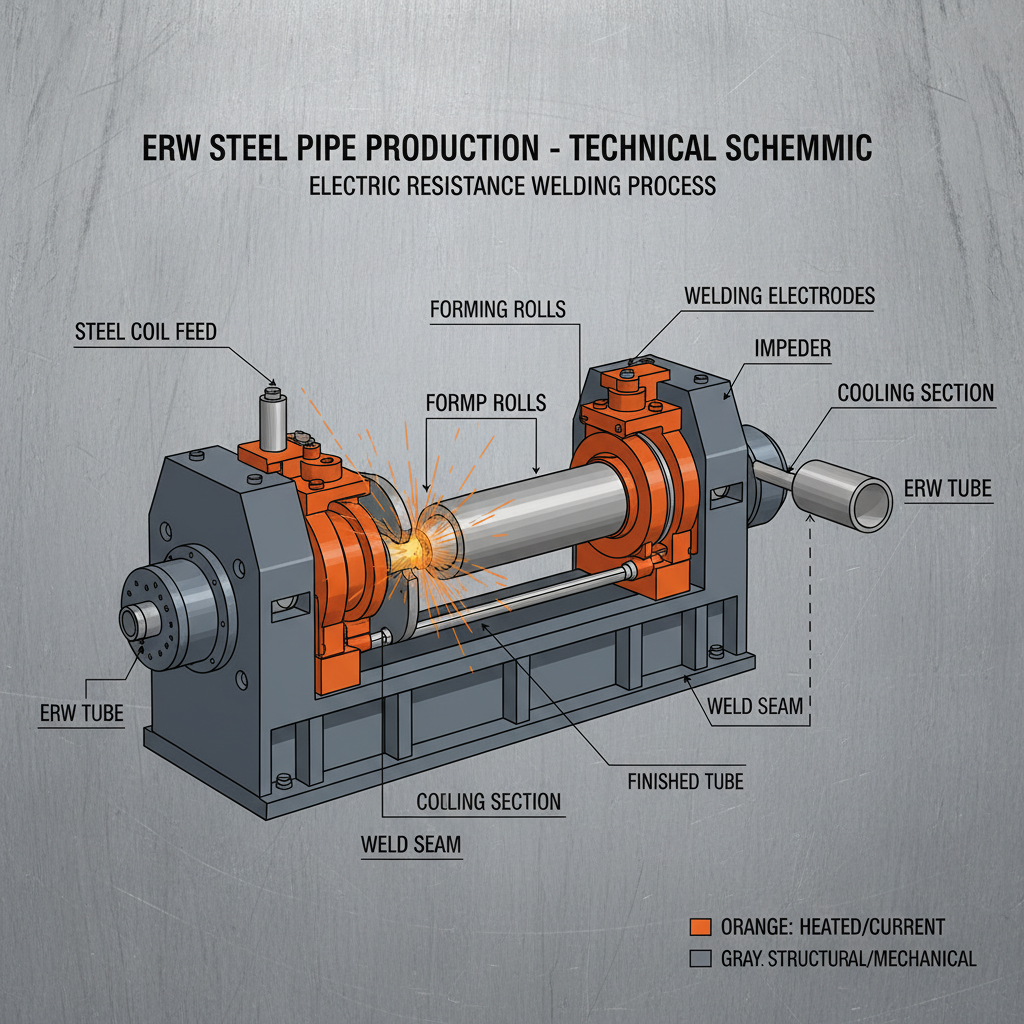
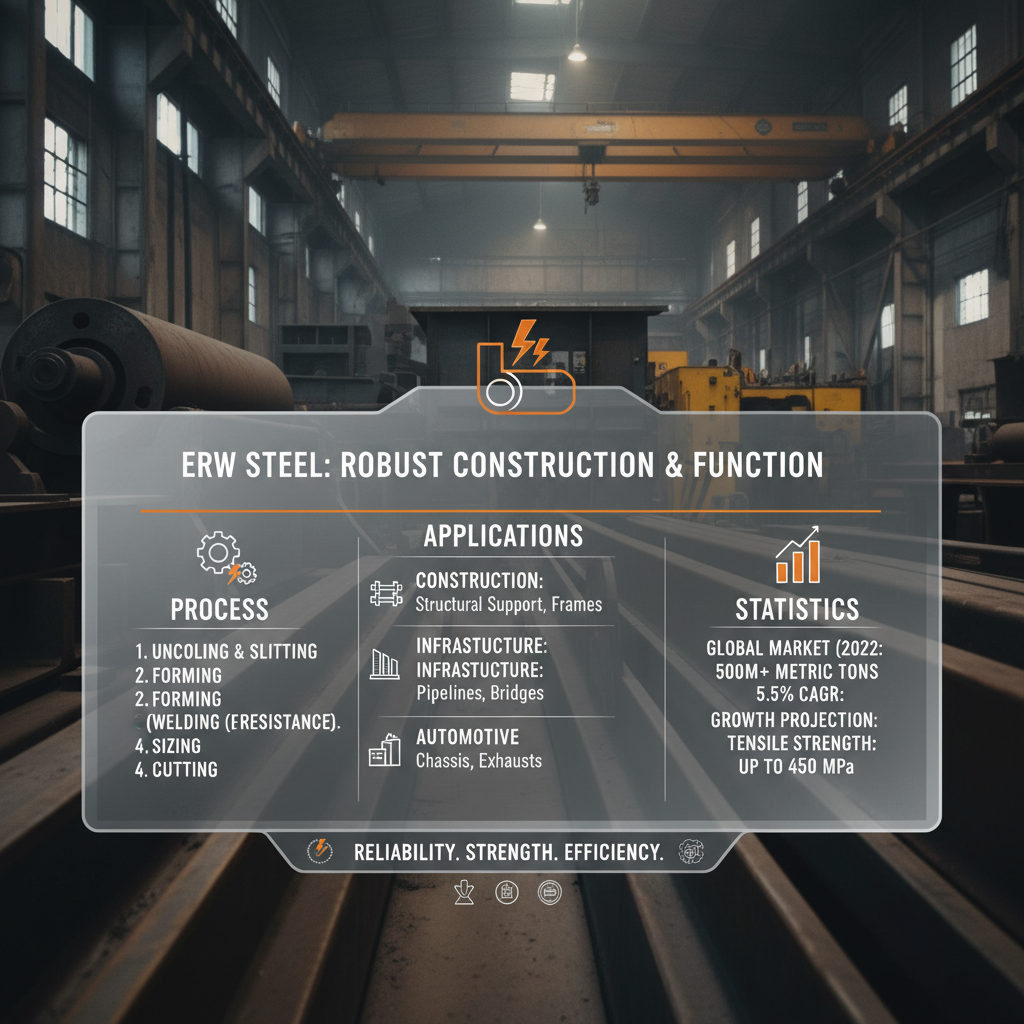
Understanding ERW Steel Its Applications and Future Trends

Defining erw steel: A Practical Overview

Understanding ERW Steel Its Applications and Future Trends

Simply put, erw steel stands for Electric Resistance Welded steel. It’s formed by rolling steel plates into a tube shape and then using an electric current to weld the seam. It's a cost-effective and efficient way to create steel tubes and pipes for a ton of applications. We use it for everything from scaffolding to pipelines.

What’s important to understand is that it’s not a replacement for seamless steel in every situation. Seamless is generally stronger, but erw steel is plenty strong enough for a huge range of projects, and it's often more readily available and quicker to manufacture. It bridges a gap, making projects feasible that might otherwise be cost-prohibitive.

The Global Significance of erw steel

erw steel is a global commodity. China is the world’s largest producer, followed by the US and Japan. It's essential for infrastructure development worldwide, particularly in rapidly growing economies. Think about the expansion of gas and oil pipelines across Asia, or the construction boom in parts of Africa – erw steel is a core component.

We've been seeing some real disruptions in recent years. Trade wars, the pandemic, and geopolitical instability have all impacted the supply chain, driving up prices and lead times. This has forced us to get smarter about sourcing, inventory management, and finding alternative suppliers.

The challenge now is balancing cost with quality and sustainability. Everyone’s looking for more environmentally friendly options, and the steel industry is responding with greener production methods and increased recycling efforts. This is no longer just a ‘nice to have’ – it’s becoming a requirement for many projects.

Core Characteristics of erw steel

One of the key strengths of erw steel is its versatility. It can be manufactured in a wide range of sizes, shapes, and wall thicknesses. This makes it adaptable to countless applications. I've seen it used in everything from handrails to structural supports.

Its weld quality is also critical. Modern erw processes produce strong, reliable welds that meet stringent industry standards. But, and this is important, inspection is key. You need to ensure the welds are free from defects and that the steel meets the specified requirements for your project. Non-destructive testing is a must.

Finally, consider its formability. erw steel can be easily bent, cut, and fabricated, making it ideal for complex designs and custom applications. This saves time and reduces waste on the job site, which is always a win.

erw steel’s Performance Metrics

When we're evaluating erw steel, we look at several key metrics. Yield strength tells us how much stress the steel can withstand before it begins to deform permanently. Tensile strength indicates the maximum stress it can handle before it breaks. These are crucial for structural integrity.

Corrosion resistance is another big one, especially in coastal environments or applications involving water. Coatings like galvanizing or epoxy can significantly improve corrosion protection. We’ll also look at impact resistance – how well it holds up to sudden shocks or impacts.

Performance Ratings of Common erw steel Grades


Real-World Applications of erw steel

I see erw steel used constantly. Scaffolding – it’s gotta be strong and reliable, and erw steel delivers. It’s also widely used in water pipelines, fence posts, and agricultural structures. Anything that needs a strong, cost-effective tubular structure, you’ll find erw steel involved.

In post-disaster relief operations, speed is critical. erw steel structures can be rapidly deployed for temporary shelters and medical facilities, providing immediate support to affected communities.

The Long-Term Value Proposition of erw steel

Look, it’s not always about the cheapest upfront cost. erw steel, when properly specified and installed, offers excellent durability and a long service life. This reduces the need for frequent repairs and replacements, saving money in the long run.

It's a stable material, meaning minimal expansion or contraction with temperature changes. This reliability makes it a trustworthy choice, ensuring the long-term safety and stability of any structure.

And increasingly, responsible sourcing and a focus on recycling are adding to the value proposition. Consumers and clients are demanding more sustainable materials, and erw steel is responding to that demand.

Future Trends and Innovations in erw steel

We’re starting to see more advanced manufacturing techniques, like laser welding, which improves weld quality and precision. High-strength low-alloy (HSLA) steels are also becoming more common, offering increased strength and corrosion resistance.

Digitalization is playing a role too. Real-time monitoring of production processes, using sensors and data analytics, is helping to improve quality control and efficiency. This allows us to pinpoint and address any issues before they become major problems.

And, of course, the push for sustainability continues. We’ll see even more emphasis on using recycled steel and developing eco-friendly production methods. The future of erw steel is about smarter manufacturing, stronger materials, and a lighter environmental footprint.

Summary of Key Factors Influencing erw steel Selection

Application Type Environmental Exposure Load Requirements Cost Sensitivity
Structural Support Moderate High (8/10) Medium
Water Pipelines High (Corrosive) Medium (6/10) High
Scaffolding Variable High (9/10) Medium
Fencing Low Low (4/10) Very High
Agricultural Structures Moderate Medium (6/10) Medium
Temporary Shelters Variable Low (5/10) High

FAQS

What are the primary differences between erw steel and seamless steel pipe?

The key difference lies in the manufacturing process. Seamless steel is produced without a weld, offering superior strength in high-pressure applications. erw steel, formed from rolled steel and welded, is generally more cost-effective for lower-pressure systems. Welds in erw steel are rigorously tested, but seamless steel inherently avoids potential weld defects. Choosing between the two depends heavily on the specific application's requirements for strength and pressure containment.

How does corrosion affect the lifespan of erw steel structures?

Corrosion is a major concern for any steel structure. erw steel is susceptible to rust, especially in humid or marine environments. However, protective coatings like galvanizing, epoxy coatings, or regular painting significantly extend its lifespan. Regular inspection and maintenance are crucial to identify and address corrosion issues before they compromise structural integrity. The cost of preventative maintenance is far less than repair or replacement.

What is the typical lead time for ordering custom-sized erw steel?

Lead times vary dramatically based on the size of the order, the specific steel grade, and current market conditions. Right now, with supply chain challenges, it’s crucial to plan well in advance. Simple, standard sizes can often be delivered within a few weeks. However, custom sizes or large orders can take 8-12 weeks or longer. Getting quotes from multiple suppliers and placing orders early is the best strategy.

Are there specific industry standards that govern the quality of erw steel?

Absolutely. Several industry standards dictate the quality and testing requirements for erw steel, including ASTM (American Society for Testing and Materials) standards like A53, A135, and A795. These standards cover everything from chemical composition to weld quality and dimensional tolerances. Always ensure the steel you’re purchasing meets the relevant standards for your application. Proper certification is essential.

What is the environmental impact of erw steel production, and are there sustainable alternatives?

Steel production is energy-intensive and contributes to carbon emissions. However, the industry is making strides towards sustainability through increased use of recycled steel and adoption of more efficient production technologies. Choosing steel suppliers who prioritize sustainable practices is crucial. Exploring alternative materials like engineered wood or composites can also be considered, but they often come with their own environmental trade-offs.

How important is proper storage of erw steel to prevent damage or degradation?

Proper storage is vital. erw steel should be stored in a dry, sheltered location to prevent rust and corrosion. It should be stacked properly to avoid damage or deformation. Covering the steel with tarpaulins or storing it indoors is recommended, especially in humid climates. Poorly stored steel can become unusable, leading to costly delays and replacements.

Conclusion

Ultimately, erw steel remains a foundational material in construction and infrastructure worldwide. Its versatility, cost-effectiveness, and increasingly sustainable production methods make it a crucial component of modern building practices. Understanding its properties, applications, and limitations is paramount for ensuring project success, safety, and longevity.

Looking ahead, continued innovation in manufacturing techniques, coupled with a greater emphasis on sustainability, will further solidify erw steel’s role in shaping the built environment. Investing in knowledge, specifying the right grade for the job, and prioritizing quality control will be key to maximizing its value for years to come. For more information and reliable erw steel solutions, visit our website: www.szpipefitting.com


Robert Johnson

Robert Johnson

Robert Johnson serves as the Quality Control Manager at HEBEI GAIN TRADING CO., LTD. With a strong background in metallurgy and manufacturing processes, Robert ensures all products meet stringent international standards – including BS, DIN, and American standards. He oversees the inspection process for malleable iron, carbon steel, and stainless
Previous Understanding erw steel pipe Applications Manufacturing and Quality Control
Next Understanding the Critical Role of erw Black Steel Pipe in Infrastructure
Copyright © 2026 Hebei Gain Trading Co.,Ltd . All Rights Reserved. Sitemap | Privacy Policy | Top Blog | Global Service