
Comprehensive Guide to 24 Inch Diameter Steel Pipe Price and Factors
Understanding the 24 Inch Diameter Steel Pipe Price
Determining the 24 inch diameter steel pipe price requires considering several factors, including steel grade, wall thickness, manufacturing process, and current market conditions. This article provides a comprehensive overview of the elements influencing pricing, common applications, and where to source high-quality steel pipes. Understanding these aspects is critical for informed purchasing decisions, whether for infrastructure projects, industrial applications, or large-scale construction. We'll explore how to navigate the market and secure the best value for your investment.
Factors Influencing 24 Inch Steel Pipe Pricing
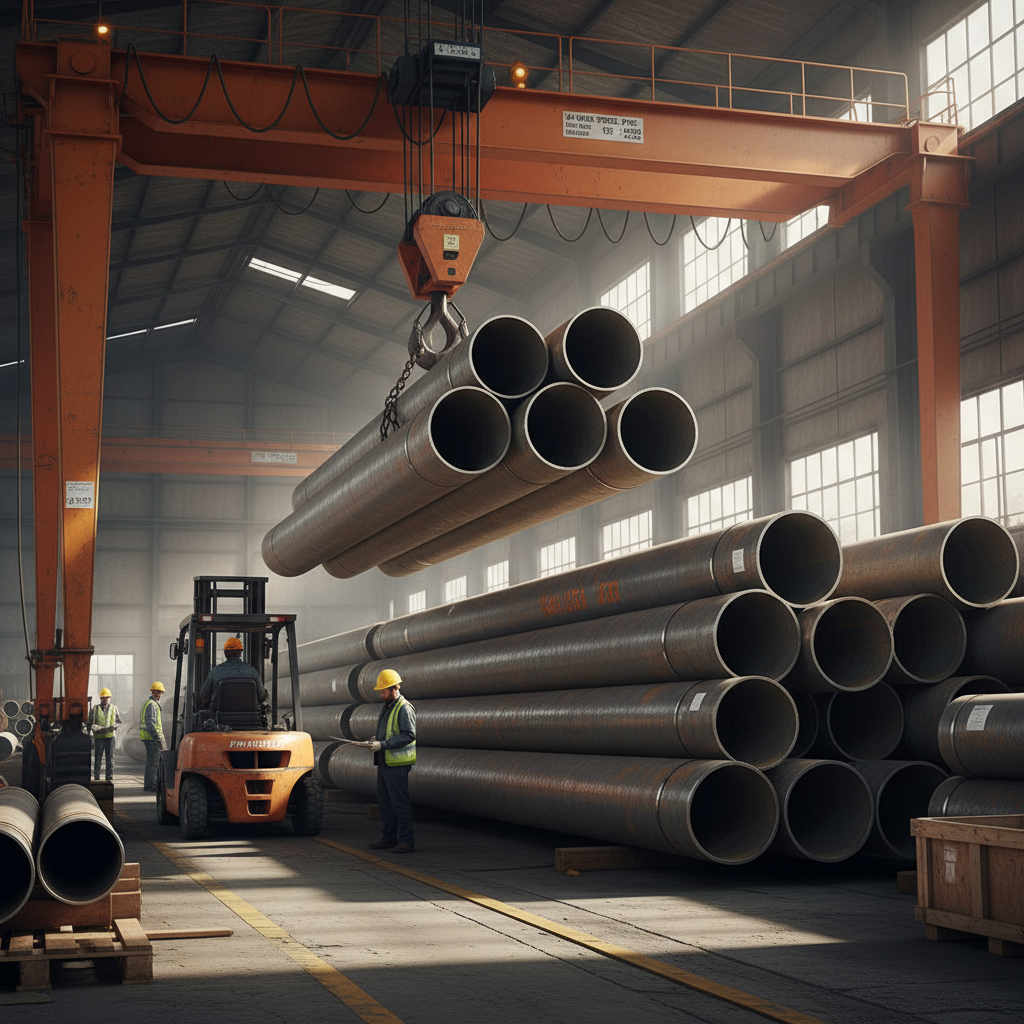
Several key components contribute to the final price of a 24-inch diameter steel pipe. The primary material, steel itself, fluctuates in price based on global demand and raw material costs like iron ore. Different steel grades (e.g., A53, API 5L) possess varying strengths and corrosion resistance, directly impacting their cost. Wall thickness (schedule) is another critical factor; thicker walls provide greater strength but also require more material, thus increasing the price. Manufacturing processes, such as seamless vs. welded, also contribute to cost variations. Finally, location and transportation costs play a significant role. You can find more details on pipe specifications at SZ Pipefitting.
Key Takeaways: Steel grade, wall thickness, manufacturing method, and transportation costs all play a role in determining the final price of a 24-inch diameter steel pipe.
Common Steel Grades and Their Price Implications
Different steel grades are suited for specific applications and carry different price points. A53 Grade B steel is a common, cost-effective option for general-purpose applications. API 5L steel, designed specifically for pipelines, generally costs more due to its enhanced strength and corrosion resistance. Stainless steel, offering superior corrosion protection, is the most expensive option. The choice depends on the intended use and environmental conditions. A higher grade isn't always necessary; carefully evaluating your needs will help you select the most cost-effective solution. SZ Pipefitting offers a variety of steel grades to suit diverse project requirements.
Steel Grade Comparison:
• A53 Grade B: Cost-effective, general purpose.
• API 5L: Enhanced strength, pipeline applications.
• Stainless Steel: Superior corrosion resistance, highest cost.
Price Variations Based on Wall Thickness (Schedule)
The wall thickness of a 24 inch diameter steel pipe, designated by its 'schedule' number (e.g., Schedule 40, Schedule 80), significantly impacts the price. Higher schedule numbers indicate thicker walls, offering greater pressure-bearing capacity and durability. However, this comes at the cost of increased material usage and therefore a higher price. Selecting the appropriate schedule is crucial; over-specifying can lead to unnecessary expenses, while under-specifying can compromise safety and performance. Refer to engineering specifications and regulatory requirements to determine the correct wall thickness for your application. SZ Pipefitting's product catalog details the specifications and pricing for various schedules.
Manufacturing Process: Seamless vs. Welded Pipes
The manufacturing process also affects the 24 inch diameter steel pipe price. Seamless pipes, manufactured without a welded seam, generally offer higher strength and are preferred for critical applications like high-pressure pipelines. They are more expensive to produce. Welded pipes, created by rolling and welding steel plates, are more cost-effective and suitable for less demanding applications. The weld quality is a key consideration for welded pipes, and reputable manufacturers adhere to strict quality control standards. SZ Pipefitting provides both seamless and welded options to meet diverse needs.
Current Market Trends and Pricing Estimates
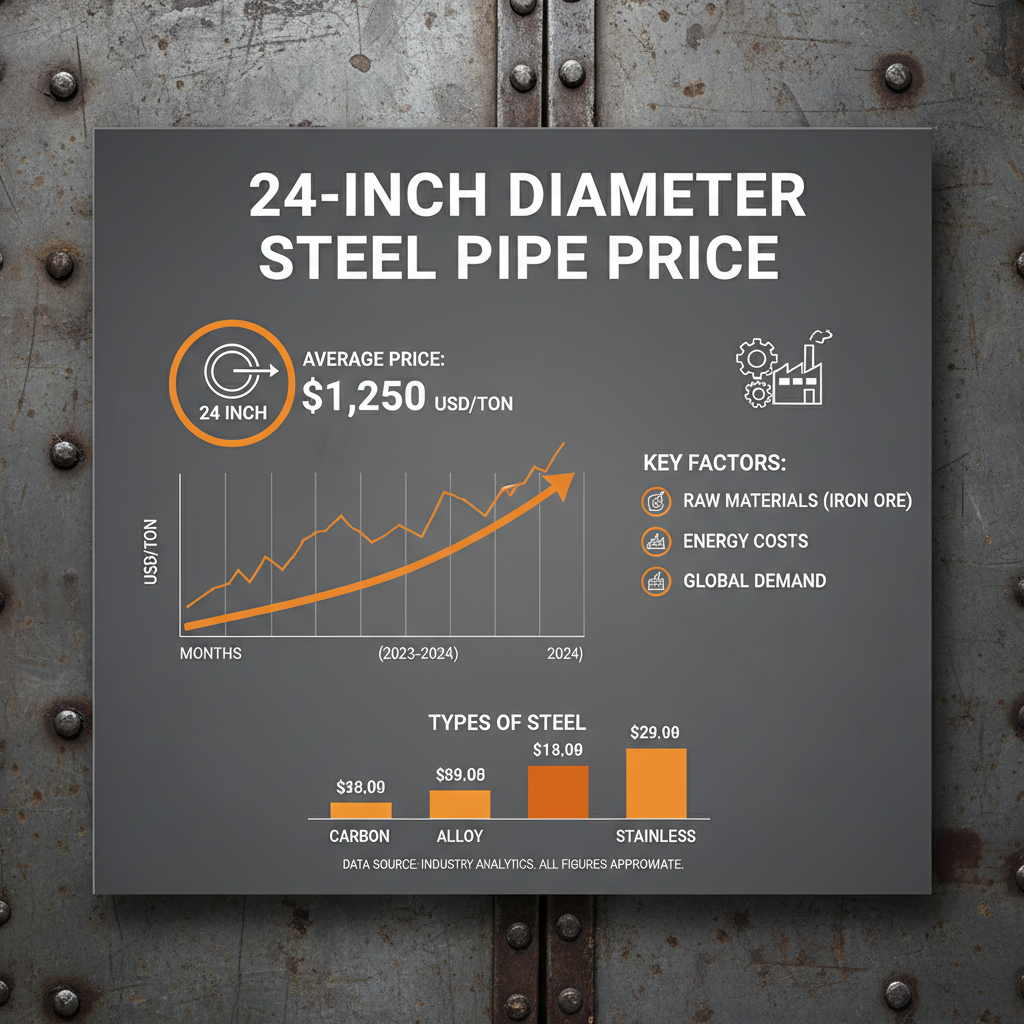
As of late 2023/early 2024, the price of a 24-inch diameter steel pipe can range from approximately $800 to $2,500+ per ton, depending on the factors discussed above. Global steel prices are subject to volatility due to geopolitical events, supply chain disruptions, and demand fluctuations. It’s essential to obtain current quotes from multiple suppliers to ensure you are getting a competitive price. Consider factors like lead times, shipping costs, and payment terms when comparing quotes. Staying informed about market trends is crucial for making informed purchasing decisions.
Conclusion: Finding the Best Value for Your Steel Pipe Needs
Understanding the factors influencing the 24 inch diameter steel pipe price is crucial for making cost-effective purchasing decisions. By carefully considering steel grade, wall thickness, manufacturing process, and current market conditions, you can secure high-quality pipes at a competitive price. SZ Pipefitting is a trusted supplier committed to providing exceptional products and service.
Frequently Asked Questions (FAQs)
What factors cause fluctuations in steel pipe prices?
Several factors contribute to steel pipe price volatility. These include raw material costs (iron ore, coal), global steel production levels, geopolitical events affecting supply chains, changes in government tariffs and trade policies, currency exchange rates, and overall demand from key industries like construction, oil & gas, and manufacturing. Seasonal demand can also play a role, with prices often rising during peak construction seasons. Staying informed about these factors is essential for predicting price trends and making timely purchasing decisions.
How can I obtain an accurate quote for a 24-inch steel pipe?
To get an accurate quote, provide potential suppliers with detailed specifications. This includes the steel grade (e.g., A53, API 5L), wall thickness (schedule), length requirements, quantity needed, desired manufacturing process (seamless or welded), any specific coating or finishing requirements, and your delivery location. Obtain quotes from multiple suppliers and carefully compare them, considering not only the price per ton but also shipping costs, lead times, and payment terms. Contact SZ Pipefitting for a customized quote.
What is the typical lead time for ordering 24-inch steel pipes?
Lead times can vary significantly depending on the supplier's inventory levels, manufacturing capacity, and current demand. Generally, for standard sizes and grades, lead times can range from 2 to 6 weeks. However, for larger orders, custom specifications, or during periods of high demand, lead times can be longer. It’s crucial to inquire about lead times upfront and factor them into your project schedule. SZ Pipefitting strives to provide accurate lead time estimates and efficient delivery.
Are there any certifications or standards I should look for when purchasing steel pipes?
Yes, verifying certifications and adherence to relevant standards is essential. Look for certifications like ISO 9001 (quality management system) and API 5L (for pipeline applications). Ensure the pipes meet the specific industry standards required for your project. Reputable suppliers will readily provide documentation demonstrating compliance with these standards. This ensures the pipes meet safety and performance requirements and provides assurance of their quality.