
Comprehensive Guide to 24 Inch Steel Pipe Price Per Foot and Key Considerations
Understanding 24 Inch Steel Pipe Price Per Foot
When sourcing materials for construction, plumbing, or industrial projects, understanding the 24 inch steel pipe price per foot is crucial for accurate budgeting and cost management. The price is affected by several factors, including steel grade, wall thickness, manufacturing process, and current market conditions. SZ Pipefitting offers competitive pricing on a wide range of steel pipes, ensuring you get high-quality materials at the best possible value. Choosing the right supplier and understanding price fluctuations can save you significant costs.
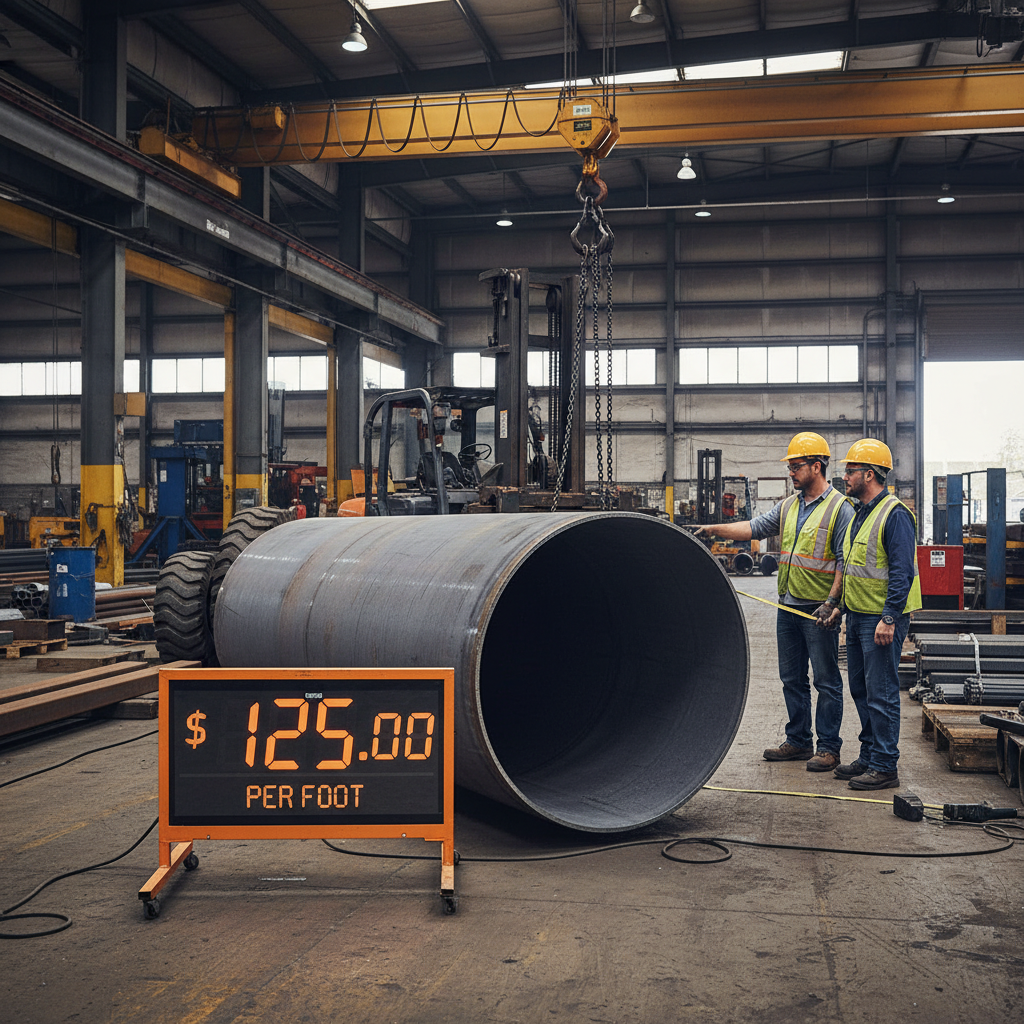
Factors Influencing 24 Inch Steel Pipe Pricing
Several key factors determine the 24 inch steel pipe price per foot. Steel grade (e.g., carbon steel, stainless steel) significantly impacts cost, with stainless steel generally being more expensive due to its corrosion resistance. Wall thickness is another important factor; thicker walls provide greater strength but increase material costs. Manufacturing processes like seamless vs. welded pipes also play a role, with seamless pipes typically commanding a higher price due to their superior strength and consistency. Furthermore, global steel market conditions, supply chain disruptions, and transportation costs all contribute to price fluctuations.
Key Considerations: Steel grade, wall thickness, manufacturing process, market conditions, and transportation costs all impact the price of 24-inch steel pipes.
Common Steel Grades and Their Price Impact
Different steel grades offer varying levels of strength, durability, and corrosion resistance, directly influencing their price. Carbon steel is the most common and generally the most affordable option. Alloy steel offers improved strength and weldability, resulting in a moderate price increase. Stainless steel, known for its exceptional corrosion resistance, is the most expensive grade. The specific application dictates the optimal steel grade; for high-pressure applications or corrosive environments, investing in a higher-grade steel is often necessary. SZ Pipefitting can help you select the appropriate steel grade for your project and provide competitive pricing on all options.
Steel Grade Price Comparison:
• Carbon Steel: Most affordable, general purpose.
• Alloy Steel: Moderate price, improved strength & weldability.
• Stainless Steel: Highest price, exceptional corrosion resistance.
24 Inch Steel Pipe Price Per Foot: A Comparative Look
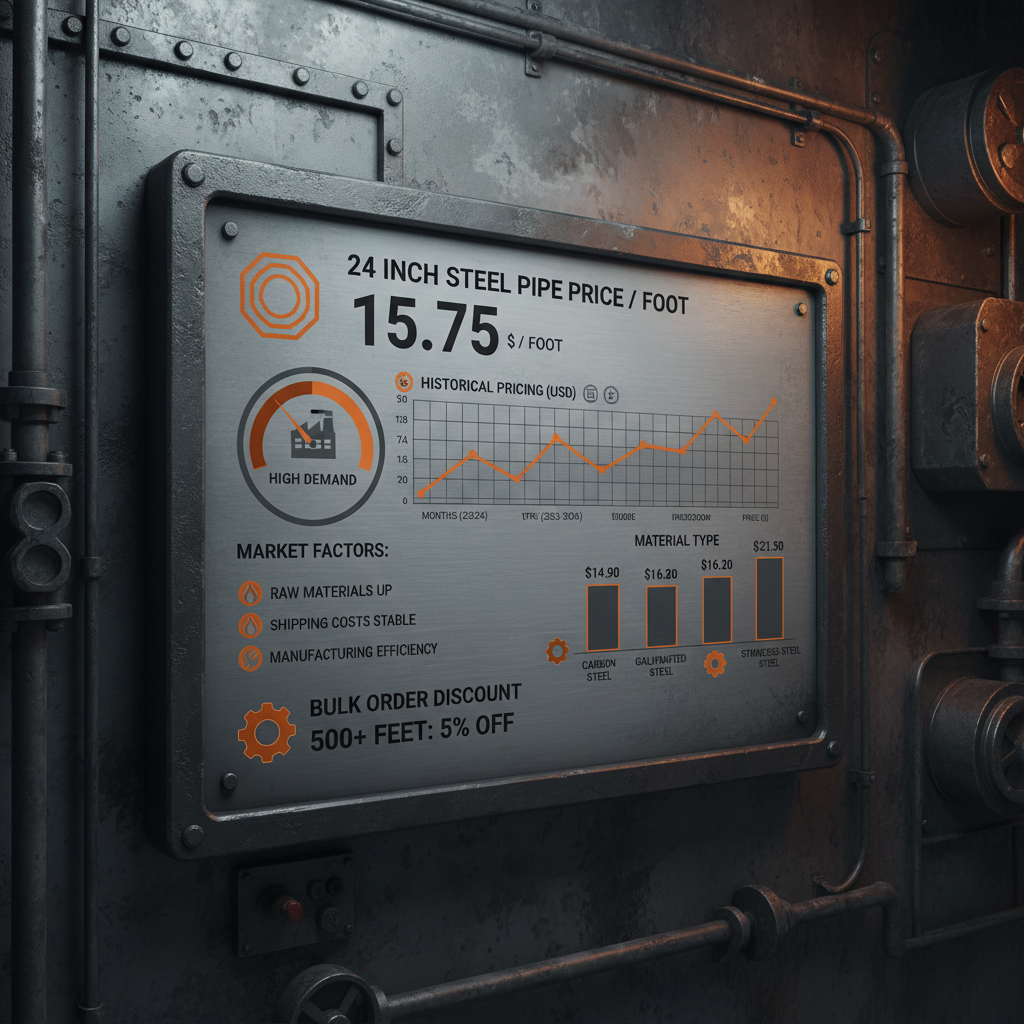
The 24 inch steel pipe price per foot varies significantly based on the specifications and supplier. Here’s a comparative overview of pricing for different specifications (estimates as of late 2023/early 2024 – prices subject to change):
Why Choose SZ Pipefitting for Your Steel Pipe Needs?
SZ Pipefitting is a leading supplier of steel pipes, offering a comprehensive range of products, competitive pricing, and exceptional customer service. We specialize in providing high-quality materials that meet industry standards and specific project requirements. Our experienced team can assist you in selecting the right steel grade, wall thickness, and schedule for your application. We also provide efficient logistics and timely delivery to ensure your project stays on schedule. With a commitment to quality and customer satisfaction, SZ Pipefitting is your trusted partner for all your steel pipe needs.
Understanding Schedule Numbers and Wall Thickness
Schedule numbers indicate the approximate internal diameter of the pipe and relate directly to its wall thickness. Higher schedule numbers correspond to thicker walls and greater pressure-bearing capacity. Schedule 40 is a standard wall thickness commonly used for general-purpose applications. Schedule 80 offers a thicker wall, providing increased strength for high-pressure systems. Choosing the correct schedule is vital for ensuring the safety and longevity of your piping system. SZ Pipefitting provides detailed product specifications and expert guidance to help you select the appropriate schedule for your application.
Conclusion: Securing Value with the Right Steel Pipe Supplier
Understanding the factors that influence the 24 inch steel pipe price per foot is essential for effective project management. By partnering with a reliable supplier like SZ Pipefitting, you can ensure you receive high-quality materials at competitive prices, backed by expert support. Don't compromise on quality – choose SZ Pipefitting for all your steel pipe needs.
Frequently Asked Questions (FAQs)
What factors can cause the price of steel pipe to fluctuate?
Several factors contribute to steel pipe price fluctuations. Global steel production levels, raw material costs (iron ore, coal), supply chain disruptions (e.g., transportation issues, geopolitical events), tariffs and trade policies, and overall economic demand all play a role. Unexpected events, such as natural disasters or political instability in major steel-producing regions, can also cause significant price swings. Staying informed about market trends is crucial for making informed purchasing decisions.
What is the difference between seamless and welded steel pipe?
Seamless steel pipe is manufactured without a weld seam, resulting in superior strength and resistance to pressure. Welded steel pipe is created by welding together steel plates. While welded pipes offer a more cost-effective solution, they generally have lower pressure-bearing capacity than seamless pipes. The choice between seamless and welded pipe depends on the application; seamless pipes are preferred for high-pressure systems or critical applications, while welded pipes are suitable for lower-pressure applications.
How can I minimize the cost of purchasing 24-inch steel pipe?
Several strategies can help minimize costs. Bulk purchasing often qualifies for discounts. Comparing quotes from multiple suppliers is essential. Considering alternative steel grades or schedule numbers (if suitable for your application) can lower costs. Planning your purchases in advance and avoiding rush orders can also save money. Working with a reliable supplier like SZ Pipefitting can ensure you receive competitive pricing and expert guidance.
What certifications should I look for when purchasing steel pipe?
Look for certifications like ISO 9001 (quality management system), API 5L (specification for line pipe), and ASTM standards (material specifications). These certifications ensure the steel pipe meets industry standards for quality, safety, and performance. They provide assurance that the materials have been tested and inspected to meet specific requirements. SZ Pipefitting provides materials with relevant certifications to ensure compliance and reliability.