
Comprehensive Guide to the Price of Stainless Steel Pipe Per Meter in 2024
Understanding the Price of Stainless Steel Pipe Per Meter
Determining the price of stainless steel pipe per meter involves considering numerous factors, from the grade of steel to the diameter and wall thickness of the pipe. Stainless steel is a popular choice for piping systems due to its corrosion resistance, durability, and hygienic properties, making it ideal for diverse applications across industries. This article provides a detailed breakdown of the costs associated with stainless steel pipe, helping you understand market trends and make informed purchasing decisions. We'll explore the various grades, factors influencing price, and where to find competitive pricing.
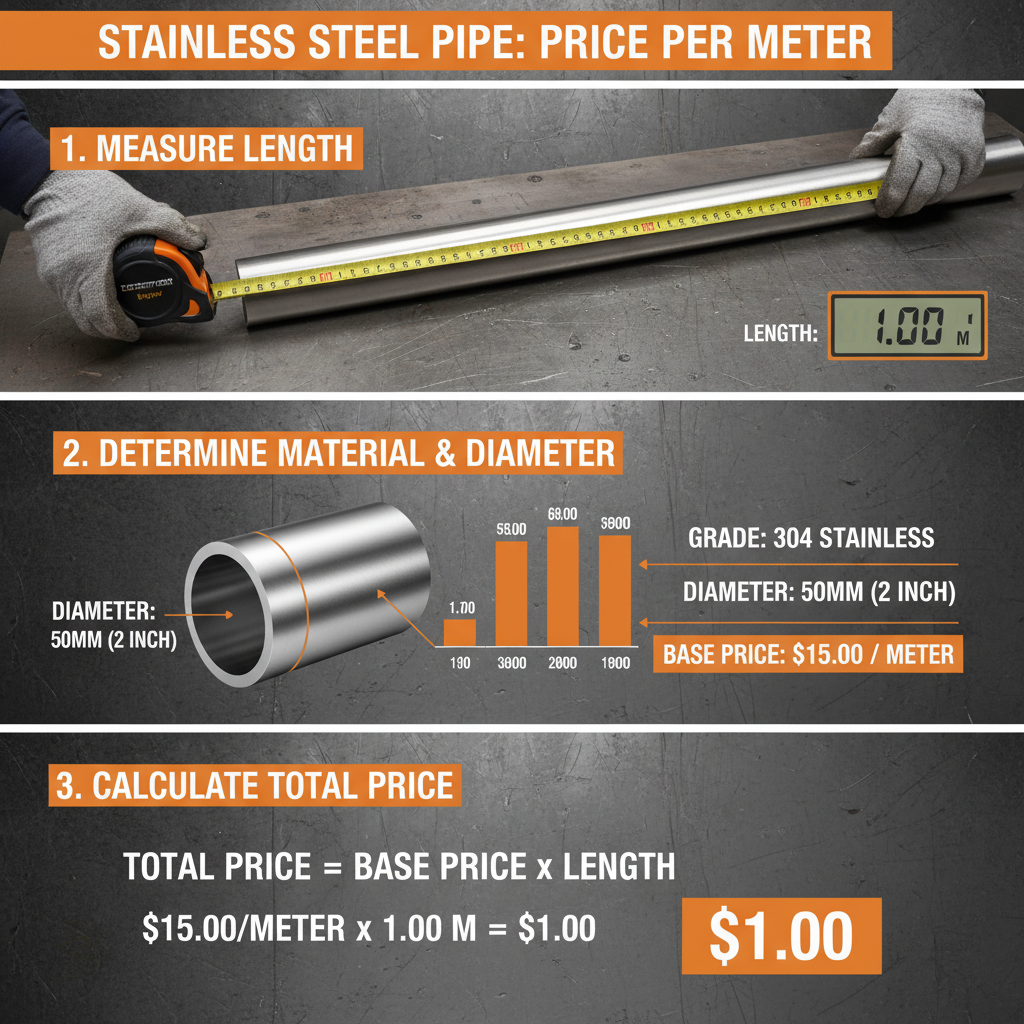
Factors Influencing the Price of Stainless Steel Pipe
Several key factors significantly impact the price of stainless steel pipe. The grade of stainless steel is paramount; 304/304L is the most common and generally more affordable, while higher grades like 316/316L, which offer enhanced corrosion resistance, command a premium. Pipe diameter and wall thickness also play a crucial role; larger diameters and thicker walls require more material, increasing the cost. Furthermore, market fluctuations in raw material prices (nickel, chromium, molybdenum) directly affect the price of stainless steel. Manufacturing processes, such as seamless vs. welded pipes, also contribute to price variations. Finally, supply and demand and geographic location add to the price volatility.
Key Considerations: Understanding these factors is essential for budget planning and sourcing the most cost-effective stainless steel pipe for your specific application.
Stainless Steel Grade and its Impact on Price
The grade of stainless steel is arguably the most significant factor influencing the price of stainless steel pipe per meter. Different grades offer varying levels of corrosion resistance and mechanical properties. Here's a comparative overview:
Diameter, Wall Thickness and Their Corresponding Price Impacts
The physical dimensions of the pipe – diameter and wall thickness – have a direct relationship with the amount of stainless steel required, and consequently, the cost. Larger diameter pipes naturally necessitate more material. Similarly, increasing the wall thickness enhances the pipe's strength and pressure resistance but also increases the overall weight and material usage. It's crucial to select the appropriate diameter and wall thickness based on the specific application's pressure, flow rate, and structural requirements. Over-specifying can lead to unnecessary costs, while under-specifying can compromise safety and performance. Szpipefitting.com offers a wide range of diameters and thicknesses to meet various needs.
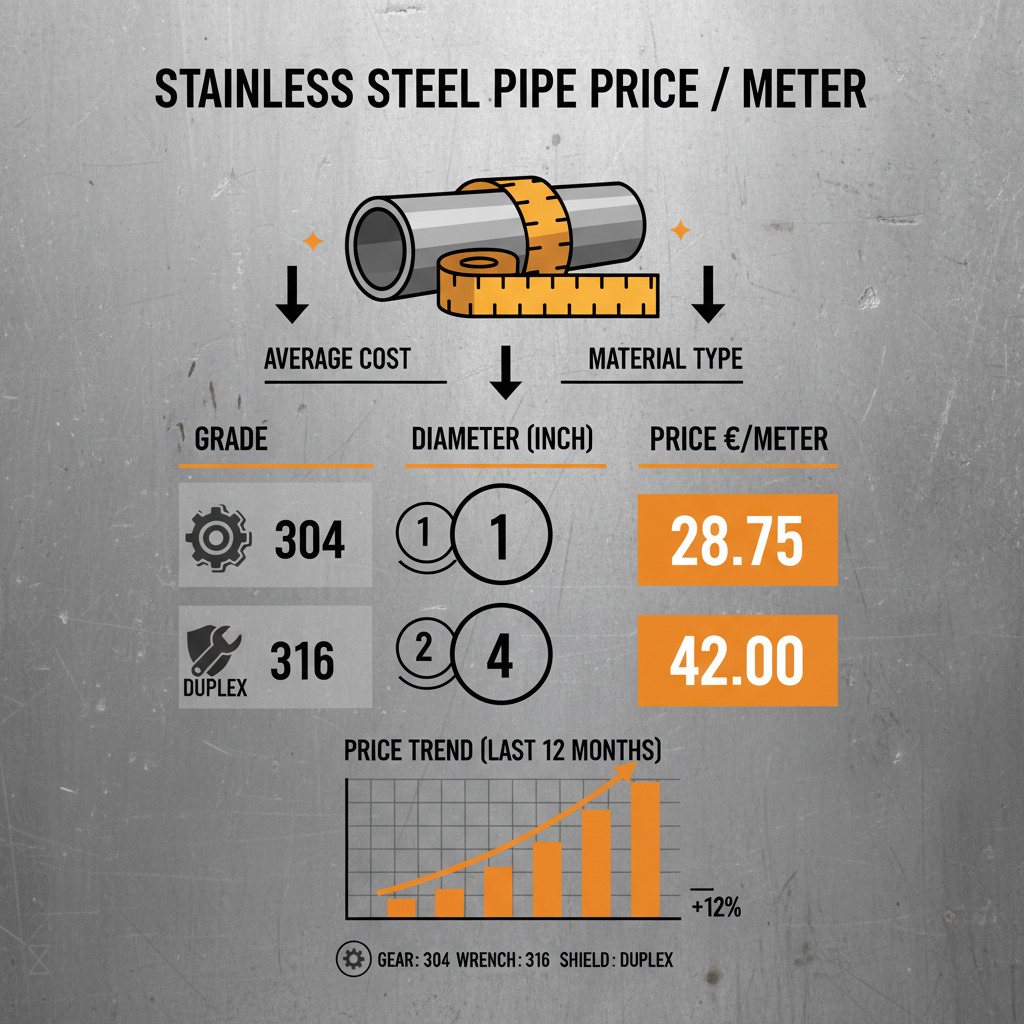
Comparing Prices: Seamless vs. Welded Stainless Steel Pipe
Stainless steel pipes are manufactured using two primary methods: seamless and welded. Seamless pipes are created from a solid billet and offer superior strength and resistance to pressure. They are typically used in critical applications where failure is not an option. Welded pipes are made by rolling and welding stainless steel strips, resulting in a more cost-effective option. While welded pipes offer excellent performance for many applications, they may have lower pressure ratings compared to seamless pipes. Generally, seamless pipes are 20-30% more expensive than welded pipes of the same grade, diameter, and thickness. The choice between seamless and welded depends on the application's specific requirements and budget constraints.
Where to Find Competitive Pricing on Stainless Steel Pipe
Sourcing stainless steel pipe at competitive prices requires careful research and consideration of different suppliers. Szpipefitting.com is a reputable supplier offering a wide selection of stainless steel pipes at competitive prices. Comparing quotes from multiple suppliers is essential. Consider factors like shipping costs, lead times, and the supplier’s reputation for quality and customer service. Negotiating prices, especially for large orders, can also help secure a better deal.
Conclusion: Making Informed Decisions About Stainless Steel Pipe Pricing
Understanding the factors that influence the price of stainless steel pipe per meter is crucial for successful project planning and budgeting. By considering the grade, dimensions, manufacturing process, and supplier options, you can secure the best value for your investment. Remember to prioritize quality and ensure the pipe meets the specific requirements of your application.
Frequently Asked Questions (FAQs)
What is the current market trend for stainless steel pipe prices?
The stainless steel market is subject to fluctuations based on global economic conditions, raw material costs (particularly nickel), and demand from key industries. Currently (April 2024), we are seeing a slight stabilization after a period of price increases in late 2023. However, geopolitical events and changes in trade policies can still impact prices. Monitoring industry reports and consulting with suppliers like Szpipefitting.com is essential for staying informed about the latest market trends.
What is the minimum order quantity for stainless steel pipe at Szpipefitting.com?
Szpipefitting.com offers flexible order quantities to accommodate a wide range of projects. While we do offer bulk discounts for larger orders, we also accept smaller quantities for customers with specific needs. It's best to contact our sales team directly through our website to discuss your requirements and receive a customized quote. We aim to be accommodating to all order sizes and provide efficient service.
How long does it typically take to receive a stainless steel pipe order?
Delivery times depend on several factors, including the specific pipe grade and dimensions, order quantity, and your location. Typically, standard orders are processed and shipped within 5-7 business days. For larger or customized orders, lead times may be longer. Szpipefitting.com provides detailed tracking information once your order has been shipped, allowing you to monitor its progress.
What certifications do Szpipefitting.com’s stainless steel pipes have?
Szpipefitting.com is committed to providing high-quality stainless steel pipes that meet industry standards. Our pipes come with relevant certifications, including ISO 9001, ensuring adherence to rigorous quality control processes. We can also provide material test reports (MTRs) upon request, verifying the chemical composition and mechanical properties of the steel.