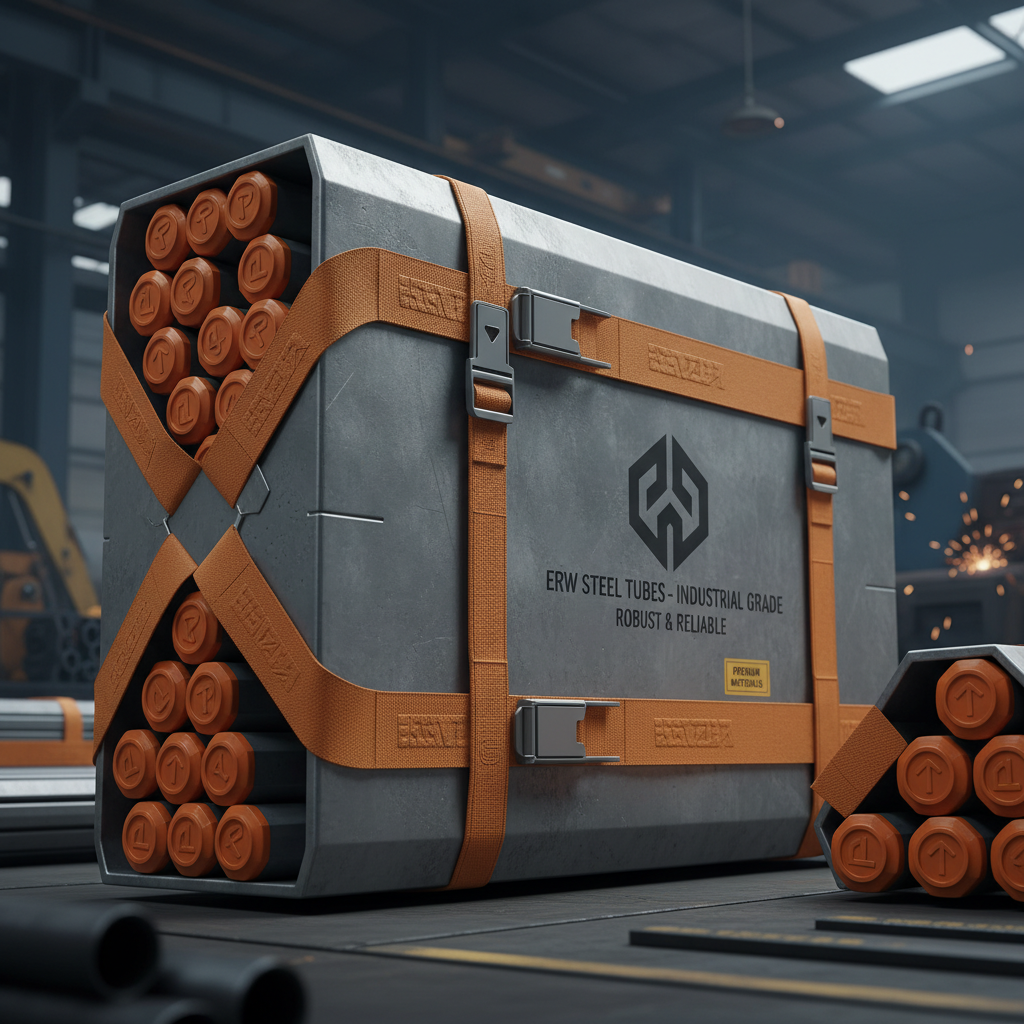
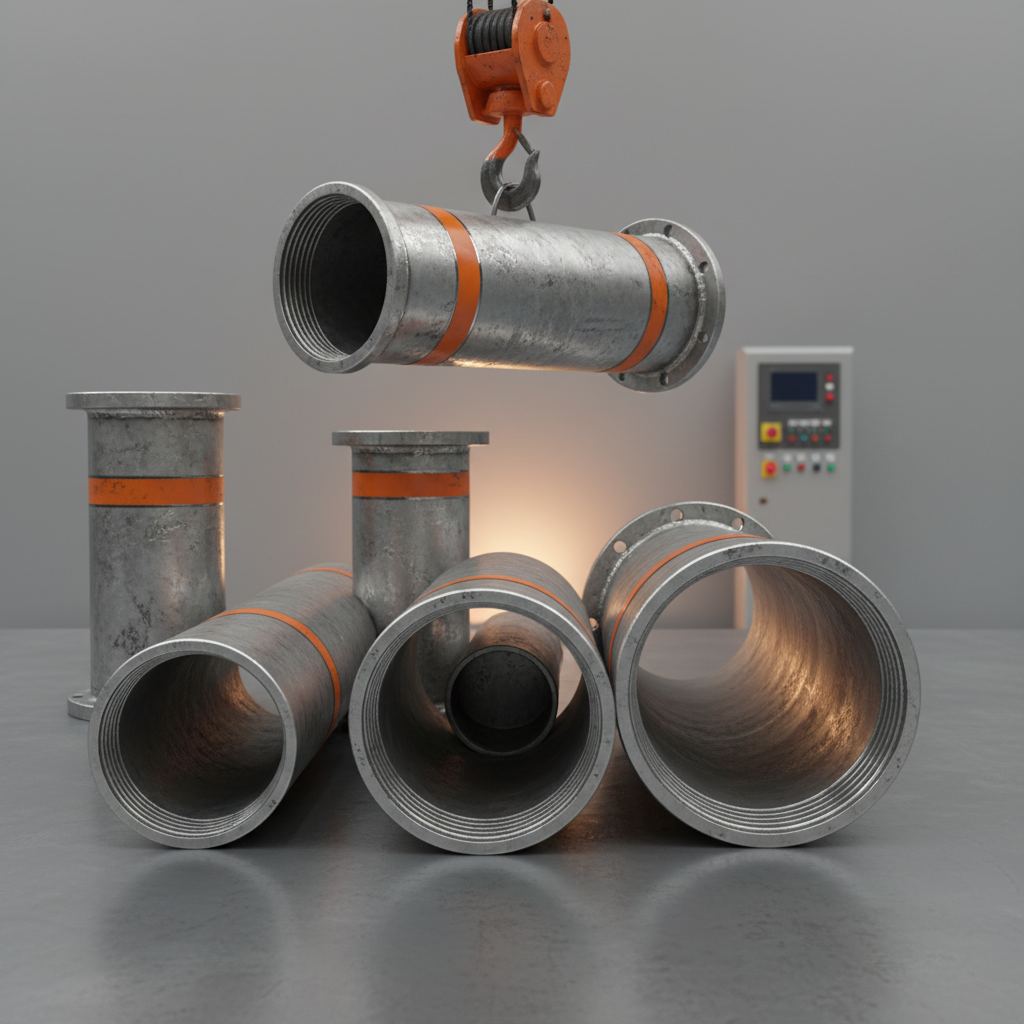
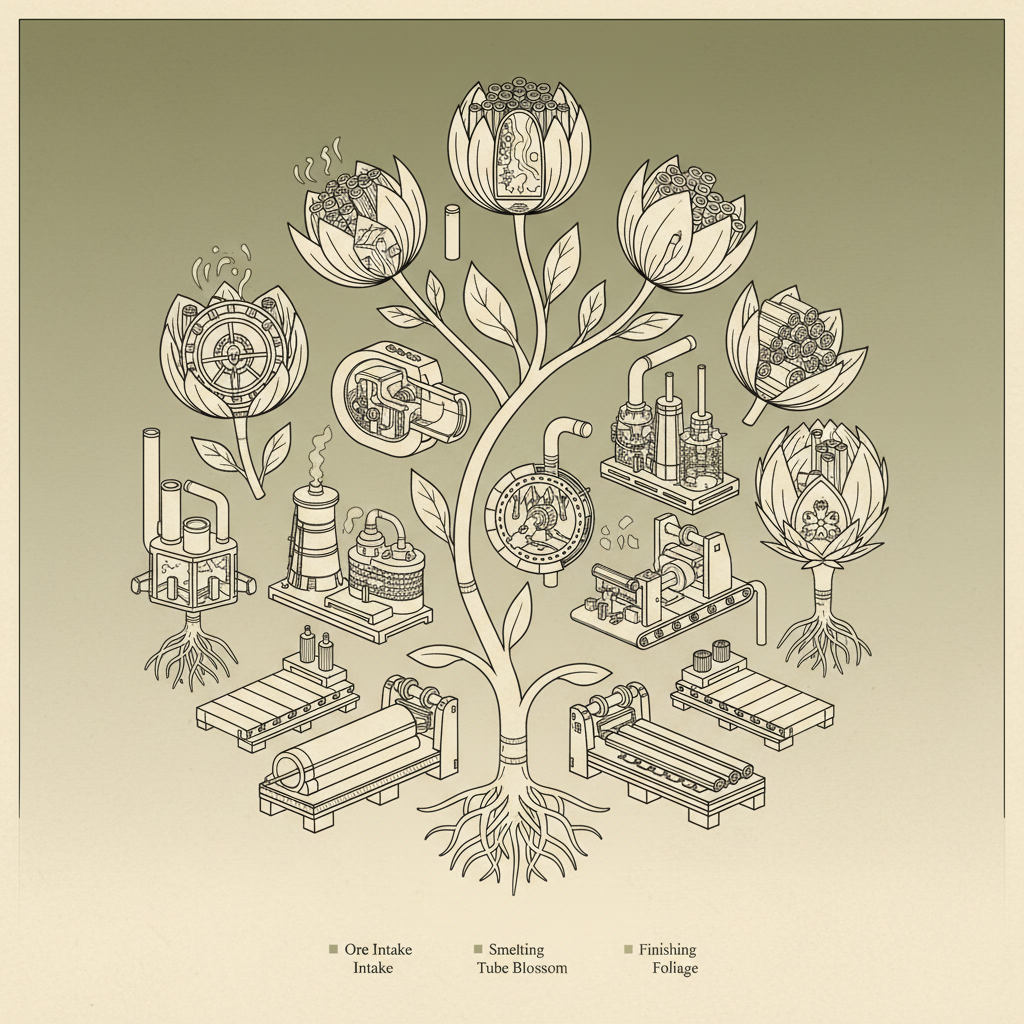
ERW steel tube, or Electric Resistance Welded steel tube, represents a cornerstone of modern infrastructure and industrial applications. Its prevalence stems from a cost-effective manufacturing process combined with robust mechanical properties, making it a favored choice across diverse sectors. From construction and automotive to agriculture and energy, the demand for ERW steel tubes continues to rise alongside global development and increasing industrialization, underpinning a significant portion of the global steel market.
The importance of understanding ERW steel tubes isn't limited to engineering specifications. The global steel industry is deeply interconnected with economic indicators, geopolitical factors, and evolving sustainability standards. Fluctuations in raw material prices, trade policies, and environmental regulations directly impact the production and availability of ERW steel tubes. Mastering the nuances of its application and sourcing is crucial for businesses aiming for operational efficiency and long-term resilience.
Ultimately, ERW steel tube provides a versatile and reliable solution for a wide range of fluid and structural conveyance needs, contributing to progress across countless industries. This detailed exploration aims to equip you with the knowledge to make informed decisions concerning its selection, implementation, and long-term viability.
What is ERW Steel Tube? A Comprehensive Overview
Electric Resistance Welded (ERW) steel tube is manufactured by forming steel into a tube shape and then welding the seam using an electric current. This process creates a strong, consistent weld without the need for filler metals in many cases, making it a highly efficient and economical production method. The versatility of ERW tubes allows for a wide range of diameters, wall thicknesses, and steel grades, catering to diverse application needs.
Understanding the nuances of ERW steel tube production – from initial steel strip preparation to post-weld heat treatment – is crucial for appreciating its inherent properties and limitations. The quality of the weld is paramount, and factors like weld speed, pressure, and current intensity are precisely controlled to ensure structural integrity and prevent defects.
The Global Significance of ERW Steel Tube
The global ERW steel tube market is a multi-billion dollar industry, driven by infrastructural development in emerging economies and the constant demand for efficient piping solutions worldwide. Asia-Pacific currently dominates the market, fueled by rapid urbanization and industrial growth in countries like China and India, with substantial consumption also emanating from North America and Europe. The UN estimates global infrastructure spending will reach trillions of dollars in the coming decades, heavily reliant on steel tube products.
However, the industry faces growing scrutiny regarding its environmental impact. Steel production is a carbon-intensive process, and increasing pressure to reduce emissions is driving innovation in sustainable steelmaking techniques. Furthermore, trade disputes and fluctuating raw material costs (iron ore, coal) present ongoing challenges for manufacturers and consumers of ERW steel tubes globally.
The accessibility and relative affordability of ERW steel tubes make them vital for projects ranging from large-scale pipeline construction to smaller-scale plumbing and mechanical systems. This widespread application demonstrates its critical role in supporting global economic activity and providing essential services.
Defining ERW Steel Tube: Production and Characteristics
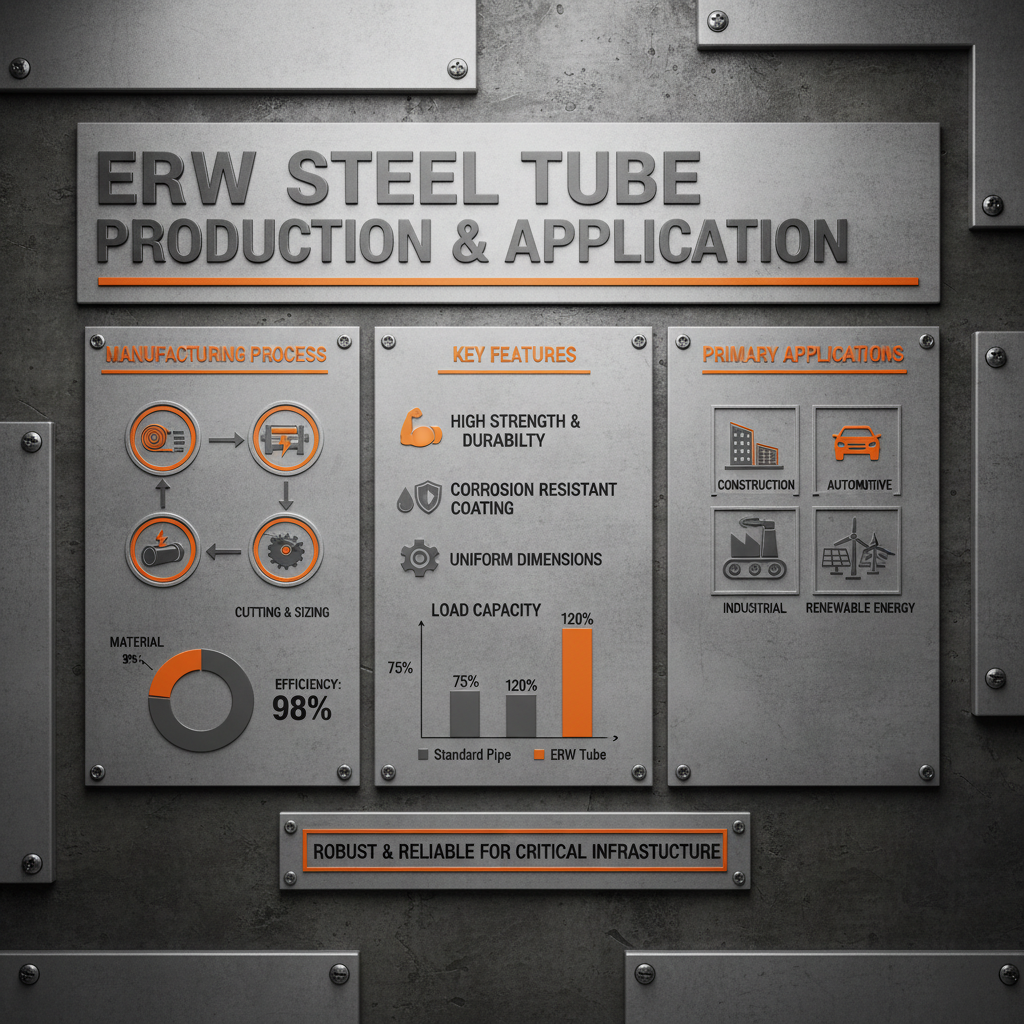
ERW steel tube manufacturing begins with a flat strip of steel that is passed through a series of rollers to form a cylindrical shape. The edges of the steel strip are then brought together, and an electric current is applied, generating heat due to the resistance of the steel. This localized heating melts the edges, and high pressure is applied to forge a weld seam. Different ERW processes exist, including butt welding and spiral welding, each suited to different tube sizes and specifications.
Key characteristics of ERW steel tubes include their consistent dimensions, smooth surface finish, and relatively high strength-to-weight ratio. The weld seam itself is a critical area, and rigorous quality control measures – including ultrasonic testing and radiographic inspection – are employed to ensure its integrity. Common steel grades used in ERW tube production include carbon steel, alloy steel, and stainless steel, each offering varying degrees of corrosion resistance and mechanical performance.
The precise control over the welding process allows for the production of ERW steel tubes with tight tolerances and consistent mechanical properties. This consistency is particularly important in applications where precision and reliability are paramount, such as in automotive exhaust systems or hydraulic pipelines. The resultant tube boasts strength, weld integrity, and dimensional accuracy.
Key Factors Influencing ERW Steel Tube Performance
The performance of ERW steel tube is governed by a combination of material properties, manufacturing processes, and operational conditions. Steel grade plays a crucial role, with higher-strength alloys offering greater resistance to deformation and fracture. Wall thickness directly impacts the tube's pressure-bearing capacity and resistance to corrosion.
Weld quality is arguably the most critical factor. A properly formed weld seam must be free of defects, such as porosity, cracking, and incomplete fusion. The welding process parameters – current, voltage, speed, and pressure – must be precisely controlled to achieve optimal weld integrity. Post-weld heat treatment can further enhance the mechanical properties of the weld seam.
ERW Steel Tube Performance by Manufacturing Method
Diverse Applications of ERW Steel Tube Across Industries
ERW steel tube finds extensive use in the construction industry, serving as structural supports, scaffolding components, and conduits for electrical and plumbing systems. Its strength and durability make it ideal for building frameworks, providing a stable foundation for various structures. The versatility of ERW tubes allows for customization to meet specific project requirements.
The automotive sector heavily relies on ERW steel tubes for exhaust systems, chassis components, and safety cages. Their lightweight nature and resistance to corrosion contribute to improved fuel efficiency and vehicle safety. In agriculture, ERW tubes are utilized in irrigation systems, greenhouse structures, and livestock enclosures, providing reliable and cost-effective solutions for farming operations.
Advantages and Long-Term Value of ERW Steel Tube
The primary advantage of ERW steel tube lies in its cost-effectiveness. The manufacturing process is relatively simple and requires less labor compared to seamless tube production, resulting in lower material costs. The consistency of the weld and the ability to produce tubes with tight tolerances contribute to reduced material waste and improved efficiency during fabrication. ERW tubes also offer excellent strength and durability, ensuring a long service life.
Beyond purely economic benefits, ERW steel tube offers tangible societal and environmental value. Its widespread use facilitates infrastructure development, supports economic growth, and enables access to essential services. Furthermore, ongoing innovations in steelmaking technology are reducing the carbon footprint of ERW steel tube production, promoting a more sustainable future.
Future Trends and Challenges in ERW Steel Tube Technology
The future of ERW steel tube technology is poised for disruption by advancements in automation, digitalization, and materials science. Automated welding systems, powered by artificial intelligence, are enhancing weld quality and reducing production costs. Digital twins – virtual replicas of physical tubes – are enabling predictive maintenance and optimizing performance.
The adoption of high-strength, low-alloy (HSLA) steels and advanced coating technologies will further improve the corrosion resistance and durability of ERW tubes. However, challenges remain in addressing the environmental impact of steel production and mitigating supply chain vulnerabilities. Developing more sustainable manufacturing processes and diversifying sourcing strategies are crucial for ensuring the long-term viability of the ERW steel tube industry.
Moreover, the increasing demand for customized ERW tubes tailored to specific applications will require greater flexibility and responsiveness from manufacturers. Embracing lean manufacturing principles and adopting agile production methodologies will be essential for meeting these evolving customer needs.
Summary of Key Challenges and Solutions for ERW Steel Tube
| Challenge |
Impact on ERW Steel Tube |
Potential Solution |
Implementation Difficulty (1-10) |
| Raw Material Price Volatility |
Increased production costs, fluctuating tube prices. |
Diversify sourcing, long-term contracts, hedging strategies. |
7 |
| Weld Defect Detection |
Compromised tube integrity, potential failure risk. |
Advanced non-destructive testing (NDT) methods, AI-powered inspection. |
6 |
| Carbon Emissions |
Environmental impact, regulatory pressure. |
Transition to green steel production, carbon capture technologies. |
8 |
| Supply Chain Disruptions |
Delays in delivery, increased lead times. |
Regionalized production, strategic inventory management. |
5 |
| Lack of Skilled Labor |
Reduced production efficiency, quality control issues. |
Investment in training programs, automation of tasks. |
7 |
| Meeting Stringent Standards |
Higher compliance costs, potential for rejection. |
Implementation of robust quality management systems, continuous improvement. |
6 |
FAQS
ERW steel tubes are manufactured by welding a steel strip, while seamless tubes are created by piercing a solid billet. Seamless tubes generally offer superior strength and are preferred for high-pressure applications. However, ERW tubes are often more cost-effective and suitable for a wider range of general-purpose applications where the weld integrity is adequately ensured through rigorous testing and quality control. Choosing between the two depends on the specific performance requirements and budget constraints.
Corrosion can significantly reduce the lifespan of ERW steel tubes, especially in harsh environments. Factors like exposure to moisture, salt, and chemicals accelerate the corrosion process. Protective coatings, such as galvanization, epoxy coatings, and specialized paints, can effectively mitigate corrosion. Selecting appropriate steel grades with inherent corrosion resistance, like stainless steel, is also a crucial consideration for long-term durability.
Several non-destructive testing (NDT) methods are employed to assess the quality of ERW steel tube welds, including ultrasonic testing (UT), radiographic testing (RT), and eddy current testing (ET). UT uses sound waves to detect internal flaws, while RT utilizes X-rays to visualize weld defects. ET identifies surface cracks and inconsistencies. These tests ensure the weld seam meets stringent quality standards and is free from critical imperfections.
The production of ERW steel tubes, like all steel manufacturing processes, generates significant carbon emissions. Environmental concerns include energy consumption, waste generation, and air pollution. Efforts to mitigate these impacts include utilizing recycled steel, implementing energy-efficient technologies, and investing in carbon capture and storage solutions. The industry is increasingly focused on sustainable practices to reduce its environmental footprint.
The lifespan of an ERW steel tube in a plumbing application varies depending on factors like water quality, pressure, and maintenance. With proper installation and protection against corrosion, an ERW steel tube can last for several decades – often 50 years or more. However, in aggressive environments with high levels of chlorides or acidity, the lifespan may be considerably shorter. Regular inspections and preventative maintenance are recommended.
Common steel grades include A53 (general purpose), A106 (high-temperature service), and 1018 carbon steel (structural applications). A53 is frequently used in plumbing and water distribution. A106 is ideal for high-temperature pipelines in refineries and power plants. 1018 offers good weldability and machinability for various structural components. The choice of steel grade depends on the specific pressure, temperature, and corrosion resistance requirements of the application.
Conclusion
In conclusion, ERW steel tube remains a fundamental material in modern construction, manufacturing, and infrastructure. Its cost-effectiveness, versatility, and inherent strength continue to drive its global demand. Understanding the intricacies of its production, performance characteristics, and future trends is critical for professionals across diverse industries.
Looking ahead, continued innovation in materials science, manufacturing processes, and sustainability practices will be essential to optimize the value and minimize the environmental impact of ERW steel tubes. We encourage you to explore the comprehensive range of carbon steel coupling, pipe fittings, flanges, and other related products available at www.szpipefitting.com to find the ideal solutions for your specific needs.