erw steel pipe, or Electric Resistance Welded steel pipe, is a crucial component in modern infrastructure, spanning diverse industries from construction and oil & gas to water supply and automotive manufacturing. Its widespread adoption stems from its cost-effectiveness, efficient production process, and reliable performance. Understanding the nuances of erw steel pipe is vital for engineers, procurement professionals, and anyone involved in projects requiring durable and dependable steel piping solutions.
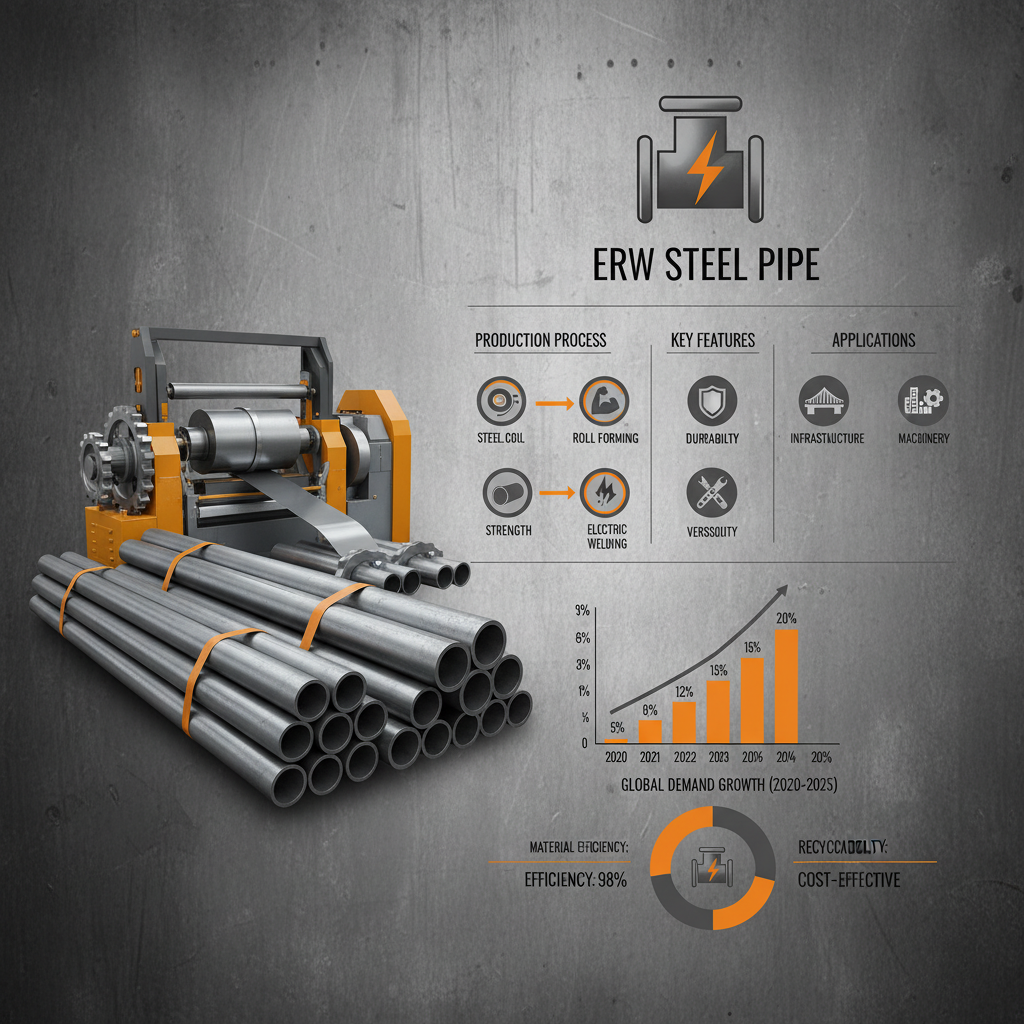
The global demand for steel pipe, including erw variants, continues to rise, driven by urbanization, industrial growth, and the need for robust infrastructure development. According to the World Steel Association, global steel demand is projected to increase, with emerging economies representing a significant portion of this growth. This surge in demand necessitates a thorough comprehension of erw steel pipe’s specifications, applications, and quality control measures.
Addressing the challenges of material selection in complex projects, erw steel pipe presents a versatile and economically viable solution. Its ability to be produced in various sizes, thicknesses, and grades makes it adaptable to a wide range of requirements, reducing project costs and ensuring structural integrity. Mastering the details of this essential material is therefore paramount in today’s interconnected world.
The Fundamentals of erw steel pipe
At its core, erw steel pipe is manufactured by cold-forming steel into a tubular shape and then welding the seam using electrical resistance heating. This process differs from seamless pipe production and offers advantages in terms of cost and production speed. The resulting pipe is then subjected to rigorous testing and quality control to ensure its structural integrity and adherence to industry standards.
The selection of appropriate steel grades is crucial in erw steel pipe manufacturing. Commonly used grades include carbon steel, alloy steel, and stainless steel, each offering varying levels of strength, corrosion resistance, and weldability. Choosing the right steel grade depends on the intended application and the environmental conditions the pipe will be exposed to.
The Manufacturing Process of erw steel pipe
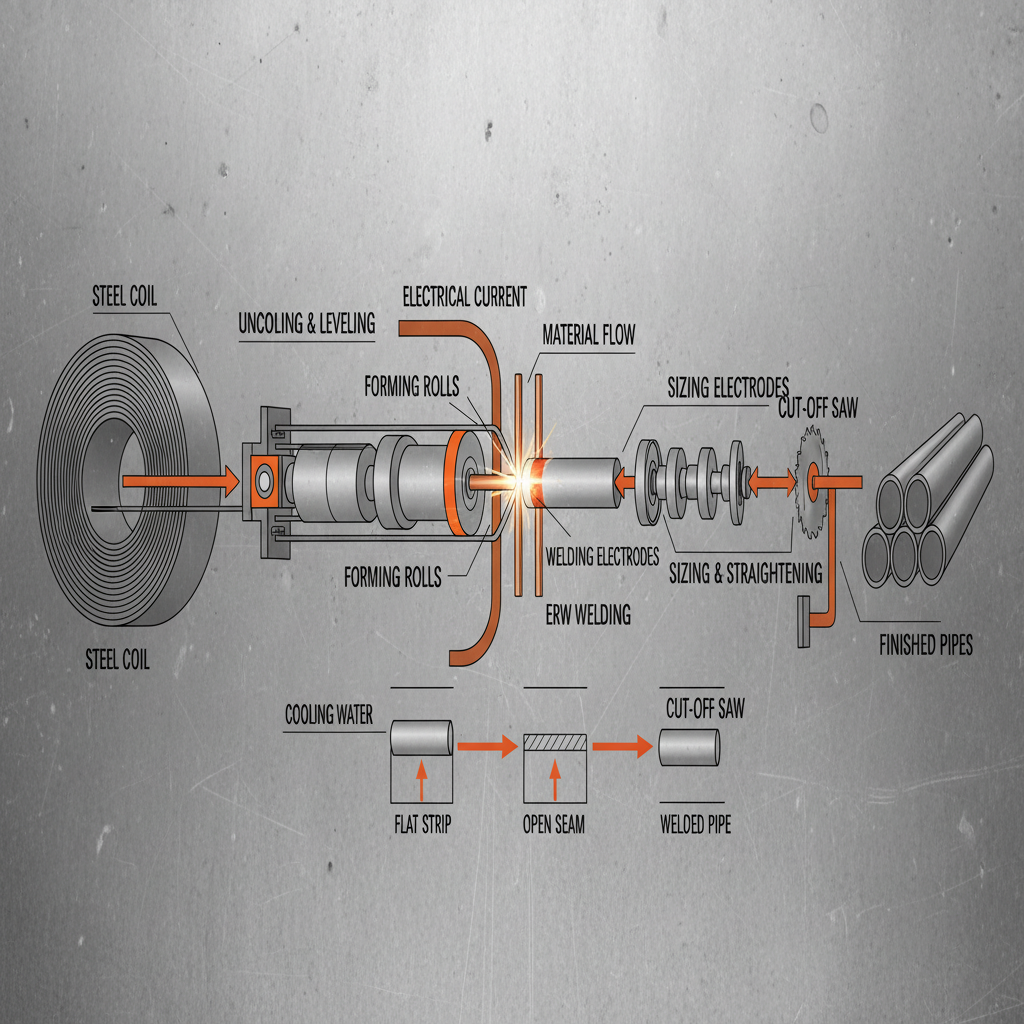
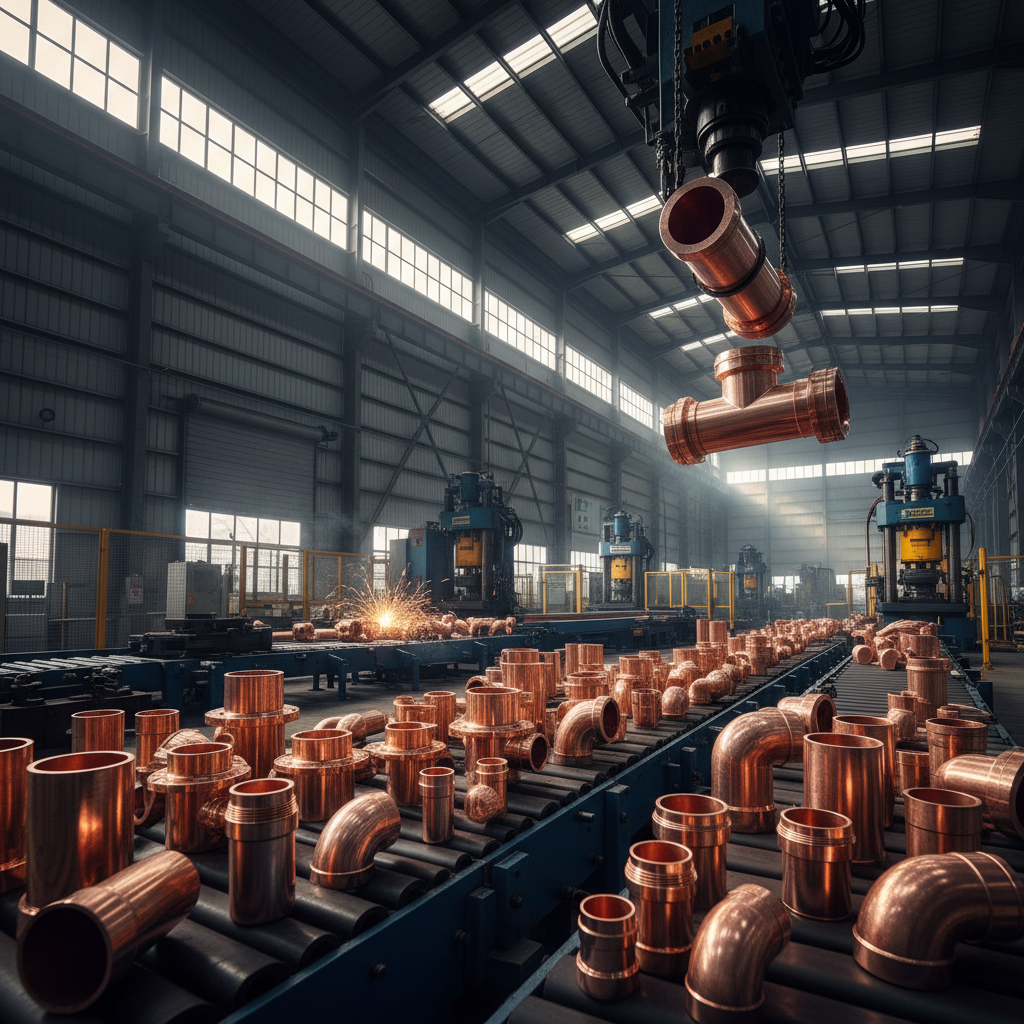
The erw steel pipe manufacturing process begins with the slitting of steel coils into the required width. These strips are then fed into a forming machine which rolls them into a tubular shape. Crucially, this forming occurs before welding, a key characteristic of erw pipe. The edges of the steel strip are then precisely aligned and subjected to high-frequency electric resistance heating.
The heat generated melts the edges of the steel, and pressure is applied to forge a strong, continuous weld seam. Following welding, the pipe undergoes several quality control processes, including non-destructive testing like ultrasonic testing and eddy current testing, to detect any flaws or imperfections. Finally, the pipe is sized, straightened, and often coated with protective layers.
The efficiency of the erw process means faster production times and reduced material waste compared to other methods like seamless pipe manufacturing. However, precise control over parameters like welding current, forming speed, and cooling rates are essential to guarantee the pipe’s mechanical properties and overall quality.
Key Characteristics of High-Quality erw steel pipe
A high-quality erw steel pipe exhibits several defining characteristics. First and foremost is the integrity of the weld seam. The weld should be free from porosity, cracks, and any other defects that could compromise the pipe’s strength and durability. Comprehensive non-destructive testing methods are employed to verify weld quality.
Dimensional accuracy is another critical factor. The erw steel pipe must meet specified tolerances for outer diameter, wall thickness, and length. Consistent dimensions ensure proper fit-up during installation and prevent potential leaks or failures. Precise manufacturing processes and stringent quality control are key to achieving this accuracy.
Furthermore, the mechanical properties of the steel itself, such as yield strength, tensile strength, and elongation, must conform to relevant industry standards. These properties determine the pipe’s ability to withstand internal pressure, external loads, and environmental stresses. Thorough material testing and certification are therefore essential.
Diverse Applications of erw steel pipe Across Industries
erw steel pipe finds widespread use in the construction industry for structural applications, scaffolding, and fencing. Its strength and affordability make it an ideal choice for projects requiring robust and cost-effective materials. In the oil and gas sector, it's used for pipeline transmission, casing, and tubing, requiring higher strength grades and corrosion-resistant coatings.
The water supply industry relies heavily on erw steel pipe for distribution networks, irrigation systems, and well casings. The pipe's ability to withstand internal pressure and resist corrosion is crucial for ensuring safe and reliable water delivery. Furthermore, erw steel pipe is also common in the automotive industry for exhaust systems, chassis components, and structural elements.
erw steel pipe Application Distribution
Advantages and Economic Benefits of Using erw steel pipe
The primary advantage of erw steel pipe lies in its cost-effectiveness. The manufacturing process is generally less expensive than that of seamless pipe, making it an attractive option for large-scale projects where budget constraints are a concern. This affordability doesn't compromise on quality, however, as erw pipe can meet stringent industry standards.
Furthermore, the consistent dimensions and smooth surface finish of erw steel pipe contribute to reduced installation costs. Easier welding and joining processes minimize labor time and material waste. The wide availability of erw steel pipe from various suppliers also enhances supply chain efficiency and reduces lead times.
Future Trends and Innovations in erw steel pipe Technology
Ongoing research and development efforts are focused on enhancing the properties of erw steel pipe, particularly its corrosion resistance and weld strength. New steel alloys with improved chemical compositions are being explored to extend the pipe’s lifespan and reduce maintenance requirements. Advanced welding techniques, such as laser welding, are also being investigated.
The integration of digital technologies, like automated inspection systems and real-time data monitoring, is poised to revolutionize erw steel pipe manufacturing. These innovations will enable more precise quality control, predictive maintenance, and optimized production processes. Furthermore, the growing emphasis on sustainability is driving the development of more environmentally friendly manufacturing practices.
The drive for lighter-weight materials is also influencing development. High-strength low-alloy (HSLA) steels and advanced coatings are enabling the production of erw steel pipe with reduced wall thicknesses, minimizing material usage and transportation costs while maintaining structural integrity.
Challenges and Quality Control Considerations for erw steel pipe
Despite its advantages, erw steel pipe faces certain challenges. Achieving consistent weld quality can be complex, requiring precise control over welding parameters and thorough non-destructive testing. Furthermore, maintaining dimensional accuracy across large production runs requires advanced manufacturing techniques and rigorous quality control measures.
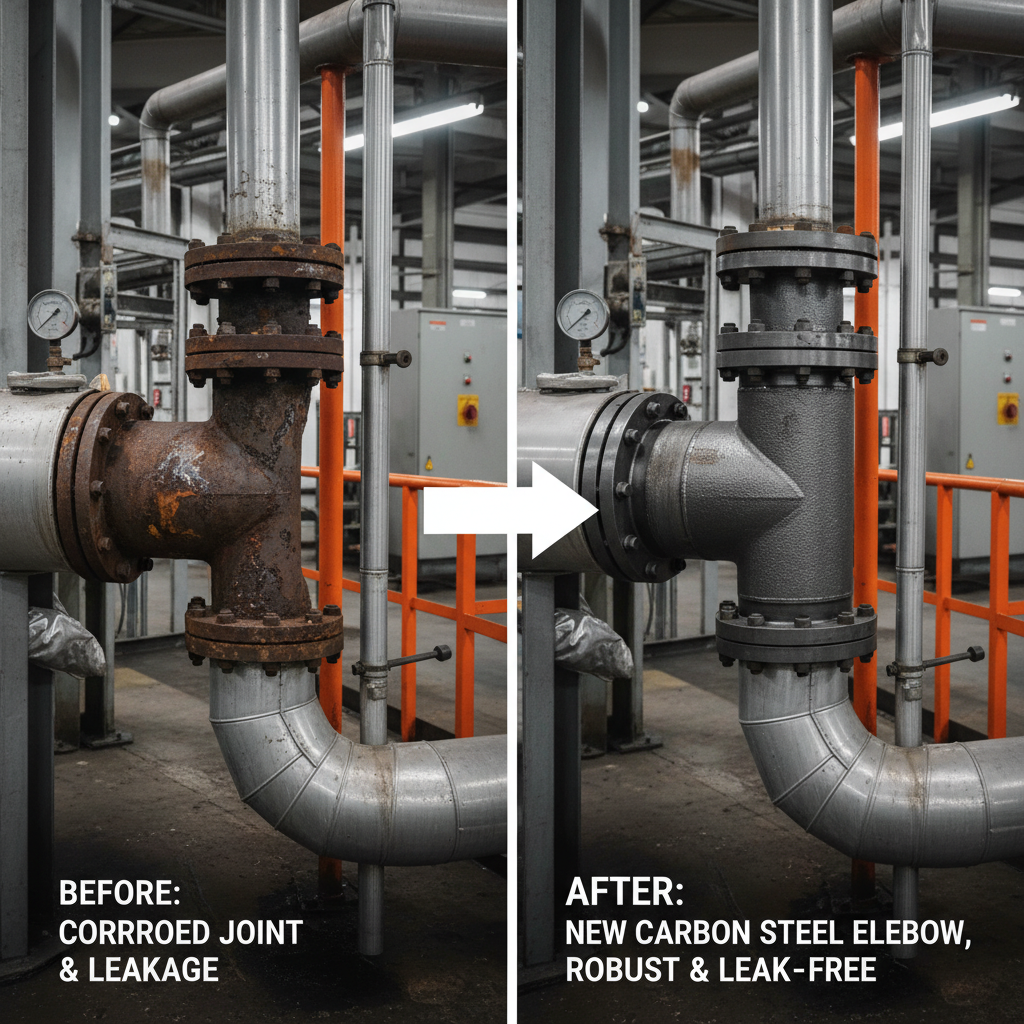
Corrosion remains a significant concern, particularly in harsh environments. Selecting appropriate protective coatings, such as galvanizing or epoxy coatings, is crucial for extending the pipe’s service life. Regular inspection and maintenance programs are also essential for detecting and addressing corrosion issues.
Effective quality control requires a multi-faceted approach, including material certification, dimensional checks, hydrostatic testing, and non-destructive examination of weld seams. Adherence to relevant industry standards, such as API 5L and ASTM A53, is paramount for ensuring the reliability and safety of erw steel pipe.
Key Quality Control Parameters for erw Steel Pipe
| Steel Grade |
Weld Seam Quality |
Dimensional Accuracy |
Corrosion Resistance |
| Carbon Steel (A53) |
Rating: 8/10 (Good for general applications) |
Tolerance: +/- 0.125 inches |
Standard coating required for outdoor use. |
| Alloy Steel (A335) |
Rating: 9/10 (Excellent weldability) |
Tolerance: +/- 0.0625 inches |
Enhanced corrosion resistance. |
| Stainless Steel (304/316) |
Rating: 10/10 (Superior weld quality) |
Tolerance: +/- 0.03125 inches |
Excellent corrosion resistance. |
| Low Carbon Steel (Q235) |
Rating: 7/10 (Requires careful welding control) |
Tolerance: +/- 0.25 inches |
Requires robust external coating. |
| High Strength Steel (X52) |
Rating: 8.5/10 (Good with proper technique) |
Tolerance: +/- 0.1 inches |
Moderate corrosion resistance. |
| Galvanized Steel |
Rating: 7.5/10 (Galvanizing can affect weld) |
Tolerance: +/- 0.1875 inches |
High corrosion resistance. |
FAQS
The lifespan of erw steel pipe varies significantly depending on the environment, the steel grade used, and the quality of the protective coating. With proper maintenance and a suitable coating (like galvanizing or epoxy), a well-installed erw steel pipe system can reliably function for 50-100 years. However, in harsh, corrosive environments, the lifespan may be shorter, requiring more frequent inspections and repairs.
The primary difference lies in the manufacturing process. Seamless pipe is created without a weld seam, offering potentially higher strength. However, erw steel pipe is generally more cost-effective to produce, especially in larger diameters. While seamless pipe is preferred for critical high-pressure applications, erw pipe is suitable for a wide range of industrial and construction applications where cost and efficiency are key considerations.
Corrosion can significantly weaken erw steel pipe over time, leading to leaks and structural failures. Preventative measures include applying protective coatings like galvanizing, epoxy, or polyethylene. Additionally, cathodic protection systems can be employed in particularly corrosive environments. Regular inspections are crucial to identify and address corrosion issues before they escalate.
Several industry standards dictate the quality and safety of erw steel pipe. Key standards include API 5L (for pipeline applications), ASTM A53 (for general purpose piping), and ASTM A335 (for alloy steel pipe). These standards specify requirements for material composition, welding procedures, dimensional tolerances, and non-destructive testing methods.
Non-destructive testing (NDT) is vital for identifying defects in erw steel pipe without damaging the material. Common NDT methods include ultrasonic testing (UT) to detect internal flaws in the weld seam, eddy current testing (ET) to detect surface cracks, and radiographic testing (RT) for comprehensive weld inspection. These tests ensure the pipe meets required quality standards.
Yes, erw steel pipe is highly recyclable, making it an environmentally responsible material choice. Steel is one of the most recycled materials globally. Recycling reduces the need for virgin steel production, conserving natural resources and lowering energy consumption. Using recycled steel in erw pipe manufacturing also minimizes carbon emissions and waste generation.
Conclusion
erw steel pipe represents a cornerstone of modern infrastructure and industrial operations. Its cost-effectiveness, versatility, and reliability have made it a preferred choice across a diverse range of applications. Understanding its manufacturing process, key characteristics, and quality control considerations is vital for ensuring safe and efficient projects.
As technology advances and sustainability concerns grow, continued innovation in erw steel pipe manufacturing will be crucial. This includes the development of new steel alloys, improved welding techniques, and more environmentally friendly production practices. For reliable steel piping solutions, visit our website: erw steel pipe.