
Understanding Carbon Steel Pipe Price Trends and Market Dynamics
Understanding Carbon Steel Pipe Price Trends
Navigating the world of industrial materials can be complex, especially when it comes to understanding carbon steel pipe price fluctuations. This guide provides a comprehensive overview of the factors influencing pricing, current market trends, and where to source high-quality pipes. Whether you're a contractor, engineer, or procurement specialist, understanding these elements is crucial for successful project budgeting and execution. SZ Pipefitting is dedicated to providing competitive pricing and reliable supply.
Factors Influencing Carbon Steel Pipe Price
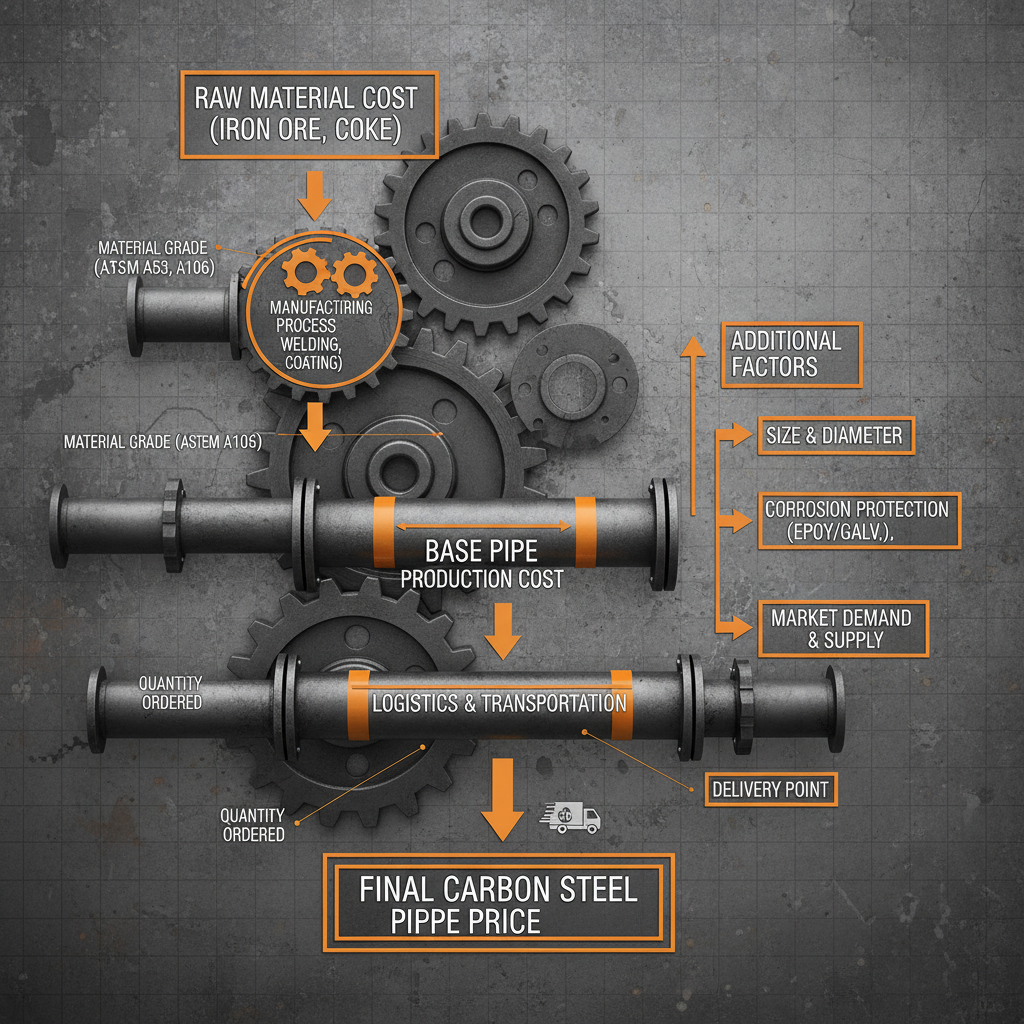
Several key factors contribute to the price of carbon steel pipe. Raw material costs (iron ore and coal) are paramount. Global steel production levels, and especially the output from major producers like China, exert a significant influence. Transportation costs, including freight and fuel surcharges, also play a vital role. Supply chain disruptions, tariffs, and trade policies can cause price volatility. Finally, the specific grade of carbon steel, pipe diameter, wall thickness, and length all impact the final cost. Understanding these elements allows for better forecasting and negotiation.
Key Price Drivers: Raw material costs, global steel production, transportation costs, supply chain dynamics, and pipe specifications.
Current Market Trends in Carbon Steel Pipe
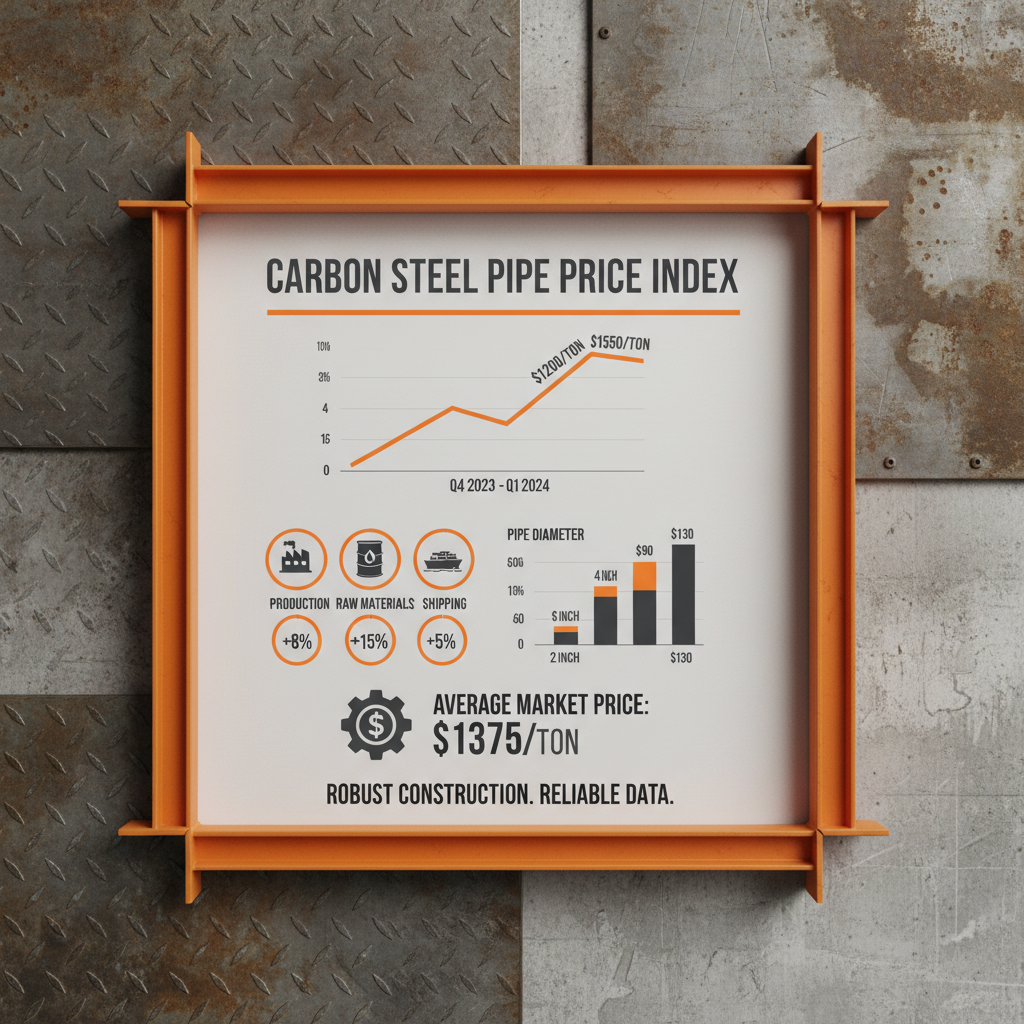
As of late 2023 and early 2024, the carbon steel pipe market has experienced a period of relative stability after significant volatility in previous years. Demand from infrastructure projects and the energy sector continues to be a major driving force. However, concerns about global economic slowdown and geopolitical instability continue to introduce uncertainty. Prices have shown a slight downward trend in some regions due to increased supply and reduced demand in specific sectors. Monitoring these trends closely is vital for making informed purchasing decisions. SZ Pipefitting provides up-to-date market insights to our clients.
Market Trend Highlights:
• Relative price stability after previous volatility.
• Demand driven by infrastructure and energy sectors.
• Downward price pressure in certain regions.
• Ongoing geopolitical and economic uncertainty.
Carbon Steel Pipe Price per Size and Schedule
The carbon steel pipe price varies significantly based on size (diameter) and schedule (wall thickness). Larger diameters and thicker schedules generally command higher prices due to increased material usage and manufacturing complexity. Below is a representative price range (USD per ton) as of January 2024. Note: These are estimates and subject to change.
Comparing Carbon Steel Pipe Grades: A106 vs. API 5L
Two common grades of carbon steel pipe are A106 and API 5L. A106 is typically used for high-temperature applications, while API 5L is widely utilized in the oil and gas industry. API 5L often has tighter specifications regarding chemical composition and mechanical properties. Consequently, API 5L pipe generally commands a higher price than A106. The choice depends on the specific application requirements and pressure/temperature considerations. SZ Pipefitting can help you select the appropriate grade for your project.
Choosing the Right Supplier for Competitive Pricing
Sourcing from a reputable supplier is crucial for obtaining competitive carbon steel pipe price and ensuring product quality. Consider factors such as supplier experience, certifications (e.g., ISO 9001), inventory levels, and logistical capabilities. Building a long-term relationship with a reliable supplier can lead to better pricing and consistent supply. SZ Pipefitting is a leading provider of carbon steel pipes, offering competitive prices and excellent customer service.
Conclusion: Smart Sourcing for Optimal Value
Understanding the factors influencing carbon steel pipe price is vital for successful project management. By staying informed about market trends, comparing grades, and choosing a reliable supplier like SZ Pipefitting, you can optimize your procurement process and achieve the best possible value.
Frequently Asked Questions (FAQs)
What is the impact of tariffs on carbon steel pipe prices?
Tariffs imposed on imported steel can significantly increase the cost of carbon steel pipe. These costs are often passed on to consumers, leading to higher prices for both domestic and imported products. Tariff rates vary depending on the country of origin and the specific type of steel. Trade disputes and fluctuating tariff policies can create considerable price volatility. It’s important to stay updated on current tariff regulations and consider sourcing options from countries not subject to high tariffs to mitigate cost increases.
How can I minimize shipping costs for carbon steel pipe?
Shipping costs can be a substantial portion of the total cost of carbon steel pipe. Consolidating shipments with other materials, negotiating freight rates with carriers, and choosing strategic shipping locations can help minimize expenses. Consider using Less-Than-Truckload (LTL) shipping for smaller orders. Working with a supplier like SZ Pipefitting who has established logistics partnerships can also result in significant savings.
What is the difference between black steel and galvanized steel pipe?
Black steel pipe is carbon steel that hasn't undergone any surface treatment, making it susceptible to rust. Galvanized steel pipe, on the other hand, is coated with a layer of zinc to protect it from corrosion. Galvanized pipe is more expensive than black steel but offers greater durability in corrosive environments. The choice depends on the application and the level of corrosion resistance required. For projects where rust is a concern, galvanized pipe is the preferred option.
What should I look for in a carbon steel pipe supplier's certifications?
Key certifications to look for in a carbon steel pipe supplier include ISO 9001 (quality management system), API 5L (for pipes meeting API standards), and material test reports (MTRs) confirming chemical composition and mechanical properties. These certifications demonstrate the supplier's commitment to quality control and adherence to industry standards. Verification of these certifications is crucial to ensure you receive high-quality, compliant products.