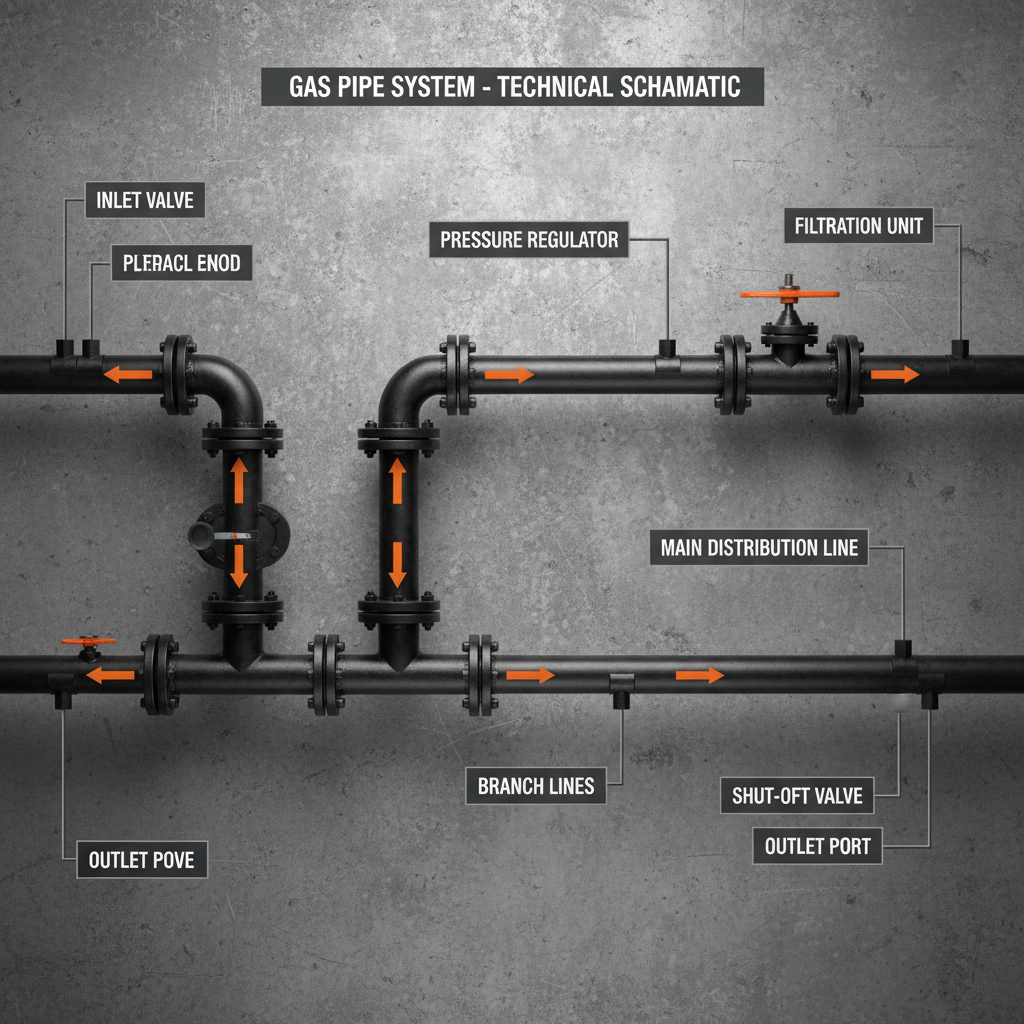
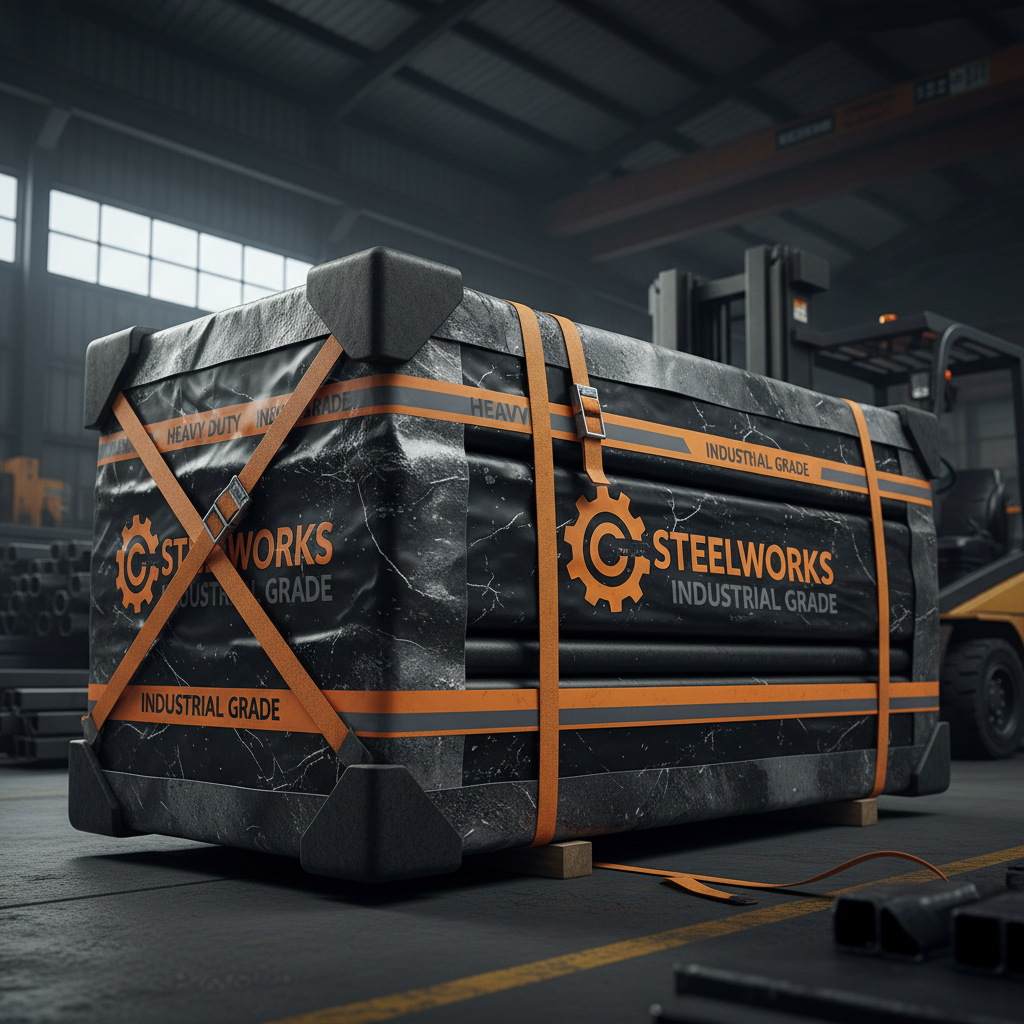
Look, I’ve spent the last fifteen years knee-deep in dirt and steel on construction sites, and lemme tell you, a reliable material supply chain is the backbone of everything. That’s where erw black steel pipe comes in. It's not glamorous stuff, but it’s essential. We’re talking about the veins and arteries of infrastructure, everything from oil pipelines to structural supports. Getting it right – quality, timely delivery, consistent specs – that’s what keeps projects moving and budgets in check. We’re not just talking about pipes; we’re talking about keeping the lights on, the water flowing, and buildings standing.
For years, the industry has been wrestling with supply chain disruptions, material costs swinging wildly, and quality control issues. And when things go sideways with steel pipe, it's not a minor setback; it's a cascading problem. Delays, rework, safety concerns… it all adds up. That's why understanding the nuances of erw black steel pipe – from its manufacturing process to its applications – isn’t just for engineers anymore. It's for anyone involved in building and maintaining our world. A savvy project manager needs to know their stuff, and that includes knowing their steel pipe.
The shift towards prefabrication and modular construction is making the demand for precise, high-quality erw black steel pipe even more critical. We’re moving away from cut-and-weld on-site to more controlled factory environments. This means tolerances matter, coatings have to be durable, and traceability is non-negotiable. It's no longer enough to just have the pipe; you need to know exactly where it came from, how it was made, and what its properties are.
The Significance of erw black steel pipe in Modern Infrastructure
Without a stable supply of dependable materials like erw black steel pipe, modern infrastructure simply wouldn’t function. It's the workhorse of everything from water distribution systems to oil and gas pipelines. The sheer volume of this material used globally is staggering – billions of feet laid every year. Understanding its role isn’t just about the pipe itself; it’s about the broader economic and societal impact of having a reliable infrastructure.
We’re seeing increased demand globally, particularly in developing nations undergoing rapid urbanization. This puts a strain on production capacity and emphasizes the importance of sustainable sourcing and efficient supply chains. It's not just about meeting demand; it's about doing so responsibly.
Understanding the Production and Characteristics of erw black steel pipe
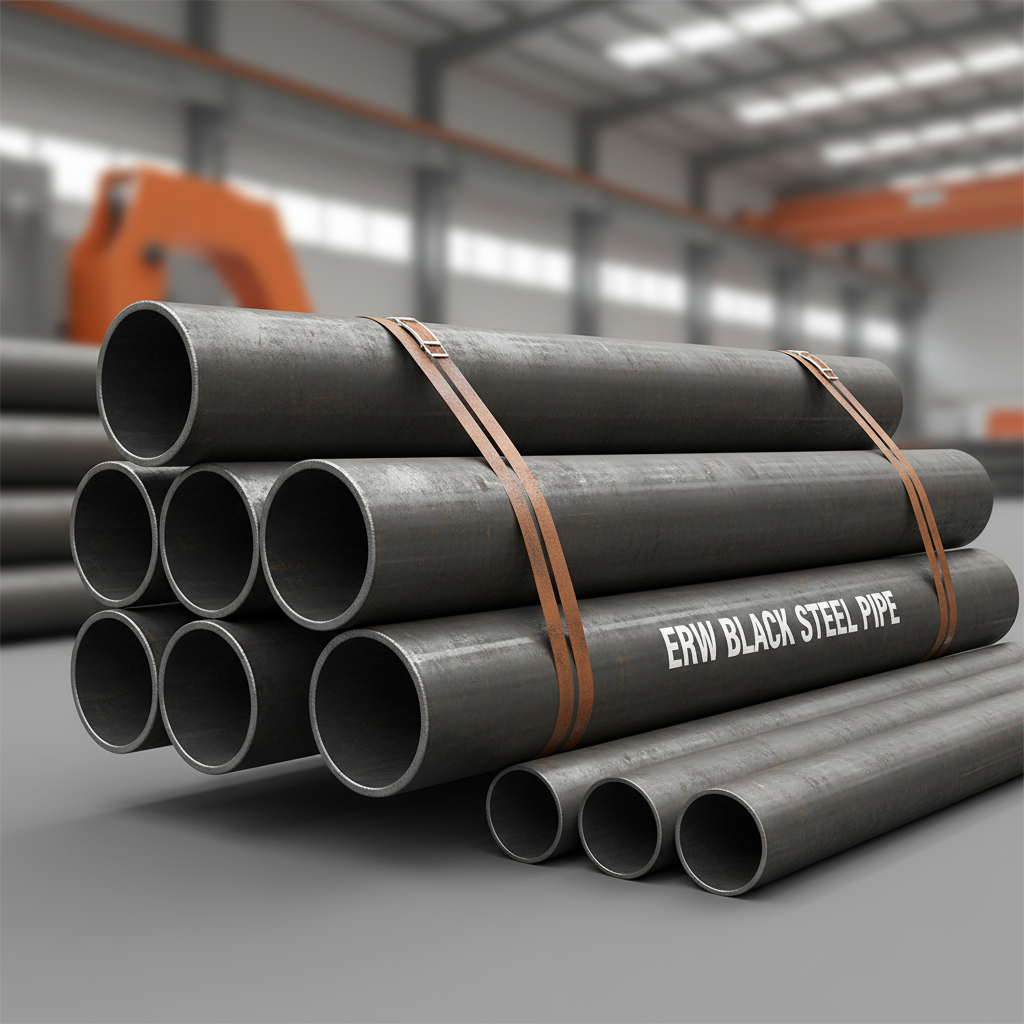
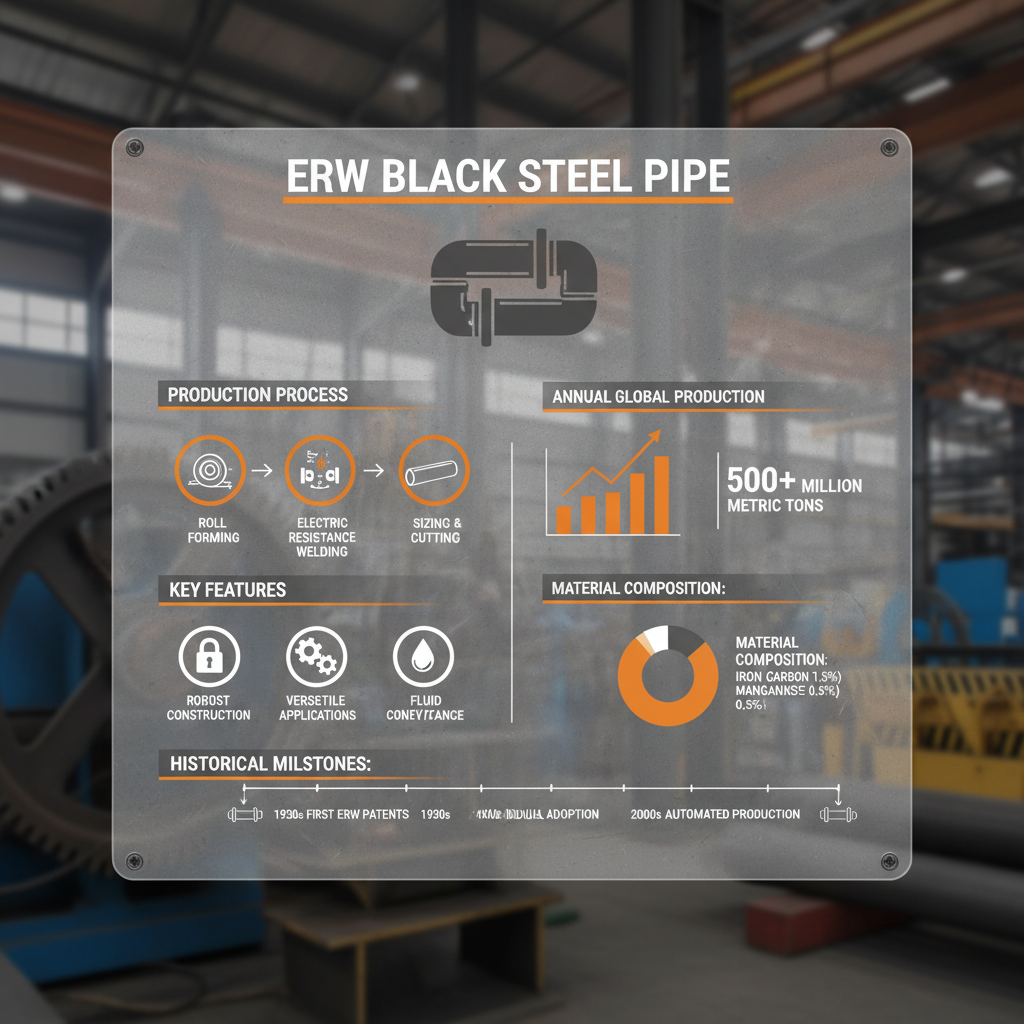
Now, let’s talk about how this stuff is made. ERW – Electric Resistance Welded – means the pipe is formed from steel coils and welded using electricity. It's a cost-effective method, and when done right, produces a strong, consistent product. But "when done right" is key. We're talking about precise control of heat, pressure, and welding parameters. A poorly manufactured erw black steel pipe can fail catastrophically, and that’s not something anyone wants to deal with.
The “black” part comes from the oil coating applied after welding – it’s a rust preventative. The steel itself comes in different grades, each with varying strength and ductility. Choosing the right grade for the application is critical. It depends on the pressure, temperature, and corrosive environment the pipe will be exposed to. You can’t just grab any pipe off the shelf; you need to know what you’re getting.
What I’ve learned from years in the field is that having a solid relationship with your supplier—one who can provide mill test reports and detailed material certifications—is invaluable. It’s not just about price; it’s about peace of mind.
Key Factors: Durability, Cost-Effectiveness, and Scalability of erw black steel pipe
When I’m looking at materials, three things always stand out: durability, cost, and scalability. erw black steel pipe scores pretty well on all three. It's built to last, especially with proper coatings and corrosion protection. We’re talking decades of reliable service in many applications. That longevity directly translates to lower lifecycle costs.
And let’s be honest, cost is always a factor. ERW pipe is typically more affordable than seamless pipe, making it a popular choice for large-scale projects. Plus, it’s readily available, meaning you can get the quantities you need without long lead times. Scalability is huge – you can order it in a wide range of sizes and lengths, and manufacturers can ramp up production to meet demand.
The combination of these factors is what makes erw black steel pipe such a versatile material. It’s not the most glamorous, but it's a practical, reliable, and economical solution for a huge range of applications. In the real world, on construction sites, that's what truly matters.
Global Applications of erw black steel pipe Across Industries
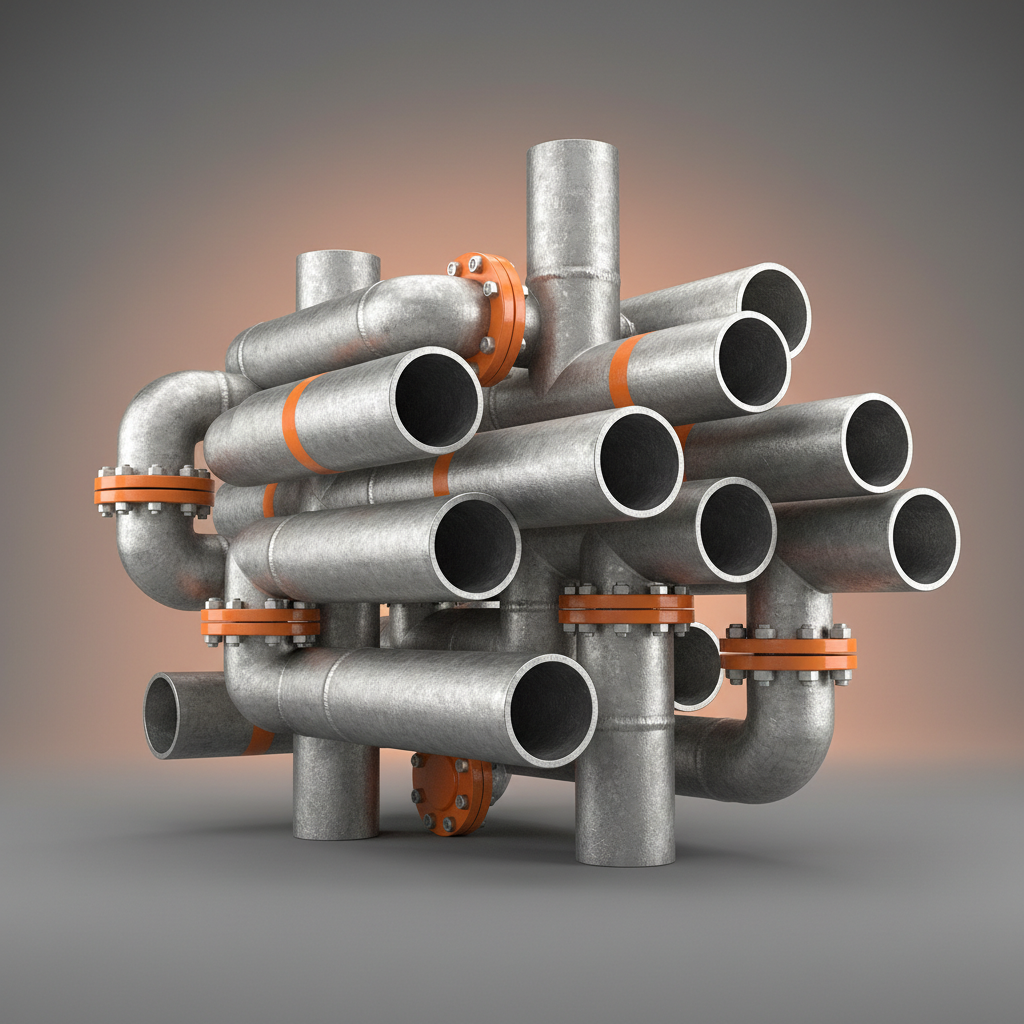
You name an industry, and chances are erw black steel pipe is being used somewhere in its infrastructure. Oil and gas pipelines are a major consumer, obviously. But it's also critical in water distribution, irrigation, construction, and even in the manufacturing of furniture and handrails. I've seen it used for everything from temporary scaffolding to permanent structural supports.
In North America, a large portion goes into the energy sector, transporting oil and natural gas. Asia is seeing a massive surge in demand due to infrastructure development and urbanization. Europe focuses more on water and sewage systems and industrial applications. Each region has different standards and regulations, so it’s vital to work with suppliers who understand the local requirements.
Average Project Cost Savings by Utilizing erw black steel pipe
The Advantages of Utilizing erw black steel pipe in Construction Projects
Look, I’ve seen projects get held up over something as simple as a material shortage. Using erw black steel pipe gives you a degree of certainty. It’s readily available, relatively inexpensive, and easy to work with. That translates to faster project completion and fewer headaches.
Beyond the practical benefits, it’s a reliable material. When installed correctly, it’s strong, durable, and can withstand a lot of abuse. And that peace of mind is priceless, especially when you’re dealing with critical infrastructure.
Future Trends and Innovations in erw black steel pipe Technology
We’re seeing some interesting developments in coatings and corrosion protection. New materials are being developed that offer even greater resistance to harsh environments. There's also a focus on more sustainable manufacturing processes – reducing energy consumption and minimizing waste.
And with the rise of digital twins and Building Information Modeling (BIM), we're going to see increased demand for traceability and data integration. Being able to track a piece of erw black steel pipe from the mill to the final installation will become standard practice.
The industry is constantly evolving, and staying ahead of the curve is essential.
Challenges and Solutions in the erw black steel pipe Supply Chain
Let's be real: the supply chain is still fragile. We’re still dealing with disruptions from global events, transportation bottlenecks, and fluctuating raw material prices. That’s why diversifying your suppliers and building strong relationships with them is critical.
Another challenge is ensuring quality control. Counterfeit or substandard pipe can be a major safety hazard. That’s where thorough inspection and testing come in. Investing in advanced testing equipment and training personnel is a must.
Ultimately, the key to overcoming these challenges is collaboration. We need better communication between manufacturers, distributors, and end-users.
Summary of Solutions for Supply Chain Challenges
| Challenge |
Impact on Project |
Proposed Solution |
Implementation Difficulty (1-10) |
| Supply Chain Disruptions |
Project Delays, Increased Costs |
Supplier Diversification, Strategic Stockpiling |
6 |
| Quality Control Issues |
Safety Risks, Structural Failures |
Rigorous Testing, Mill Test Report Verification |
8 |
| Fluctuating Material Prices |
Budget Overruns, Profit Margin Reduction |
Long-Term Contracts, Hedging Strategies |
7 |
| Transportation Bottlenecks |
Delivery Delays, Increased Shipping Costs |
Optimized Logistics, Multi-Modal Transportation |
5 |
| Lack of Traceability |
Difficulties in Identifying Root Causes of Failures |
Implementing Digital Tracking Systems, BIM Integration |
9 |
| Communication Gaps |
Misunderstandings, Delays, Increased Errors |
Regular Communication Channels, Collaborative Platforms |
4 |
FAQS
Lead times can vary dramatically depending on the size of your order, the current market demand, and the supplier’s inventory. Generally, for standard sizes, you can expect around 2-4 weeks. However, for large, custom orders, it could be 6-8 weeks or even longer. It's always best to plan ahead and get a firm quote with a confirmed delivery date. We’ve learned the hard way that relying on vague promises can bring a project to a halt.
Seamless pipe generally has higher strength and is preferred for critical applications involving high pressure or extreme temperatures. However, for many common applications, ERW pipe provides adequate strength, especially when manufactured to industry standards. The welding process can create a slightly weaker point, but modern ERW techniques and quality control measures minimize this difference. Choosing the right pipe depends on the specific requirements of the project.
The standard “black” coating is a light oil applied to prevent rust during storage and transportation. However, for more demanding environments, various other coatings are available, including epoxy, polyethylene, and galvanized coatings. The best coating depends on the corrosivity of the environment and the desired lifespan of the pipe. It's crucial to select a coating that's compatible with the intended application and the surrounding materials.
Look for certifications like API 5L, ASTM A53, and ISO 3183. These certifications demonstrate that the pipe has been manufactured to recognized industry standards and meets specific quality requirements. Also, request mill test reports (MTRs) for each batch of pipe to verify its chemical composition and mechanical properties. Don't hesitate to ask your supplier for documentation; a reputable supplier will be happy to provide it.
Store ERW pipe in a dry, well-ventilated area, preferably indoors. If outdoor storage is unavoidable, cover the pipe with a waterproof tarp to protect it from rain and snow. Elevate the pipe off the ground to prevent contact with moisture. Regularly inspect the pipe for signs of rust and re-oil as needed. Proper storage is essential to maintain the pipe’s integrity and prevent premature failure.
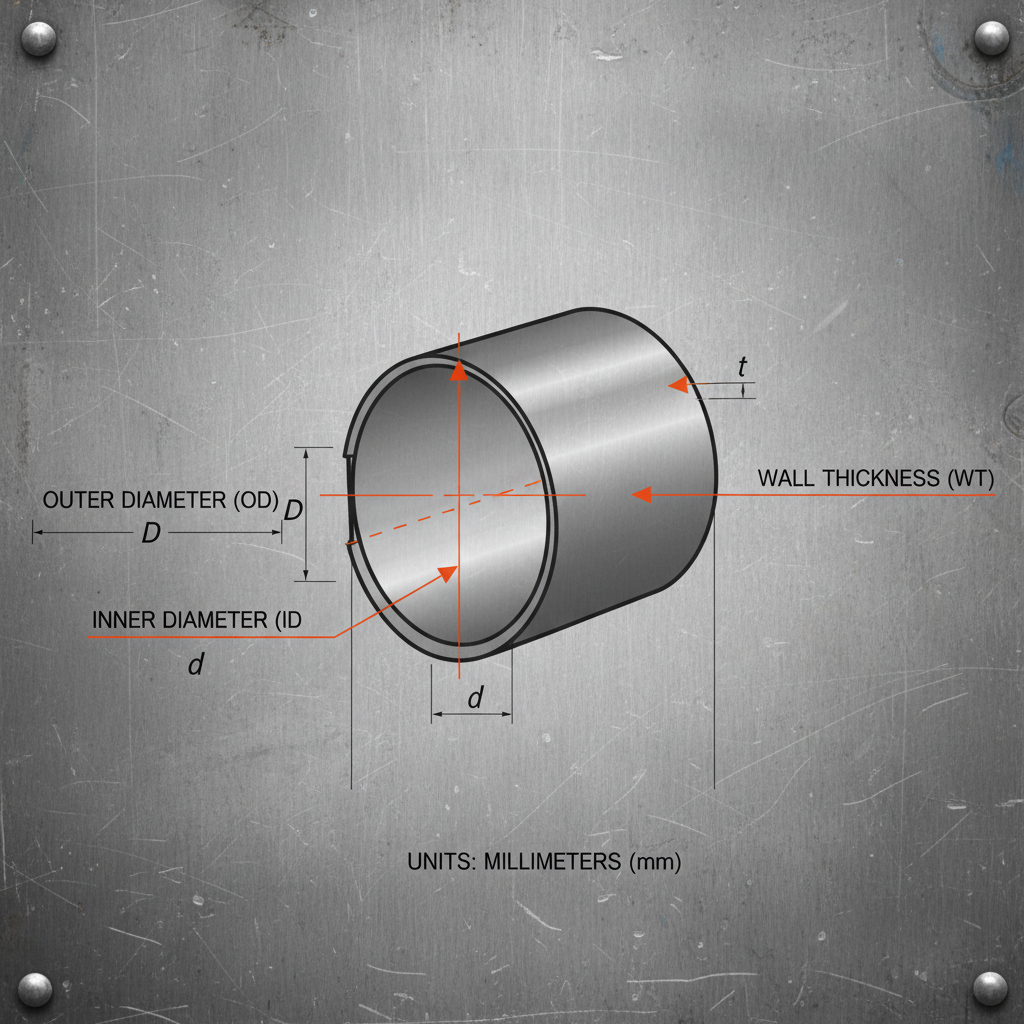
Thorough inspection upon arrival is critical. Verify the dimensions, wall thickness, and coating condition. Compare the delivered materials against your purchase order and the mill test reports. If you have any concerns, don't hesitate to reject the shipment and request a replacement. It's far better to address issues upfront than to discover them during installation.
Conclusion
Ultimately, erw black steel pipe isn't just a commodity; it's a fundamental building block of modern society. Understanding its properties, applications, and the challenges surrounding its supply chain is critical for anyone involved in construction, infrastructure development, or resource management. It's about more than just choosing a pipe; it’s about making informed decisions that impact safety, reliability, and long-term sustainability.
Looking ahead, we’ll see continued innovation in manufacturing techniques, coatings, and digital tracking technologies. Embracing these advancements will be crucial for maintaining a resilient and efficient supply chain. And remember, a little extra due diligence upfront can save you a lot of headaches – and money – down the road. For reliable erw black steel pipe, visit our website: www.szpipefitting.com.