Email: hbgain@aliyun.com
Tel: 8615128155291
The demand for robust and reliable piping systems is a cornerstone of modern infrastructure, spanning industries from oil and gas to water management and construction. Among the various sizes available, 8 inch steel pipe for sale represents a crucial component, balancing cost-effectiveness with the capacity needed for significant fluid or gas transport. Understanding the specifications, applications, and market dynamics of this particular pipe size is essential for engineers, procurement specialists, and anyone involved in large-scale projects.
Globally, the need for efficient and durable infrastructure continues to grow, driven by population expansion, industrial development, and the increasing demand for resources. 8 inch steel pipe for sale plays a pivotal role in facilitating this growth, providing a dependable solution for transporting critical materials across vast distances. Its use is particularly pronounced in regions undergoing rapid urbanization and infrastructure upgrades.
The availability and proper implementation of 8 inch steel pipe for sale directly impacts project timelines, operational efficiency, and long-term reliability. Choosing the right supplier and understanding the relevant industry standards are paramount to ensuring the success of any project relying on this critical infrastructure component.
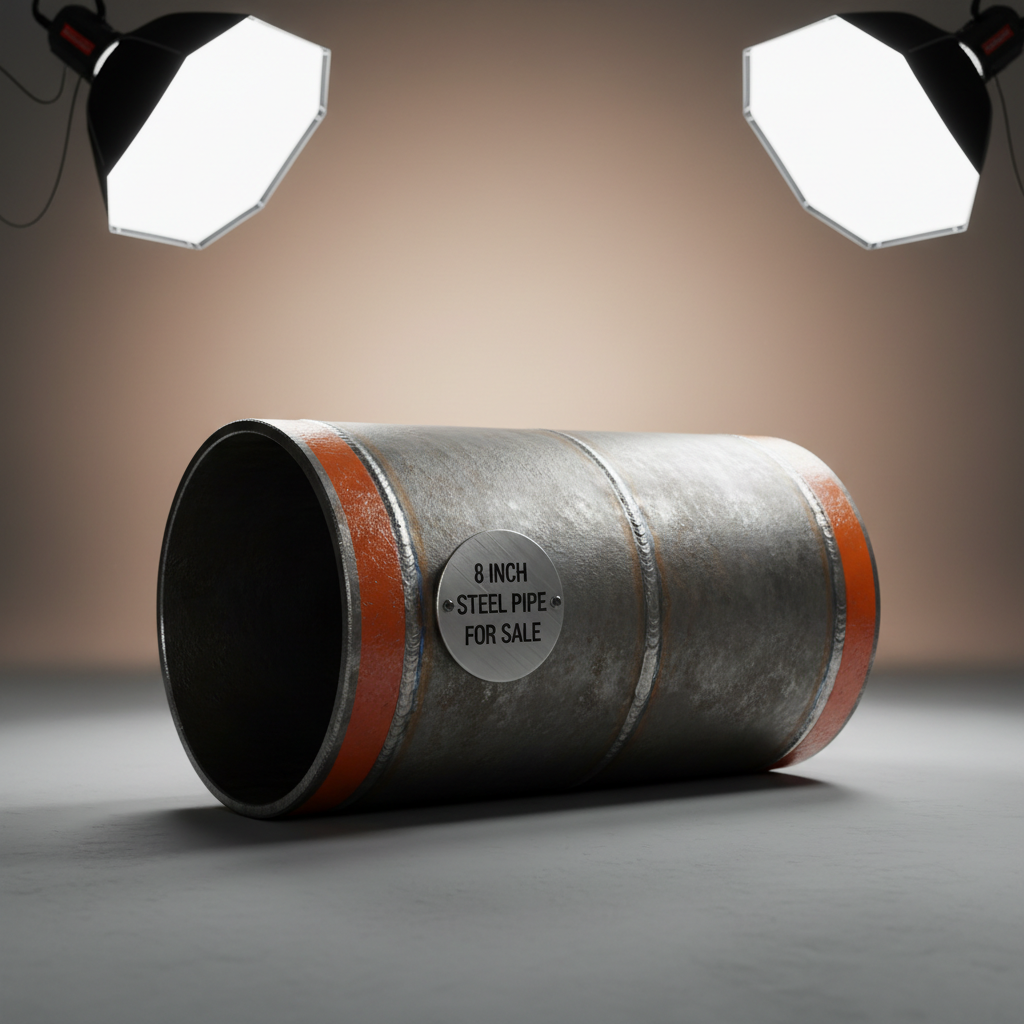
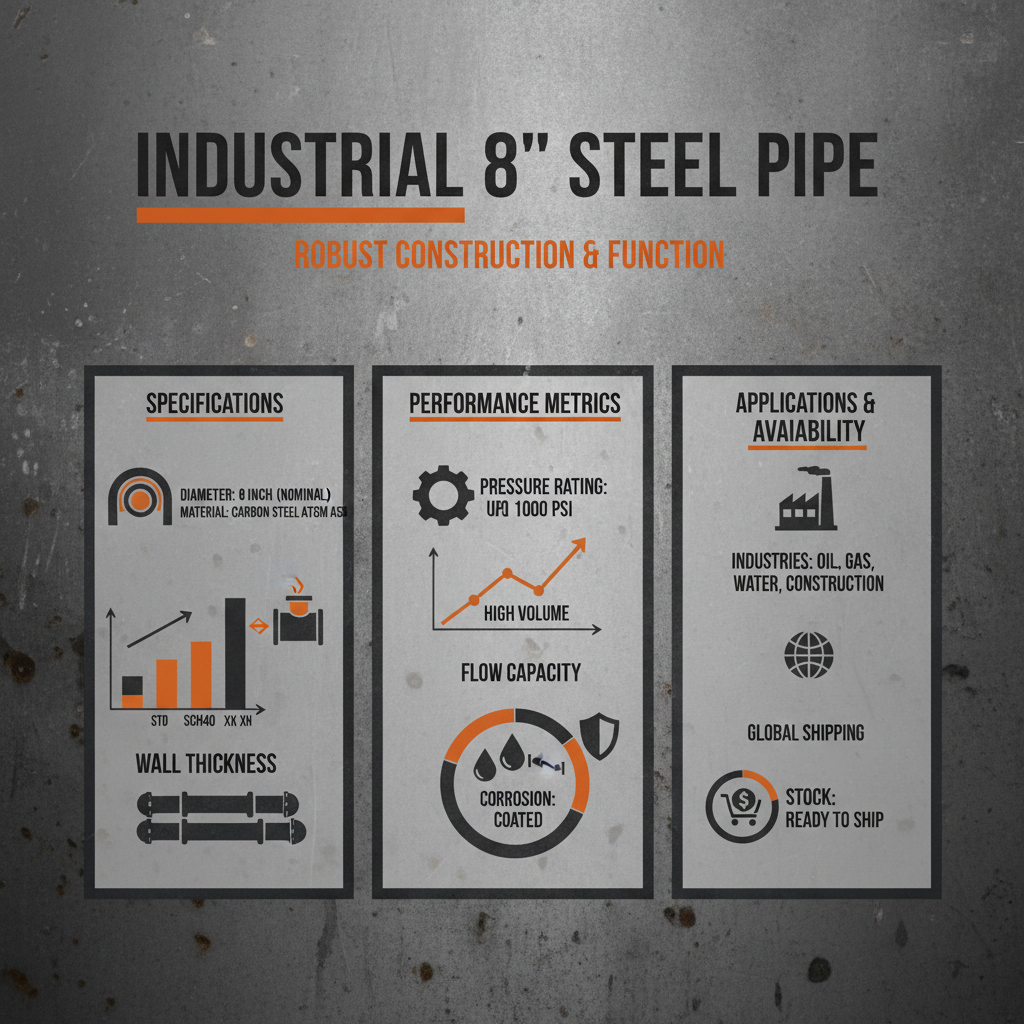
The 8-inch diameter represents a sweet spot in pipeline design, offering substantial flow capacity without the excessive cost and complexity associated with larger diameters. This makes 8 inch steel pipe for sale a preferred choice in numerous applications, from water transmission to industrial processing. Its widespread adoption is a testament to its versatility and reliability.
Furthermore, the availability of 8 inch steel pipe for sale is often a key indicator of overall industrial health. Increased demand signals growth in related sectors, while fluctuations can reflect broader economic trends. Access to a reliable supply chain is therefore critical for maintaining project momentum and meeting infrastructure needs.
The typical lifespan of 8 inch steel pipe in a water distribution system varies depending on factors like soil conditions, water quality, and the protective coating used. However, with proper installation and maintenance, a well-coated 8 inch steel pipe can reliably serve for 50 to 100 years. Regular inspections and timely repairs are crucial for maximizing its longevity. Addressing corrosion proactively is also essential to prevent premature failure and ensure the long-term integrity of the pipeline.
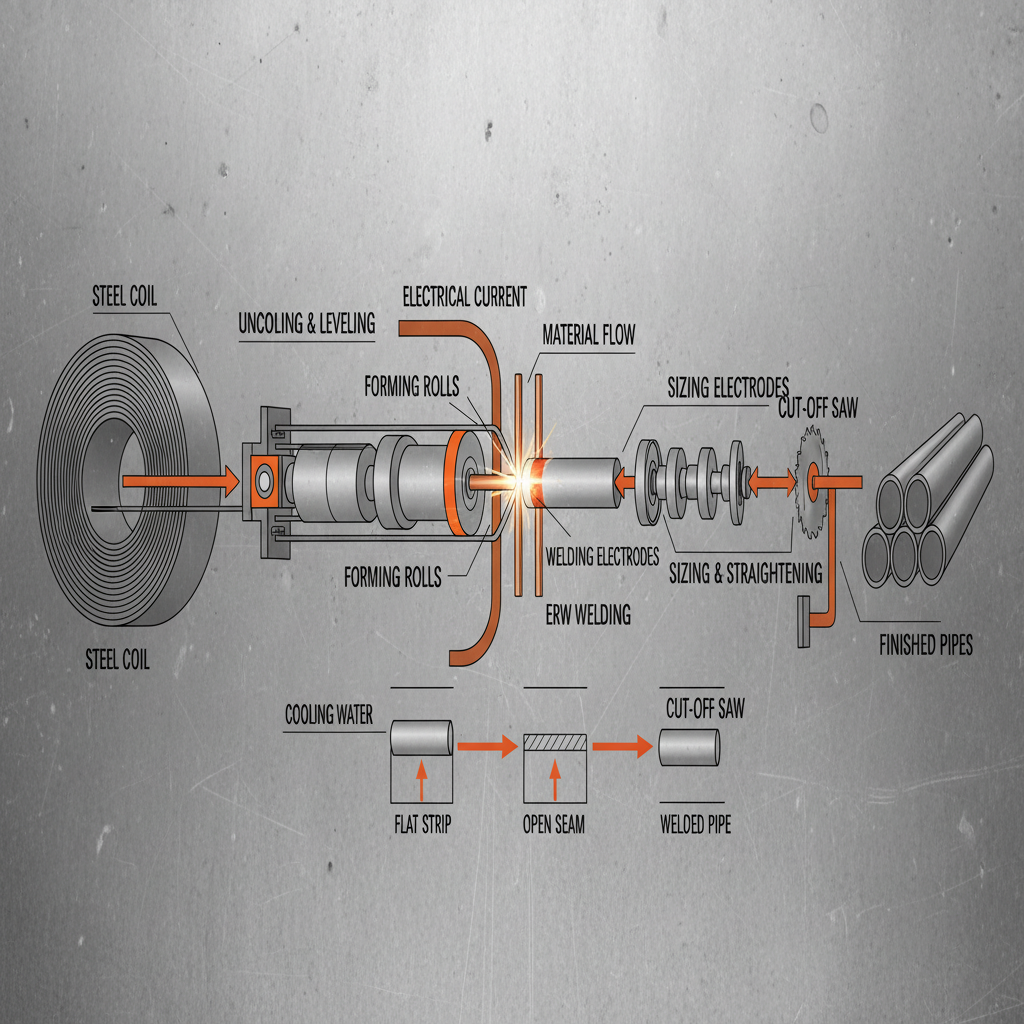
Seamless 8 inch steel pipe is manufactured without a welded seam, offering superior strength and pressure-bearing capacity. Welded pipe, produced by rolling and welding steel plates, is generally more cost-effective. The choice between the two depends on the application’s pressure and stress requirements. For high-pressure applications, seamless pipe is often preferred, while welded pipe is suitable for lower-pressure systems like irrigation or some water distribution networks. Modern welding techniques have significantly improved the reliability of welded pipe.
Wall thickness directly impacts the cost of 8 inch steel pipe. Thicker walls require more material and increase manufacturing complexity, resulting in a higher price. However, increased wall thickness also provides greater strength and pressure resistance. Selecting the appropriate wall thickness involves balancing cost considerations with the specific pressure and safety requirements of the application. Thinner walls are suitable for lower-pressure systems, while thicker walls are necessary for high-pressure environments.
When purchasing 8 inch steel pipe for sale, look for certifications like API 5L, which demonstrates compliance with industry standards for pipeline materials. ASTM A53 certification ensures the pipe meets specific chemical and mechanical property requirements. Additionally, certifications related to the coating applied, such as NSF 61 for potable water systems, are crucial. These certifications verify the quality, safety, and performance of the pipe and coating materials.
Coatings play a vital role in preventing corrosion of 8 inch steel pipe by creating a barrier between the steel and the corrosive environment. Common coatings include epoxy, polyurethane, and galvanization. These coatings protect the steel from exposure to moisture, chemicals, and other corrosive agents. Proper coating application and regular inspection are essential for maintaining corrosion protection. Selecting the appropriate coating depends on the specific environment and the type of corrosive agents present.
To ensure the 8 inch steel pipe meets your project specifications, carefully review the material test reports (MTRs) provided by the supplier. These reports verify the chemical composition and mechanical properties of the pipe. Also, check the pipe markings for compliance with relevant standards and specifications. Consider conducting independent third-party inspections to verify the quality and conformity of the pipe before installation. A clear understanding of your project needs is vital.
In conclusion, 8 inch steel pipe for sale remains a critical component of modern infrastructure, offering a robust and reliable solution for a wide range of applications. Its durability, scalability, and cost-effectiveness make it a preferred choice for water transmission, oil and gas pipelines, and industrial processing systems. Understanding the key characteristics, performance indicators, and future trends associated with this pipe size is essential for making informed purchasing decisions and ensuring project success.
Looking ahead, continued advancements in materials, coatings, and manufacturing processes will further enhance the performance and sustainability of 8 inch steel pipe. Embracing innovative technologies and adopting best practices in installation and maintenance will maximize its lifespan and minimize environmental impact. To learn more about our available inventory and find the right 8 inch steel pipe for your next project, visit our website: www.szpipefitting.com.