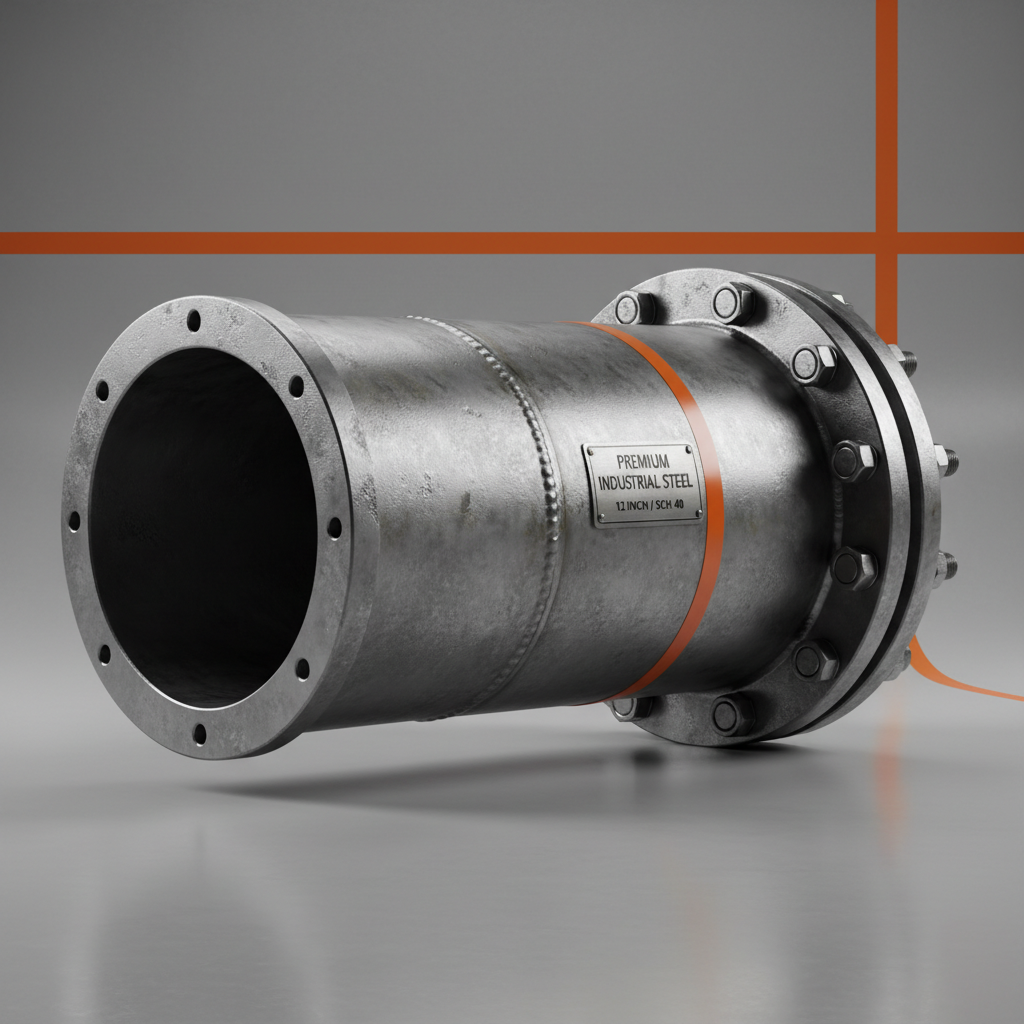
In the demanding landscape of modern industrial piping, flexible stainless steel tubing has emerged as a critical solution for managing vibration, thermal expansion, and complex routing. Unlike rigid piping systems that risk fracturing under mechanical stress, these flexible conduits provide a resilient bridge between fixed components, ensuring system integrity in environments ranging from chemical processing plants to high-tech automotive assembly lines.
The global shift toward higher safety standards and efficiency has placed a premium on materials that offer both the strength of steel and the adaptability of a hose. By integrating the corrosion resistance of high-grade stainless alloys with a corrugated or braided architecture, flexible stainless steel tubing eliminates the need for numerous elbow joints and expansive loops, significantly reducing potential leak points in high-pressure systems.
Understanding the nuances of this technology—from the specific alloy grades used to the precision of the braiding—is essential for engineers and procurement specialists. As industries push toward automation and sustainable infrastructure, the role of versatile, long-lasting fluid and gas conveyance systems becomes a cornerstone of operational reliability and long-term cost reduction.
Global Industry Context of Flexible Stainless Steel Tubing
On a global scale, the demand for flexible stainless steel tubing is driven by the rigorous requirements of ISO and ASME standards, which mandate strict leak prevention and pressure containment in industrial facilities. As the World Bank and various industrial reports highlight the growth of infrastructure in emerging markets, the need for piping that can withstand seismic activity and thermal cycling has become a priority for urban planners and factory designers alike.
The primary challenge addressed by these flexible solutions is "mechanical fatigue." In traditional rigid systems, the constant vibration from pumps, compressors, and turbines creates stress concentrations at weld points, leading to catastrophic failures. By implementing flexible tubing, industries can decouple these vibrations, extending the lifespan of the entire mechanical assembly and reducing unplanned downtime.
Defining Flexible Stainless Steel Tubing in Modern Engineering
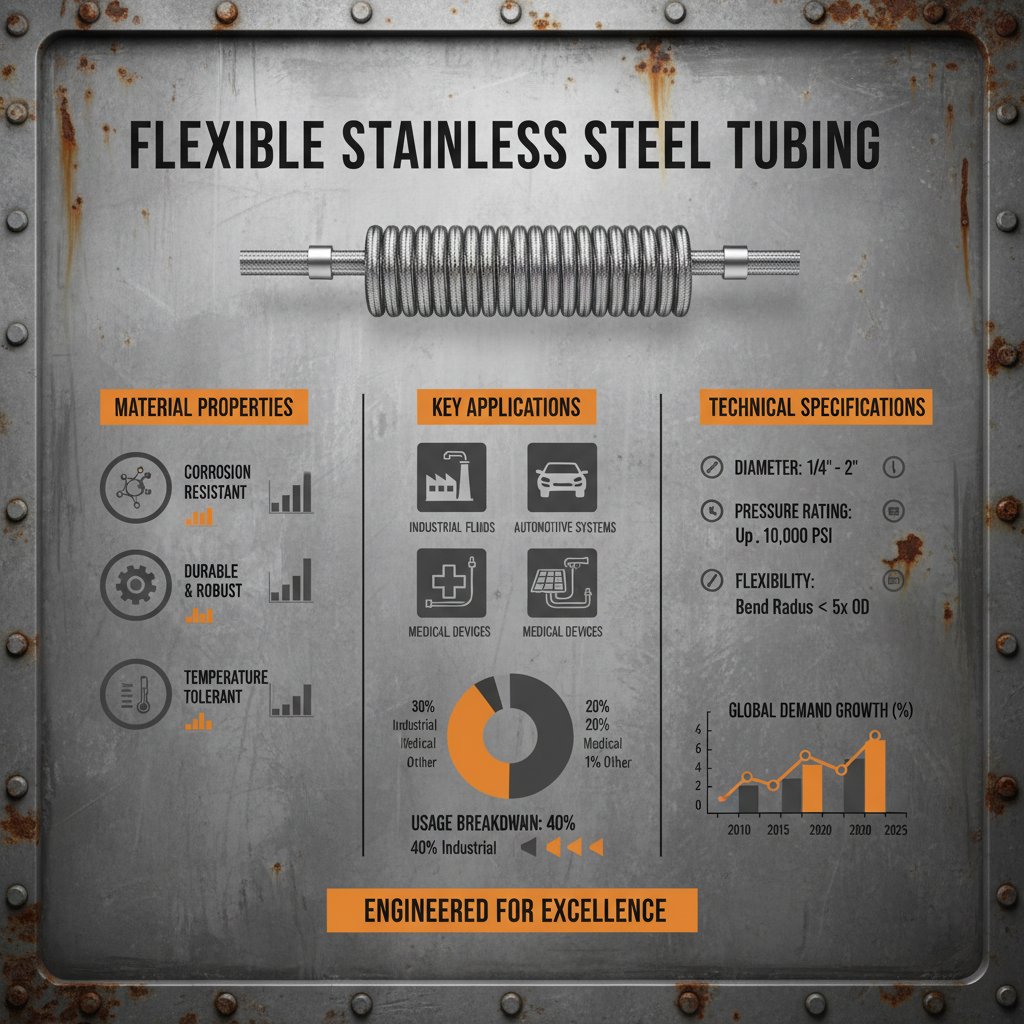
At its most basic level, flexible stainless steel tubing consists of a thin-walled stainless steel pipe that has been corrugated to allow for bending and movement without collapsing or kinking. This corrugated structure acts like a spring, absorbing axial and lateral displacements. Depending on the application, these tubes are often reinforced with an outer stainless steel braid to increase pressure capacity and protect the inner core from external abrasion.
In the context of modern industry, this technology represents a bridge between the durability of metallurgy and the versatility of elastomers. It allows for the safe transport of hazardous chemicals, high-temperature steam, and cryogenic fluids in spaces where a rigid pipe simply cannot fit or would be prone to cracking due to temperature-induced expansion.
Beyond industrial utility, these tubes serve critical humanitarian and safety needs. For instance, in the construction of modular hospitals or rapid-deployment energy stations in disaster zones, the ease of installation provided by flexible tubing ensures that vital water and gas lines can be established quickly and securely, regardless of the uneven terrain.
Core Technical Components and Performance Factors
The primary driver of performance in flexible stainless steel tubing is the alloy composition. Grade 304 and 316L are the industry standards; the latter provides superior molybdenum content, which is essential for preventing pitting corrosion in saltwater or highly acidic environments, making it indispensable for marine and pharmaceutical applications.
Corrugation geometry is the second critical factor. The pitch and depth of the corrugations determine the tube's flexibility and its ability to handle pressure. A tighter pitch typically allows for a smaller bend radius, which is vital in compact machinery, whereas a deeper corrugation may be preferred for absorbing larger thermal expansions in power plant piping.
Finally, the outer braiding serves as the structural reinforcement. Without the braid, a corrugated tube would expand like a balloon under high pressure, eventually bursting. The braided wire mesh constrains the radial expansion of the core, allowing the tubing to handle pressures far exceeding the limits of the raw corrugated wall, while maintaining full flexibility.
Comparative Analysis of Flex-Tubing Performance
When evaluating the efficiency of different configurations of flexible stainless steel tubing, engineers typically look at the trade-off between flexibility, pressure rating, and corrosion resistance. For example, a non-braided corrugated tube offers maximum flexibility but limited pressure capacity, whereas a double-braided version provides immense strength at the cost of a stiffer bend radius.
The selection process is often a balancing act. In low-pressure HVAC systems, a standard corrugated tube suffices, but in high-pressure hydraulic or steam systems, the integration of high-tensile braiding is non-negotiable to ensure operational safety and prevent catastrophic blowouts.
Performance Comparison of Flexible Stainless Steel Tubing Variants
Global Applications and Sector Use Cases
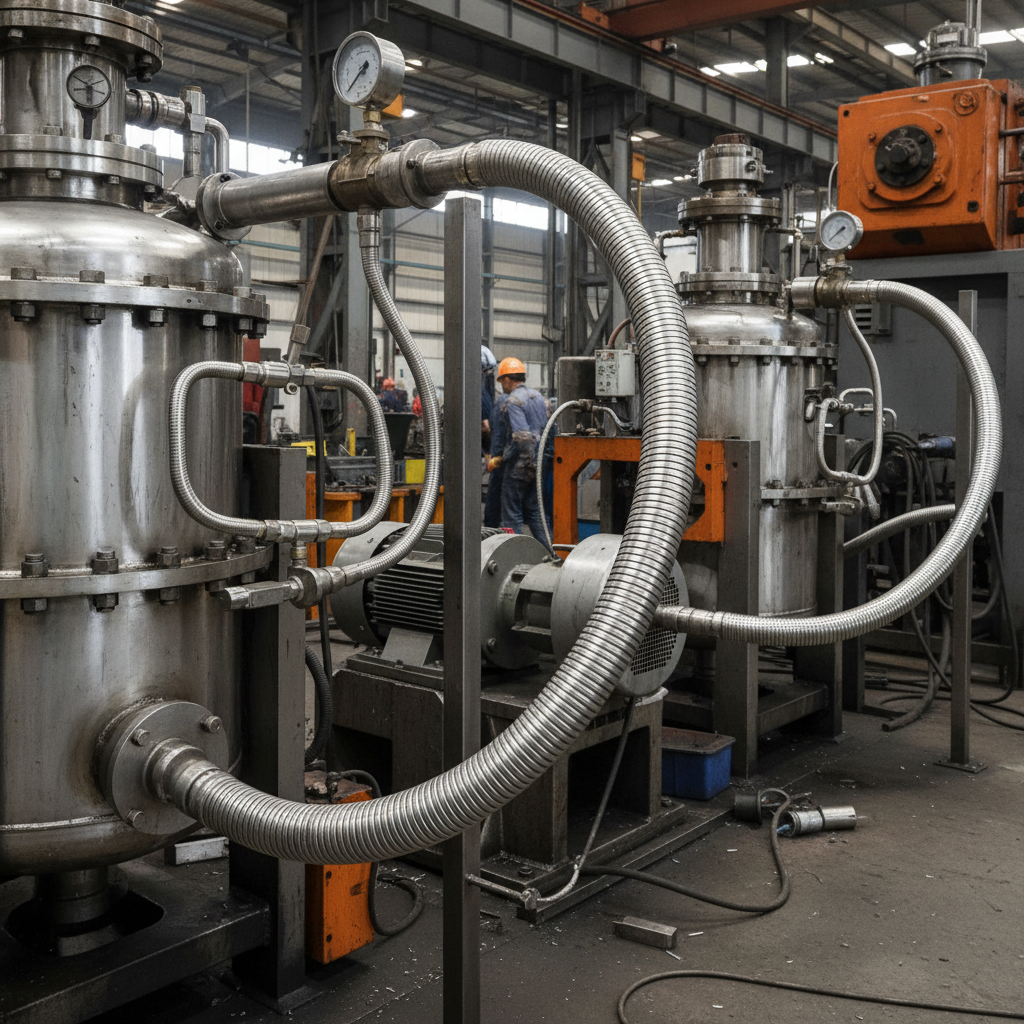
In the energy sector, particularly in oil and gas refineries, flexible stainless steel tubing is utilized to connect pumps to main pipelines. Since pumps generate constant rhythmic vibrations, a rigid connection would eventually crack. The flex-tubing absorbs these shocks, preventing fatigue failure and reducing the risk of environmental leaks.
Beyond heavy industry, these components are vital in the pharmaceutical and food-grade sectors. Because they can be polished to a high sanitary finish and are resistant to aggressive Cleaning-In-Place (CIP) chemicals, they are used in bioreactors and filling machines where hygiene is paramount and equipment must be moved or adjusted frequently during production cycles.
Long-Term Value and Sustainability Advantages
The long-term value of adopting flexible stainless steel tubing lies in its lifecycle cost reduction. While the initial procurement cost may be higher than rubber or plastic alternatives, the longevity of stainless steel—often spanning decades without replacement—drastically lowers the Total Cost of Ownership (TCO). There is no degradation from UV exposure or chemical embrittlement, which are common failure points in non-metallic hoses.
From a sustainability perspective, stainless steel is 100% recyclable. In an era where "Green Manufacturing" is a corporate mandate, replacing disposable plastic piping with permanent, recyclable metal solutions reduces the industrial waste stream. Moreover, the prevention of leaks through better vibration management directly translates to lower product loss and reduced environmental contamination.
Furthermore, the reliability of these systems fosters a culture of trust and safety within the workplace. When operators know that the piping is engineered to handle extreme thermal shifts and mechanical shocks, the psychological burden of monitoring for potential failures is reduced, allowing for a more focused and efficient operational environment.
Future Innovations and Overcoming Limitations
The future of flexible stainless steel tubing is moving toward "Smart Tubing." Researchers are exploring the integration of embedded sensors within the braiding or the core wall to monitor pressure and temperature in real-time. This transition toward Industry 4.0 would allow for predictive maintenance, where the tubing signals its own wear and tear before a failure occurs.
Another innovation is the development of hybrid coatings. By applying nano-ceramic or PTFE layers to the interior of the tubing, manufacturers are creating ultra-low-friction surfaces that prevent biofilm buildup in medical applications and reduce pressure drops in high-velocity gas transport.
Despite these gains, challenges such as "permeation" in vacuum applications remain. To overcome this, the industry is refining vacuum-sealed welding techniques and higher-density braiding patterns. By solving these last few limitations, flexible tubing will likely replace rigid piping in even more specialized sectors, such as aerospace and quantum computing cooling systems.
Core Analysis of Flexible Stainless Steel Tubing Innovations and Specifications
| Innovation Type |
Primary Benefit |
Industry Application |
Reliability Score (1-10) |
| Smart-Sensing Core |
Predictive Failure Detection |
Nuclear Power Plants |
9 |
| Nano-Ceramic Coating |
Anti-Corrosion/Low Friction |
Pharmaceuticals |
8 |
| Double-Layer Braiding |
Ultra-High Pressure Limit |
Hydraulic Systems |
10 |
| Vacuum-Sealed Welding |
Zero Leakage/Permeation |
Aerospace/Lab Vacuum |
9 |
| Custom Corrugation Pitch |
Optimized Bend Radius |
Automotive Exhaust |
7 |
| Hybrid Alloy Blending |
Balanced Cost vs Strength |
General Manufacturing |
8 |
FAQS
Unlike rubber, stainless steel does not degrade when exposed to UV light, extreme heat, or harsh chemicals. It provides a much higher pressure rating and a significantly longer operational lifespan, which reduces the frequency of replacements and the risk of unexpected leaks in critical systems.
Yes, provided they are properly braided. The outer stainless steel braid acts as a reinforcement layer that prevents the corrugated inner tube from expanding radially. Depending on the braid density and the wall thickness of the core, they can handle thousands of PSI safely.
Grade 304 is excellent for general purpose use and cost-effectiveness. However, if your application involves saltwater, chlorides, or highly corrosive acids (like in marine or chemical plants), Grade 316L is required due to its molybdenum content, which prevents pitting and crevice corrosion.
Actually, it is often simpler. Because the tubing is flexible, it eliminates the need for precise alignment of flanges and the installation of multiple elbows. This reduces the amount of welding and fitting required, speeding up the overall installation process.
In standard industrial environments, these tubes can last 10 to 20 years or more. The lifespan depends on the medium being transported, the pressure cycles, and the external environment, but they generally far outlast polymer-based alternatives.
Yes, but they require specific manufacturing. To avoid "outgassing" or leakage in high-vacuum environments, the tubes must be meticulously cleaned and welded using high-precision techniques to ensure there are no microscopic gaps in the corrugated walls.
Conclusion
In summary, flexible stainless steel tubing serves as an indispensable asset in modern engineering, solving the critical problems of vibration, thermal expansion, and complex installation. By combining the high strength and corrosion resistance of stainless steel with an adaptable corrugated design, it ensures that industrial systems remain leak-free and durable even under the most punishing conditions.
Looking forward, the integration of smart monitoring and advanced material coatings will further elevate the role of these components in the global drive toward automation and sustainability. For companies seeking to optimize their operational reliability and reduce long-term maintenance costs, investing in high-quality flexible tubing is a strategic necessity. Visit our website: www.szpipefitting.com