0%

Table of Contents

You know, steel tube manufacturers… it’s a world most folks don’t think about. But it is everything, isn’t it? From the skyscrapers scraping the sky to the pipelines bringing water to your tap, it all comes down to the quality of those tubes. Lately, I've been seeing a lot more emphasis on high-strength, low-alloy steels – HSLA, they call 'em. Seems everyone's chasing that strength-to-weight ratio. But to be honest, chasing the absolute highest numbers isn’t always the smartest move.

It’s easy to get bogged down in the specs, the yield strength, tensile strength, all that jazz. But have you noticed how often a design looks perfect on paper and then completely falls apart in the field? I encountered this at a factory in Tianjin last time; beautiful drawings, top-of-the-line software… but the guys on the floor couldn't weld the damn thing together without burning through the metal. Turns out the wall thickness wasn't quite right for the welding process they were using. Small detail, massive headache.

And let's talk materials. We use a lot of carbon steel, naturally. Feels… solid, right? Kinda cold, smells like metal shavings and grease. Then there’s stainless steel. Smooth, almost slippery, and you can smell that chromium in the air when you're cutting it. Strangely, I prefer working with the carbon steel; it’s more forgiving. The stainless stuff always seems to want to work against you, if that makes any sense.
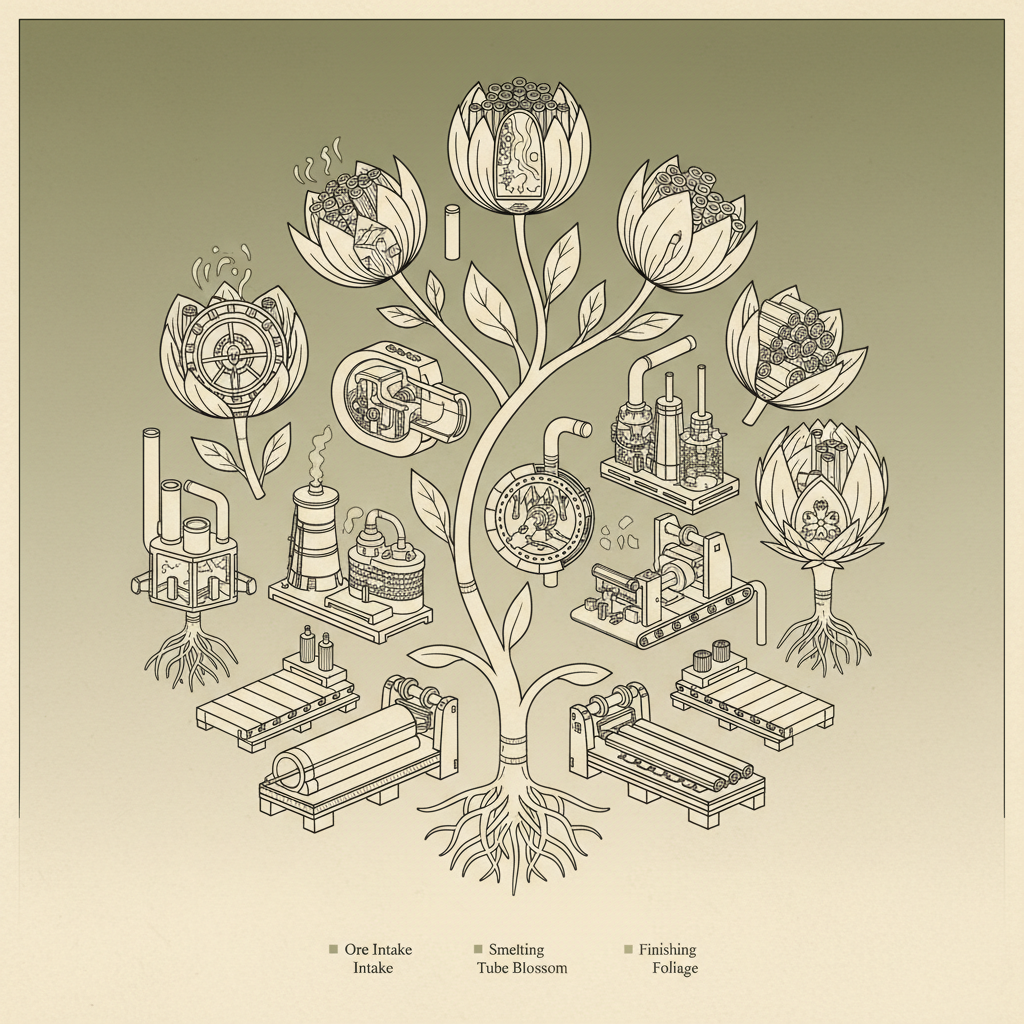
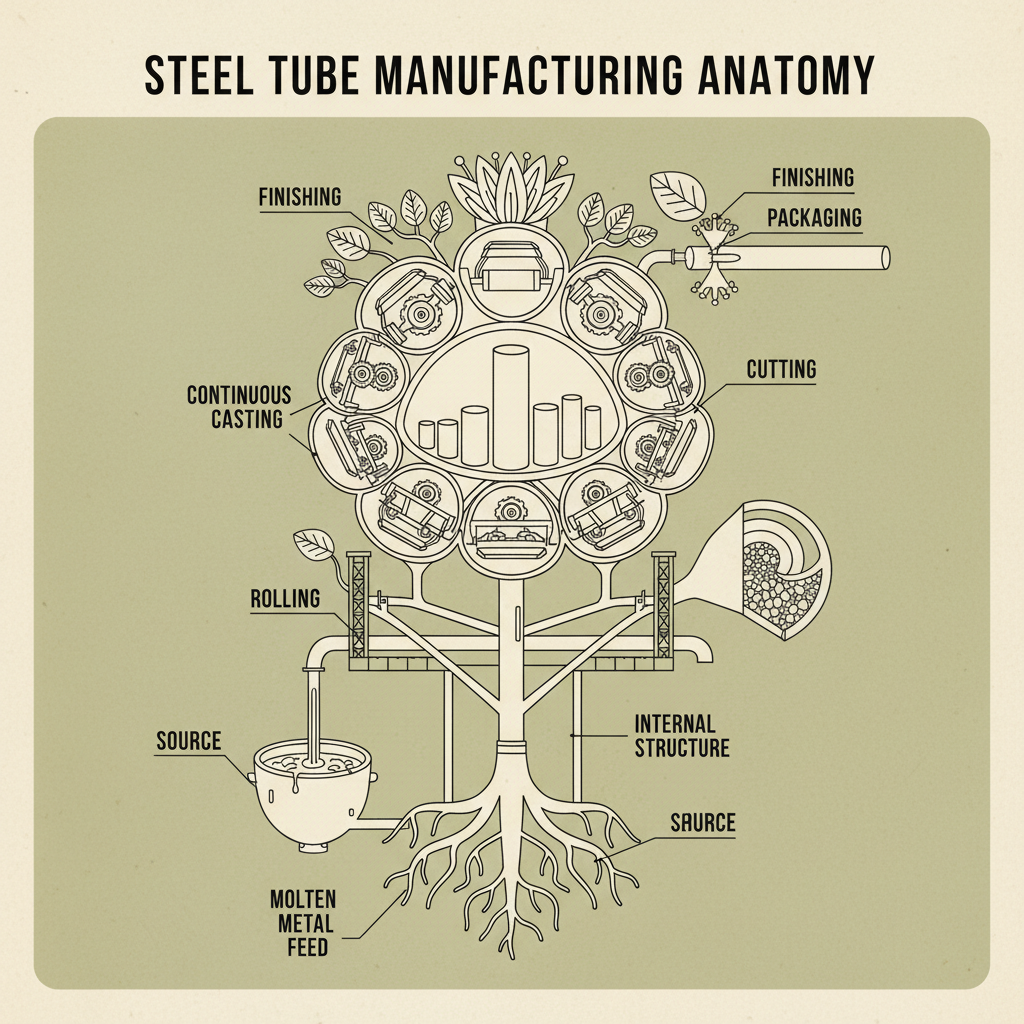
steel tube manufacturers

The Current Landscape of Steel Tube Manufacturing

steel tube manufacturers

Anyway, I think what’s driving a lot of the change right now is the push for sustainability. Folks are demanding greener processes, lower carbon footprints. That means more recycled steel, more efficient manufacturing techniques. It's not just about what the tube is made of, but how it's made. The global market is huge; China dominates, of course, but you've got strong players in Germany, Japan, and increasingly, India. It's a competitive beast, and quality control is paramount.

I saw a report from the World Steel Association that showed a consistent rise in demand for high-strength tubular products, especially in the infrastructure sector. Apparently, developing nations are investing heavily in pipelines, bridges, and transport networks. That, coupled with the growth in the renewable energy sector – wind turbine towers, solar panel supports – is driving a lot of innovation in steel tube manufacturing.

Design Pitfalls and Practical Considerations

The biggest mistake I see engineers make? Over-specifying. They want the strongest, thickest tube possible, even when it's not necessary. This drives up cost and makes fabrication a nightmare. You’ve gotta think about the welding, the bending, the overall weight… it all adds up. It’s a balancing act. I also see a lot of designs that ignore the realities of corrosion. You’ve got to factor in the environment, the exposure to salt, chemicals, whatever.

Another one? Ignoring the tolerances. Drawings can look beautiful, but if the actual tubes don't meet the specified dimensions, you’re in trouble. We had a project last year where the tubes were off by just a few millimeters, and it threw the entire assembly out of whack. It cost a fortune to fix.

And honestly, the software these designers use...it's great for simulations, but it doesn’t tell you what it feels like to actually work with the material. The computer can’t tell you if a weld is going to crack under pressure, you need experience for that.

Materials – Beyond the Datasheet

There's more to steel than just the grade. The finishing is crucial. Galvanization, painting, powder coating... each has its pros and cons. Galvanization is tough, but it can be brittle and prone to cracking. Painting is cheaper, but it requires regular maintenance. Powder coating is durable, but it can be expensive.

I’m seeing a lot more interest in weathering steel – that stuff that's designed to rust, but form a protective layer. It looks interesting, but I’m still skeptical. It works well in certain applications, but it’s not a silver bullet. It needs careful consideration, and you’ve got to understand the environmental conditions. You wouldn't use it near the ocean, for instance.

And don't underestimate the importance of the supplier. You need someone who knows their stuff, someone who can give you honest advice. I’ve worked with suppliers who’ve saved my bacon more than once, just by pointing out a potential issue I hadn’t considered.

Real-World Testing and Validation

Lab tests are fine, but they don’t replicate real-world conditions. We do a lot of on-site testing. Bend tests, tensile tests, hydrostatic pressure tests… things that simulate the stresses the tubes will actually experience. I’ve seen tubes pass all the lab tests and then fail miserably when subjected to a little vibration.

We also rely on non-destructive testing – ultrasonic testing, radiographic testing – to identify flaws without damaging the material. It’s expensive, but it’s worth it, especially for critical applications.

Steel Tube Manufacturing: Testing Method Effectiveness


How Steel Tubes Are Actually Used

You’d be surprised. People think it’s all pipelines and construction. But it’s in everything. Automotive chassis, furniture frames, medical equipment… even playground equipment. I saw a park in Shanghai last year that was almost entirely built out of steel tubing.

And the uses are constantly evolving. 3D-printed steel tubes are starting to appear. It’s still early days, but the potential is huge.

Advantages, Disadvantages, and the Bottom Line

Look, steel is strong, durable, and relatively cheap. That's why it’s still the dominant material. But it’s heavy, it corrodes, and it requires skilled labor to work with. Aluminum is lighter and doesn't rust, but it’s more expensive and not as strong. Plastic is cheap and easy to mold, but it’s not nearly as durable.

Ultimately, it’s about finding the right balance. You need to consider the application, the cost, the performance requirements, and the environmental factors. There's no one-size-fits-all answer.

Last month, that small boss in Shenzhen who makes smart home devices insisted on changing the interface to . Fine. But he then demanded we use thinner-walled steel tubing to save weight, and the result was a complete disaster. The tubes buckled under stress. He learned a hard lesson about prioritizing cost savings over structural integrity.

Customization and Specific Applications

Customization is huge. Most manufacturers can tailor the tube's dimensions, wall thickness, material grade, and finish to meet specific requirements. For example, we did a project for a company that makes medical prosthetics. They needed tubes with incredibly tight tolerances and a specific surface finish to ensure biocompatibility. It was a challenge, but we delivered.

We also do a lot of work with specialized coatings. Anti-corrosion coatings, high-temperature coatings, even coatings that can withstand radiation. It depends on the application.

And the trick is, a lot of it isn’t about the fancy technology. It’s about understanding what the customer really needs. Sometimes, they don't even know themselves.

Summary of Steel Tube Manufacturing Customization Parameters

Parameter Typical Range Impact on Cost Complexity of Implementation
Diameter 10mm – 500mm Low Easy
Wall Thickness 1mm – 20mm Medium Medium
Material Grade Various (Carbon Steel, Stainless Steel, Alloy Steel) High Medium to High
Surface Finish Galvanized, Painted, Powder Coated Low to Medium Easy to Medium
Length 1m – 12m Low Easy
Specialty Coatings Anti-corrosion, High-Temperature Resistant High High

FAQS

What are the key factors to consider when selecting steel tubes for a corrosive environment?

When choosing steel tubes for corrosive environments, prioritize material grade – stainless steel alloys like 316 are often best, but even specific carbon steel coatings can offer good protection. Consider the type of corrosion (saltwater, chemicals, etc.) and the thickness of the protective layer. Proper surface preparation before coating is crucial. And honestly, it's often cheaper to replace tubes regularly than to overspend on an exotic material that might still fail.

How does the manufacturing process impact the strength and durability of steel tubes?

The manufacturing process is everything. Seamless tubes are generally stronger than welded tubes because there's no weld seam to potentially fail. Cold-drawn tubes have higher strength and better surface finish, but they're more expensive. Heat treatment also plays a huge role in achieving the desired mechanical properties. A poorly controlled process can introduce stresses and weaknesses into the material. It's all about consistency.

What is the difference between galvanized steel and stainless steel, and when should I use each?

Galvanized steel is carbon steel coated with zinc to prevent rust. It's cheaper than stainless, but the zinc coating can be damaged, and once it's gone, the steel will corrode. Stainless steel contains chromium, which forms a passive layer that protects the steel from corrosion. Stainless is more expensive, but it offers superior corrosion resistance. Use galvanized steel for less demanding applications, and stainless for anything exposed to harsh environments or critical applications.

What are the common welding challenges encountered with steel tubes and how can they be overcome?

Welding steel tubes can be tricky. Common problems include burn-through, porosity, and cracking. Choosing the right welding process (MIG, TIG, SMAW) and filler metal is crucial. Proper pre-heating can help prevent cracking. And you need skilled welders who understand the material and the process. I’ve seen too many jobs ruined by sloppy welding, honestly.

How do I ensure the quality and traceability of steel tubes I’m purchasing?

Look for manufacturers with ISO 9001 certification. Request material test reports (MTRs) for each batch of tubes. These reports should include the chemical composition, mechanical properties, and traceability information. Don’t be afraid to ask questions and inspect the tubes yourself. If something doesn’t look right, it probably isn't.

What are the emerging trends in steel tube manufacturing, such as advanced materials or processes?

We’re seeing a lot of interest in high-strength, low-alloy steels (HSLA), as I mentioned earlier. Additive manufacturing (3D printing) of steel tubes is also gaining traction, especially for complex geometries. And there's a push for more sustainable manufacturing processes, using recycled steel and reducing energy consumption. It's a dynamic field, to say the least.

Conclusion

So, there you have it. Steel tube manufacturing isn’t glamorous, but it’s fundamental to modern life. It’s a complex field with a lot of nuances, and it requires a deep understanding of materials, processes, and applications. From material selection to testing and customization, getting it right means considering every detail.

Ultimately, whether this thing works or not, the worker will know the moment he tightens the screw. That’s the bottom line. If you need reliable steel tubes for your project, get in touch. Visit our website: www.szpipefitting.com


Christopher Wilson

Christopher Wilson

Christopher Wilson is a key Account Manager at HEBEI GAIN TRADING CO., LTD, focused on developing and maintaining relationships with strategic partners in the Middle East and Southeast Asia. With a background in Business Administration and over 8 years of experience in sales, he is adept at understanding customer needs
Previous Exploring the Advantages of Prefabricated Steel Tube Factory Structures
Next galvanised steel pipe suppliers
Copyright © 2026 Hebei Gain Trading Co.,Ltd . All Rights Reserved. Sitemap | Privacy Policy | Top Blog