Email: hbgain@aliyun.com
Tel: 8615128155291
Selecting the right piping components often comes down to a single critical metric: operational reliability. In high-pressure industrial environments, the difference between a secure system and a catastrophic failure lies in the precision of the materials and the adherence to global engineering standards.
The procurement of industrial piping requires a balance of material grade, pressure ratings, and surface treatments to ensure longevity. Whether dealing with corrosive chemicals or high-temperature petroleum transport, the objective is to achieve a steel pipe satisfactory level of performance that minimizes downtime and maintenance costs.
This analysis examines the technical parameters and selection frameworks necessary to ensure that steel piping systems meet the rigorous demands of modern metallurgy, chemical engineering, and gas transport.


The choice of metallurgy determines the thermal and chemical limits of a piping system. Carbon steel, such as ASTM A105 and A106, provides the necessary structural strength for high-pressure transport, while stainless steel grades like A312 and A403 (including F304 and F316L) are essential for environments where oxidation or acid-induced corrosion is a risk.
For low-temperature applications, materials like A350LF2 are utilized to prevent brittle fracture. Ensuring that the material grade matches the medium being conveyed is the first step toward a steel pipe satisfactory installation.
Pressure ratings in forged fittings are typically categorized by the connection method. Threaded ends are commonly rated at 2000, 3000, or 6000 lbs, while socket-weld ends can extend up to 9000 lbs. These ratings are not arbitrary; they reflect the wall thickness and the yield strength of the metal, ensuring the fitting can withstand internal hoop stress without deformation.
Butt-weld ends follow a different logic, utilizing Schedule ratings such as Sch40, Sch80, Sch160, and XXS. The "Schedule" refers to the wall thickness relative to the pipe diameter. A higher schedule number indicates a thicker wall, which is critical for systems transporting volatile fluids at extreme pressures, such as those found in petroleum refineries.
The integration of these components—such as Elbows, Tees, and Reducers—requires strict adherence to ASME, ANSI, and API standards. When the fitting rating matches or exceeds the pipe rating, the system maintains structural equilibrium, preventing leaks at the joint interfaces.
Environmental exposure is the primary catalyst for pipeline degradation. Steel, while strong, is susceptible to oxidation. To mitigate this, surface treatments are applied based on the installation site—whether it is an underground gas line or an exposed chemical processing unit.
Surface protection is not merely aesthetic; it is a functional requirement. Galvanized coatings provide a sacrificial zinc layer that protects the underlying steel from moisture, whereas black (natural) finishes are often used in oil and gas applications where internal coatings or inhibitors manage corrosion.
In highly corrosive pharmaceutical or chemical environments, stainless steel remains the standard due to its natural chromium oxide layer. For these systems, the use of PTFE seal tape and specialized gaskets ensures that no external contaminants penetrate the connection points, preserving the purity of the conveyed medium.
Evaluating whether a component is "satisfactory" requires a multi-dimensional analysis of its technical specs. This includes verifying the material certificates (ISO9001, CE) and testing the pressure tolerance against the expected operational load. A failure to align the fitting's pressure class with the system's peak surge can lead to fatigue failure.
The following index illustrates the relative suitability of different fitting types across various industrial requirements, focusing on durability, pressure tolerance, and installation speed.
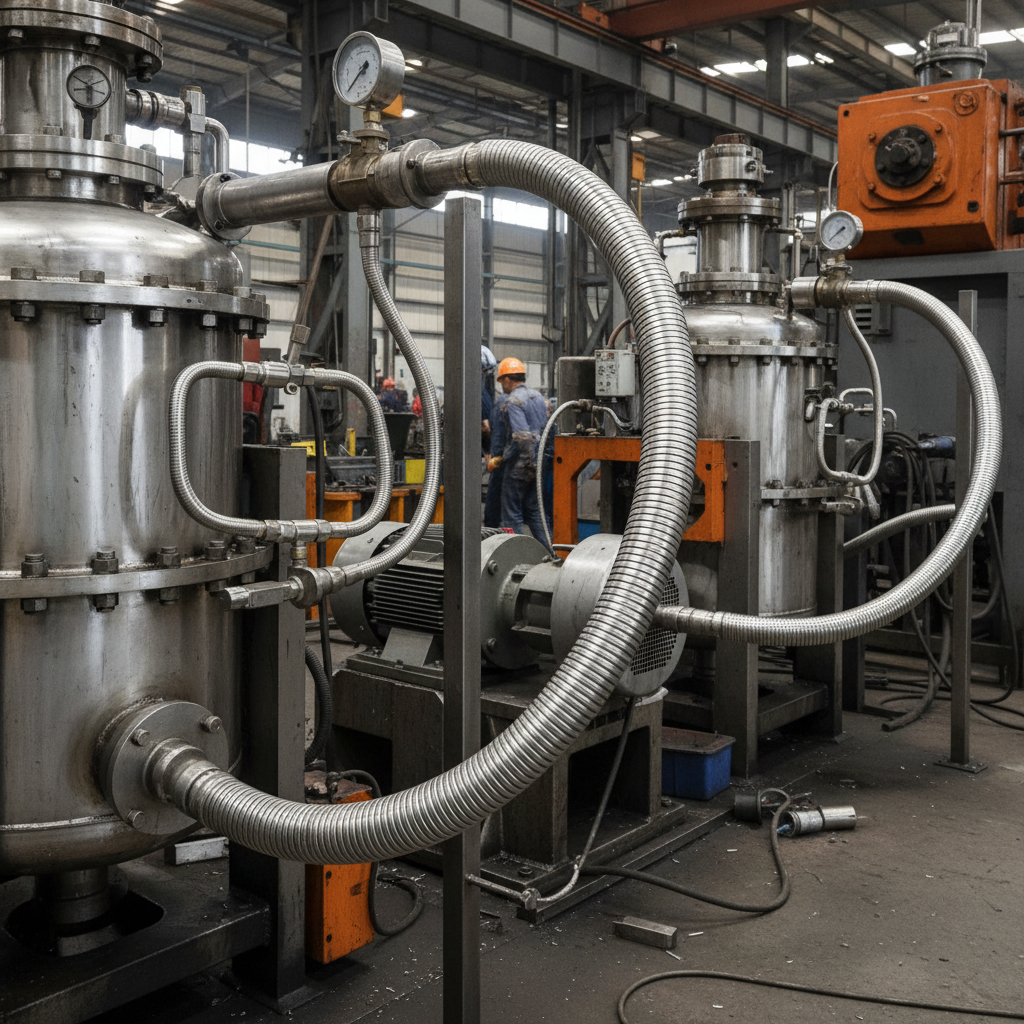
In a typical petroleum refinery, the demand for Class 3000 forged A105 pipe fittings is high due to the need for robust connections that can withstand extreme thermal cycling and pressure spikes. Here, the precision of the socket-weld connection is paramount to prevent leakages that could lead to hazardous conditions.
Conversely, in water distribution or light gas piping, galvanized malleable iron fittings offer a cost-effective and durable solution. The use of galvanized barrel nipples and king nipples allows for rapid installation in utility networks while maintaining sufficient corrosion resistance for the intended lifespan of the project.
The industry is shifting toward more stringent certification requirements. Modern procurement now demands not just a product, but a documented trail of quality, from the raw steel ingot to the final threaded finish. Certifications such as ISO9001, CE, and SGS are no longer optional but are baseline requirements for international trade.
Technological advancements in forging have allowed for tighter tolerances in components like Swage Nipples and Bull Plugs. This precision reduces the reliance on excessive sealant and minimizes the risk of joint failure under vibration, which is common in large-scale industrial pumping stations.
Moreover, the integration of customized branding and specific material requirements (such as tailored ASTM grades) allows engineers to optimize the weight-to-strength ratio of their piping networks, reducing overall material costs without compromising safety.
For procurement managers, the goal is to ensure a steel pipe satisfactory outcome by balancing cost and technical specification. The risk of "under-specifying" is a system failure, while "over-specifying" leads to unnecessary capital expenditure.
A structured approach involves mapping the medium (gas, oil, water, chemicals) to the material (Carbon Steel vs. Stainless Steel), then matching the operational pressure to the fitting class (3000lbs vs 6000lbs). Finally, the connection type (Threaded, Socket-Weld, or Butt-Weld) must be chosen based on the required ease of maintenance and the risk of leakage.
The following table provides a relative suitability guide for selecting the appropriate fitting based on common industrial conditions.
| Application Scenario | Recommended Material | Pressure Class | Connection Type |
|---|---|---|---|
| High-Pressure Oil/Gas | ASTM A105 | 6000 lbs | Socket-Weld |
| Corrosive Chemical Transport | ASTM A312 (F316L) | 3000 lbs | Butt-Weld |
| Low-Temp Gas Lines | ASTM A350LF2 | 3000 lbs | Threaded |
| General Utility Water | Malleable Iron | Standard | Threaded |
| Pharmaceutical Piping | Stainless Steel | Moderate | Butt-Weld |
| High-Temp Steam | ASTM A106 | Sch 160 | Butt-Weld |
A satisfactory fitting is one that meets three criteria: material compliance with specified ASTM/ASME standards, a pressure rating that exceeds the system's maximum operational surge, and a surface finish that prevents corrosion in the specific environment of installation. It must also hold a valid quality certification (such as ISO9001) to ensure consistent manufacturing tolerances.
Socket-weld connections are preferred for high-pressure and high-vibration environments because they provide a stronger, leak-proof joint compared to threaded connections. Threaded fittings are more suitable for lower-pressure systems where the ability to disassemble the piping for maintenance or replacement is a priority.
The "Schedule" (Sch) refers to the wall thickness of the pipe and fitting. Sch40 is a standard wall thickness used for general applications, while Sch160 is a heavy-wall specification designed for extreme high-pressure environments. The higher the schedule number, the more internal pressure the fitting can withstand before failure.
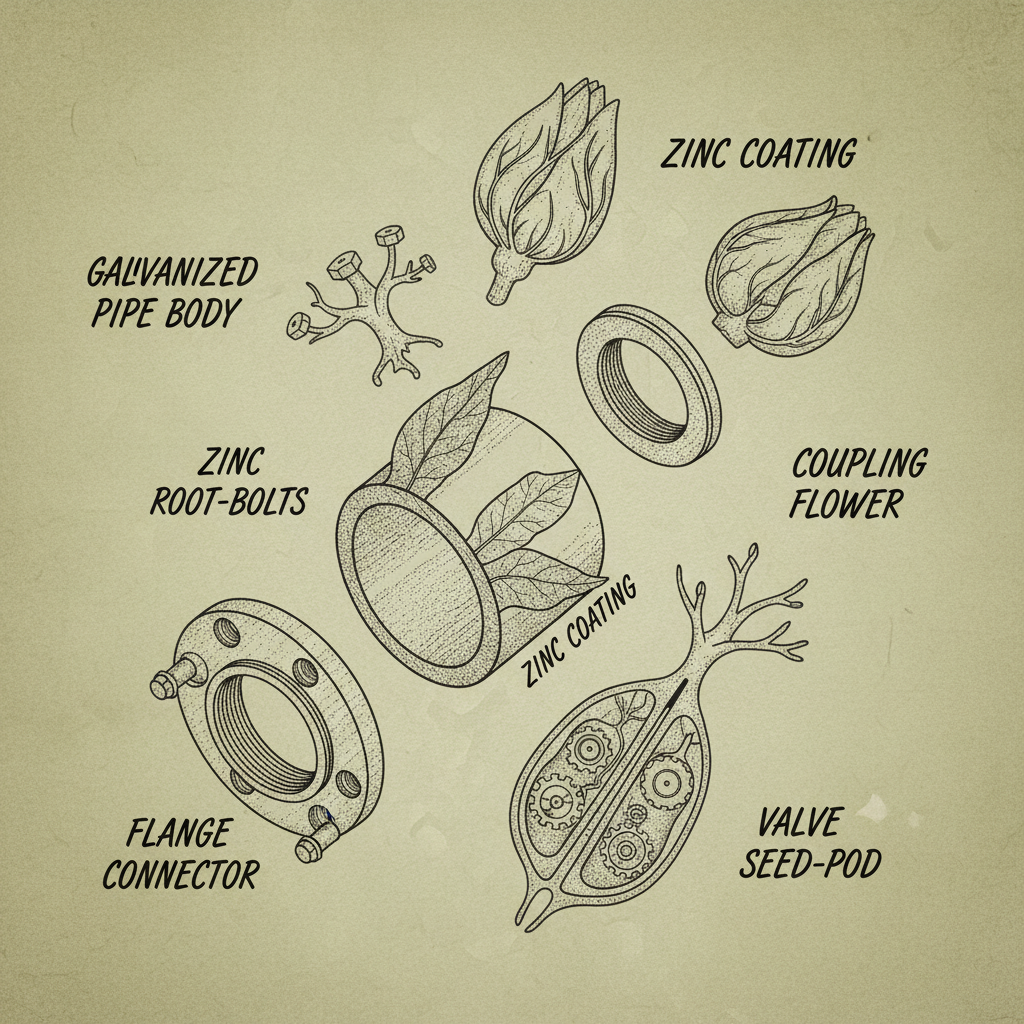
Galvanization involves coating the iron with a layer of zinc. This creates a sacrificial anode that prevents the base metal from rusting. In humid or outdoor environments, galvanized fittings significantly extend the service life of the pipeline compared to black iron, although they are not suitable for highly acidic media.
No. ASTM A105 is a carbon steel specification typically used for forged piping components for ambient and higher-temperature service. ASTM A182 covers a wider range of alloy and stainless steels (like F304 or F316) designed for corrosion resistance or extreme temperature environments. The choice depends entirely on the chemical properties of the medium.
PTFE (Polytetrafluoroethylene) seal tape is used in threaded connections to fill the gaps between the male and female threads. It provides a lubricated surface for tighter fastening and creates a chemical-resistant seal that prevents leaks, which is essential for maintaining the integrity of gas and water lines.
The stability of any industrial piping network depends on the synergistic relationship between material grade, pressure classification, and precise installation. By adhering to international standards like ASME and API, operators can ensure that every component, from the simplest coupling to the most complex forged flange, contributes to a safe and efficient system.
As industrial demands evolve toward higher pressures and more corrosive media, the reliance on certified manufacturers who provide transparent material sourcing and rigorous testing becomes paramount. Investing in high-grade forged fittings is not just a technical requirement; it is a strategic decision to ensure long-term operational continuity.