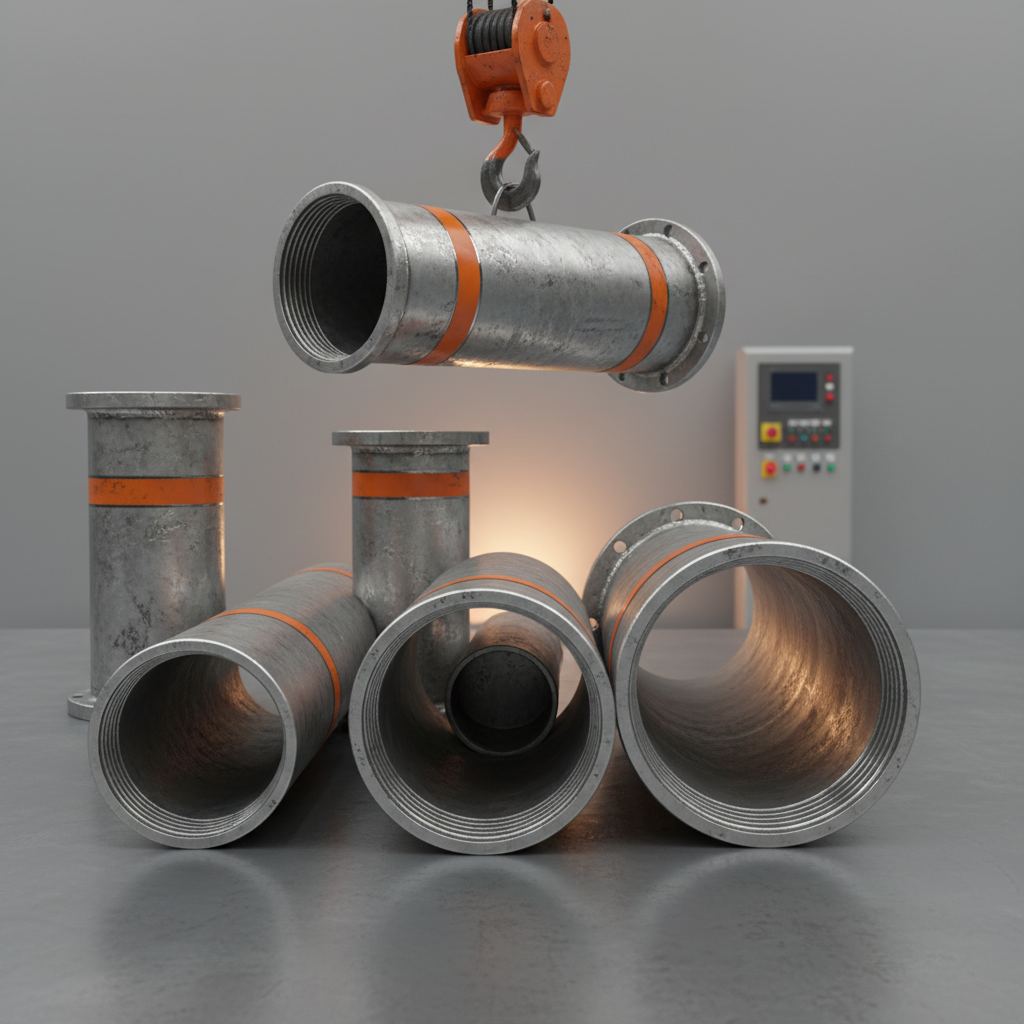
To be honest, things are moving fast these days. Everyone’s talking about prefabrication, modular construction… it’s all the rage. Used to be, you'd show up on site and it was mostly guys swinging hammers. Now? Laser levels, 3D models, and more tablets than I’ve had hot dinners. It's… different. But fundamentally, it’s still about getting materials to the job site that work, and won't fall apart after a year. And that brings us back to seamless steel pipe. I've been seeing more and more demand, especially for projects needing that extra level of reliability.
The thing about seamless, though, is people think it’s a magic bullet. It’s not. You gotta understand the steel grade, the wall thickness, the manufacturing process… I encountered this at a factory in Tianjin last time, they were pushing some ‘seamless’ pipe that was basically welded with a really good paint job. You wouldn’t believe it. Anyway, you gotta be careful who you buy from, and know your stuff.
I think the biggest trend I'm seeing is the move towards higher alloy steels, specifically for applications exposed to harsh environments. We're talking offshore platforms, chemical plants, things like that. It's not just about strength, it's about corrosion resistance. You’d be amazed how quickly seawater can eat through standard carbon steel.
The Current Landscape of Seamless Steel Pipe Exporter
Have you noticed how China has become the dominant force in seamless steel pipe production? It’s not just about price, although that’s a huge factor. They’ve really invested in the technology, and the capacity is… well, it’s enormous. But that doesn't mean quality is guaranteed, mind you. You need to find a reliable seamless steel pipe exporter, someone who actually inspects their products.
There’s also a lot of competition from South Korea and India, they’re both stepping up their game. The demand is driven primarily by the oil and gas industry, but we're seeing increasing use in water infrastructure projects too. Especially with all the aging pipelines needing replacement.
Common Pitfalls in Seamless Steel Pipe Design
Strangely, one thing I see engineers mess up constantly is underspecifying the wall thickness. They look at the pressure rating and think, "Oh, this pipe can handle it," but they don’t account for corrosion, erosion, or even just the stresses from thermal expansion and contraction. That’s a recipe for disaster, believe me. Another common mistake is ignoring the bending radius. Too tight a bend, and you’ll weaken the pipe, especially with higher strength alloys.
And don’t even get me started on trying to use seamless pipe for highly abrasive applications without proper internal coatings. It will wear through faster than you can say “maintenance.” You need to think about the entire system, not just the pipe itself.
I once worked on a project where they specified stainless steel seamless for a seawater intake. Looked good on paper, but they didn't consider the chloride-induced stress corrosion cracking. Huge problems down the line. Cost them a fortune.
Material Properties and On-Site Handling
Now, the material itself… you can tell a good piece of steel just by the weight. Seriously. A high-carbon alloy feels… denser, almost cold to the touch. And the smell when you’re cutting it? A proper steel smell, not just burning metal. You get a feel for it after a while. I prefer dealing with API 5L Grade B or X42 seamless, they strike a good balance between strength and weldability.
But handling it on-site is crucial. You need to protect the ends from damage and contamination. Those threaded caps they come with? They’re for a reason. And don't let anyone drag it around on the ground! Scratches can create stress points, and corrosion will start there. It sounds obvious, but you wouldn’t believe how often it happens.
We use a lot of 3PE coated pipe these days, it’s a pretty effective corrosion barrier. Feels a bit rubbery to the touch, but it’s worth it in the long run. It's definitely better than relying on just paint.
Real-World Testing and Application
Look, lab tests are fine, but I trust a hydrostatic test performed on-site a lot more. Fill that pipe with water and crank up the pressure. If it leaks, it leaks. No fancy equipment needed, just a good pressure gauge and a watchful eye. We also do a lot of non-destructive testing (NDT), like ultrasonic testing and magnetic particle inspection, especially for critical welds.
I’ve seen seamless steel pipe used in everything from high-pressure gas transmission lines to cooling water systems in power plants. It’s even found its way into some pretty niche applications, like geothermal drilling. The key is matching the material to the application.
Seamless Steel Pipe Exporter Application Suitability
Advantages, Disadvantages, and Customization
The big advantage of seamless, obviously, is that it’s stronger and more reliable than welded pipe, especially under high pressure. No weld seam to fail. But it's also more expensive, and getting custom sizes can be a pain. Anyway, I think the cost difference is often worth it for critical applications.
One thing I’ve seen done recently is specifying seamless pipe with internal coatings to improve flow characteristics. Like, a Teflon lining for transporting sticky fluids. It adds to the cost, but it can save a lot of headaches in the long run.
Industry Applications and Case Studies
Last month, that small boss in Shenzhen who makes smart home devices insisted on changing the interface to , and the result was a complete mess of compatibility issues. It's the same with steel pipe; people get fixated on the latest trend without thinking about the actual application. But, generally, I see seamless steel pipe being used in petrochemical plants, refineries, power generation facilities, and increasingly in water and wastewater treatment plants.
We did a project in Qatar a few years back, building a desalination plant. They demanded the highest quality seamless steel pipe, and they paid for it. No compromises. It was a good job, well-managed, and everything went smoothly. Rare these days.
Key Performance Indicators and Quality Control
To be honest, a lot of companies focus on the wrong KPIs. They look at price per ton, or delivery time. I care about the defect rate, the chemical composition, and the mechanical properties. That’s what matters. We require a full material test report (MTR) for every batch, and we do our own spot checks on-site.
And don't just rely on the supplier's paperwork. Send samples to an independent lab for verification. It costs a bit extra, but it can save you a lot of trouble down the road.
Summary of Seamless Steel Pipe Quality Control Metrics
| KPI Category |
Metric |
Target Value |
Measurement Frequency |
| Material Composition |
Carbon Equivalent (CE) |
≤ 0.45 |
Per Batch |
| Mechanical Properties |
Yield Strength (MPa) |
≥ 345 |
Per Batch |
| Dimensional Accuracy |
Wall Thickness Deviation (%) |
≤ ±10% |
Per 100 Pipes |
| Weld Quality (if applicable) |
Porosity (%) |
≤ 1.0 |
10% of Welded Joints |
| Coating Integrity |
Coating Adhesion (ASTM D4541) |
≥ 850 PSI |
Per Batch |
| Hydrostatic Testing |
Test Pressure (MPa) |
1.5 x Design Pressure |
100% of Pipes |
FAQS
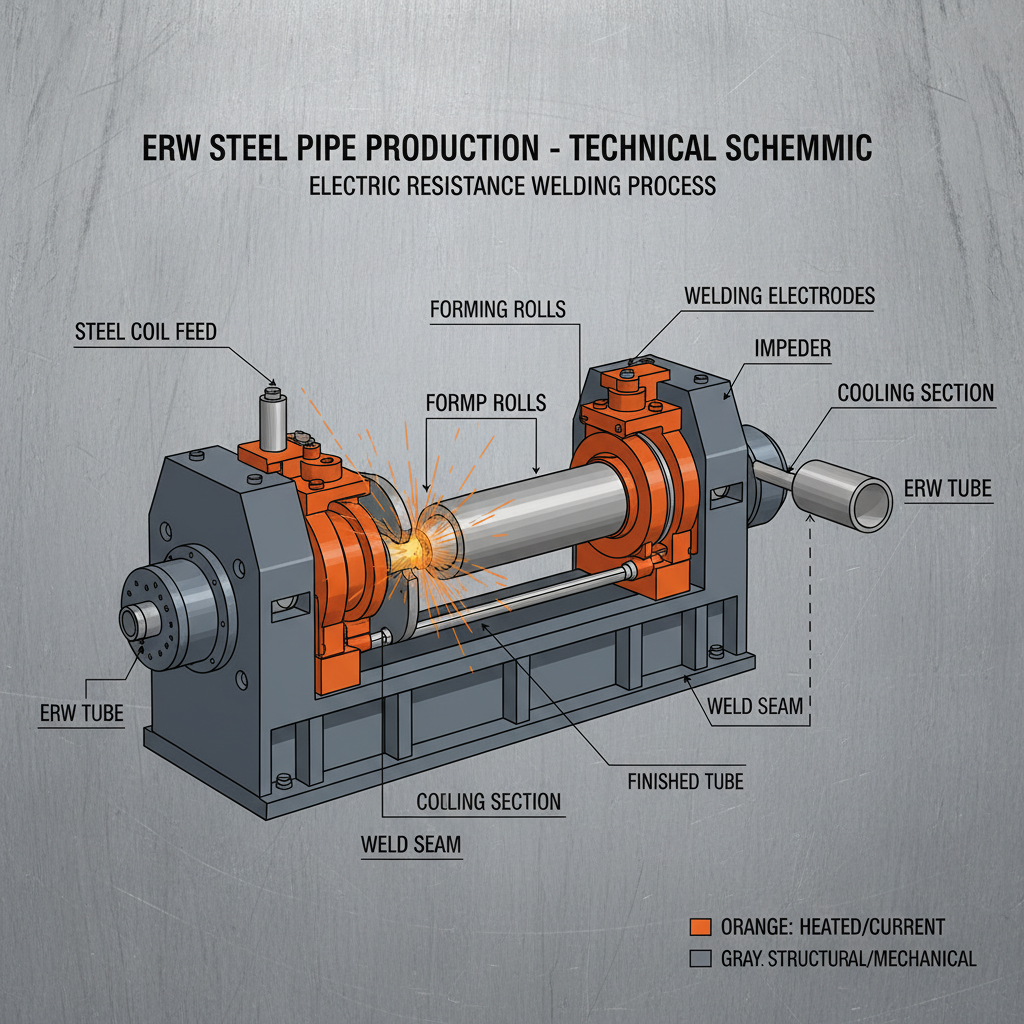
Well, it's pretty straightforward. Seamless pipe is made from a solid billet of steel that's been pierced and drawn, while welded pipe is made from a strip of steel that's rolled and welded together. Seamless has no weld seam, making it stronger and more reliable, especially under pressure. But it's generally more expensive. It’s about choosing the right tool for the job – you don't need seamless for everything.
First, always request a full Material Test Report (MTR) and verify it's from a reputable third-party lab. Second, do your own spot checks – measure the wall thickness, check for visual defects, and consider sending samples for independent testing. And finally, visit the factory if you can. See their quality control processes firsthand. A good supplier will be happy to let you.
API 5L Grade B, X42, X52, X60, and X70 are the most common. The higher the number, the higher the yield strength. The choice depends on the pressure and temperature requirements of the application. You also need to consider corrosion resistance, which might necessitate using alloy steels like chromium-molybdenum steel.
A rough surface finish provides more areas for corrosion to start. A smooth finish, especially after proper cleaning and coating, helps minimize corrosion. Proper surface preparation is critical before applying any protective coating. You'd be surprised how much difference a little bit of polishing can make.
Absolutely. You can specify custom dimensions, wall thicknesses, steel grades, and coatings. I had a client last year who needed seamless pipe with a very specific internal coating to handle a highly corrosive chemical. It was expensive, but it solved their problem. They needed a specific internal diameter as well, it was a nightmare to source, but we got it done.
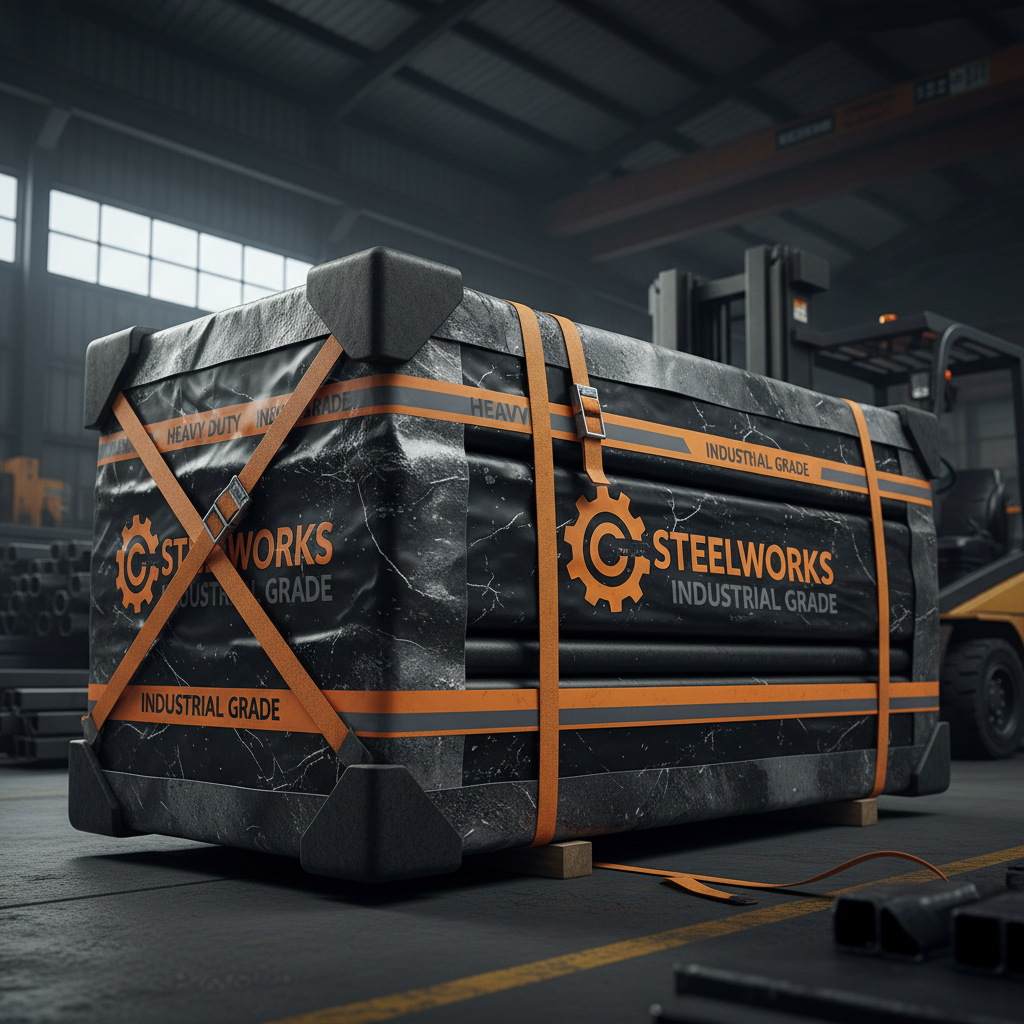
Shipping is a big one, especially for larger diameters and lengths. You need to ensure the pipe is properly packaged and secured to prevent damage during transit. Customs clearance can also be a hassle, especially with varying import duties and regulations. And don’t forget about insurance. It’s worth the extra cost to protect yourself against loss or damage.
Conclusion
Ultimately, seamless steel pipe remains a critical component in a huge range of industries. It’s not a silver bullet, it has its limitations, but its strength, reliability, and versatility make it the go-to choice for demanding applications. Choosing the right seamless steel pipe exporter is crucial, as is understanding the material properties and quality control processes.
Looking ahead, I think we’ll see even greater demand for high-alloy steels and advanced coatings as industries push the boundaries of what’s possible. And, really, whether this thing works or not, the worker will know the moment he tightens the screw. If it feels right, it probably is. If not… well, you better call someone.