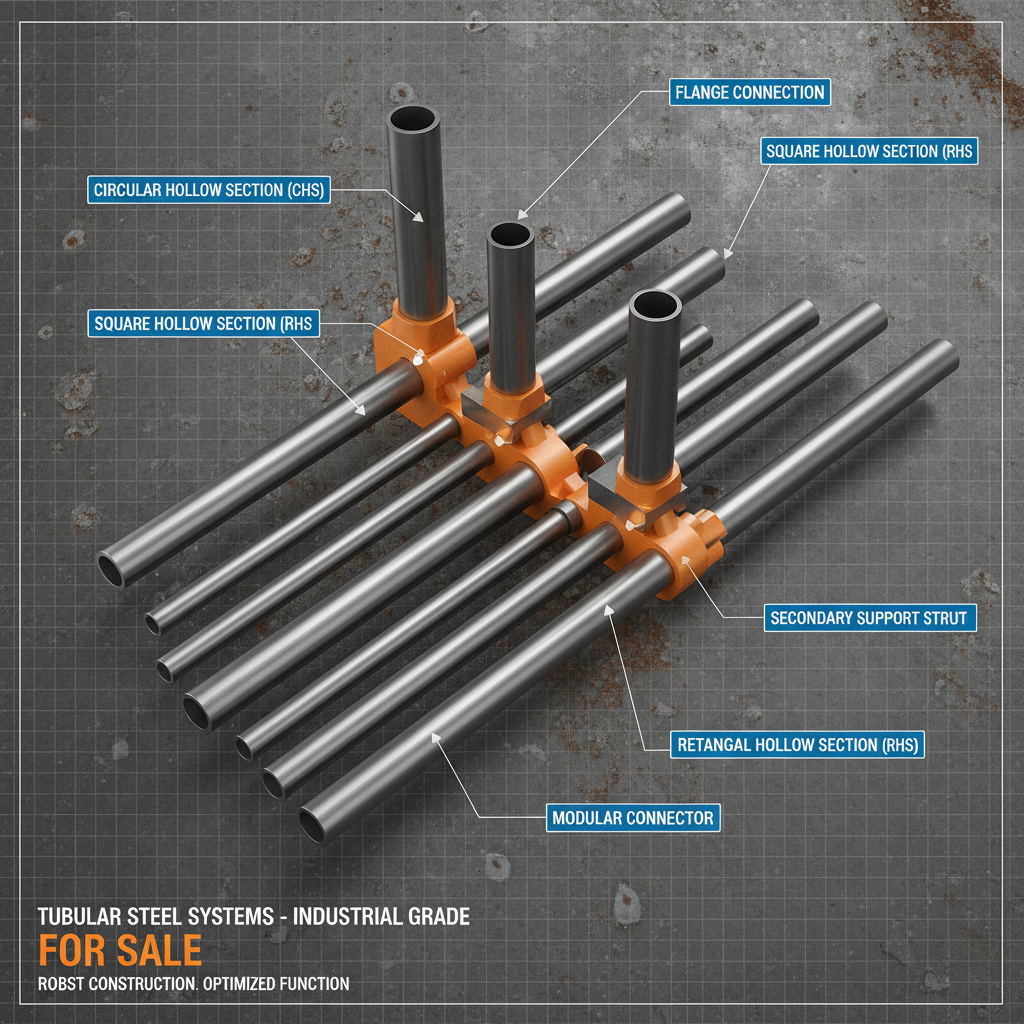
When looking to buy metal pipe for industrial applications, the decision often hinges on balancing material durability with specific operational pressures. In the broader context of metal tools and product manufacturing, selecting the correct piping grade is not just a matter of cost, but a critical safety and efficiency requirement for transporting fluids, gases, and oils.
Procurement managers frequently struggle with the technical trade-offs between carbon steel, alloy steel, and stainless steel, especially when navigating international standards like ASTM, DIN, and BS. The challenge lies in matching the wall thickness and surface treatment to the environmental corrosivity of the installation site to prevent premature system failure.
This professional guide provides a structured framework for evaluating metal pipe specifications, comparing material properties, and selecting reliable suppliers to ensure long-term operational stability in high-pressure environments.

Essential Material Selection Criteria

The primary step when preparing to buy metal pipe is identifying the chemical compatibility between the medium being transported and the pipe material. Carbon steel is the industry standard for general oil and gas transport due to its strength and cost-efficiency, while stainless steel is mandatory for corrosive environments or sanitary applications where oxidation must be avoided.
Beyond the material, engineers must evaluate the mechanical requirements. For instance, alloy steels are typically deployed when the system is subjected to extreme temperature fluctuations or higher stress loads than standard carbon steel can withstand. This ensures the structural integrity of the pipeline throughout its operational lifecycle.
Understanding Dimensional Standards and Wall Thickness
Dimensional accuracy is governed by strict international standards. When sourcing, it is vital to specify whether the project requires British Standard (BS21), DIN standard (DIN2999), or American Standard (ASTM A865-9) threads. Using mismatched standards leads to leakage and catastrophic joint failure during high-pressure tests.
Wall thickness, often referred to by Schedule (SCH) numbers—such as SCH40, SCH80, or SCH160—determines the pipe's pressure rating. A higher schedule number indicates a thicker wall, allowing the pipe to handle higher internal pressures. For example, pipes used in hydraulic tests might reach working pressures of 1.5MPa, requiring precise wall thickness calculations to avoid bursting.
Surface Treatment and Corrosion Protection
The external environment dictates the necessary surface finish. Galvanization is a primary defense mechanism, where a zinc coating is applied to prevent rust. Options include hot-dip galvanizing for heavy-duty outdoor use and electro-galvanizing for components requiring a smoother finish and moderate protection.
For interior piping or specific industrial settings, "Normal Black" or "Shining Black" finishes are common. These are often used in systems where the medium itself provides some inhibition of corrosion or where the pipes are installed in controlled, dry environments. The choice of finish directly impacts the maintenance interval and the total cost of ownership.
Relative Performance Index by Material Type
Evaluating the suitability of different metals requires a look at their relative performance across key metrics. The following conceptual index illustrates how different materials score in terms of corrosion resistance, tensile strength, cost-efficiency, temperature tolerance, and ease of installation.
As shown in this illustrative framework, stainless steel dominates in corrosion resistance but scores lower in cost-efficiency. Conversely, carbon steel provides the best value for high-strength, low-corrosivity applications. This trade-off is the central point of analysis for most procurement teams.
Matching Pipe Specifications to Applications
Practical deployment requires matching the pipe series—Light, Medium, Standard, or Heavy—to the specific application. Heavy series pipes are reserved for critical infrastructure where safety margins must be maximized, such as high-pressure steam lines or chemical transport systems.
In contrast, light series pipes are suitable for low-pressure water distribution or architectural supports. Integrating these with appropriate fittings, such as Carbon Steel Couplings or Stainless Steel Ball Valves, ensures a leak-proof system. Proper matching reduces the risk of over-engineering, which saves material costs without compromising safety.
Common Risks in Metal Pipe Procurement
One of the most significant risks when deciding to buy metal pipe is the procurement of non-certified materials. Pipes lacking ISO9001 or BV certification may have inconsistent wall thicknesses, leading to "weak spots" that fail under pressure. Always verify that the supplier provides material test reports (MTRs).
Another common error is neglecting the thermal expansion coefficient. In systems operating between -20°C and 120°C, the metal expands and contracts. Failing to incorporate rubber expansion joints or appropriate support brackets can lead to pipe warping or joint rupture over time due to thermal stress.
Material Comparison and Decision Matrix
To streamline the decision process, buyers can utilize a comparative matrix. This table outlines the primary differences between common metal piping options based on industrial usage and technical constraints.
| Material Type | Primary Strength | Best Use Case | Main Limitation |
|---|---|---|---|
| Carbon Steel | High Strength | Oil & Gas Lines | Prone to Rust |
| Stainless Steel | Corrosion Resistance | Food & Pharma | Higher Cost |
| Alloy Steel | Thermal Stability | Power Plants | Complex Welding |
| Galvanized Steel | Weather Protection | Outdoor Plumbing | Limited Temp Range |
| Malleable Iron | Impact Resistance | Pipe Fittings | Lower Pressure |
| Seamless Steel | No Weak Points | High-Pressure Sys | Difficult Sourcing |
Selecting the right material involves weighing these factors against the project budget and the required lifespan of the installation. For most industrial frameworks, a hybrid approach—using carbon steel for main lines and stainless steel for critical junctions—offers the best ROI.
Frequently Asked Questions
SCH (Schedule) refers to the wall thickness of the pipe. SCH80 has a thicker wall than SCH40 for the same nominal pipe size, allowing it to withstand higher internal pressures and providing more resistance to external corrosion.
Hot-dip galvanizing is preferred for saltwater environments as it provides a thicker, more durable zinc layer compared to electro-galvanizing, significantly delaying the onset of red rust.
No, it is not recommended. Mixing British Standard (BS) and American Standard (ASTM/ANSI) threads can lead to improper sealing and leaks, as the thread pitch and angles differ slightly.
Working pressure varies by material and schedule, but many standard industrial fittings are tested for a working pressure of up to 1.5MPa, with test pressures reaching 2.5MPa.
Alloy steel should be chosen when the piping must operate under extreme temperatures (very high or very low) or in environments where carbon steel's strength is insufficient for the required safety factor.
Verification should include reviewing ISO9001 certification, checking the Material Test Report (MTR) for chemical composition, and performing random hydraulic pressure tests on samples.
Conclusion
The process to buy metal pipe successfully requires a precise alignment of material grade, dimensional standards, and surface treatments with the operational demands of the project. By prioritizing certified materials and adhering to established schedules (SCH), organizations can significantly reduce the risk of leaks, corrosion, and structural failure in their piping networks.
For procurement specialists seeking high-standard piping solutions and fittings, reviewing the technical specifications at www.szpipefitting.com can help in identifying the correct components for diverse industrial applications.