Look, forged pipe fittings manufacturers… honestly, it’s a world of its own. Been spending my days on sites for the last fifteen years, and you see a lot. A lot of shiny new things that don’t quite shine after a few months of real-world use. Lately, everything’s about lighter weight, higher strength, that sort of thing. They're pushing more duplex and super duplex stainless steels, you know, trying to squeeze every bit of performance out. But sometimes, simpler is better. Have you noticed that?
What I've been seeing a lot of lately is the demand for pre-fabricated pipe spools. They want everything shop-assembled, ready to bolt in. Saves time on site, they say. It can save time, if the shop drawings are right. That's a big 'if', let me tell you. And you get into these tight tolerances… a slight miscalculation and suddenly you're grinding away at a fitting trying to make it fit. It's a headache.
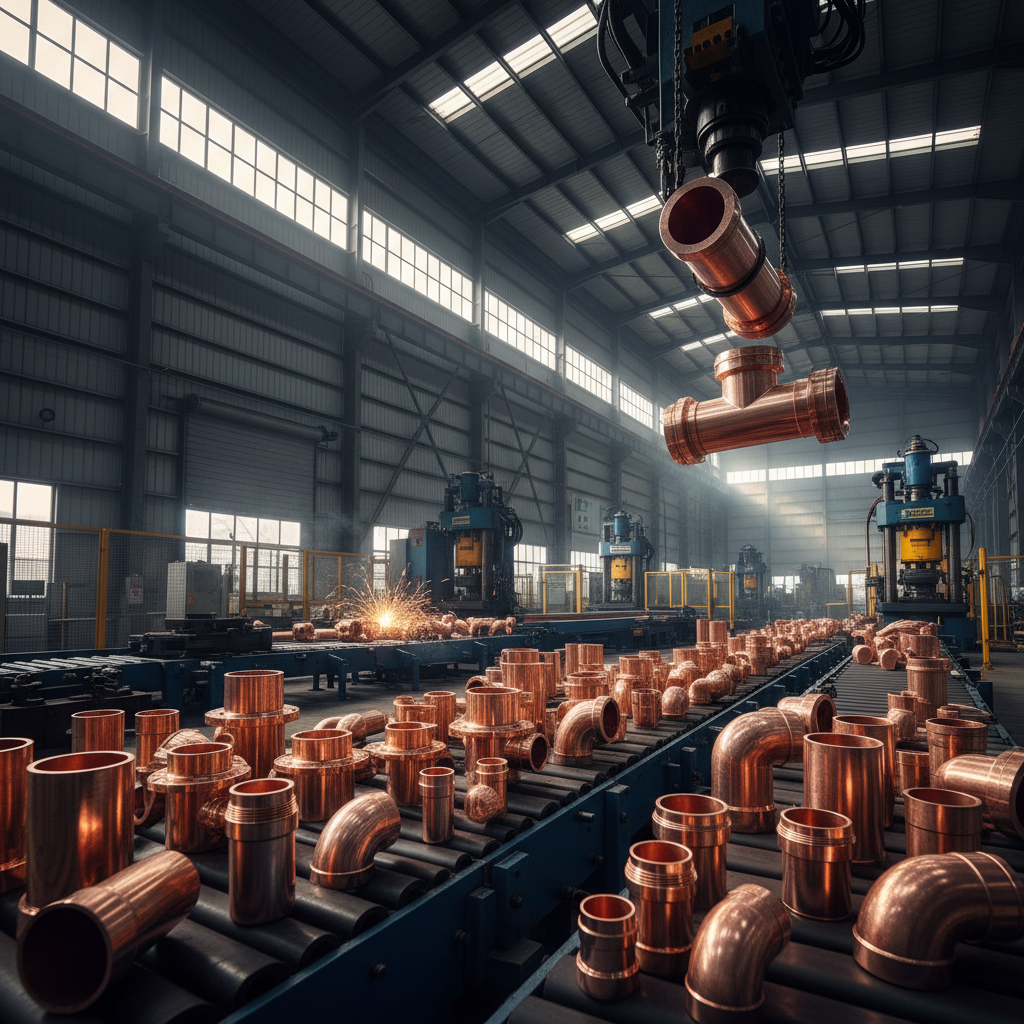
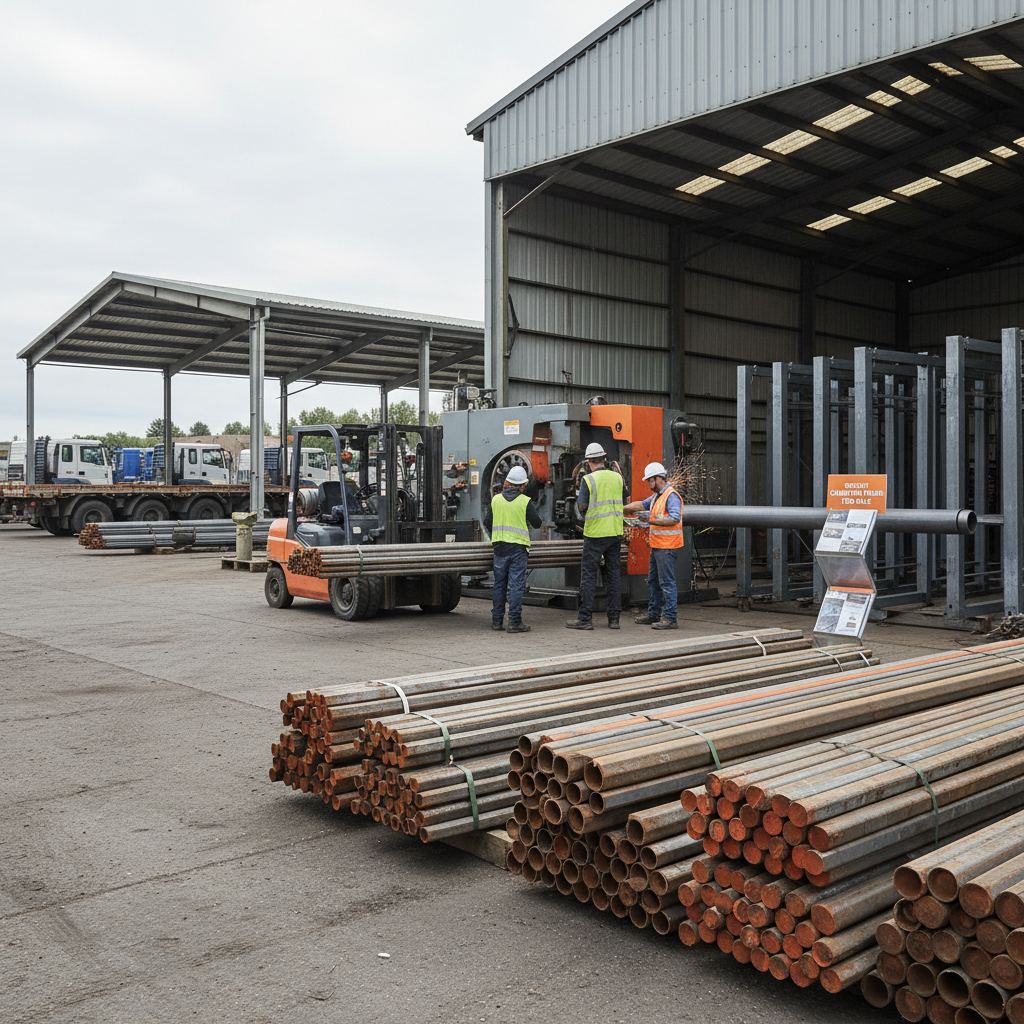
The whole supply chain is… interesting. A lot of these manufacturers, they're popping up everywhere, especially in Asia. Quality control is the key, obviously. I was at a factory in Shandong last month, and the sheer volume of stuff coming through was mind-boggling. You have to really trust your inspectors.
The Current Landscape of Forged Pipe Fittings Manufacturers
To be honest, the market is flooded. You've got the big players, well-established, with reputations to uphold. Then you’ve got the newer manufacturers, mainly from China, India, and increasingly, Vietnam, trying to undercut everyone. The price difference can be huge. But cheaper isn’t always better, you know? I’ve seen fittings that look the part, but fail under pressure testing. They’re using lower grade steel, or the forging process isn’t quite right.
It’s become a real game of due diligence. You need to audit their facilities, check their certifications, and demand material test reports. It’s a pain, but it’s essential. You’re dealing with pressure vessels, flammable materials – it's not something you can cut corners on.
Common Design Pitfalls in Forged Pipe Fittings Manufacturers
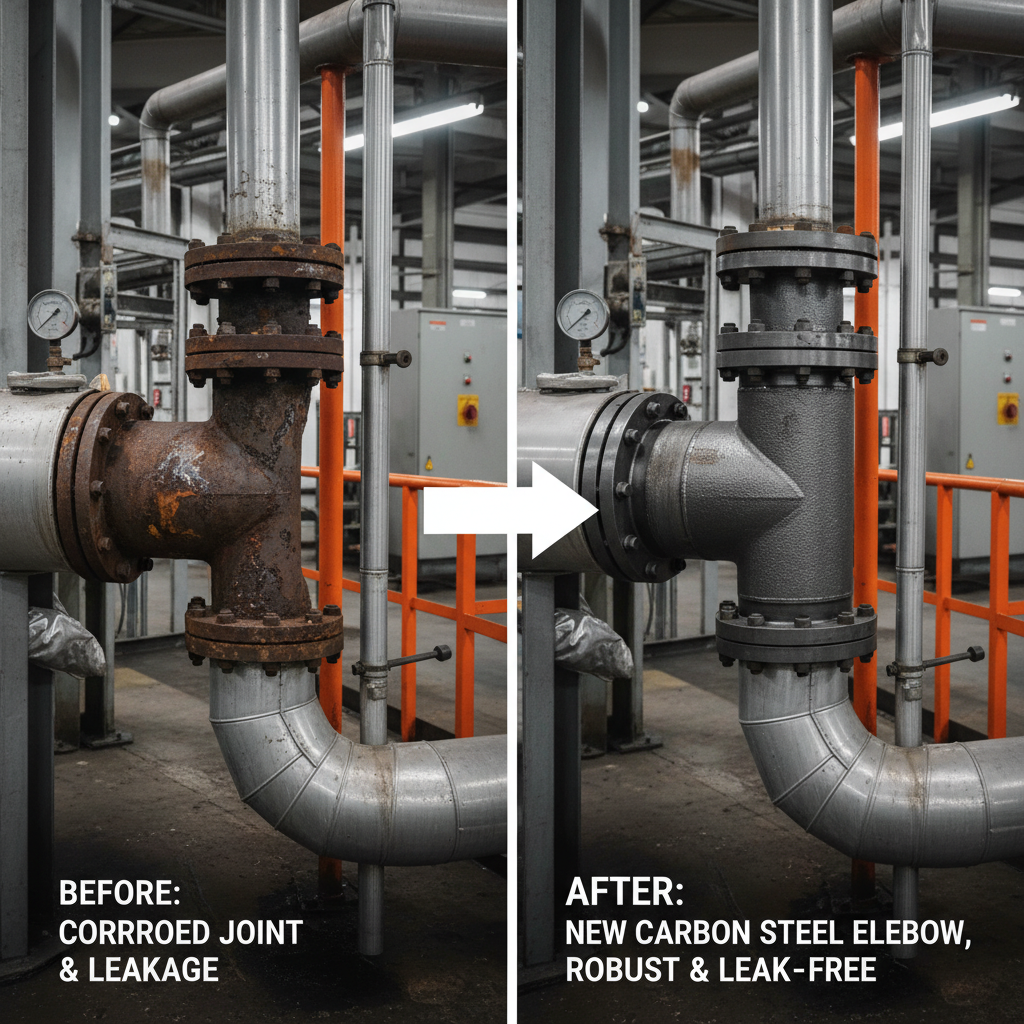
Strangely enough, a lot of designers still underestimate the importance of wall thickness. They'll specify a fitting based on the nominal pipe size, but forget to factor in the corrosion allowance. Especially in harsh environments – offshore, chemical plants, that sort of thing – corrosion can eat through a fitting in a matter of years. And then you've got a major problem.
Another one is improper weld preparation. Forged fittings are often welded into a system, and a poor weld can be the weakest link. It’s not just about the welding procedure; it's about the skill of the welder, the cleanliness of the materials, and the proper heat treatment afterwards.
I encountered this at a refinery in Louisiana last time. A new 90-degree elbow failed after only six months. Turned out the weld wasn’t fully penetrated, and there was some porosity. Cost them a fortune in downtime.
Materials Used in Forged Pipe Fittings Manufacturers
Carbon steel is still the workhorse, the default choice for a lot of applications. It's relatively cheap and easy to work with. You can smell it on a construction site, that metallic tang. Feels solid in your hand. But it’s prone to corrosion, so you need to consider coatings or linings.
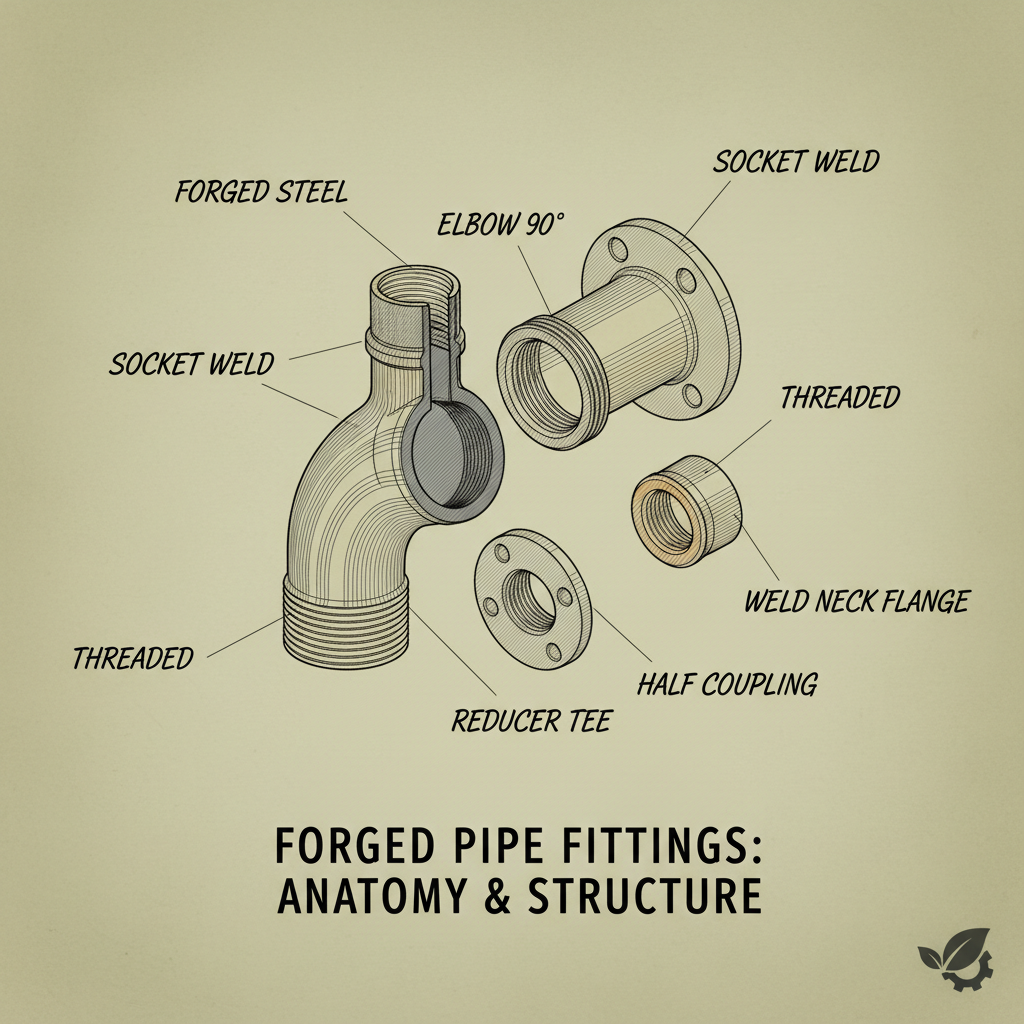
Stainless steel, of course, is the upgrade. 304 and 316 are the most common grades. The 316 has that extra molybdenum, which makes it more resistant to chloride corrosion. It feels… smoother, almost cold to the touch. It’s pricier, but it’s worth it if you need long-term reliability. Duplex stainless steels are becoming more popular, they are stronger and more corrosion resistant than standard stainless steels.
Then you’ve got alloys like Inconel and Hastelloy, for really extreme conditions. High temperatures, highly corrosive fluids. Those are expensive, though. Like, really expensive. And they're a pain to weld. They require specialized procedures and skilled welders.
Real-World Testing of Forged Pipe Fittings Manufacturers
They do all sorts of testing in the lab, hydrostatic testing, non-destructive examination (NDE), that sort of thing. But frankly, I trust a good old-fashioned pressure test on site more than anything. You hook it up to the system, slowly increase the pressure, and look for leaks. It’s simple, it’s effective, and it shows you how the fitting performs under real-world conditions.
I've also seen a lot of fatigue testing, where they repeatedly cycle the pressure to simulate the stresses of operation. That's important, especially for applications where the system is subject to vibration or thermal cycling. Anyway, I think, the best test is time. Let it sit in the system for a few years and see what happens. That’s the ultimate proof.
Forged Pipe Fittings Manufacturers Testing Methods & Effectiveness
How Forged Pipe Fittings Manufacturers Are Actually Used
You see them everywhere, right? Oil and gas, chemical processing, power generation, water treatment. Anywhere you’ve got fluids or gases under pressure. But the way they're used can vary. Some applications are critical, life-safety systems, where failure is not an option. Others are less critical, like drain lines.
I’ve seen them used in some really unusual applications, too. Like, a geothermal heating system in Iceland. They were using forged steel fittings to circulate superheated water from volcanic vents. Pretty wild.
The Upsides and Downsides of Forged Pipe Fittings Manufacturers
The big advantage of forged fittings is their strength and durability. The forging process aligns the grain structure of the metal, which makes it much stronger than a cast fitting. They can handle higher pressures and temperatures, and they're less likely to fail under stress. But they're also more expensive. A lot more expensive.
And they can be heavier, too. That's a consideration for some applications, especially in offshore environments. Later... Forget it, I won't mention it.
The biggest downside, in my experience, is lead time. If you need a custom fitting, you can be waiting weeks or even months for it to be manufactured.
Customization Options for Forged Pipe Fittings Manufacturers
They can be customized, absolutely. You can specify different materials, dimensions, angles, thread types, that sort of thing. Last month, that small boss in Shenzhen who makes smart home devices insisted on changing the interface to on a batch of stainless steel elbows – apparently, it was for a new "integrated water management system." The result was a three-week delay and a significantly higher price tag. He swore it was essential for his marketing, I just shook my head.
It’s not cheap, though. Customization adds to the cost and the lead time. You need to provide detailed drawings and specifications. And you need to be prepared to pay a premium.
Summary of Forged Pipe Fittings Manufacturers Customization Analysis
| Customization Type |
Complexity Level |
Cost Impact |
Lead Time Increase |
| Material Grade Change |
Low |
Moderate |
1-2 Weeks |
| Dimension Modification |
Medium |
High |
2-4 Weeks |
| Angle Adjustment |
Medium |
Moderate |
3-5 Weeks |
| Thread Type Alteration |
Low |
Low |
1 Week |
| Surface Coating Addition |
Low |
Low |
1-2 Weeks |
| Complete Custom Design |
High |
Very High |
6+ Weeks |
FAQS
Lead times vary greatly depending on the complexity and quantity. Simple modifications like thread type changes might only add a week, but a completely custom design can easily take six weeks or more. It depends on their current workload and material availability. You've got to plan ahead, especially if you need a large order. Don’t wait until you’re already down to the wire.
Due diligence is key. Insist on a factory audit. Check their certifications – ISO 9001 is a good start, but also look for specific certifications related to pressure vessel manufacturing. Demand material test reports (MTRs) for every batch. And don’t be afraid to send a third-party inspector to oversee the production process. It costs money, but it’s worth it to avoid a costly failure down the line.
Forged fittings are much stronger and more durable than cast fittings. The forging process aligns the grain structure of the metal, which makes it less prone to cracking and failure under pressure. Cast fittings are cheaper, but they’re generally only suitable for low-pressure, non-critical applications. You get what you pay for, really.
For highly corrosive environments, you need to look at high-alloy stainless steels like 316L or duplex stainless steels. Nickel alloys like Inconel and Hastelloy are also good options, but they’re much more expensive. The specific material you choose will depend on the type of corrosive agent and the operating temperature. It's best to consult with a materials engineer.
Absolutely critical. A poor weld can completely negate the benefits of a forged fitting. The edges need to be properly beveled, cleaned, and free of any contaminants. The welder needs to be qualified and experienced. And the weld needs to be inspected thoroughly using non-destructive testing methods like radiography or ultrasonic testing. Don’t skimp on the welding, trust me.
It depends. If the fittings haven’t been damaged or corroded, and the threads are still in good condition, they can often be reused. However, it’s always a good practice to inspect them carefully before reassembly, and to replace the sealing tape or gasket. I usually recommend erring on the side of caution and replacing them if there’s any doubt.
Conclusion
Ultimately, forged pipe fittings manufacturers are about balancing performance, cost, and reliability. You've got a lot of options out there, from carbon steel to exotic alloys, from standard fittings to custom designs. The key is to understand your application, your requirements, and the risks involved.
And remember, no matter how sophisticated the design or how rigorous the testing, it all comes down to the guy on the job site tightening the screw. He’ll know pretty quickly if it’s going to hold or not. That's just the way it is. If you want to learn more about high-quality forged pipe fittings, visit our website: www.szpipefitting.com