Email: hbgain@aliyun.com
Tel: 8615128155291
You know, after running around construction sites all year, dealing with dust and grease, you start to notice what actually works. And lately, everyone's buzzing about pre-fabricated steel tube structures. It’s not exactly new, but the demand… it's really taken off. Seems like everyone wants faster build times and less on-site welding, which, honestly, is a good thing for everyone's sanity. To be honest, it’s not just about speed, either. It's about controlling quality, which is a whole other headache if you leave it all to on-site guys.
But don’t get me wrong, it’s not all sunshine and roses. I've seen projects where the initial design was… optimistic, let's say. They tried to go too lean, too minimalist. Have you noticed, designers love to sketch these beautiful, complex things on their computers, but they rarely think about how a worker, covered in mud, is going to actually assemble it. That’s where things fall apart. It's always the details, isn't it?
And the steel itself… It’s usually Q345B, which is pretty standard. Feels solid, a bit rough to the touch. You can smell the oil they put on it to prevent rust - a kind of metallic, almost citrusy scent. Handling it, you need gloves, definitely. Gets hot in the sun, too, burns your hands if you’re not careful. We get it from steel tube factory, usually, decent quality, and they’re pretty responsive if there's an issue.
Right now, the big push is modular construction. Everyone’s talking about it. And pre-fab steel structures are a huge part of that. But, strangely, a lot of companies still try to cheap out on the connections. They'll use flimsy bolts, or weld things together in the shop without proper quality control. Then you get to the site, and it's a nightmare trying to align everything. It’s like, save a few bucks on the small stuff, and end up costing ten times as much later.
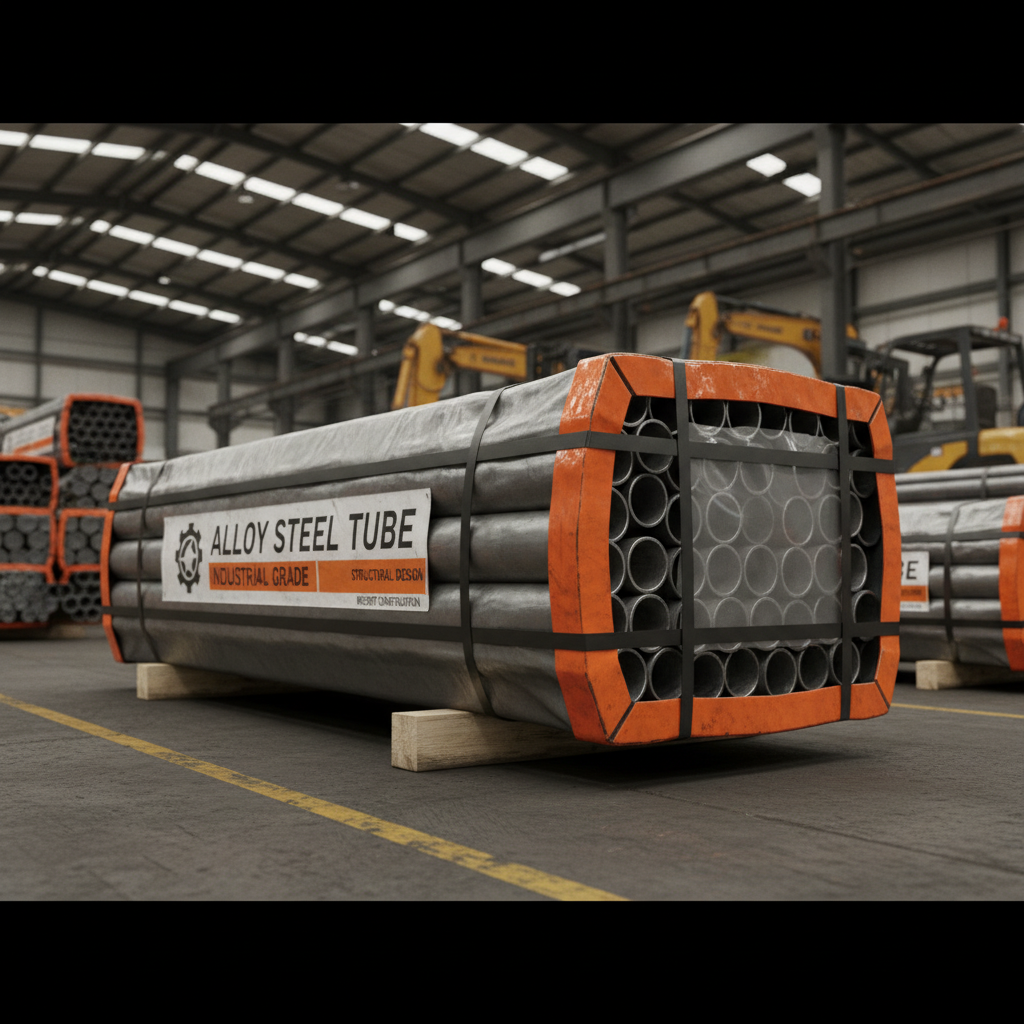
Another thing I’ve noticed is a lack of forethought when it comes to transport. These tubes aren't light! If you don't plan how you're going to get them from the steel tube factory to the site, and then maneuver them into place, you’re asking for trouble. You need the right cranes, the right trucks, and enough space to swing them around. Otherwise, you’re just delaying everything.
That depends heavily on the environment and maintenance. With proper galvanizing or epoxy coating, and regular inspections, you can easily get 30-50 years out of it. Coastal environments are tougher, obviously. Saltwater corrosion is a beast. But even then, with diligent maintenance – cleaning, repainting – you can extend its life considerably. It's not like wood, where rot is always lurking. Steel is more predictable. You know what you’re fighting against.
Initially, the material cost can be higher. But when you factor in the labor savings – less on-site welding, faster erection times – it often works out cheaper overall. Plus, you have better quality control, which means fewer costly repairs down the line. It's a long-term investment. Also, don’t forget the reduced disruption to the surrounding area. Faster build times mean less noise, less traffic, and less inconvenience for everyone.
That depends on the soil conditions and the size of the structure. You can use concrete footings, piles, or even a slab-on-grade foundation. It's crucial to get a proper geotechnical survey done before you start. You don’t want to build on unstable ground! The weight distribution of the steel structure is different than a traditional building, so you need to account for that in the foundation design.
Yes, to a degree. That's one of the benefits of steel. You can bolt on additions, or cut and weld to modify the existing structure. It’s not as flexible as, say, wood framing, but it’s certainly doable. You just need to ensure that any modifications are engineered properly to maintain the structural integrity. Don't just start hacking away at it!
Steel doesn’t burn, which is a good start. But it does lose strength at high temperatures. That's why you need to apply fireproofing materials, like intumescent coatings, to protect the steel from overheating in a fire. These coatings expand when exposed to heat, creating an insulating layer. Building codes will dictate what level of fire protection is required, depending on the occupancy and the height of the structure.
Regular inspections are key. Look for signs of corrosion, loose bolts, or damage to the coatings. You’ll need to touch up the paint or coatings as needed, and re-torque the bolts periodically. It’s not a huge amount of work, but it’s essential to prevent small problems from becoming big ones. Basically, stay on top of it, and it'll stay on top for you.
So, yeah, pre-fabricated steel tube structures, they're not a magic bullet. There are challenges, there are downsides. But, overall, they offer a compelling combination of speed, quality, and cost-effectiveness. They're changing the way we build, and they're here to stay. It's about more than just the steel itself; it's about rethinking the entire construction process, from design to fabrication to assembly.
Ultimately, whether this thing works or not, the worker will know the moment he tightens the screw. If it fits snug, if everything lines up, if it feels right… that's when you know it's solid. You can have all the fancy engineering reports in the world, but it always comes down to that simple, tactile feeling of a job well done.