Steel pipes are foundational components of modern infrastructure, silently enabling the flow of vital resources across the globe. From transporting oil and gas to delivering clean water and supporting industrial processes, their reliability and versatility are paramount. Understanding the properties, applications, and future trends surrounding steel pipes is crucial for engineers, policymakers, and anyone involved in building and maintaining a sustainable future.
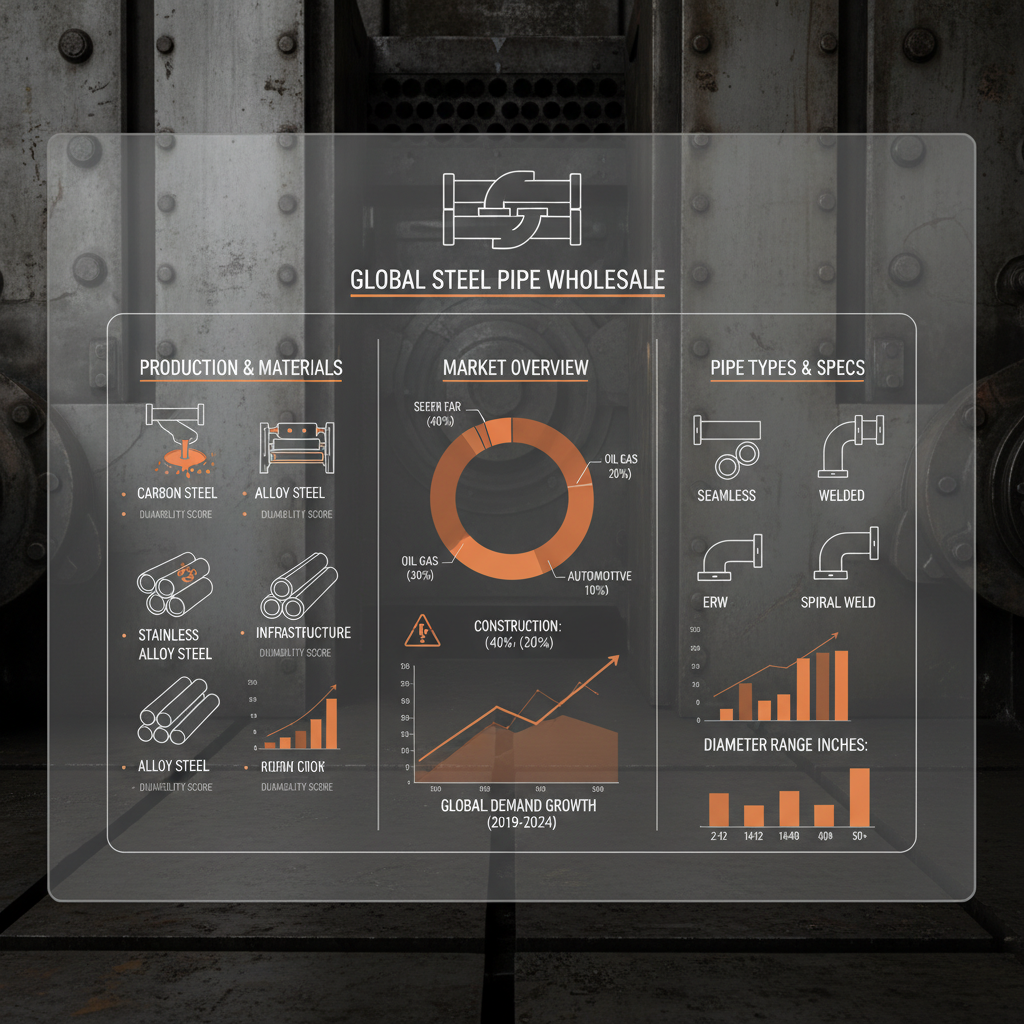
Globally, the demand for steel pipes continues to rise, driven by population growth, urbanization, and industrial expansion. According to the World Steel Association, global steel pipe production reached over 100 million tonnes in recent years. However, this growth also presents challenges, including the need for more sustainable production methods and resilient infrastructure that can withstand increasing environmental pressures.
The significance of steel pipes extends beyond mere utility. They represent a critical link in global supply chains, facilitating economic activity and improving the quality of life for billions. Investing in research, innovation, and responsible manufacturing practices within the steel pipe industry is therefore an investment in a more secure and prosperous future.
Introduction to Steel Pipes
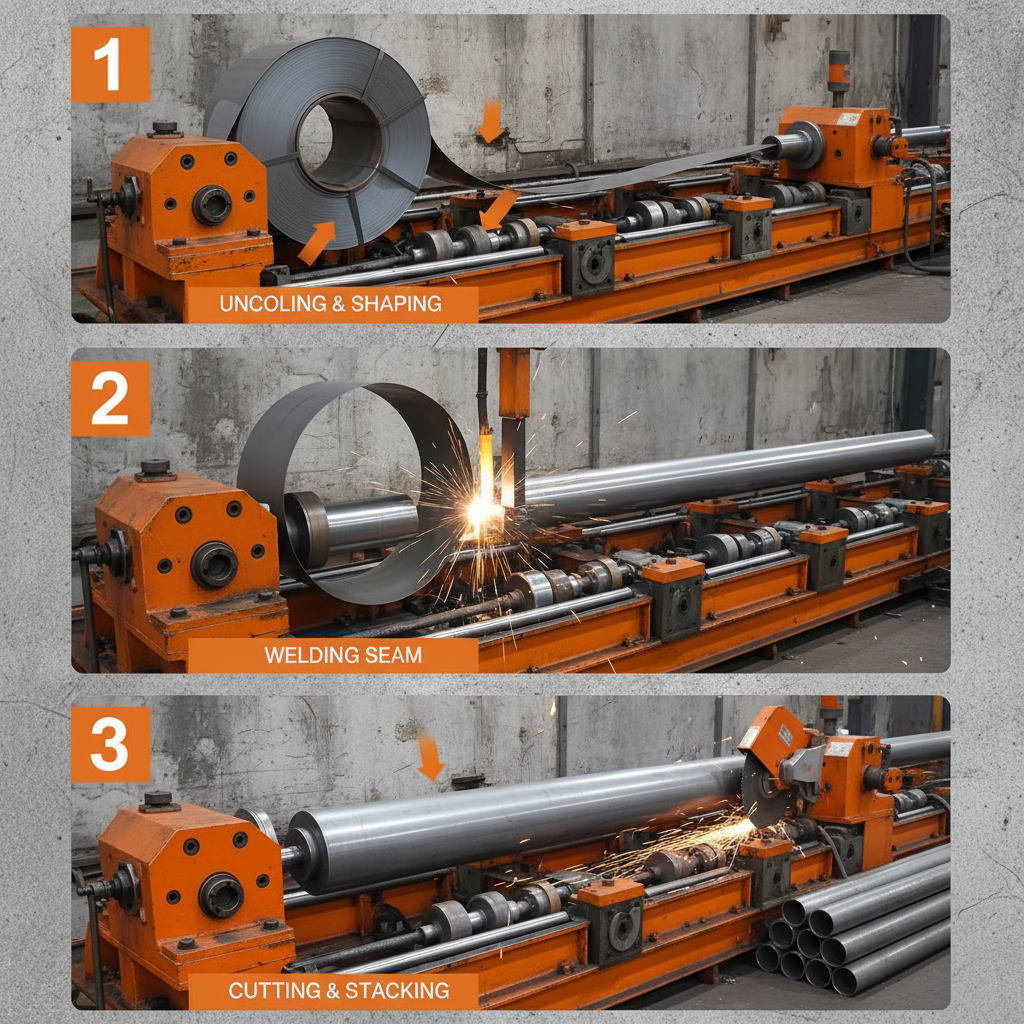
Steel pipes are hollow cylindrical structures manufactured from various grades of steel, primarily used for transporting fluids, gases, or solids. Their strength, durability, and cost-effectiveness make them ideal for a wide range of applications. The production of steel pipes involves sophisticated manufacturing processes like seamless drawing, welding, and coating to ensure optimal performance and longevity.
The inherent properties of steel, coupled with advancements in material science, allow for the creation of pipes tailored to specific requirements. Different steel alloys offer varying levels of corrosion resistance, tensile strength, and temperature tolerance, expanding the potential applications of steel pipes across diverse industries.
Global Relevance and Industry Context
The global steel pipe industry is intrinsically linked to the health of the global economy. Significant growth in infrastructure development, particularly in emerging economies, directly drives demand. Large-scale projects such as oil and gas pipelines, water distribution networks, and power generation facilities rely heavily on the consistent supply of high-quality steel pipes. The United Nations Sustainable Development Goals (SDGs), particularly those related to clean water and sanitation (SDG 6) and sustainable cities and communities (SDG 11), underscore the crucial role of durable piping systems.
However, the industry faces challenges related to fluctuating raw material prices, trade barriers, and increasing environmental concerns. The rise of protectionist policies and geopolitical instability can disrupt supply chains and impact market dynamics. Additionally, the carbon footprint associated with steel production is a significant concern, prompting a shift towards more sustainable manufacturing practices.
Addressing these challenges requires collaborative efforts between governments, industry stakeholders, and research institutions. Investing in innovative technologies, promoting circular economy principles, and fostering international cooperation are essential for ensuring a resilient and sustainable future for the steel pipe industry.
Defining Steel Pipes
Simply put, steel pipes are tubular products crafted from steel. These aren’t merely hollow tubes; they are engineered components designed to withstand specific pressures, temperatures, and corrosive environments. The manufacturing processes, encompassing seamless and welded techniques, dictate the pipe’s strength and intended application. Different standards, such as API 5L for pipeline applications and ASTM A53 for general purpose use, define the specifications and testing requirements for steel pipes.
The connection of steel pipes to modern industry is undeniable. They form the backbone of oil and gas transportation, enabling the efficient delivery of energy resources. They are critical to municipal water systems, providing access to clean drinking water. Furthermore, steel pipes play a vital role in industrial processing, chemical transportation, and even construction, where they serve as structural supports and conduits.
Beyond purely industrial applications, steel pipes contribute to humanitarian needs. In disaster relief scenarios, they can be rapidly deployed to establish temporary water supplies or sanitation systems, providing essential services to affected populations. Their robust nature makes them a reliable solution in challenging environments.
Key Factors of Steel Pipes
One of the most significant factors is the durability of steel pipes. Steel possesses inherent strength and resistance to deformation, ensuring long-term reliability, even under harsh conditions. This robustness minimizes maintenance requirements and reduces the risk of failures, translating into lower lifecycle costs.
Another key aspect is scalability. Steel pipes can be manufactured in a wide range of diameters, wall thicknesses, and lengths to accommodate diverse project requirements. This flexibility allows for seamless integration into existing infrastructure and efficient adaptation to changing needs. steel pipes’ adaptability is a significant advantage.
Cost efficiency is also a major driver of steel pipe adoption. While the initial cost may be higher than some alternative materials, the extended lifespan, reduced maintenance, and minimal risk of failure ultimately result in lower overall costs. Steel is also a readily available material, contributing to competitive pricing.
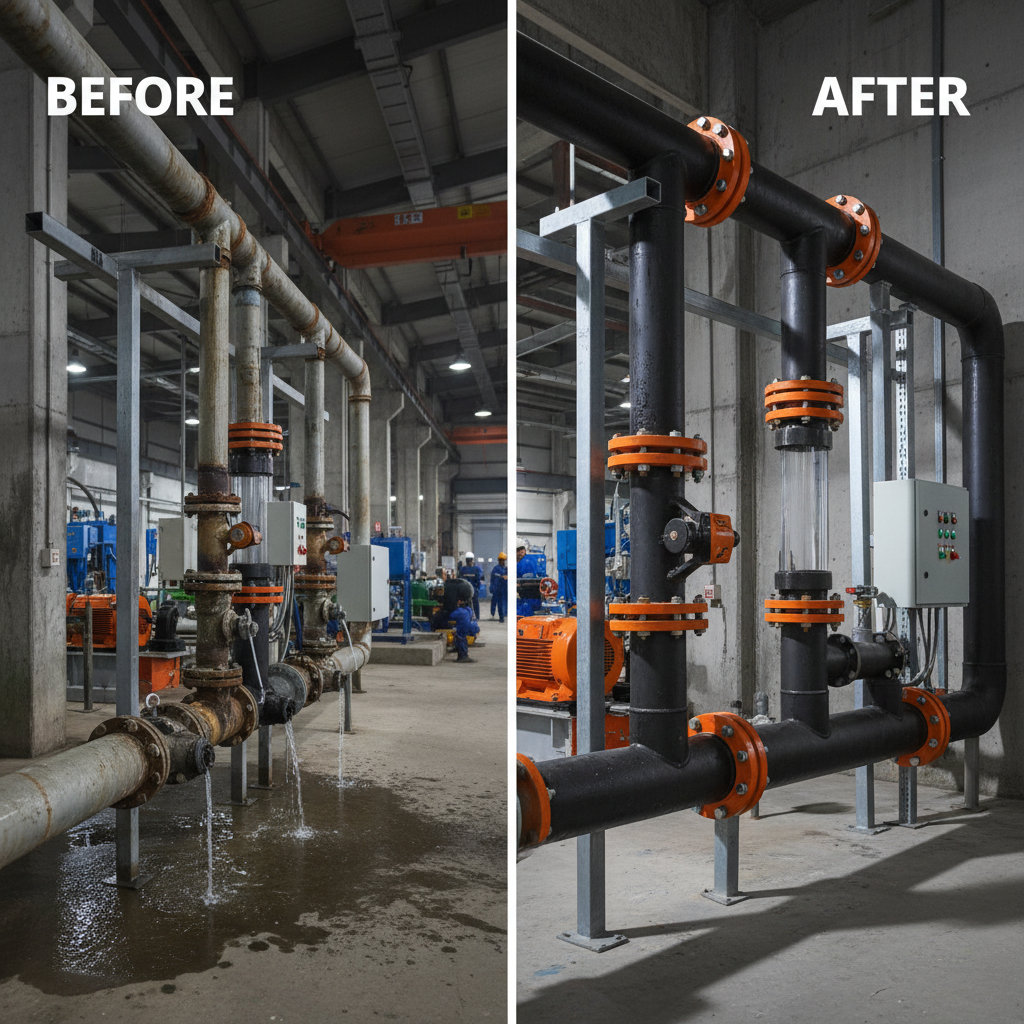
Corrosion resistance is crucial, particularly in harsh environments. Specialized steel alloys and protective coatings enhance resistance to corrosion, extending the service life of the pipes and minimizing environmental impact. Techniques such as galvanizing, epoxy coating, and internal linings provide additional protection.
Ease of installation and connection contribute to project efficiency. Standardized fittings and welding techniques simplify the installation process, reducing labor costs and project timelines. The availability of pre-fabricated pipe spools further streamlines construction.
Structural Integrity: The ability of steel pipes to withstand high pressures and external loads is paramount. This characteristic is crucial in applications like oil and gas pipelines and high-rise building construction, where safety and reliability are non-negotiable.
Steel Pipe Manufacturing Method Ratings
Global Applications & Use Cases
In the oil and gas sector, steel pipes are indispensable for transporting crude oil, natural gas, and refined products across vast distances. Transcontinental pipelines, often spanning thousands of kilometers, rely on the strength and reliability of steel pipes to ensure uninterrupted energy supply. These pipelines are critical infrastructure for global energy markets.
Municipal water distribution networks represent another significant application. Steel pipes provide a durable and hygienic conduit for delivering clean drinking water to homes and businesses. They are particularly well-suited for large-diameter pipelines and challenging terrain.
The construction industry utilizes steel pipes for structural supports, plumbing, and electrical conduits. Their versatility and strength make them a preferred material for high-rise buildings, bridges, and other large-scale construction projects. In post-disaster relief operations, rapidly deployable steel pipe systems can provide immediate access to clean water and sanitation.
Advantages & Long-Term Value
The long-term value of steel pipes is rooted in their cost-effectiveness over their lifecycle. While initial investment might be comparable to other materials, the reduced maintenance, extended service life, and minimized risk of failure translate into substantial savings. Furthermore, steel is a readily recyclable material, contributing to a circular economy and reducing environmental impact.
From a sustainability perspective, steel pipes offer several advantages. They are highly durable, reducing the need for frequent replacements. The recyclability of steel minimizes waste and conserves natural resources. Innovations in steel production are also reducing the carbon footprint associated with manufacturing. Investing in steel pipes is an investment in resilient infrastructure.
Future Trends & Innovations
The future of steel pipes is shaped by several key trends, including the development of advanced high-strength steels, the integration of digital technologies for pipeline monitoring and maintenance, and the increasing focus on sustainable manufacturing practices. New alloy compositions are enhancing corrosion resistance and extending the service life of pipes.
Digital technologies, such as sensors, drones, and data analytics, are transforming pipeline management. Real-time monitoring of pipeline integrity, leak detection, and predictive maintenance are becoming increasingly common, optimizing operations and reducing downtime. Automation and robotic welding are also improving manufacturing efficiency.
The drive towards a greener future is driving innovation in steel production. Technologies such as carbon capture and storage, hydrogen-based steelmaking, and increased use of recycled steel are reducing the environmental impact of the industry. The integration of renewable energy sources into steel manufacturing processes is also gaining momentum.
Challenges and Solutions in Steel Pipe Applications
| Challenge Area |
Impact on Steel Pipes |
Potential Solution |
Implementation Cost (1-10) |
| Corrosion |
Reduced pipe lifespan, increased maintenance costs |
Advanced coatings and corrosion-resistant alloys |
7 |
| Leakage |
Resource loss, environmental damage |
Smart pipeline monitoring systems |
8 |
| Extreme Temperatures |
Material degradation, potential failure |
High-temperature alloys and insulation |
6 |
| External Damage |
Pipe rupture, service disruption |
Protective casing and damage detection systems |
5 |
| Supply Chain Disruptions |
Material shortages, project delays |
Diversification of suppliers and strategic stockpiling |
4 |
| Environmental Regulations |
Increased compliance costs, limitations on materials |
Sustainable steel production and eco-friendly coatings |
7 |
FAQS
The most common types of steel used in pipe manufacturing include carbon steel, alloy steel, and stainless steel. Carbon steel is cost-effective and suitable for general applications, while alloy steel offers enhanced strength and corrosion resistance. Stainless steel provides superior corrosion resistance, making it ideal for harsh environments. The selection depends on the specific application requirements, considering factors such as pressure, temperature, and the nature of the transported fluid or gas.
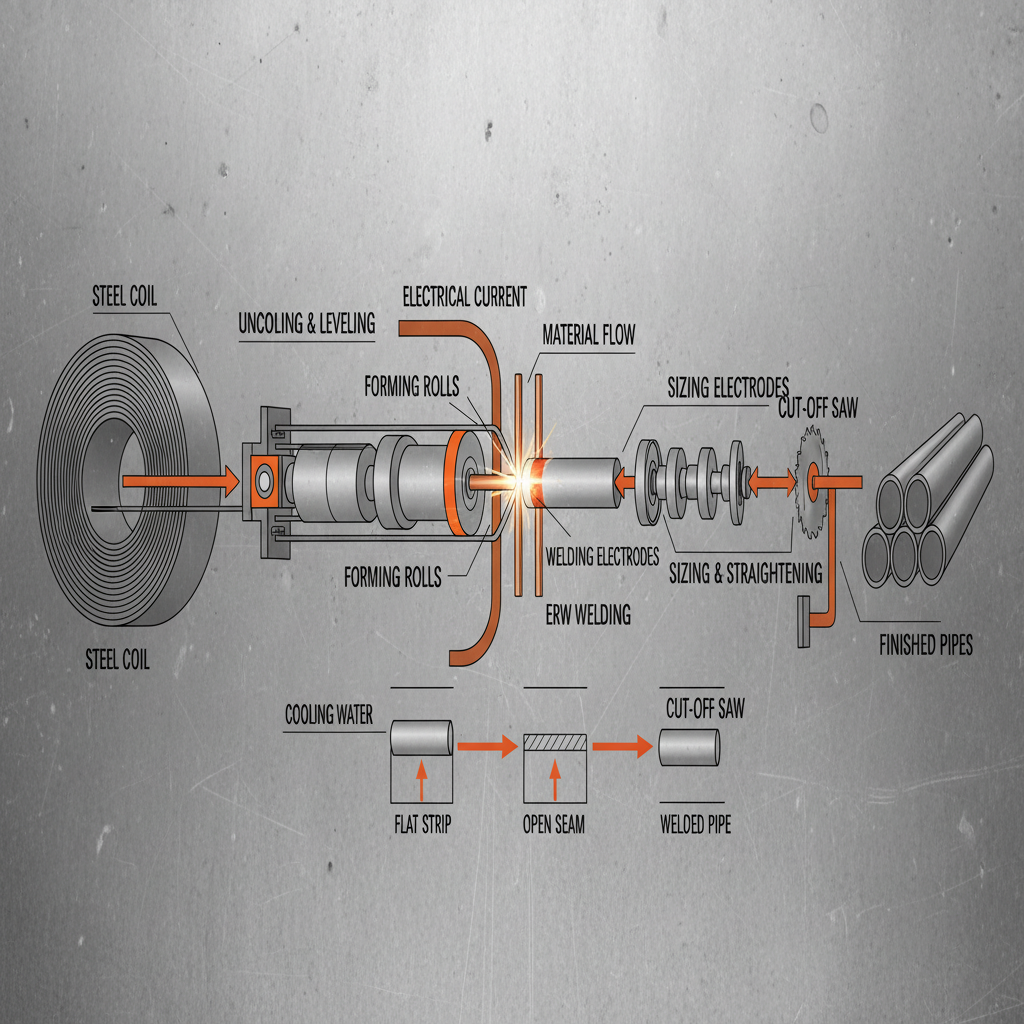
Seamless steel pipes are manufactured from a solid billet of steel that is heated and pierced to create a hollow tube. This process results in a pipe with uniform strength and no weld seams. Welded steel pipes, on the other hand, are created by rolling and welding steel plates together. While welded pipes are generally more cost-effective, they may have slightly lower strength and require more rigorous quality control to ensure weld integrity. The choice depends on the pressure and stress the pipe will experience.
Steel pipes are protected from corrosion through various methods, including applying protective coatings like epoxy, polyethylene, or galvanization. These coatings create a barrier between the steel and corrosive elements. Internal linings, such as cement mortar or polyurethane, are also used to protect the inner surface of pipes. Additionally, cathodic protection, using sacrificial anodes or impressed current, can be employed to prevent corrosion in underground or submerged pipelines.
Several standards govern steel pipe manufacturing, ensuring quality and safety. API 5L is widely used for pipeline applications, defining specifications for line pipe. ASTM A53 covers general-purpose steel pipes. Other relevant standards include ASTM A106 for high-temperature service, and ISO 3183 for technical delivery conditions. Adherence to these standards is crucial for ensuring the pipe's performance and reliability in its intended application.
Steel pipes undergo rigorous testing to ensure quality and integrity. Common tests include hydrostatic testing, where the pipe is filled with water and pressurized to detect leaks and weaknesses. Non-destructive testing (NDT) methods like ultrasonic testing, radiographic testing, and magnetic particle inspection are used to identify flaws without damaging the pipe. Dimensional checks and chemical analysis are also performed to verify compliance with specifications.
Steel pipe production has an environmental impact due to energy consumption and greenhouse gas emissions. However, steel is highly recyclable, mitigating some of these effects. Sustainable manufacturing practices, such as using recycled steel and implementing energy-efficient technologies, are becoming increasingly important. Proper disposal and recycling of end-of-life pipes further reduce the environmental footprint. The industry is actively exploring carbon capture technologies and alternative production methods.
Conclusion
In conclusion, steel pipes remain an indispensable component of modern infrastructure and global economies. Their durability, scalability, and cost-effectiveness, coupled with ongoing innovation in materials and manufacturing processes, ensure their continued relevance. Understanding the key factors influencing their performance, from corrosion resistance to structural integrity, is crucial for engineers, policymakers, and industry professionals.
Looking ahead, the steel pipe industry must embrace sustainability, adopt digital technologies, and prioritize responsible manufacturing practices. Investing in research and development, fostering collaboration, and promoting circular economy principles will unlock new opportunities and ensure a resilient and sustainable future for steel pipe applications worldwide. For more information on our comprehensive range of steel pipes and related products, visit our website today.