
Comprehensive Guide to Mild Steel Pipe Price Factors and Market Trends
Understanding Mild Steel Pipe Price: A Comprehensive Guide
Navigating the world of steel pipes can be complex, especially when it comes to understanding pricing. Mild steel pipe price fluctuates based on several factors, impacting project budgets and material sourcing strategies. This article provides a detailed exploration of these factors, current market trends, and how to find the best deals for your needs. Whether you're involved in construction, plumbing, or industrial applications, knowing the ins and outs of mild steel pipe pricing is essential. We'll cover everything from material grade and dimensions to supplier options and potential cost-saving measures.
Factors Influencing Mild Steel Pipe Price
Several key elements contribute to the overall price of mild steel pipe. The most significant is the current market price of steel itself, which is subject to global economic conditions, supply and demand, and raw material costs like iron ore and coal. Pipe dimensions—diameter, wall thickness, and length—directly impact the amount of steel used and, therefore, the price. Furthermore, manufacturing processes, such as seamless versus welded construction, and the specified grade of mild steel all contribute to the final cost. Transportation costs, import duties (for international purchases), and the supplier's markup also play a role. Understanding these factors empowers you to negotiate effectively and make informed purchasing decisions. Checking szpipefitting.com can provide you with up-to-date price quotations.
Key Considerations: Market fluctuations, pipe dimensions, manufacturing method and steel grade all directly affect price.
Mild Steel Pipe Price Comparison: Grades & Finishes
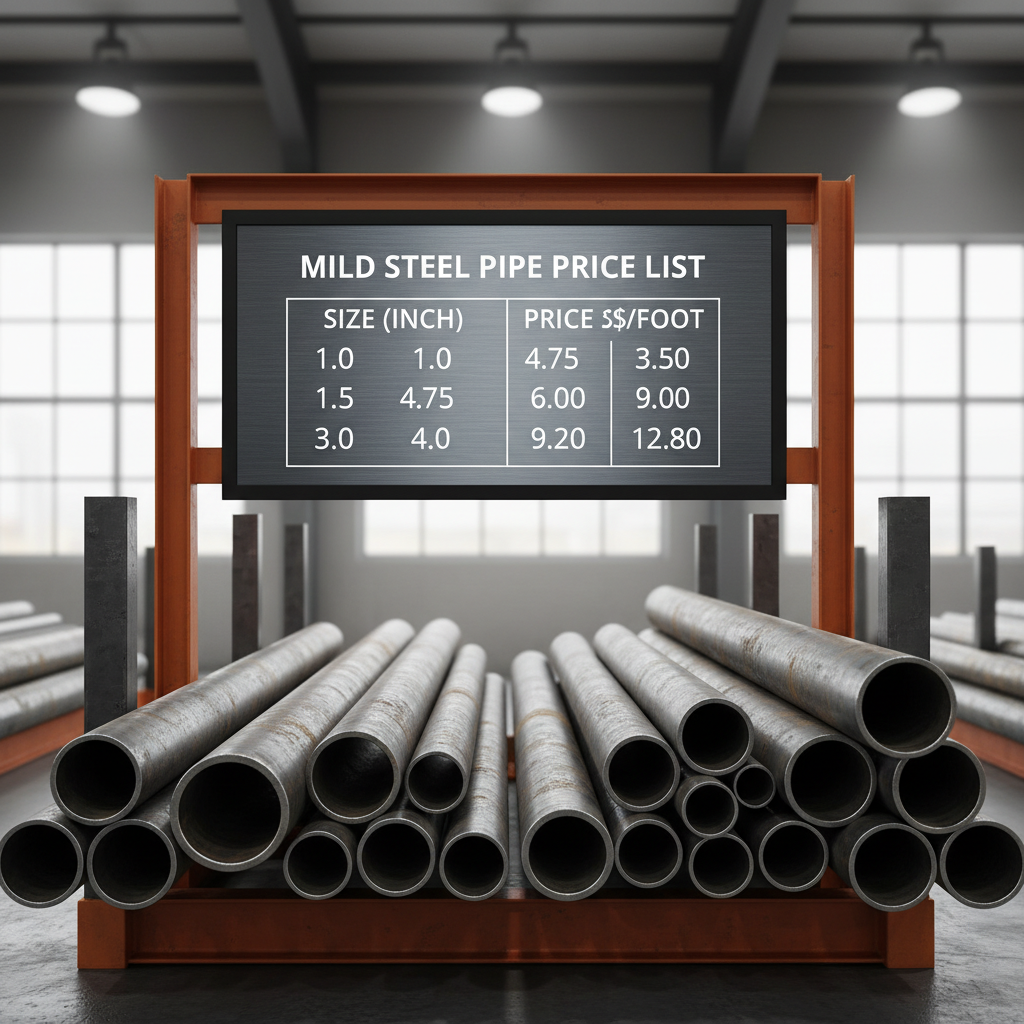
Different grades of mild steel pipe, and various finishes, come with varying price points. A106 Grade B is a commonly used, general-purpose grade that typically offers a balance between cost and performance. Higher grades, designed for more demanding applications (like high-temperature or high-pressure systems), will naturally be more expensive. Similarly, pipes with specialized coatings—such as galvanized, epoxy-coated, or painted—will incur additional costs. The table below provides a general price comparison (prices are approximate and subject to change).
Current Market Trends and Price Fluctuations
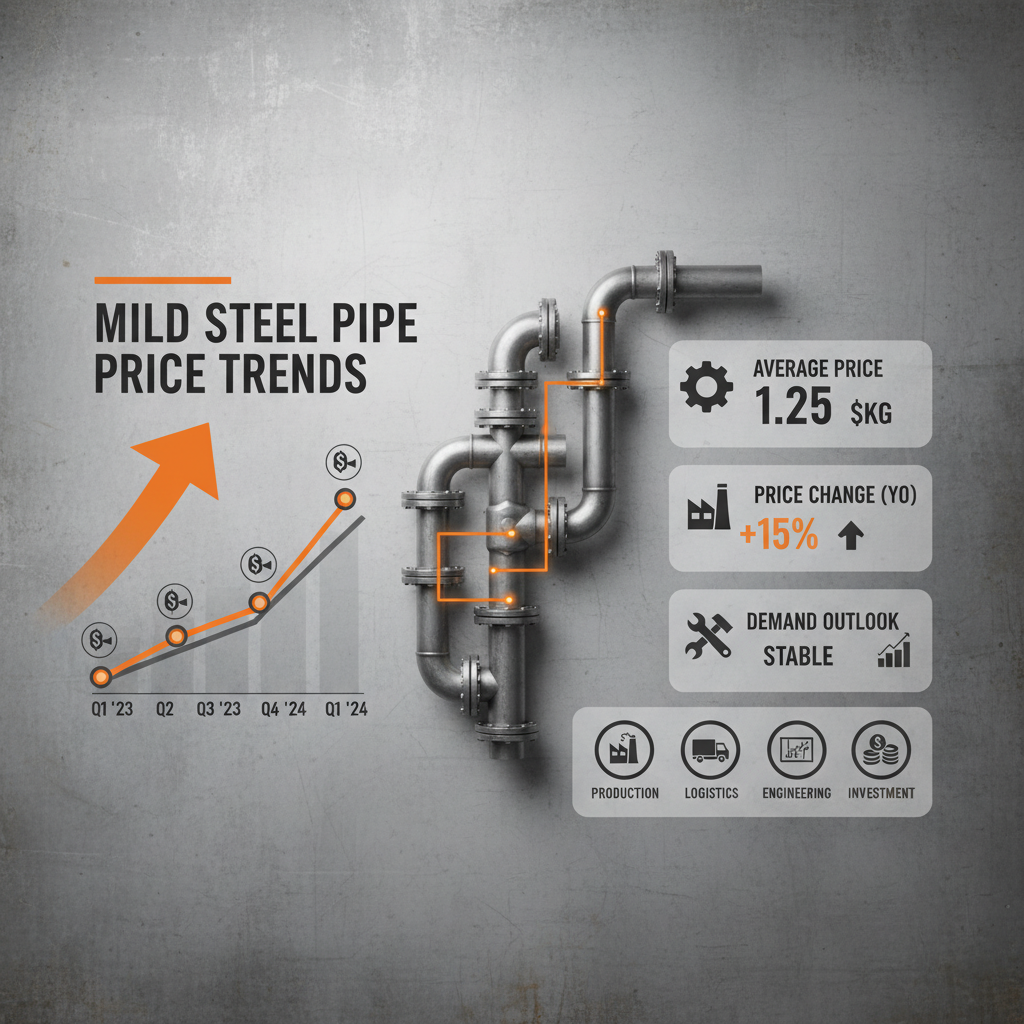
The steel market is dynamic, with prices constantly shifting due to global events. Recent trends have seen price increases driven by increased demand from infrastructure projects and manufacturing sectors. Supply chain disruptions and geopolitical factors also contribute to volatility. Staying informed about these trends is crucial for effective budgeting and procurement. Monitoring industry reports, consulting with steel suppliers, and using price tracking tools can help you anticipate price changes and optimize your purchasing strategy. It's advisable to obtain multiple quotes from different suppliers to ensure you're getting the most competitive price. For real time data consider looking at industry reports or checking szpipefitting.com’s market insights.
Negotiating the Best Mild Steel Pipe Price
Negotiating effectively can significantly reduce your overall costs. Building strong relationships with suppliers is key – long-term partnerships often result in more favorable pricing. Be prepared to discuss volume discounts, payment terms, and potential shipping cost reductions. Providing accurate specifications and order quantities upfront helps suppliers provide more precise and competitive quotes. Don't hesitate to ask about potential price breaks for larger orders or customized solutions. Comparing quotes from multiple suppliers and leveraging competitive bids is also a powerful negotiation tactic. Remember to factor in the total cost of ownership, including shipping, handling, and potential import duties. Seeking quotes from szpipefitting.com is a great starting point.
Choosing the Right Supplier for Mild Steel Pipe
Selecting a reliable supplier is crucial for ensuring quality, timely delivery, and competitive pricing. Look for suppliers with a proven track record, positive customer reviews, and certifications demonstrating adherence to industry standards. Consider their inventory levels, lead times, and geographic location to minimize shipping costs and delays. A reputable supplier should offer comprehensive documentation, including material test reports and certifications of conformity. Evaluating their customer service responsiveness and technical support capabilities is also important. szpipefitting.com provides detailed product information and quality assurance documentation.
Conclusion: Mastering Mild Steel Pipe Pricing
Understanding the complexities of mild steel pipe price is vital for successful project management. By considering the influencing factors, monitoring market trends, negotiating effectively, and selecting a reliable supplier, you can secure the best possible value for your investment. Don’t hesitate to utilize resources and expertise available from trusted suppliers like szpipefitting.com to optimize your procurement process.
Frequently Asked Questions (FAQs)
What is the typical lead time for ordering mild steel pipe?
Lead times can vary significantly depending on the quantity, dimensions, and supplier's inventory levels. Standard sizes and grades typically have shorter lead times (around 1-2 weeks), while customized orders or large quantities may require 4-8 weeks or longer. It's crucial to inquire about lead times during the quotation process and factor them into your project schedule. Suppliers like szpipefitting.com can often provide accurate lead time estimates based on your specific requirements.
How does pipe schedule affect the price?
Pipe schedule refers to the wall thickness of the pipe. Higher schedules (e.g., Schedule 80, Schedule 160) indicate thicker walls, which provide greater strength and pressure-handling capabilities. However, thicker walls also require more material, resulting in a higher price per foot. Schedule 40 is a common and cost-effective option for many applications, while higher schedules are used in more demanding environments. Selecting the appropriate schedule for your application is essential for both safety and cost optimization.
Are there bulk discounts available for large orders?
Yes, most suppliers offer bulk discounts for large orders. The discount percentage typically increases with the quantity purchased. It’s advisable to request a price quote for your specific order volume to determine the available discount. Negotiating with the supplier and comparing quotes from multiple sources can help you secure the best possible price. Suppliers like szpipefitting.com are often willing to offer substantial discounts for large-scale projects.
What are the typical payment terms for mild steel pipe orders?
Typical payment terms for mild steel pipe orders are net 30 days (payment due 30 days after the invoice date), but this can vary depending on the supplier and the customer's creditworthiness. Some suppliers may require a deposit upfront, especially for large or customized orders. Negotiating favorable payment terms can improve your cash flow and reduce financing costs. Establishing a strong relationship with your supplier can lead to more flexible payment arrangements.